How to Make a Manifesto: Craft Your Vision Statement
Have you ever wanted to clearly express what you stand for and what drives you? Creating a manifesto is a powerful way to do just that.
It’s more than just words on paper—it’s a guide that shapes your decisions and inspires action. In this post, you’ll discover simple, step-by-step methods to craft a manifesto that truly reflects your values and goals. By the end, you’ll have a clear, motivating statement that keeps you focused and energized every day.
Ready to make your voice heard? Let’s dive in.
Purpose Of A Manifesto
A manifesto serves as a powerful tool to clearly express what you stand for and why it matters. It goes beyond just words on a page—it captures your vision and drives your intentions. Understanding the purpose of a manifesto helps you create one that truly resonates and motivates both yourself and others.
Inspiring Action And Change
A manifesto isn’t just a statement; it’s a call to action. It pushes you and others to move beyond ideas and take concrete steps toward change.
Think about a time when a simple statement or belief inspired you to act. That feeling is what your manifesto should evoke. It challenges the status quo and encourages momentum.
Ask yourself: What specific actions do you want your manifesto to inspire? Clear direction helps turn words into meaningful change.
Clarifying Core Beliefs
Your manifesto is a mirror reflecting your deepest values and principles. Writing it forces you to pinpoint exactly what matters most to you.
When you clarify these beliefs, you create a solid foundation that guides decisions and behavior. It helps avoid confusion and keeps you focused during tough moments.
Try listing your top values and explain why each one is essential. This exercise sharpens your message and makes it easier to stand by your beliefs.
Connecting With Your Audience
A manifesto becomes powerful only when it speaks directly to those who share your vision or need to hear your message.
Craft your words to resonate with your audience’s experiences and hopes. Use language that feels genuine and relatable, not distant or overly complex.
Consider who you want to reach. What do they care about? How can your manifesto help them see themselves in your vision? This connection builds trust and loyalty.

Credit: medium.com
Elements Of A Strong Manifesto
A strong manifesto acts as a clear and compelling guide for your goals and beliefs. It connects your ideas with your audience’s values and emotions. To create one that truly resonates, focus on key elements that make your message unforgettable and motivating.
Clear Vision And Values
Your manifesto should start with a clear vision. What do you want to achieve? What principles drive you?
Define your core values in simple words. This helps your readers understand what you stand for without guessing. Think of it as a compass that points to your true purpose.
Ask yourself: Does your vision inspire action? If it feels vague or complicated, rewrite it until it feels sharp and focused.
Concise And Powerful Language
Strong manifestos use language that packs a punch. Avoid long sentences or jargon that might confuse your audience.
Choose words that are direct and easy to remember. Short, clear sentences stick in the mind and invite people to repeat your message.
Remember, less is more. Can you say the same thing with fewer words? This keeps your manifesto quick to read and hard to forget.
Emotional Appeal
People connect with feelings more than facts. Your manifesto should evoke emotions that motivate your readers.
Share personal stories or relatable examples that highlight why your vision matters. This makes your message human and believable.
Think about the emotions you want to trigger: hope, urgency, pride, or unity. How can you weave these feelings naturally into your words?
Steps To Craft Your Vision Statement
Crafting a vision statement is an essential part of creating your manifesto. It captures the heart of what drives you and sets a clear direction for your future. The process requires clarity and focus, so you can create a statement that truly reflects your purpose and ambition.
Identify Your Core Beliefs
Your vision statement should start with understanding what you deeply believe in. Ask yourself what values and principles matter most to you. These beliefs form the foundation of your vision and keep it grounded in authenticity.
Think about moments when you felt most motivated or proud. What common themes emerge? These insights help you pinpoint the core ideas that will shape your statement.
Define Your Goals And Aspirations
Next, clarify what you want to achieve. Your vision should outline your long-term goals and dreams in a way that excites and challenges you. Being specific helps you stay focused and motivated.
Consider the impact you want to make or the legacy you hope to leave behind. How do these ambitions align with your beliefs? This connection makes your vision both inspiring and actionable.
Use Positive And Motivational Phrases
Your vision statement should lift you up every time you read it. Choose words that energize and encourage action. Positive language creates a mindset that embraces growth and possibility.
For example, instead of saying “avoid failure,” say “pursue excellence.” This subtle change can transform how you approach challenges and opportunities alike.
Keep It Brief And Memorable
A powerful vision statement is easy to remember and repeat. Aim for just a few sentences that capture your essence clearly. This makes it simple for you and others to recall and share your vision.
Test your statement by saying it out loud. Does it feel natural and inspiring? If it’s too long or complicated, trim it down until it hits the mark.

Credit: www.instagram.com
Common Mistakes To Avoid
Writing a manifesto is a powerful way to express your beliefs and goals. However, many people stumble over common pitfalls that dilute their message or confuse their audience. Avoiding these mistakes can make your manifesto clear, compelling, and genuinely impactful.
Being Too Vague Or Generic
A manifesto should clearly state what you stand for. If your statements are too broad, they won’t inspire or guide anyone effectively. Instead of saying, “We want a better world,” specify what changes you want to see and how you plan to achieve them.
Think about what makes your perspective unique. What specific values or actions define your vision? This clarity invites people to connect deeply with your message.
Overloading With Jargon
Using complicated language or industry-specific terms can alienate your readers. Your manifesto should be accessible to everyone who shares your vision, not just experts in your field.
Imagine explaining your manifesto to a friend who knows nothing about your topic. Would they understand it? If not, simplify your language and focus on clear, straightforward ideas.
Lack Of Authenticity
Your manifesto should reflect your true beliefs, not what you think others want to hear. If your words feel forced or insincere, readers will sense it and disconnect.
Share personal experiences or examples that show why your message matters to you. Authenticity creates trust and motivates others to join your cause.
Examples Of Effective Manifestos
Understanding examples of effective manifestos can give you a clear idea of how to shape your own. These documents often reflect strong beliefs and clear intentions, guiding both action and identity. Looking at various types—from historical to personal—helps you see what makes a manifesto impactful and memorable.
Historical Manifestos
Historical manifestos have shaped movements and changed societies. The Communist Manifestoby Marx and Engels is a classic example. It uses direct language to call for radical social change, making its purpose clear and urgent.
Another example is the Declaration of Independence, which boldly stated the colonies’ reasons for breaking away. Notice how these documents focus on strong, simple ideas that resonate with many people.
Ask yourself: What core belief or cause do you want your manifesto to rally behind? Your message should be just as clear and powerful.
Modern Vision Statements
Modern vision statements act like mini-manifestos for companies and organizations. Take Tesla’svision: “To accelerate the world’s transition to sustainable energy.” It’s short but packed with purpose.
These statements often focus on future goals and the impact you want to have. They can inspire employees and customers alike by providing a clear direction.
Think about your own goals. Can you capture your future vision in one strong sentence? What drives you forward?
Creative And Personal Manifestos
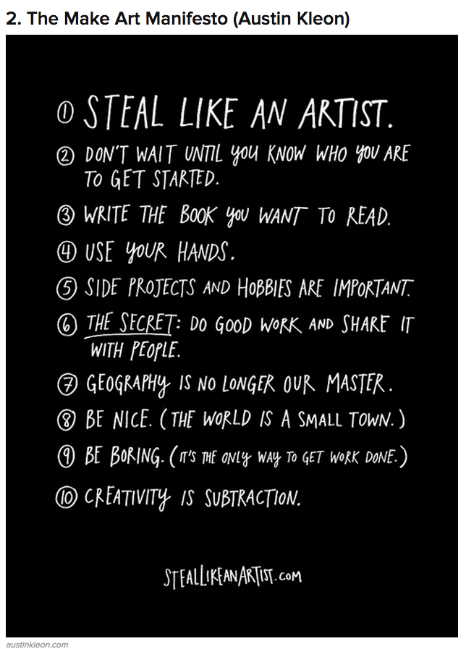
Creative professionals and individuals often write personal manifestos to define their values and work ethic. Austin Kleon’s “Steal Like an Artist”manifesto encourages embracing influence and creativity without fear.
Personal manifestos are less formal but deeply honest. They help you stay true to yourself and your unique voice.
- Be authentic in your language.
- Focus on what matters most to you.
- Make it a tool for daily motivation.
Have you tried writing your own manifesto? How could it help you stay focused and inspired?
Tips For Sharing Your Manifesto
Sharing your manifesto effectively is just as important as crafting it. A well-shared manifesto can inspire others, build community, and hold you accountable. But how do you make sure it reaches the right people and sparks meaningful conversations?
Choosing The Right Platforms
Not every platform suits every manifesto. Think about where your audience spends their time. LinkedIn works well for professional or industry-focused manifestos, while Instagram or TikTok may be better for visual or lifestyle messages.
Consider creating a dedicated page or blog post for your manifesto. This gives you full control over presentation and allows easy sharing across different channels. Email newsletters can also be a great way to share your manifesto directly with people who already care about your ideas.
Engaging Your Audience
Sharing your manifesto isn’t just about broadcasting; it’s about starting a conversation. Ask your readers questions related to your manifesto to encourage comments and feedback. For example, invite them to share their own experiences or how your manifesto resonates with their values.
Use interactive elements like polls or live Q&A sessions to deepen engagement. When people feel heard, they’re more likely to support and spread your message. Have you tried responding personally to comments? It can turn casual readers into loyal followers.
Updating And Evolving Your Statement
Your manifesto shouldn’t stay static. Life changes, and so do your beliefs and goals. Revisit your manifesto regularly to see if it still reflects who you are and what you stand for.
Share updates openly and explain why changes were made. This transparency builds trust and shows that your manifesto is a living document, not just a fixed statement. How might your manifesto grow alongside your journey?

Credit: medium.com
Frequently Asked Questions
What Is A Manifesto And Why Is It Important?
A manifesto is a public declaration of beliefs and goals. It guides your actions and communicates your vision clearly. Making one helps you stay focused and inspires others to support your cause or project.
How Do I Start Writing A Manifesto?
Begin by identifying your core values and purpose. Write a clear, concise statement about what you stand for. Use simple language to connect emotionally and motivate your audience.
What Key Elements Should A Manifesto Include?
Include your vision, mission, core values, and goals. Make it passionate, authentic, and actionable. This structure helps readers understand your purpose and encourages them to join your movement.
How Long Should A Manifesto Be?
Keep your manifesto brief and impactful, ideally 300 to 500 words. Shorter manifestos are easier to remember and share, making your message more powerful and accessible.
Conclusion
Creating a manifesto helps you share your beliefs clearly. It guides your actions and keeps you focused. Write it honestly and keep it simple. Review it often to stay on track. A good manifesto inspires both you and others. It shows what you stand for and why it matters.
Start your manifesto today and see the difference it makes. Your voice deserves to be heard.

Similar Posts