What is the Agile Manifesto: Unveiling Core Principles
Have you ever wondered why some projects seem to flow smoothly while others get stuck in endless delays? The secret often lies in the way teams work together—and that’s where the Agile Manifesto comes in.
If you want to boost your productivity, deliver better results faster, and keep your team motivated, understanding the Agile Manifesto is a game-changer. This simple set of ideas can transform how you approach work, no matter your role. Keep reading to discover what the Agile Manifesto is and how it can unlock your team’s true potential.

Credit: medium.com
Origins Of The Agile Manifesto
The Agile Manifesto has its roots in a time when software development faced many challenges. Traditional methods were slow and rigid. Teams needed a fresh approach to handle changes and deliver value quickly. The origins of the Agile Manifesto reveal how a group of thinkers came together to solve these problems. Their ideas shaped a new path for development and teamwork.
Background And Need For Agile
Before Agile, software projects often missed deadlines and budgets. Developers struggled with heavy processes and lots of paperwork. Customers felt left out during long development cycles. Teams wanted more flexibility to adapt to change. A better way was needed to improve communication and speed.
The 2001 Agile Gathering
In February 2001, seventeen software experts met in Utah. They gathered to discuss lightweight development methods. Their goal was to find common ground and create a shared vision. Over a few days, they crafted the Agile Manifesto. This document focused on values and principles that promote collaboration and adaptability.
Key Contributors
- Kent Beck
- Martin Fowler
- Robert C. Martin
- Alistair Cockburn
- Ron Jeffries
- Ward Cunningham
- Others who shaped Agile thinking
These pioneers brought diverse experiences and ideas. Their combined efforts led to a simple, powerful guide. The Agile Manifesto still influences teams worldwide today.
Credit: www.theknowledgeacademy.com
The Four Core Values
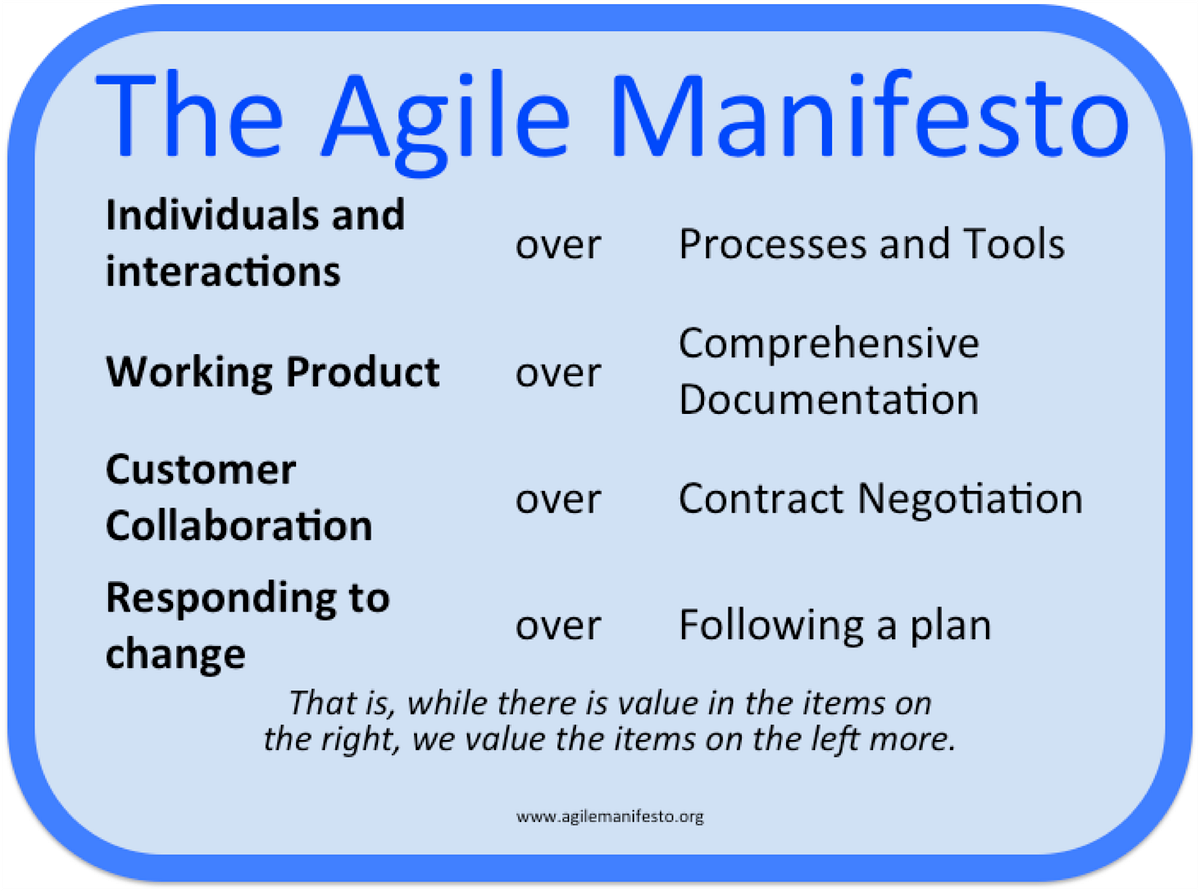
The Agile Manifesto is built around four core values that shape how teams approach software development and project management. These values shift the focus from rigid rules to more flexible, human-centered practices. Understanding these values helps you improve collaboration and deliver better results faster.
Individuals And Interactions Over Processes
People make projects succeed, not just the steps they follow. When your team communicates openly, problems get solved quicker. You might have a perfect process, but if team members don’t connect, the results suffer.
Think about a time when a quick chat solved a big issue that a formal process couldn’t. That’s the power of prioritizing individuals and interactions.
Working Software Over Comprehensive Documentation
Clear and useful software matters more than lengthy documents. Detailed specs are helpful, but delivering something functional and usable gives real value right away. You want your users to experience progress, not just read about it.
Have you noticed how endless paperwork can slow down your work? Focusing on working software keeps your efforts visible and tangible.
Customer Collaboration Over Contract Negotiation
Engage with your customers continuously instead of sticking rigidly to contracts. Their feedback guides your work and helps you adjust to real needs. Contracts matter, but constant conversation builds trust and improves outcomes.
Ask yourself: Are you listening to your customers enough, or just following terms? Collaboration uncovers what really matters to your users.
Responding To Change Over Following A Plan
Plans are important, but the ability to adapt quickly is more valuable. Unexpected challenges and new opportunities arise constantly. When you stay flexible, you keep your project relevant and successful.
Consider how sticking too closely to an old plan might block progress. Embracing change means you can pivot and stay ahead.
Twelve Guiding Principles
The Agile Manifesto is supported by twelve guiding principles that shape how teams work efficiently and deliver value continuously. These principles emphasize flexibility, communication, and quality, helping you respond to change and keep your projects on track. Understanding these principles can transform the way you manage and execute your work.
Customer Satisfaction Through Early Delivery
Delivering valuable software early and often keeps your customers happy and engaged. When you provide working solutions regularly, you build trust and get feedback faster. This approach prevents wasted time on features that don’t meet real needs.
Welcoming Changing Requirements
Change is inevitable, especially in dynamic markets. Agile encourages you to embrace changing requirements, even late in development. This flexibility helps your product stay relevant and aligned with customer goals.
Frequent Delivery Of Working Software
Regularly releasing functional software helps you track progress and spot issues quickly. Smaller, incremental releases reduce risk and make it easier to adapt. You get constant proof that your project is moving forward.
Collaboration Between Business And Developers
Close cooperation between business stakeholders and developers ensures everyone shares the same vision. This ongoing dialogue helps avoid misunderstandings and keeps priorities clear. When you work together, you create solutions that really matter.
Motivated Individuals And Trust
Your team performs best when they feel trusted and motivated. Give them the freedom to make decisions and support their efforts. Trust fosters creativity and ownership, which drives better results.
Face-to-face Communication
Nothing beats direct conversation for clarity and speed. Face-to-face communication reduces confusion and builds stronger relationships. When you talk regularly, problems get solved faster.
Working Software As Progress Measure
Instead of relying on reports or plans, measure progress by actual working software. This tangible output shows real achievement and highlights what’s done. It keeps your focus on delivering value, not just activity.
Sustainable Development Pace
Maintaining a steady work pace prevents burnout and keeps quality high. Agile promotes a sustainable rhythm that your team can maintain long-term. Consistency beats short bursts of intense effort followed by crashes.
Technical Excellence And Good Design
Prioritize clean code and solid design to make your product easier to maintain and extend. Technical excellence reduces bugs and speeds up future changes. Investing time here pays off throughout the project.
Simplicity In Work
Focus on what’s essential and avoid unnecessary complexity. Simple solutions are easier to build, test, and improve. Ask yourself: are you adding value or just adding layers?
Self-organizing Teams
Teams that organize themselves tend to be more innovative and responsive. Give your team the autonomy to decide how to tackle tasks. This empowerment leads to better problem solving and accountability.
Regular Reflection And Adjustment
Make time to review how your team works and find ways to improve. Agile encourages frequent reflection so you can adapt your processes and boost performance. What small change could make your next sprint smoother?
Impact On Software Development
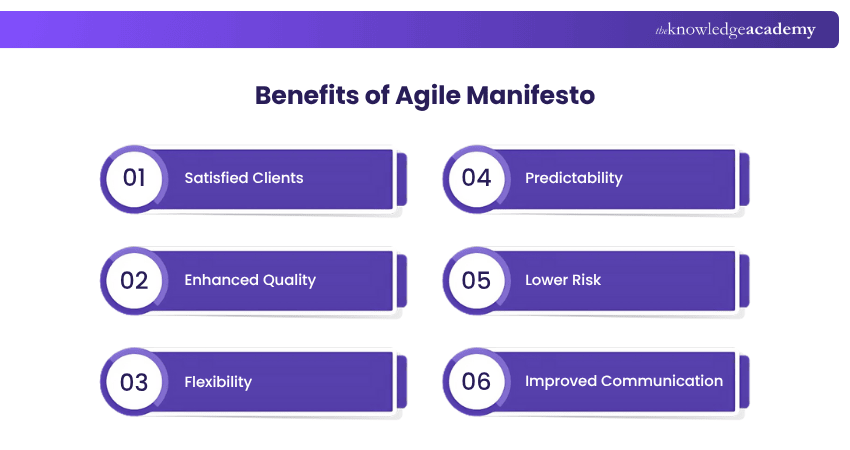
The Agile Manifesto has reshaped software development practices worldwide. It promotes faster delivery, better teamwork, and ongoing improvement. These changes help teams respond quickly to challenges and customer needs.
Agile encourages a mindset that values collaboration and flexibility over rigid processes. This shift impacts how software is planned, built, and delivered. It creates a more dynamic and productive work environment.
Shift From Traditional Methods
Traditional software development followed strict, linear steps. Teams planned everything upfront and then executed without much change. This often led to delays and missed requirements.
Agile replaces this with iterative cycles called sprints. Teams deliver small parts of software frequently. This approach reduces risks and allows for early problem detection.
Enhanced Flexibility And Adaptability
Agile welcomes change at any stage of development. Teams adjust plans based on feedback and new information. This flexibility improves product quality and relevance.
Developers can fix issues faster and add features that customers really want. It keeps projects aligned with business goals and market demands.
Improved Customer Engagement
Customers stay involved throughout the project in Agile. Regular reviews and demos help gather their input early and often.
This continuous interaction ensures the final product meets real user needs. It builds trust and reduces misunderstandings between developers and customers.
Adopting Agile Beyond Software
The Agile Manifesto started in software development. Its ideas help teams work faster and smarter. Now, many fields use Agile principles to improve their work. Adopting Agile beyond software changes how companies handle projects and solve problems.
This approach focuses on teamwork, quick feedback, and flexibility. It helps businesses adapt to change without stress. Agile is more than rules; it’s a mindset that values people and results.
Applications In Other Industries
Agile methods apply in many fields outside software. Marketing teams use Agile to plan and test campaigns fast. Manufacturing uses Agile to improve product design and delivery. Even education adopts Agile for better lesson planning and student engagement.
Healthcare uses Agile to improve patient care and manage projects. Construction uses Agile for flexible project management and quick problem-solving. These industries benefit from Agile’s focus on collaboration and rapid changes.
Agile Mindset In Business
The Agile mindset means valuing teamwork and learning. It encourages open communication and trust among team members. Businesses with an Agile mindset accept change as normal. They focus on delivering value step by step.
Leaders support teams by removing obstacles and encouraging innovation. Employees feel empowered to make decisions and improve their work. This mindset creates a culture of continuous improvement and fast response.
Challenges In Adoption
Adopting Agile outside software can be hard. Some teams resist change because they prefer old ways. Lack of understanding about Agile slows down adoption. Organizations may struggle to shift from strict plans to flexible workflows.
Training and leadership support are key to success. Teams need time to practice Agile principles. Clear communication helps overcome doubts and confusion. Patience and persistence lead to better results over time.

Credit: doronkatz.medium.com
Frequently Asked Questions
What Is The Agile Manifesto In Software Development?
The Agile Manifesto is a guiding document for agile software development. It emphasizes collaboration, flexibility, and customer focus over strict processes and tools. It promotes iterative progress through individuals and interactions, working software, customer collaboration, and responding to change.
Why Was The Agile Manifesto Created?
The Agile Manifesto was created in 2001 by 17 software developers. They aimed to improve software development by making it more adaptive and efficient. It addresses challenges faced by traditional methods and promotes a people-centered approach.
What Are The Core Values Of The Agile Manifesto?
The Agile Manifesto has four core values: individuals and interactions over processes and tools; working software over comprehensive documentation; customer collaboration over contract negotiation; and responding to change over following a plan. These values prioritize flexibility and customer needs.
How Does The Agile Manifesto Improve Project Management?
The Agile Manifesto encourages adaptive planning, early delivery, and continuous improvement. It enables teams to respond quickly to changes and deliver better products. This approach reduces risks and enhances customer satisfaction throughout the project lifecycle.
Conclusion
The Agile Manifesto guides teams to work better together. It values people, communication, and quick responses. Teams using Agile adapt fast to change. This helps deliver useful work regularly. Agile focuses on what truly matters to customers. It encourages simple, clear processes.
Understanding these ideas can improve project success. Agile is not just a method but a mindset. It helps teams stay flexible and open. Try applying Agile principles to see real progress.

Similar Posts