How to Write a Personal Manifesto: Step-by-Step Guide
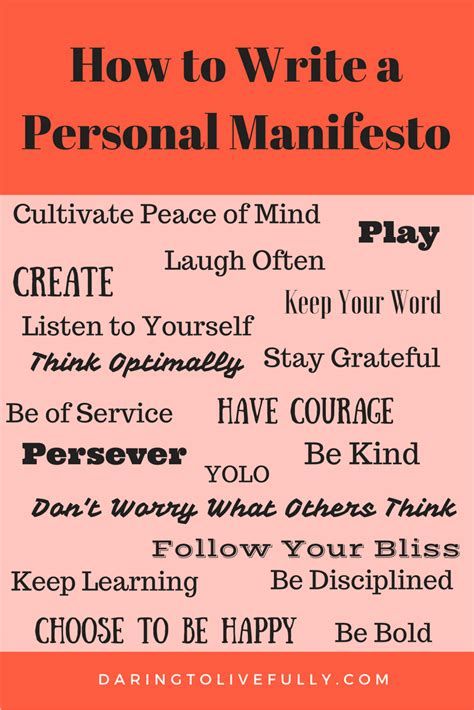
Have you ever felt unclear about what truly drives you? Writing a personal manifesto can change that.
It’s a simple way to put your values, goals, and beliefs into words that guide every decision you make. Imagine having a clear roadmap that keeps you focused, motivated, and confident no matter what life throws at you. You’ll discover easy steps to create your own personal manifesto—one that speaks directly to who you are and what you want.
Ready to unlock your true potential? Keep reading, because this could be the most important piece of writing you ever do.
Purpose Of A Personal Manifesto
Understanding the purpose of a personal manifesto is key to writing one that truly resonates with you. A personal manifesto is more than just words on paper; it serves as a compass that guides your actions, decisions, and values. It clarifies what matters most and helps you stay aligned with your true self in everyday life.
Defining Your Core Beliefs And Values
Your personal manifesto lets you clearly state what you stand for. It’s an opportunity to identify and write down your core beliefs and values without hesitation. This clarity helps you make decisions with confidence and avoid distractions that don’t match your principles.
Setting Intentions For Your Life
Writing a manifesto forces you to set clear intentions about who you want to be and what you want to achieve. It’s like creating a personal mission statement that keeps you focused on your goals. Have you ever felt lost or unsure about your next move? A manifesto can prevent that uncertainty.
Creating Accountability And Motivation
When you put your commitments and values in writing, you hold yourself accountable. Your manifesto acts as a reminder during tough times, giving you motivation to stay on track. It’s easier to keep pushing forward when you know exactly why you started.
Clarifying Priorities In A Busy World
Life throws countless demands at you every day. A personal manifesto helps you filter out what’s important and what’s not. It answers the question, “What deserves my time and energy?” This clarity reduces stress and increases your productivity.
Encouraging Personal Growth And Reflection
Your manifesto is a living document that grows as you do. Revisiting it regularly encourages you to reflect on your progress and adjust your path if needed. Have you considered how often you check in with your personal goals? This habit can lead to continuous improvement.
Gathering Your Core Beliefs
Gathering your core beliefs is the foundation of writing a personal manifesto. It helps you understand what truly drives you and what principles you want to live by. This clarity will make your manifesto authentic and powerful.
Reflect On Your Values
Start by thinking about what matters most to you. Values like honesty, freedom, or kindness often guide your decisions without you realizing it. Write down at least five values that you feel strongly about.
Ask yourself: When have I felt most proud or fulfilled? The answers often point straight to your core values. Keep these values visible as you write your manifesto—they will anchor your statements.
Identify Your Passions
Your passions reveal what energizes and motivates you. Think about activities or topics you lose track of time doing or learning about. These passions can highlight what you want to prioritize in your life.
Try listing moments when you felt deeply engaged or excited. What do these moments have in common? Use this insight to shape the focus of your manifesto.
Recognize Your Strengths
Knowing your strengths helps you understand how you can make an impact. Reflect on skills or qualities others often praise you for, or tasks you find easier than most. These strengths are your tools for living out your beliefs.
Consider asking close friends or colleagues what they see as your best qualities. Sometimes, others notice strengths you might overlook. Adding these to your manifesto will boost your confidence and direction.
Crafting Your Vision Statement
Crafting your vision statement is a key part of writing a personal manifesto. It gives you a clear picture of what you want to achieve and who you want to become. A strong vision statement guides your decisions and keeps you focused on your true goals.
Define What Matters Most To You
Start by thinking about your core values. What drives your actions every day? Pinpoint the principles that feel non-negotiable to your happiness and success.
Ask yourself: What kind of impact do I want to have on the people around me? This helps you connect your vision to something meaningful and personal.
Visualize Your Future Self
Imagine where you want to be in 5 or 10 years. Picture your life, career, and relationships in vivid detail. What qualities do you see in yourself?
Write down specific traits you want to embody, like resilience, kindness, or creativity. These become the foundation of your vision statement.
Keep It Clear And Concise
Your vision statement should be easy to remember and say aloud. Avoid complex language or long sentences that confuse your purpose.
Use simple, powerful words that inspire you. A concise statement sticks with you during tough times and reminds you why you started.
Make It Action-oriented
Frame your vision in a way that encourages action. Instead of just describing a dream, focus on what you will do to make it real.
For example, say “I will lead with empathy and innovation” rather than “I want to be a good leader.” This pushes you toward daily habits that support your vision.
Review And Revise Regularly
Your vision may change as you grow and learn. Set a schedule to revisit your statement every few months. Does it still reflect who you are and where you want to go?
Don’t hesitate to adjust the wording or focus. Keeping your vision fresh ensures it stays relevant and motivating.

Credit: www.youtube.com
Setting Clear Intentions
Setting clear intentions is vital when writing a personal manifesto. It shapes your focus and guides your choices. Intentions give your words purpose and direction.
Clear intentions help you stay true to your values and vision. They make your manifesto more meaningful and actionable. Without clear intentions, your manifesto may feel vague or confusing.
Short-term Goals
Short-term goals give you immediate direction. These goals are achievable in days, weeks, or months. They keep your motivation high and your efforts focused.
- Identify what you want to accomplish soon.
- Be specific about the tasks and outcomes.
- Set deadlines to create urgency.
- Write goals that inspire daily action.
Short-term goals act as stepping stones. Each small win builds confidence and clarity.
Long-term Aspirations
Long-term aspirations define your bigger purpose. These reflect your dreams and core values. They guide your life’s path over years or decades.
- Think about what truly matters to you.
- Visualize the person you want to become.
- Set broad, meaningful objectives.
- Keep your aspirations flexible to adapt over time.
Long-term aspirations keep you aligned with your true self. They inspire patience and persistence through challenges.
Writing Your Manifesto
Writing your personal manifesto is an important step in defining your beliefs and goals. It is a chance to express your core values clearly and confidently. The words you choose will shape how your manifesto feels and connects with others. Focus on making your message strong, clear, and true to yourself.
Choosing Your Tone
Your tone sets the mood of your manifesto. It can be serious, hopeful, bold, or calm. Think about what matches your personality and message best. Use a tone that feels natural and honest. Avoid sounding too formal or too casual. A balanced tone helps readers trust and relate to your words.
Using Powerful Language
Strong language makes your manifesto memorable. Use active verbs and clear statements. Avoid weak words like “maybe” or “kind of.” Choose words that show confidence and purpose. Simple words can be powerful if used well. Be direct and speak from the heart to inspire action and belief.
Keeping It Concise
A good manifesto is short and easy to read. Focus on your main ideas and avoid extra details. Use short sentences and clear phrases. Break your text into small paragraphs or bullet points. This helps readers absorb your message quickly. A concise manifesto is more likely to be read and remembered.

Credit: kristofberg.medium.com
Reviewing And Refining
Reviewing and refining your personal manifesto is a vital step. It helps to ensure your message is clear and true to your values. This process sharpens your ideas and improves your writing. It also makes your manifesto more powerful and meaningful.
Seeking Feedback
Share your manifesto with people you trust. Choose those who know you well and understand your goals. Ask for honest opinions about clarity and impact. Invite suggestions on how to make your ideas stronger. Listen carefully to their thoughts without defending your work. Feedback opens new perspectives and reveals blind spots.
Making Revisions
Review the feedback and decide what changes to apply. Focus on simplifying language and improving flow. Remove any repeated or unclear statements. Add examples or details to support your points. Read your manifesto aloud to check natural rhythm. Repeat this process until your message feels right and true.
Living Your Manifesto
Living your personal manifesto means making it part of your daily life. It is more than just words on paper. Your manifesto guides your choices and shapes your behavior. Consistency helps turn your manifesto into a true reflection of who you are. This requires regular effort and honest reflection.
Daily Reminders
Keep your manifesto visible. Write key points on sticky notes or set phone alerts. Seeing these reminders helps you stay focused. Read your manifesto each morning to start your day with purpose. Small daily reflections deepen your connection to your values.
Aligning Actions With Words
Act according to your manifesto’s promises. Check if your daily actions match your stated beliefs. Honest self-assessment reveals gaps between words and behavior. Adjust your habits to better reflect your manifesto. Over time, this creates trust in yourself and others.

Credit: medium.com
Updating Your Manifesto Over Time
Your personal manifesto is a living document. It reflects your beliefs, goals, and values at a moment in time. As life changes, so do your thoughts and priorities. Regular updates keep your manifesto aligned with who you are now.
Updating your manifesto helps you stay focused and motivated. It allows you to adjust your path without losing sight of your core principles. Revisit your manifesto often to keep it fresh and meaningful.
Recognizing When It’s Time To Update
Notice feelings of disconnect or confusion about your manifesto. Life events like new jobs, relationships, or challenges may signal a need for change. Your manifesto should evolve with your experiences and growth.
Reflecting On Your Growth And Changes
Take time to review your past goals and values. Compare them with your current situation and feelings. Identify what still fits and what feels outdated or irrelevant.
Adding New Insights And Goals
Include new lessons learned and aspirations gained over time. Write clearly about fresh ideas or directions you want to explore. Your manifesto should inspire and guide your next steps.
Keeping Your Manifesto Clear And Simple
Remove clutter and unnecessary details. Focus on key principles that matter most now. A concise manifesto is easier to remember and live by daily.
Setting A Schedule For Regular Reviews
- Mark dates on your calendar to revisit your manifesto.
- Quarterly or yearly reviews work well for many people.
- Use these times to update, refine, or rewrite parts as needed.
Frequently Asked Questions
What Is A Personal Manifesto And Why Create One?
A personal manifesto is a written statement of your core values and beliefs. Creating one clarifies your purpose, guides decisions, and motivates personal growth. It acts as a roadmap for living authentically and aligning actions with your true self.
How Do I Start Writing A Personal Manifesto?
Begin by reflecting on your values, passions, and goals. Write down what matters most to you. Use clear, concise language to express your beliefs and intentions. Focus on honesty and inspiration to create a meaningful, empowering manifesto.
How Long Should A Personal Manifesto Be?
A personal manifesto should be brief and impactful. Aim for one to two pages or about 300-500 words. Keep it focused on essential values and principles to ensure it remains easy to read and remember.
Can A Personal Manifesto Change Over Time?
Yes, a personal manifesto can evolve as you grow. Regularly review and update it to reflect new insights or changing priorities. This keeps your manifesto relevant and aligned with your current life journey.
Conclusion
Writing a personal manifesto helps you know what matters most. It shows your values and guides your choices every day. Keep it clear and honest. Review it often to stay true to yourself. This simple tool can bring focus and calm to your life.
Start small, be patient, and watch your confidence grow. Your manifesto is your story. Make it real, make it yours.

Similar Posts