What are Examples of Polk’S Fulfillment of Manifest Destiny: Key Achievements

Have you ever wondered how the United States expanded its borders in the 1800s? Polk’s fulfillment of Manifest Destiny played a huge role in shaping the country you live in today.
Understanding the key examples of this expansion can help you see how bold decisions and actions changed the map forever. You’ll discover the major events and moves Polk made that brought new lands under U. S. Control. Keep reading to learn how these moments connect to your history and why they still matter now.

Credit: www.barnesandnoble.com
Polk’s Vision For America
Polk’s vision for America was clear and bold. He wanted the nation to grow larger and stronger. His plans shaped the future of the United States. Polk believed America had a right and duty to expand across the continent. This vision guided his policies and actions during his presidency.
Expansionist Goals
Polk aimed to add vast new lands to the country. He focused on acquiring the Oregon Territory in the northwest. He also sought to take control of California and New Mexico from Mexico. Polk wanted to secure access to the Pacific Ocean. His goal was to create a nation that stretched from the Atlantic to the Pacific.
- Negotiated with Britain over Oregon Territory
- Led the U.S. into the Mexican-American War
- Achieved the Treaty of Guadalupe Hidalgo
- Expanded the country’s borders significantly
Manifest Destiny Ideals
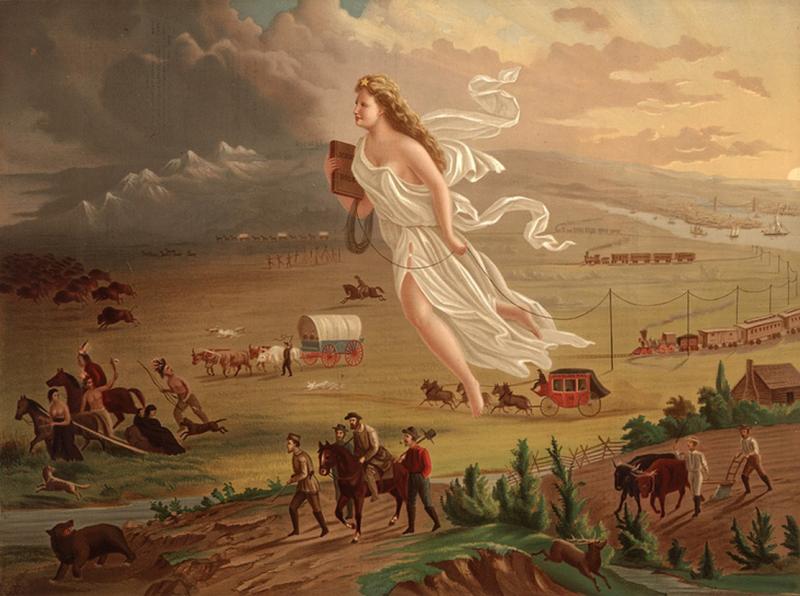
Polk strongly believed in Manifest Destiny. This idea held that the U.S. should spread its culture and government across North America. Polk thought expansion was both good and inevitable. He saw it as a way to spread democracy and freedom. The belief also justified taking land from Native Americans and Mexico.
Manifest Destiny inspired many Americans to support Polk’s plans. It fueled the desire for new opportunities and land. Polk’s actions reflected this national mindset during the mid-1800s.
The Oregon Territory Acquisition
The Oregon Territory Acquisition was a key part of President James K. Polk’s plan to fulfill Manifest Destiny. This vast region in the northwest was jointly occupied by the United States and Britain. Polk aimed to secure the territory to expand American land and influence. The acquisition involved careful negotiations and had a lasting impact on the nation’s growth.
Negotiations With Britain
Polk faced Britain in talks over the Oregon Territory. Both countries claimed the land, creating tension. Polk pushed for the border to be set at the 49th parallel. Britain wanted to keep more land south of that line. After months of discussions, they agreed on a peaceful division.
- The Oregon Treaty of 1846 set the boundary at the 49th parallel.
- The U.S. gained the southern part of the territory.
- Britain kept the land north of the line.
This agreement avoided war and gave the U.S. clear control of valuable land.
Impact On American Expansion
The Oregon Territory acquisition boosted U.S. expansion westward. It opened new areas for settlement and farming. The region’s rivers and forests offered natural resources. It also strengthened the U.S. presence on the Pacific coast. This helped America secure trade routes and military advantage.
Settlers moved west, encouraged by the government’s promise of land. This migration increased the population and economy in the new territories. The acquisition also fueled national pride and belief in Manifest Destiny’s goal. Polk’s success in Oregon showed the power of diplomacy and determination.
Annexation Of Texas
The annexation of Texas marked a major moment in President James K. Polk’s push to fulfill Manifest Destiny. Texas had declared independence from Mexico in 1836 and existed as a republic before joining the United States. Polk strongly supported adding Texas to the Union, believing it would expand American territory and influence. This move stirred intense debate across the country.
Texas’ annexation added vast land to the U.S. It also set the stage for future conflicts. Polk’s commitment to expansion was clear in this bold step toward fulfilling the nation’s destiny of spreading coast to coast.
Political Challenges
Annexing Texas caused fierce political battles. Many feared it would lead to war with Mexico. Some politicians worried about upsetting the balance between free and slave states. The issue split parties and divided the public.
Polk had to manage opposition from both Whigs and Democrats. He used careful diplomacy and promises to calm fears. Despite resistance, Congress approved annexation in 1845. This showed Polk’s skill in navigating political risks for expansion.
Expansion Of Slave States
Adding Texas raised concerns about slavery’s growth. Texas allowed slavery, which meant new slave territory joined the Union. This worried many in the North who opposed slavery’s spread.
Southern states supported annexation because it strengthened their political power. The balance between free and slave states became a key issue in national debates. Polk’s decision fueled tensions that would later lead to the Civil War.

Credit: www.escondidograpevine.com
Mexican-american War
The Mexican-American War was a pivotal event during President James K. Polk’s administration. It significantly shaped the United States’ expansion westward, fulfilling the idea of Manifest Destiny. This conflict not only altered the map but also tested the nation’s resolve and vision for its future.
Causes Of The Conflict
The war began mainly because of disputes over Texas. After Texas joined the U.S. in 1845, Mexico saw it as a rebellion and refused to accept the new border.
President Polk sent troops to the disputed area between the Nueces River and the Rio Grande, which Mexico considered its territory. This move was risky but aimed at asserting American claims.
Another cause was the desire to acquire California and New Mexico. Polk believed these territories were essential for the nation’s growth and access to the Pacific Ocean.
Territorial Gains
The war ended with the Treaty of Guadalupe Hidalgo in 1848. This treaty gave the U.S. control over a vast area, including California, Nevada, Utah, and parts of several other states.
These gains added about 525,000 square miles to the country. Imagine how different your life might be without access to these lands and resources today.
Polk’s aggressive stance on expansion through this war fulfilled much of the Manifest Destiny goal. Yet, it also raised tough questions about how far a country should go to achieve its ambitions.
California And The Gold Rush
The discovery of gold at Sutter’s Mill in 1848 sparked a massive rush that forever changed California and the United States. This event was a key moment in Polk’s vision for Manifest Destiny, accelerating California’s growth and its integration into the nation. The Gold Rush not only attracted thousands to the West but also set the stage for California’s rapid path to statehood and economic transformation.
Path To Statehood
The Gold Rush brought a sudden population explosion to California. By 1850, tens of thousands of people had arrived, creating bustling towns almost overnight.
This rapid growth pushed the U.S. government to act quickly. California bypassed the usual territorial phase and applied directly for statehood.
Think about how unusual it is for a region to become a state so fast—usually, this takes years. Polk’s administration supported this move, ensuring California joined the Union as a free state in 1850, balancing power between free and slave states.
Economic Impact
The influx of gold miners and entrepreneurs transformed the economy. New businesses sprang up to serve miners—from shops to railroads.
This boom created jobs and wealth, not only in mining but in agriculture, shipping, and banking. California became a critical economic hub almost overnight.
Have you considered how a sudden resource discovery can reshape an entire region’s economy? The Gold Rush shows how quickly economic landscapes can shift with the right opportunity—and how government support can help harness that change for growth.
Impact On Native American Communities
Polk’s fulfillment of Manifest Destiny had a deep impact on Native American communities. Their lives changed drastically as settlers moved westward. Native people faced loss of land, culture, and autonomy. These changes led to lasting consequences for many tribes.
Displacement And Conflict
Native American tribes were forced off their ancestral lands. The government signed treaties that often ignored native rights. Many tribes had to move to unfamiliar areas, called reservations.
These moves sparked conflicts between settlers and Native Americans. Battles and violence became common as tribes tried to defend their homes. The loss of land caused great hardship and suffering.
Cultural And Social Changes
Native communities faced pressure to adopt new ways of life. Traditional customs and languages were threatened by government policies. Boarding schools aimed to erase native identities and teach European-American culture.
Many tribes struggled to maintain their social structures. Family roles and community bonds changed under new rules. Despite these challenges, Native Americans worked hard to preserve their heritage.
Legacy Of Polk’s Presidency
Polk’s presidency left a significant mark on American history by aggressively pushing the boundaries of the nation. His actions reshaped the map of the United States and set a new direction for its future growth. Understanding his legacy helps you see how his decisions still influence the country today.
Long-term Effects On U.s. Expansion
Polk’s fulfillment of Manifest Destiny added vast territories to the United States, including Texas, California, and the Oregon Territory. This expansion opened new opportunities for settlement, trade, and economic growth.
The added land also set the stage for the United States to become a continental power. However, with new territories came challenges like governing distant lands and integrating diverse populations. Have you ever thought about how these challenges shaped modern America?
Controversies And Criticisms
Polk’s aggressive expansion raised serious ethical and political questions. Many criticized the Mexican-American War as an unjust act of aggression motivated by a desire to spread slavery.
His presidency also intensified conflicts with Native American tribes and increased sectional tensions between North and South. You might wonder how different the country would be if Polk had taken a more cautious approach.
Credit: hti.osu.edu
Frequently Asked Questions
What Were Polk’s Main Achievements In Manifest Destiny?
Polk expanded U. S. territory significantly through the Oregon Treaty and the Mexican-American War. These actions fulfilled key Manifest Destiny goals.
How Did Polk Acquire Oregon Territory?
Polk negotiated with Britain and signed the Oregon Treaty in 1846. This agreement peacefully divided the Oregon Territory along the 49th parallel.
What Role Did The Mexican-american War Play In Expansion?
The war led to the Treaty of Guadalupe Hidalgo. The U. S. gained California, Arizona, New Mexico, and more, expanding westward.
How Did Polk’s Policies Impact Native American Lands?
Polk’s expansion pushed Native Americans off their lands. This caused displacement and conflict as settlers moved westward under Manifest Destiny.
Conclusion
Polk’s actions greatly expanded the United States’ land and power. He helped fulfill Manifest Destiny by adding Texas, Oregon, and California. These new lands boosted the country’s growth and opportunities. Polk’s presidency shows how strong leadership shaped America’s future. His efforts changed the nation’s map forever.
This period remains a key part of U. S. History. Understanding Polk’s role helps us see how America grew westward. It reminds us of the challenges and dreams of that time.

Similar Posts