What Happened in Manifest Destiny: A Historical Journey
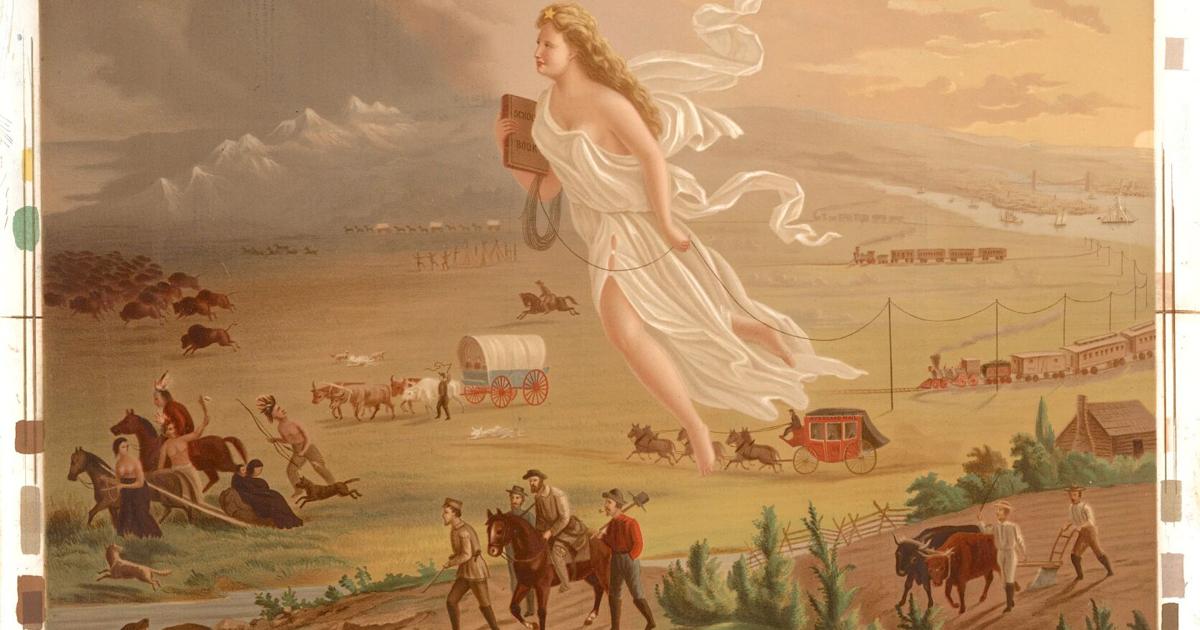
Have you ever wondered how the United States grew from a small group of colonies to a vast nation stretching from the Atlantic to the Pacific? The answer lies in a powerful idea called Manifest Destiny.
This belief shaped the country’s history and changed the lives of millions. You’ll discover what really happened during Manifest Destiny — the events, struggles, and consequences that defined this era. Keep reading to understand how this chapter of history still impacts your world today.

Credit: www.youtube.com
Roots Of Manifest Destiny
The roots of Manifest Destiny trace back to early American beliefs and actions. This idea grew from a mix of history, politics, and culture. It shaped how the United States expanded its land and power across North America. Understanding these roots helps explain why Americans pushed westward with such determination.
Early American Expansion
American settlers moved west soon after independence. They sought new land for farming and trade. The Louisiana Purchase in 1803 doubled the country’s size. This set a pattern for acquiring more territory. Settlers faced challenges like unknown lands and Native American resistance. Yet, the promise of land kept them moving forward.
- Farmers wanted fertile land for crops.
- Merchants aimed to open new markets.
- Settlers hoped for better lives and freedom.
Each wave of expansion built on the last. This created a mindset that the U.S. should grow across the continent.
Political And Cultural Drivers
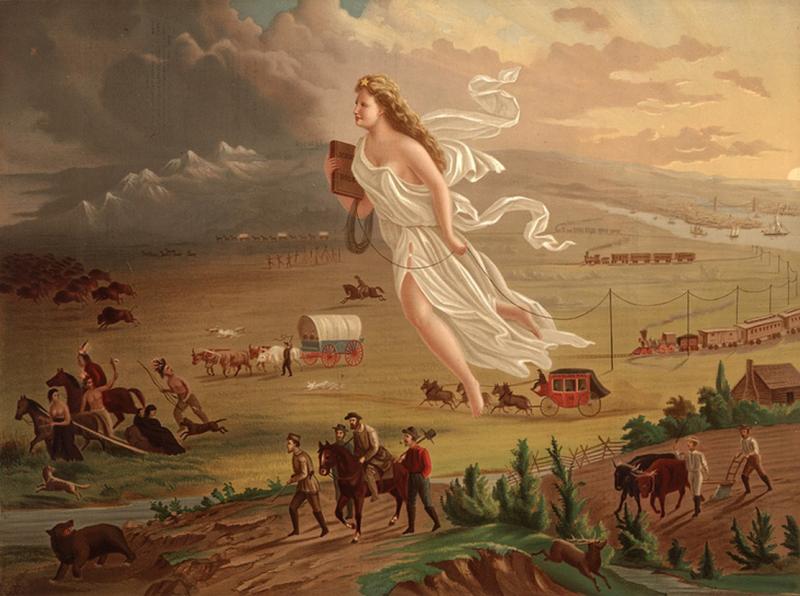
Leaders believed it was America’s right to expand. They called this mission “Manifest Destiny.” This meant the nation was meant to spread its values and democracy. Politics played a key role in pushing this idea. Parties used expansion to gain support and power.
Culture also pushed expansion. Many Americans saw their way of life as superior. They thought it was their duty to bring progress to new lands. Religion, too, inspired settlers to spread their beliefs. This mix of politics and culture made expansion seem natural and necessary.
- Democracy and freedom were seen as worth spreading.
- Political leaders used expansion to rally citizens.
- Religious faith encouraged settlers to move west.

Credit: www.youtube.com
Key Figures And Influences
The idea of Manifest Destiny shaped much of 19th-century America. It inspired people to expand westward, believing it was their right and duty. Several key figures and cultural forces pushed this movement forward. These leaders and influences helped shape the nation’s growth and identity during this period.
Prominent Leaders
- James K. Polk:The 11th U.S. president, Polk was a strong supporter of Manifest Destiny. He led the country during the Mexican-American War, which gained vast territories for the U.S.
- John L. O’Sullivan:A journalist who coined the term “Manifest Destiny.” He believed America was destined to spread across the continent.
- Stephen F. Austin:Known as the “Father of Texas,” Austin helped settle American families in Texas, which later became a key state in the expansion.
- Brigham Young:Leader of the Mormon migration west. He guided thousands to Utah, helping establish new communities in the West.
Role Of Media And Literature
Media and books played a big role in spreading Manifest Destiny ideas. Newspapers and magazines often supported expansion. They showed the West as a land of opportunity and adventure.
Writers and poets created stories that inspired people to move west. Their works promoted the belief that expanding the nation was a noble mission. This helped build public support for expansion policies.
Popular literature often portrayed Native Americans and Mexicans in ways that justified taking land. This influenced public opinion and government actions. The press shaped how people saw Manifest Destiny and its goals.
Major Events And Milestones
The journey of Manifest Destiny is marked by key events that shaped the United States’ growth and identity. Each milestone pushed boundaries and tested the nation’s values and ambitions. Understanding these moments gives you a clearer picture of how America expanded from coast to coast.
Annexation Of Texas
The annexation of Texas in 1845 was a bold move that stirred strong reactions. Texas had declared independence from Mexico in 1836, but joining the U.S. was controversial due to the issues of slavery and war risks.
This event raised questions about how far your country would go to fulfill its vision. It also set the stage for future conflict by upsetting the balance between free and slave states.
Oregon Trail And Territory
The Oregon Trail became a lifeline for thousands seeking new opportunities in the Pacific Northwest. Pioneers faced harsh landscapes, diseases, and uncertainty as they moved westward.
Claiming the Oregon Territory involved negotiations with Britain and showed how diplomacy and determination worked hand in hand. Think about the courage it took to leave everything behind and travel thousands of miles into the unknown.
Mexican-american War
The Mexican-American War (1846-1848) was a direct result of territorial disputes after Texas joined the U.S. This conflict expanded American lands but came with a heavy cost in lives and ethics.
The Treaty of Guadalupe Hidalgo ended the war, adding a vast area called the Mexican Cession to the U.S. Have you ever considered how wars shape borders but also challenge the conscience of a nation?
Impact On Native Peoples
The impact of Manifest Destiny on Native peoples was profound and often devastating. This period reshaped their lives, lands, and cultures in ways still felt today. Understanding these effects helps you see the true cost behind the expansion of the United States.
Displacement And Conflict
Native communities faced forced removal from their ancestral lands as settlers pushed westward. The Trail of Tears is a stark example, where thousands of Cherokee were marched to unfamiliar territory under harsh conditions.
Violence became common as Native groups resisted losing their homes. Battles and skirmishes erupted, causing loss of life and deepening mistrust. Have you ever wondered how your sense of home would change if you were forced to leave without warning?
Government policies often ignored Native rights, prioritizing settlers’ claims. This displacement disrupted traditional ways of life, making survival even harder for many tribes.
Cultural Consequences
Beyond physical displacement, Native cultures suffered from aggressive assimilation efforts. Boarding schools aimed to erase Native languages and customs, pushing children to adopt European-American ways.
Religious practices and communal traditions were suppressed, breaking the transmission of cultural knowledge. This loss still challenges Native communities trying to reclaim their heritage today.
Imagine the struggle of maintaining your identity when everything around you demands change. How would you preserve your culture under such pressure?
- Loss of native languages as children were forbidden to speak them.
- Restriction of traditional ceremonies and spiritual practices.
- Fragmentation of family units due to relocation and schooling policies.
Economic And Social Changes
The wave of change brought by Manifest Destiny reshaped the economic and social landscape of the United States. It wasn’t just about expanding borders; it altered how people lived, worked, and viewed opportunity. These shifts created new challenges and opened doors that many had never imagined.
Land And Resource Development
The rush westward sparked rapid land development and intense resource extraction. Vast tracts of land were converted into farms, ranches, and towns almost overnight.
You might find it surprising how quickly industries like mining and logging grew. Gold discoveries in California and silver strikes in Nevada pulled thousands into rugged territories, driving economic booms.
But this growth came with costs. Native lands were often seized, and ecosystems disrupted. How do you weigh the benefits of development against these consequences?
Migration And Settlement Patterns
People moved west in search of new chances, shaping the country’s demographics dramatically. Families, single men, and entire communities uprooted themselves to claim land or find work.
Railroads played a huge role, linking distant regions and encouraging more people to settle far from the established East Coast. The Homestead Act, offering free land to settlers, was another powerful draw.
Your own family history might connect to this era of migration—did your ancestors move west to build a future? Think about how these movements changed not just where people lived, but how they interacted and formed new societies.
Controversies And Opposition
The idea of Manifest Destiny sparked intense debates and strong opposition throughout the United States. While many saw it as a divine right to expand westward, others questioned the moral and political consequences. These controversies reveal deep divisions in American society and challenge you to consider how progress impacts justice and equality.
Debates Over Slavery
Expansion raised urgent questions about whether new territories would allow slavery. This debate tore the nation apart and was a key factor leading to the Civil War.
Some believed slavery should spread to protect economic interests. Others argued it was a moral wrong that should not extend beyond existing states.
Think about how these arguments affected laws like the Missouri Compromise and the Kansas-Nebraska Act. How would you handle such a divisive issue in your community?
Resistance Movements
Not everyone accepted Manifest Destiny quietly. Native American tribes actively resisted the loss of their lands through battles and negotiations.
Groups like the Seminole in Florida and the Sioux in the Great Plains fought hard to defend their homes. Their resistance shows the human cost behind territorial expansion.
Additionally, some settlers and political leaders opposed the aggression and violence involved. Their voices remind you that growth often comes with a price—whose voices do you think are heard the most in stories of progress?
Legacy Of Manifest Destiny
The legacy of Manifest Destiny stretches far beyond the 19th century. It shaped the United States in ways that still affect your daily life and the nation’s future. Understanding this legacy helps you see the complex roots of modern America.
Long-term National Effects
Manifest Destiny fueled rapid territorial expansion, doubling the size of the United States. This growth brought economic opportunities but also sparked conflicts with Native Americans and other nations.
The new lands led to debates over slavery that eventually ignited the Civil War. You might not realize how the borders drawn then affect political divisions today.
- Increased natural resources and trade routes
- Displacement and suffering of indigenous peoples
- Heightened tensions over state rights and slavery
Did you ever think about how a 19th-century idea could influence social and political struggles you see now?
Influence On Modern America
The idea of Manifest Destiny still echoes in America’s approach to growth and opportunity. It shaped a mindset that values expansion and progress, sometimes without considering consequences.
Today, you can see its impact in how the U.S. interacts with its neighbors and manages its diverse population. The push for new frontiers has evolved into technology, space, and global influence.
Next time you hear about American innovation or diplomacy, consider how the drive to grow and explore started centuries ago. How might your own ambitions reflect this historical urge to expand?
Credit: hti.osu.edu
Frequently Asked Questions
What Was Manifest Destiny In U.s. History?
Manifest Destiny was the 19th-century belief that the U. S. should expand across North America. It justified territorial growth from the Atlantic to the Pacific.
How Did Manifest Destiny Affect Native Americans?
Manifest Destiny led to Native American displacement, loss of land, and cultural disruption due to U. S. territorial expansion.
Which Territories Were Gained Through Manifest Destiny?
The U. S. acquired Texas, Oregon Territory, California, and the Southwest through war, treaties, and purchases during Manifest Destiny.
What Role Did The Mexican-american War Play?
The Mexican-American War (1846-1848) resulted in the U. S. gaining vast southwestern lands, fulfilling key Manifest Destiny goals.
Conclusion
Manifest Destiny shaped America’s growth and history deeply. It brought new land and hope for many settlers. Yet, it also caused conflict and pain for Native peoples. The idea of expanding west changed lives and the nation’s future. Understanding this event helps us learn from the past.
The story of Manifest Destiny is part of America’s complex journey. It shows both progress and challenges faced by the country. This chapter in history still influences the United States today.

Similar Posts