What is a Ship’S Manifest: Essential Guide to Cargo Lists
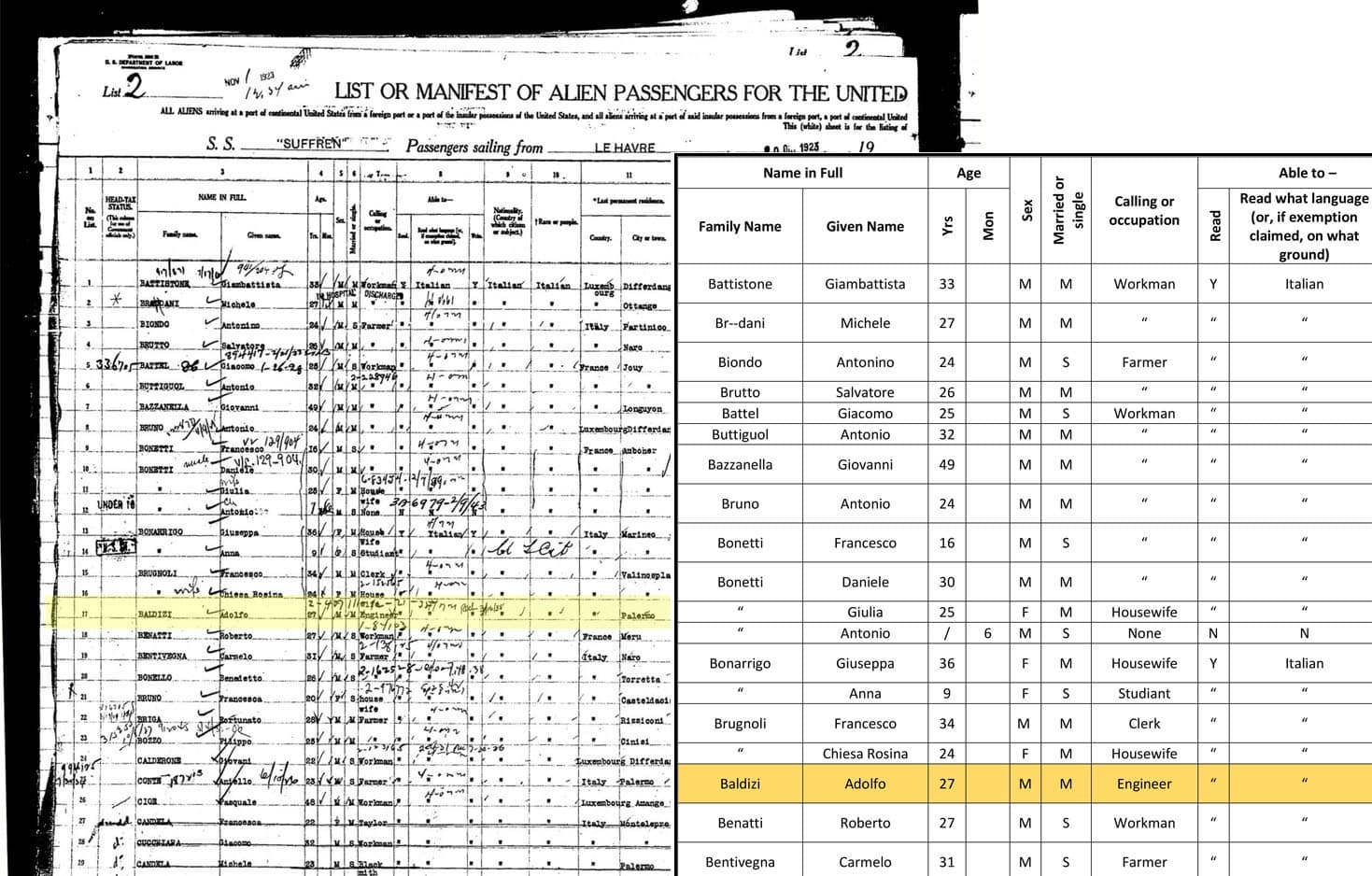
Have you ever wondered what keeps a ship’s journey organized and smooth? A ship’s manifest is the secret behind it.
It’s more than just a list—it’s a powerful tool that ensures everything on board is accounted for and handled properly. Whether you’re curious about shipping, planning to work in logistics, or just want to understand how goods move across the seas, knowing what a ship’s manifest is can give you a clear picture.
Keep reading, and you’ll discover why this document matters so much and how it impacts your everyday life in ways you might not expect.

Credit: worldcraftlogistics.com
Ship’s Manifest Basics
Understanding the basics of a ship’s manifest can change how you view maritime operations. This document is more than just a list—it is the backbone of cargo management and legal compliance on any voyage. Knowing what a manifest includes and why it matters can help you appreciate the complexities behind shipping goods across the world.
Definition And Purpose
A ship’s manifest is an official document that lists all cargo, passengers, and crew on board a vessel. It serves as a detailed record for customs authorities, port officials, and shipping companies to track what is being transported.
The purpose of the manifest is to ensure transparency and accountability during a ship’s journey. It helps prevent illegal activities like smuggling and supports efficient logistics by keeping everyone informed about the ship’s contents.
Have you ever wondered how ports manage thousands of containers daily without chaos? The manifest is a key part of that system.
Key Components
A typical ship’s manifest includes several essential details:
- Ship Information:Name, registration number, and flag state of the vessel.
- Cargo Details:Description, quantity, weight, and packaging of goods on board.
- Consignor and Consignee:Names and addresses of the sender and receiver.
- Voyage Information:Departure and arrival ports, estimated times, and route.
- Passenger and Crew List:Names and identification details.
Each component plays a specific role in ensuring the manifest is a reliable source of information. If any part is missing or inaccurate, it can cause delays or legal issues at customs checkpoints.
Imagine if a single container’s details are wrong—how would that affect the entire shipment’s processing? Paying attention to these components can save you time and money in shipping operations.
Types Of Cargo Lists
Cargo lists are essential for organizing and tracking shipments on a ship. These lists vary depending on the type of cargo being transported. Each type serves a specific purpose and follows certain rules to ensure safety and efficiency. Understanding these types helps in managing shipping logistics effectively.
General Cargo Manifest
The General Cargo Manifest details everyday goods shipped together. It includes items like clothing, machinery, and food products. This manifest lists the quantity, weight, and description of each item. It helps customs and port officials verify the cargo quickly. Accuracy in this list prevents delays and extra charges.
Dangerous Goods Manifest
This manifest covers hazardous materials shipped by sea. It identifies chemicals, explosives, and flammable liquids. The list includes safety instructions and handling procedures. Authorities use this manifest to ensure proper storage and emergency response. Strict rules govern the creation and use of this cargo list.
Container Manifest
The Container Manifest records details about containers on the ship. It shows container numbers, sizes, and contents. This list helps track containers during loading and unloading. It also assists in locating specific containers in the port. The manifest supports smooth operations and reduces the risk of lost cargo.
Creating A Ship’s Manifest
Creating a ship’s manifest is a crucial step in ensuring smooth operations and compliance during maritime transport. It requires careful attention to detail and a clear understanding of what information needs to be documented. By organizing the manifest properly, you can avoid delays, legal issues, and confusion both at departure and arrival points.
Information Required
Your ship’s manifest must include specific details to be complete and useful. Start by listing the ship’s name, voyage number, and port of departure. Then add detailed cargo information such as the description of goods, quantity, weight, and packaging type.
Don’t forget to include the names of the shipper, consignee, and any intermediaries involved. Also, note the destination port and any special handling instructions. Missing or incorrect information here can cause serious problems during customs checks.
Common Formats
Manifests come in various formats depending on the shipping company and legal requirements. Some use simple tables with columns for each piece of cargo information, while others use more detailed forms.
| Format Type | Description | Usage |
|---|---|---|
| Basic Table | Lists cargo items with weight and quantity | Small shipments and local routes |
| Detailed Form | Includes additional info like hazardous materials and special instructions | International shipping and complex cargo |
| Customs-Specific Format | Tailored to meet customs authority requirements | Cross-border shipments |
Choosing the right format depends on your shipment type and destination. Always check what your port authority or shipping line prefers.
Digital Vs Paper Manifests
Many shipping companies now use digital manifests to speed up processing and reduce errors. Digital formats allow you to update and share information instantly, improving communication between all parties.
However, paper manifests still have their place, especially in regions with less technological infrastructure or where digital access is limited. Paper copies are often required as legal proof during inspections and audits.
Have you considered how switching to a digital manifest could streamline your shipping process? It might save you time but weigh that against any legal or operational requirements for paper documentation in your routes.
Legal And Regulatory Aspects
The ship’s manifest plays a vital role in legal and regulatory matters. It acts as an official document listing cargo, passengers, and crew. Authorities use it to verify shipments and ensure compliance with laws. Accurate manifests help avoid delays and legal troubles at ports worldwide.
Understanding the legal framework behind the manifest is key for all involved in shipping. Various rules govern its creation and use. These rules protect safety, security, and trade regulations across countries.
International Shipping Laws
International laws control how manifests are prepared and shared. Treaties and conventions set standards for documentation. Shipping companies must follow these rules to move goods across borders legally. Compliance ensures smooth customs clearance and reduces inspections.
These laws also regulate dangerous goods and restricted items. Manifests must clearly state such cargo to prevent accidents. Authorities may require additional permits based on the manifest details.
Customs Requirements
Customs agencies rely heavily on the ship’s manifest for inspections. It helps verify the cargo matches the declared items. Customs officers check for prohibited goods and proper taxes or duties. The manifest must include detailed descriptions and quantities of all items.
Timely submission of the manifest is often required before ship arrival. This allows customs to plan inspections and approvals efficiently. Errors or missing information can cause shipment holds or fines.
Penalties For Inaccuracies
False or incomplete information on a manifest can lead to serious penalties. Shipping firms and captains may face fines or legal action. In some cases, cargo may be seized or delayed indefinitely.
Penalties vary by country but often include:
- Monetary fines
- Detention of the vessel
- Loss of shipping licenses
- Criminal charges for fraud
Maintaining accuracy in the ship’s manifest protects businesses and promotes trust with authorities. It is essential to review and update the manifest carefully before submission.
Role In Shipping Operations
The ship’s manifest plays a crucial role in shipping operations, acting as the backbone for managing cargo and ensuring smooth sailing through various logistical and regulatory processes. It serves as the official document detailing everything on board, which directly impacts how cargo is tracked, cleared at ports, and covered under insurance. Understanding these roles helps you appreciate the manifest’s importance beyond just a list of items.
Cargo Tracking
Your cargo’s journey depends heavily on the manifest for accurate tracking. Each item listed is assigned a unique identifier, making it easier to monitor its location at every stage of transit.
This detailed record allows shippers and receivers to anticipate arrivals, plan unloading, and reduce the risk of lost or misplaced goods. Imagine expecting a shipment and being able to pinpoint its exact position simply by referencing the manifest.
Port Clearance
The manifest is essential for gaining timely clearance at ports. Customs officials rely on this document to verify the contents of the ship against import and export regulations.
If the manifest is incomplete or inaccurate, expect delays, fines, or even cargo confiscation. Ensuring your manifest is thorough and precise can save you hours, or even days, of waiting at the dock.
Insurance And Liability
Insurance providers use the manifest to assess the value and risk associated with the cargo on board. Every item listed influences the coverage terms and premiums you’ll pay.
In the event of damage or loss, the manifest serves as a legal record to support claims. Without it, proving liability or filing for compensation becomes far more complicated, putting your investment at risk.

Credit: www.facebook.com
Challenges And Best Practices
Managing a ship’s manifest involves several challenges. It requires attention to detail and careful planning. Best practices help ensure smooth operations and reduce errors. Clear documentation is vital for legal compliance and cargo safety.
Handling Complex Cargo
Ships often carry different types of cargo at once. Each item may have unique handling and storage needs. Dangerous goods require special permits and clear labeling. Mixing incompatible items can cause accidents. Organizing cargo by type and destination helps avoid confusion. Proper packaging protects goods during transit. Staff training on cargo specifics improves safety and efficiency.
Ensuring Accuracy
A manifest must list every item correctly. Errors cause delays, fines, or lost shipments. Double-checking entries reduces mistakes. Using standardized forms ensures consistent data. Regular audits catch discrepancies early. Clear handwriting or digital records prevent misreading. Communication between ship crew and port staff is crucial. Accurate manifests support customs clearance and insurance claims.
Technological Advances
Modern tools simplify manifest creation and management. Electronic data interchange (EDI) speeds up information sharing. Barcode and RFID scanning improve tracking accuracy. Cloud-based systems allow real-time updates accessible to all stakeholders. Software can flag errors or missing information automatically. Automation reduces manual work and human error. Adopting technology improves transparency and operational efficiency.

Credit: www.myheritage.com
Frequently Asked Questions
What Is A Ship’s Manifest Used For?
A ship’s manifest lists all cargo, passengers, and crew on board. It helps customs and port authorities track shipments and ensure compliance with laws. The manifest is essential for security, logistics, and legal documentation during maritime transport.
Who Prepares The Ship’s Manifest Document?
The ship’s manifest is prepared by the ship’s captain or the shipping company. They compile accurate details about cargo, passengers, and crew before departure. This ensures clear communication with port officials and customs agencies at the destination.
How Does A Ship’s Manifest Benefit Customs Officials?
Customs officials use the ship’s manifest to verify cargo contents and passenger details. It helps prevent smuggling and ensures correct duties and taxes are applied. The manifest streamlines inspection and clearance processes at ports worldwide.
What Information Is Included In A Ship’s Manifest?
A ship’s manifest includes cargo descriptions, quantities, origin, destination, passenger names, and crew details. It also records shipment marks, weights, and container numbers. This comprehensive data supports tracking and legal accountability during shipping.
Conclusion
A ship’s manifest shows all cargo and passengers on board. It helps customs and port officials check goods quickly. This document keeps shipping safe and organized. Knowing what a manifest is can ease travel and trade. It saves time and prevents mistakes during shipping.
Every ship needs a clear manifest to follow rules. Understanding this helps anyone interested in shipping or travel. Simple, clear records make global trade run smoothly.

Similar Posts