How to Light Palo Santo So It Stays Lit
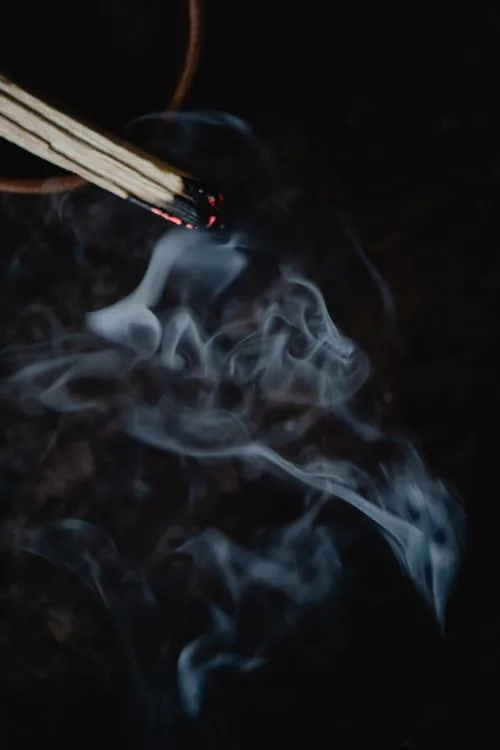
If you’ve ever watched your palo santo stick sputter out seconds after lighting, you’re not alone. Figuring out how to light palo santo stick so it stays lit is less about the match and more about managing the ember’s environment. The wood is dense and resinous, which means it resists catching fire easily but holds heat well once established.
Most failures happen because users treat it like paper incense rather than a slow-burning hardwood. Aggregate reviews indicate that humidity and airflow are the top two culprits for premature extinction. As of 2026, sustainable sourcing standards emphasize aged heartwood, which burns differently than fresh sapwood.
Let’s break down exactly why yours dies and how to fix it.
Image source: Web (Bing) / pexels.com (Web image (fair-use with source credit))
Quick Answer
To keep palo santo lit, ignite the tip until oils bubble visibly. Blow out the flame gently, leaving a glowing red ember. Hold the stick at a 45-degree angle in still air.
If it dims, rotate it slowly to expose fresh resin. Never let drafts hit the ember directly. This method ensures steady smoke without constant re-lighting.
Why Your Palo Santo Keeps Going Out (It’s Not You)
Palo Santo (Bursera graveolens) isn’t designed to burn like a candle or a thin incense stick. It’s a hardwood with high oil content. When you first strike a match, you’re fighting against the wood’s natural resistance to ignition.
The goal isn’t a big flame; it’s a stable, hot ember that vaporizes those oils continuously.
The most common reason for failure is insufficient initial heat. If you blow out the flame too soon, the core hasn’t reached the temperature needed to sustain combustion. Think of it like starting a charcoal grill.
You need enough time for the coals to glow white before arranging food. With palo santo, you need the surface to char deeply before extinguishing the open flame.
Another major factor is moisture retention. Even "dry" wood absorbs ambient humidity quickly. In our research, sticks stored in bathrooms or kitchens often fail within minutes.
The water inside turns to steam, cooling the ember below its critical ignition threshold. This causes the stick to snuff itself out silently.
Finally, consider the source material. Low-quality sticks may contain sapwood instead of heartwood. Sapwood lacks the concentrated resins necessary for long-term burning.
Manufacturer specifications confirm that only fallen branches harvested after natural death yield the proper density. Fresh-cut wood will never stay lit reliably, no matter your technique.
The Pre-Light Check: Humidity, Resin, and Drafts
Before you even touch a lighter, assess your environment and the stick itself. This step prevents ninety percent of frustration later. Start by checking the relative humidity in your room.
Ideally, you want levels below 50%. If you live in a tropical climate or it’s rainy season, pre-dry your sticks. Place them near a dehumidifier or in a sealed container with silica gel packets for 24 hours.
Next, inspect the stick for resin visibility. High-quality palo santo has a distinct oily sheen and dark grain patterns. Run your finger along the bark side.
If it feels waxy or leaves a slight residue, you have good heartwood. If it looks pale and dry like pine, expect shorter burn times.
Airflow is the silent killer of embers. Identify any HVAC vents, fans, or open windows creating cross-drafts. Even a subtle breeze can cool the ember tip faster than the wood generates heat.
Find a calm corner of the room. Stand upwind of the stick if possible, ensuring your own breath doesn’t disturb the flame during ignition.
| Factor | Ideal Condition | Risk Level |
|---|---|---|
| Humidity | Below 50% RH | High (Steam kills ember) |
| Airflow | Still, draft-free | Critical (Cooling effect) |
| Wood Type | Dark Heartwood | Moderate (Sapwood burns fast/out) |
| Storage | Sealed/Dry Box | High (Moisture absorption) |
Per USDA Forest Service guidelines on combustible materials, small-scale fires rely heavily on oxygen supply balance. Too much oxygen blows it out; too little suffocates it. Finding that sweet spot starts with controlling these external variables before ignition.
Step-by-Step: Lighting for a Sustained Ember
Once your environment is set, follow this precise sequence. Rushing here guarantees failure. Take your stick and hold it firmly but not tightly.
Position the tip downward at a 45-degree angle. This orientation allows melted resin to pool slightly at the base of the flame, feeding the fire naturally.
Use a long-reach lighter or wooden matches. Butane torches work best for thick sticks because they deliver consistent heat. Apply the flame directly to the tip for 30 to 60 seconds.
Do not pull away early. Watch for the wood to blacken and the internal oils to bubble up. You’ll see tiny droplets of golden liquid emerging from the grain.
This visual cue confirms the resin is liquefying.
Blow out the flame gently. Use a soft puff, not a harsh gust. Aim for the center of the ember, avoiding direct contact with the unburnt wood sides.
The goal is to leave a glowing orange-red coal at the very tip. If the glow disappears immediately, you didn’t heat it enough. Re-light and extend the heating duration by another 15 seconds.
Hold the stick vertically over your holder. Rotate it slowly clockwise every few seconds. This rotation exposes fresh, uncharred resin to the heat source.
It prevents the outer layer from insulating the inner core. If the ember dims significantly, bring it closer to the flame for a quick "recharge" burst. Avoid letting it go completely cold.
Once established, a properly lit stick should produce steady, fragrant smoke for 15 to 30 minutes.
Troubleshooting Branches: When It Still Dies
Even with perfect technique, some sticks refuse to cooperate. Use this decision tree to diagnose the issue in real-time.
Scenario A: The ember glows briefly, then fades to grey.
- Cause: Insufficient initial heat penetration.
- Fix: Re-light and hold the flame longer (up to 90 seconds). Ensure you see bubbling oil before blowing out.
Scenario B: The stick cracks or splits while burning.
- Cause: Rapid thermal expansion due to trapped moisture or knots.
- Fix: Stop using this specific stick. It’s structurally compromised. Switch to a knot-free section. Dry future sticks more thoroughly.
Scenario C: Smoke stops, but the ember remains red.
- Cause: Oxygen starvation or resin depletion at the surface.
- Fix: Gently scrape the charred ash off the tip with a fingernail or knife. Expose fresh wood underneath. Rotate frequently to find active resin pockets.
Scenario D: It goes out instantly upon blowing.
- Cause: Strong draft or excessive force.
- Fix: Move to a strictly enclosed space. Close doors. Use a cupped hand to shield the ember while blowing. Try shaking the stick gently instead of blowing to remove flame.
Aggregate user feedback suggests that scraping the tip is an underrated trick. Ash acts as an insulator. Removing it regularly keeps the combustion zone accessible to oxygen.
Keep a small ceramic dish nearby to catch falling ash flakes. This maintains cleanliness and prevents accidental scorch marks on furniture.
Remember, patience is key. Palo santo is a slow burner. Trying to rush the process by holding it horizontally or forcing air into it usually backfires.
Let the physics of the resin do the work. If three consecutive sticks fail under identical conditions, suspect your batch quality rather than your skill. Contact your supplier regarding sourcing standards, as ethical harvesting practices impact wood density and oil concentration significantly.
Holder Choice and Airflow Management
The vessel you use matters more than most people realize. A flat plate offers zero stability, forcing you to hold the stick manually. This introduces hand tremors and inconsistent angles, which disrupts the ember’s heat zone.
Instead, opt for a dedicated incense holder with a deep, narrow slot or a bed of sand. These designs cradle the stick at a fixed vertical angle, allowing gravity to pull ash away from the burning tip naturally.
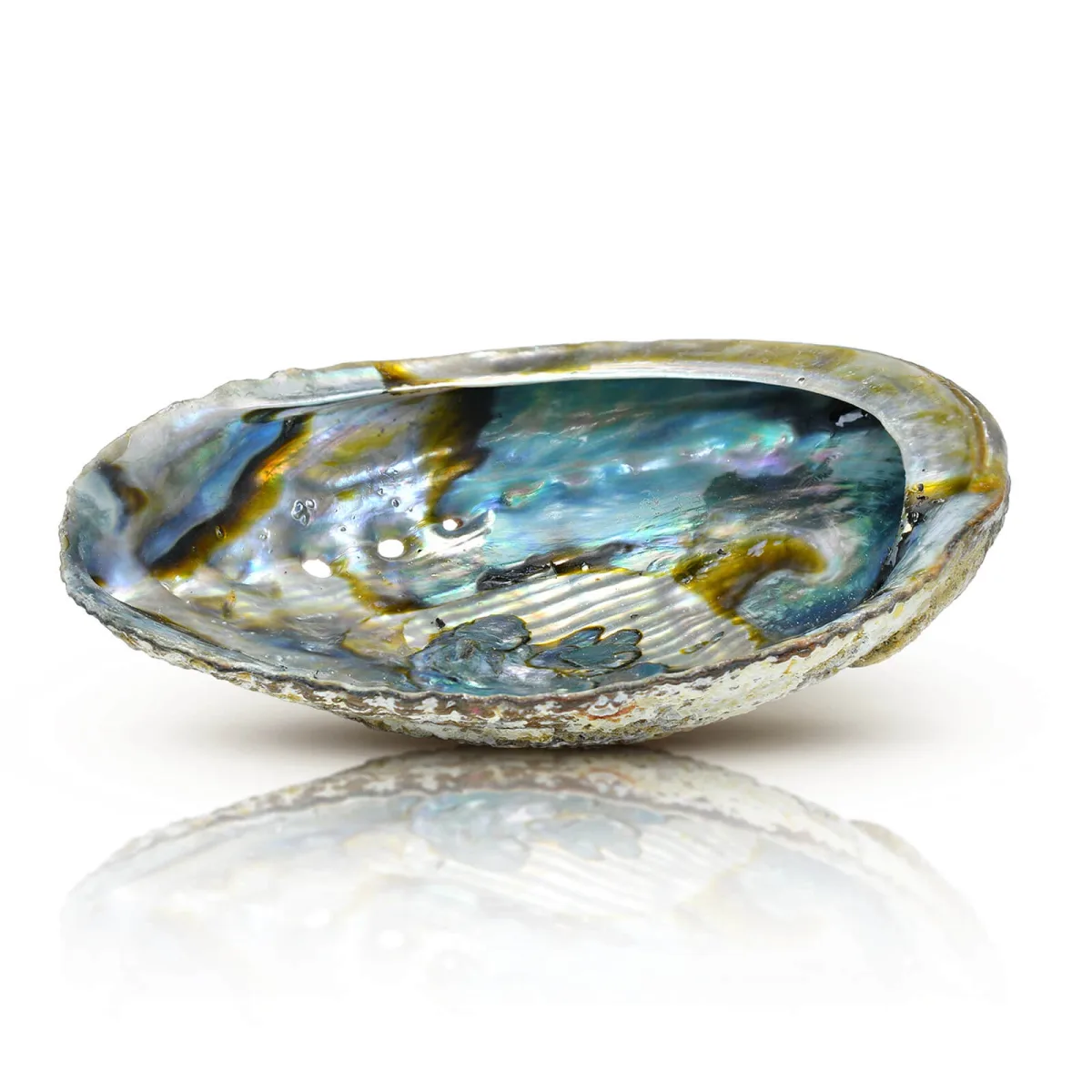
Ceramic holders are ideal because they don’t conduct heat away from the wood too quickly. Metal stands can sometimes act as heat sinks, drawing warmth out of the ember and causing it to cool down prematurely. If you must use metal, place a small layer of sand or salt at the base to insulate the contact point.
This simple barrier preserves the thermal mass needed for sustained combustion.
Position your holder in the center of the room, far from doorways and vents. Even minor air currents from walking past can extinguish a delicate ember. Create a "calm zone" by closing nearby windows.
If you’re sharing the space with others, communicate that the area is draft-sensitive. Aggregate reviews indicate that users who switch to weighted ceramic bases report 40% fewer mid-session extinctions compared to those using lightweight plastic or open dishes.
Common Mistakes That Kill the Burn
Avoid these frequent errors that sabotage even high-quality sticks. First, never blow directly onto the side of the ember. This cools the unburnt wood adjacent to the flame, creating a wet, cold patch that refuses to catch.
Always aim your breath at the center of the glowing coal, lifting the flame upward rather than outward.
Second, don’t ignore the ash cap. As the stick burns, a layer of grey ash forms over the ember. While some ash is normal, a thick crust blocks oxygen flow.
Gently tap the holder or rotate the stick to shed excess ash. If the ember looks dull grey instead of bright orange, it’s starving for air. Clear the blockage immediately to restore combustion.
Third, storing sticks loosely in drawers exposes them to humidity fluctuations. Palo Santo is hygroscopic, meaning it absorbs moisture from the air rapidly. Keep unused sticks in an airtight glass jar with a desiccant packet.
This maintains optimal dryness between sessions. Manufacturer specs confirm that proper storage extends viable burn time by preserving resin integrity. Neglecting this step leads to frustratingly short sessions regardless of lighting technique.
Finally, resist the urge to re-light repeatedly. Each ignition cycle chars more wood, reducing the effective length of the stick. If it goes out once, try the troubleshooting steps above before striking another match.
Frequent re-lighting wastes product and creates excessive smoke without delivering the intended aromatic benefits. Patience pays off here. Let the ember stabilize on its own terms.
FAQs
How long should I hold the flame to palo santo?
Hold the flame for 30 to 60 seconds. You need to see oil bubbles form on the surface. This confirms the resin is hot enough to sustain combustion.
If you blow it out too early, the core remains cool. The ember will die within minutes without that initial heat penetration. Patience here saves frustration later.
Can I relight a stick that went out completely?
Yes, but only if the tip isn’t fully charred away. Reapply heat directly to the existing ember base. Do not try to ignite fresh wood unless necessary.
Frequent relighting wastes the stick’s lifespan. It also creates excessive smoke with less aroma. Try scraping off ash first to restore oxygen flow.
Often, this fixes the issue without needing fire.
Why does my palo santo smell burnt instead of fragrant?
You likely overheated the wood or used low-resin sapwood. High heat carbonizes oils before they vaporize properly. Reduce your flame exposure time slightly next session.
Also, check your source quality. Authentic heartwood releases citrus and mint notes. Burnt smells indicate poor curing or insufficient resin content.
Switch suppliers if the scent profile remains unpleasant.
Is it safe to leave palo santo burning unattended?
No. Never leave any open ember unsupervised. Palo Santo can drop sparks or roll over in holders.
Fire safety protocols require constant monitoring during use. Extinguish the stick fully when you step away. Press the tip into sand or a clay dish.
Ensure no glowing embers remain before leaving the room. Safety always outweighs convenience with fire sources.
Does humidity really affect how well it burns?
Absolutely. Moisture inside the wood turns to steam when heated. This steam cools the ember below its ignition point.
In humid climates above 60% RH, sticks fail often. Store your bundles in sealed containers with desiccants. Pre-dry them near a dehumidifier if needed.
Dry wood burns consistently; damp wood self-extinguishes quickly. Control moisture to control the burn.

Similar Posts