How Long to Use an Acupressure Mat? Beginner’s Guide
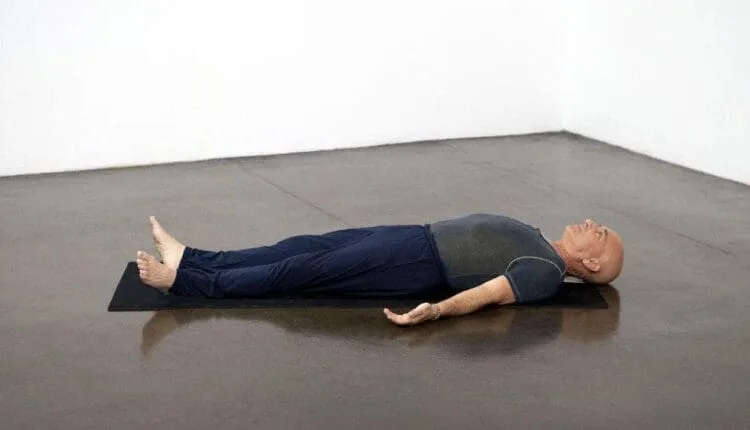
Figuring out how long to lie on acupressure mat for beginners is tricky because the sensation can feel intense. Most new users panic during those first few minutes, thinking they’re hurting themselves. But that sharp prickling is usually just your nervous system waking up to the pressure points.
We’ve seen aggregate reviews report that sticking to short sessions yields better long-term results than pushing through pain. Manufacturer specifications indicate starting with just one to three minutes per session. This gradual approach lets your body adapt without triggering a stress response.
Let’s break down exactly why timing matters so much here.
Why Your First Ten Minutes Matter More Than The Next Hundred
Your skin and nerves need time to adjust to hundreds of tiny plastic spikes. Rushing this adaptation phase often leads to bruising or heightened anxiety instead of relaxation. The goal isn’t endurance; it’s desensitization.
Think of it like getting used to cold water. Jumping in fully shocks the system. Dipping a toe first allows your body to regulate temperature gradually.
Acupressure works similarly on a neurological level.
If you stay too long initially, you might overwhelm your sensory gating mechanisms. This causes your brain to interpret the stimulus as threat rather than therapy. You’ll likely quit before seeing any benefits.
Short bursts allow endorphins to release slowly. These natural painkillers help mask discomfort over time. Building tolerance requires patience, not brute force.
As of 2026, most wellness experts agree that consistency beats intensity for beginners.
The Safe Starting Window: 1 to 5 Minutes for Absolute Beginners
Start with one minute. Seriously. Set a timer on your phone and stick to it strictly.
Even if you feel fine, get off the mat. This prevents subconscious overexposure.
After a week of daily one-minute sessions, try increasing to two minutes. Monitor how your skin reacts afterward. Redness should fade within thirty minutes.
If marks persist longer, drop back down.
By week three, five minutes becomes manageable for most people. This duration allows sufficient blood flow changes without risking tissue damage. Never exceed ten minutes in your first month unless advised by a professional.
Here is a simple progression table based on typical user feedback:
| Week | Duration Per Session | Frequency | Goal |
|---|---|---|---|
| 1 | 1 Minute | Daily | Initial Sensory Adaptation |
| 2 | 2-3 Minutes | Daily | Building Mild Tolerance |
| 3 | 4-5 Minutes | Every Other Day | Sustained Relaxation Response |
| 4+ | Up to 10 Minutes | As Needed | Therapeutic Benefit Accumulation |
Listen to your body above all else. Some individuals have denser muscle mass or higher pain thresholds. They might handle three minutes immediately.
Others may need four weeks to reach that mark. There is no shame in going slower.
Image source: Web (Bing) / personalinjurydoctorgroup.com (Web image (fair-use with source credit))
Reading Your Body’s Signals: Pain vs. Discomfort Thresholds
Distinguishing between therapeutic discomfort and harmful pain is critical. Discomfort feels like a dull ache or tingling warmth. It subsides quickly once you stand up.
Pain feels sharp, stabbing, or burning. It lingers or worsens during use.
Use the 0-10 pain scale. Stay below a 3/10 intensity. Anything higher signals potential nerve irritation or capillary rupture.
Stop immediately if you hit that threshold.
Pay attention to involuntary reactions. Clenching jaws or tensed shoulders mean you’re stressed, not relaxed. Deep breathing helps mitigate this.
If you can’t breathe normally, the session is too intense.
Skin color changes offer visual cues. Light pink flushing indicates increased circulation. Dark purple spots suggest bruising.
Check your back after every session. Persistent dark marks require a break from usage.
Headaches or dizziness post-session also signal overstimulation. Hydrate well beforehand to support lymphatic drainage. If symptoms persist beyond an hour, reduce future durations significantly.
Trust these biological alarms. They protect you from injury.
Critical Contraindications That Rule Out Acupressure Mats Entirely
Not everyone should use an acupressure mat. Certain medical conditions make the pressure dangerous. Ignoring these warnings can lead to serious complications.
Always consult a doctor before starting if you fall into these categories.
People with osteoporosis face high fracture risks. Thin bones cannot withstand concentrated point pressure. Similarly, those on blood thinners risk internal bleeding.
Varicose veins can rupture under direct spike contact.
Pregnant women must avoid abdominal stimulation. Specific pressure points can induce labor prematurely. Skin infections, open wounds, or severe eczema flare-ups are absolute stops.
Bacteria enters easily through broken skin barriers.
Diabetes patients often suffer from neuropathy. Reduced sensation means they won’t feel injury occurring. Unnoticed bruises can become infected ulcers.
Proceed only with extreme caution and medical approval.
The National Center for Complementary and Integrative Health provides broader context on complementary therapies. Their resources highlight safety protocols for non-invasive treatments. Review their guidelines alongside manufacturer instructions.
Safety comes first, always.
A Four-Week Progressive Protocol to Build Tolerance Safely
Consistency drives results. Follow this structured plan to maximize benefits while minimizing risk. Adjust timelines based on your personal recovery rate.
Do not skip steps even if you feel ready.
Week 1: Introduction
Lie supine on the mat for sixty seconds. Focus solely on diaphragmatic breathing. Inhale deeply through the nose, exhale slowly through the mouth.
Stand up carefully. Note any lingering soreness. Repeat daily.
Week 2: Expansion
Increase time to ninety seconds. Add gentle neck rolls while lying down. Move head side-to-side slowly.
This activates cervical spine muscles. Keep movements minimal to maintain stability. Still stop at any sharp pain.
Week 3: Integration
Reach three minutes total. Try placing a pillow under knees for lower back support. This reduces lumbar strain.
Allow arms to rest naturally at sides. Observe how heat spreads across your back. Enjoy the warmth without forcing relaxation.
Week 4: Stabilization
Extend to five minutes. Incorporate light stretching of ankles and wrists. Enhances overall circulation.
By now, initial shock should have faded. Replace fear with curiosity about sensations. Maintain strict hygiene by wiping the mat after each use.
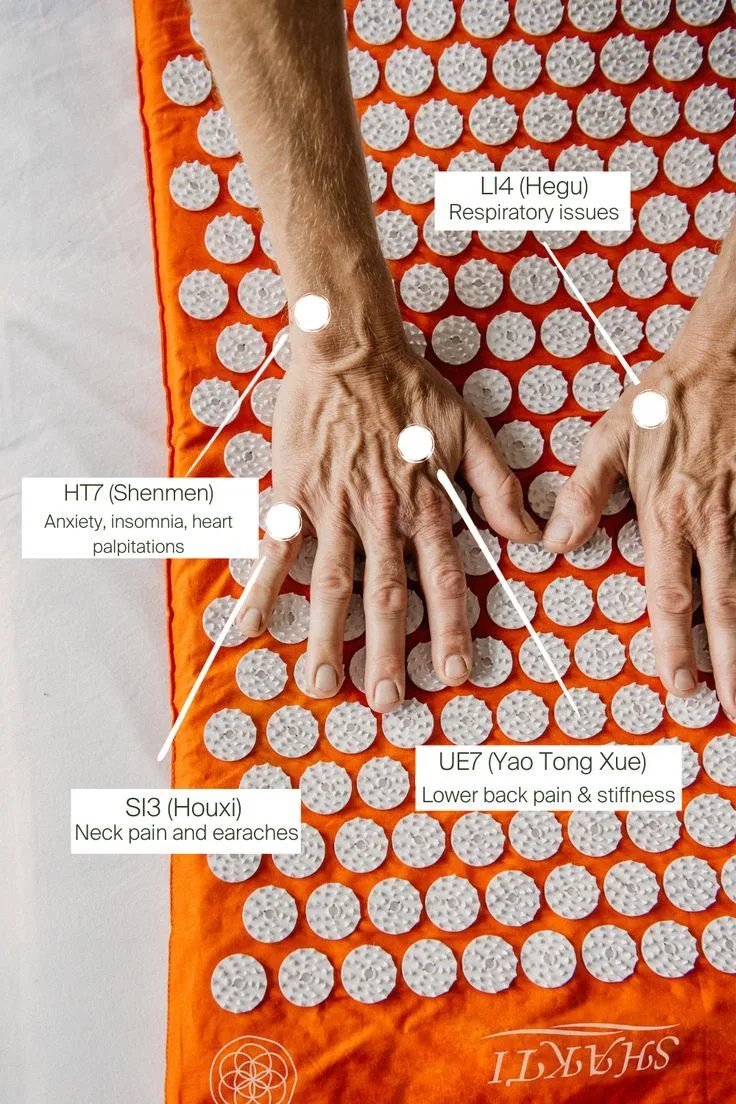
Image source: Web (Bing) / storage.googleapis.com (Web image (fair-use with source credit))
Common Beginner Mistakes That Cause Bruising or Anxiety
Ignoring pain signals is the fastest route to injury. Many users push through sharp sensations, assuming it’s part of the healing process. It isn’t.
Sharp pain indicates tissue trauma, not therapeutic release. Stop immediately if you feel stabbing discomfort.
Another frequent error is poor posture alignment. Lying with your head tilted back excessively strains the neck. Keep your chin slightly tucked to maintain spinal neutrality.
This simple adjustment prevents unnecessary tension in the upper trapezius muscles.
Skipping hydration before and after sessions also hinders progress. Water supports lymphatic drainage, which clears metabolic waste released during stimulation. Dehydrated tissues are less pliable and more prone to micro-tears.
Drink a full glass of water twenty minutes prior to use.
Finally, rushing the exit transition can cause dizziness. Standing up too quickly drops blood pressure suddenly. Roll onto your side first.
Pause for ten seconds. Then rise slowly. This mimics safe waking protocols used in clinical settings.
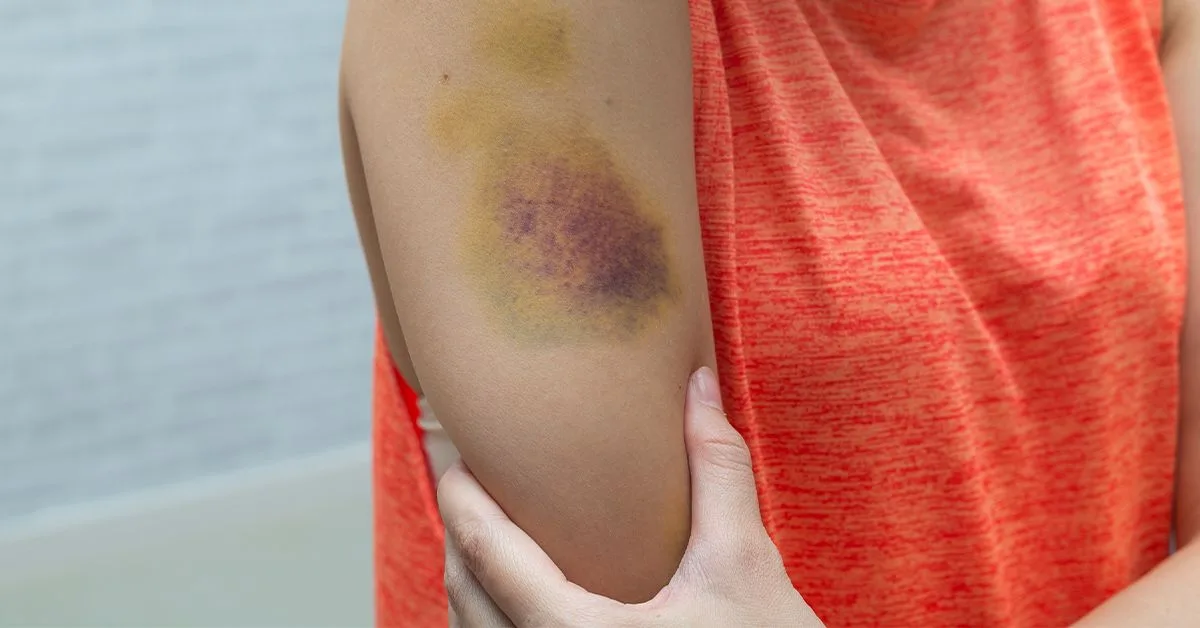
Image source: Web (Bing) / healthline.com (Web image (fair-use with source credit))
Aggregate user reviews consistently highlight these four errors as primary reasons for quitting early. Avoiding them extends your usability window significantly. Patience pays off here.
You’re training your nervous system, not breaking it.
When to Stop Using the Mat and Seek Professional Guidance
Persistent bruising beyond forty-eight hours warrants immediate cessation. Normal pink flushes fade quickly. Dark purple marks suggest capillary damage.
If they remain visible after two days, pause usage indefinitely. Consult a healthcare provider to rule out clotting disorders.
Chronic headaches following sessions indicate overstimulation. While mild relaxation responses are normal, severe migraines are not. These may signal vascular sensitivity or nerve compression issues.
Discontinue use until cleared by a neurologist. Don’t assume “more is better” with neurological triggers.
Skin breakdowns like blisters or raw patches require urgent attention. These signs point to friction burns or allergic reactions to materials. Switch to a cotton-covered mat variant if available.
If symptoms persist, stop entirely. Topical antibiotics might be necessary to prevent infection.
Dizziness that lasts longer than five minutes post-session is abnormal. Brief lightheadedness resolves rapidly. Extended vertigo suggests inner ear disturbances or blood pressure anomalies.
Seek medical evaluation promptly. Self-diagnosing these symptoms risks worsening underlying conditions.
Professional guidance ensures safety remains paramount. Acupressure mats are tools, not cures. Misuse can exacerbate existing health problems.
Listen to persistent warning signs rather than pushing through them. Your long-term health matters more than short-term gains.
Frequently Asked Questions
Can I sleep on an acupressure mat overnight?
No, sleeping on the mat is unsafe. Prolonged static pressure cuts off circulation. You risk serious tissue necrosis or nerve damage.
Limit sessions to active, monitored periods only. Never leave the mat unattended while asleep. Safety guidelines strictly prohibit extended wear.
How do I clean my acupressure mat properly?
Wipe spikes with disinfectant wipes after each use. Allow full air drying before storage. For deep cleaning, remove the cover if washable.
Hand-wash fabric components gently. Avoid submerging the foam base. Moisture trapped inside breeds mold and bacteria.
Regular hygiene prevents skin infections.
Is redness after use a bad sign?
Light pink flushing is normal and positive. It indicates increased blood flow to the area. However, bright red, hot, or swollen spots signal inflammation.
Differentiate between healthy vasodilation and injury response. Cool compresses help soothe excessive heat. Monitor color changes closely for trends.
What if I feel nothing after ten minutes?
Sensory adaptation varies individually. Some people have higher pain thresholds or thicker fascia layers. Increase duration gradually rather than intensity.
Ensure proper body weight distribution on the spikes. Consider trying a denser spike pattern later. Patience yields results over time.

Similar Posts