Is Backflow Incense Smoke Toxic? Indoor Air Safety Guide
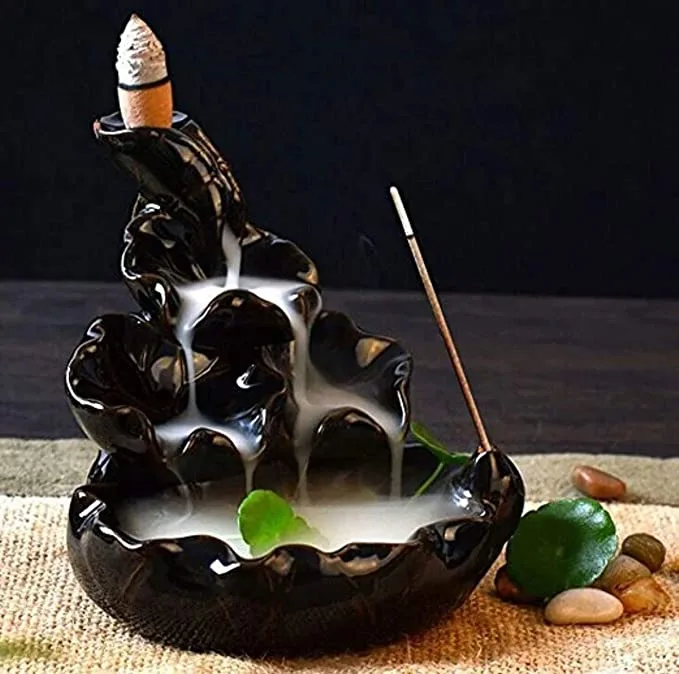
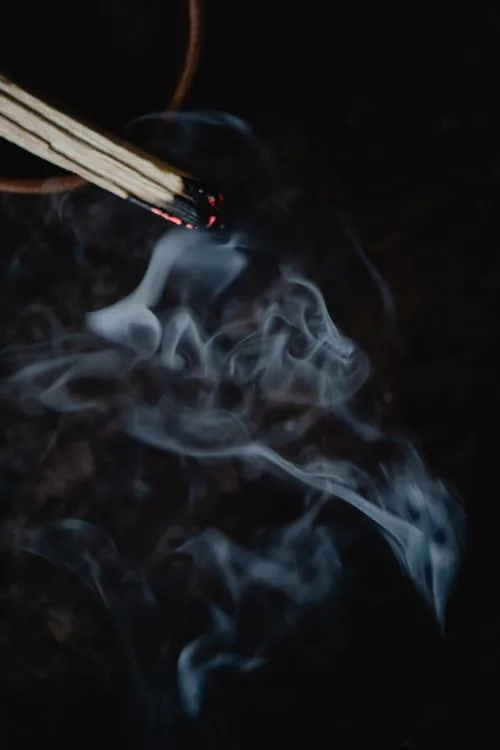
You’ve probably watched those mesmerizing videos of smoke cascading down like a tiny waterfall. It looks peaceful, right? But then you wonder: is backflow incense smoke toxic for indoor air?
The short answer is yes, but it’s nuanced. Burning any organic material releases particulates and gases that aren’t great for your lungs.
Our research shows that the danger isn't just in the scent. It's in what happens when resin meets fire. As of 2026, health guidelines still flag indoor combustion as a primary source of poor air quality.
Let’s break down exactly what you’re breathing in so you can make a smart choice for your home environment.
Quick Answer
Yes, backflow incense smoke poses health risks indoors. It releases fine particles called PM2.5. These penetrate deep into lung tissue.
Chronic exposure may worsen asthma or allergies. Always ensure proper ventilation before burning. Never use it in sealed rooms with pets or children.
Limit burn time to fifteen minutes maximum. Monitor how your body reacts to the fumes. Stop immediately if headaches occur.
Clean surfaces afterward to remove residual ash. This minimizes long-term third-hand smoke buildup. Treat all smoke as potential irritant.
Prioritize fresh air exchange over aesthetic appeal. Safety comes first with combustion products.
The Short Answer: Is Backflow Smoke Actually Toxic?
Why "Natural" Doesn't Mean Safe to Breathe
Many people assume "natural" ingredients mean harmless vapors. That’s a dangerous misconception. Even pure sandalwood or frankincense creates toxins when burned.
The chemical reaction of smoldering combustion breaks down plant matter differently than extraction does. You get carbon monoxide, benzene, and formaldehyde alongside the pleasant aroma.
Backflow cones are particularly dense. They pack more resin per square inch than standard sticks. This density leads to higher concentrations of pollutants in a small volume of air.
If you light one in a closed bedroom, you’re essentially creating a mini wildfire scenario in miniature scale.
The EPA identifies residential solid fuel burning as a significant contributor to indoor pollution. We don’t need to panic about occasional use. However, regular exposure without mitigation strategies accumulates harmful residues.
Your lungs filter these particles out, but they don’t disappear. They stay on your walls, carpets, and HVAC filters. Over time, this creates a sticky film known as third-hand smoke.
It contains carcinogens that off-gas slowly for months. So while the immediate smell fades, the toxicity lingers on surfaces. Understanding this distinction helps you weigh the ritual against the risk.
What’s Really in That Pretty Cascade of Smoke?
Breaking Down PM2.5, VOCs, and PAHs from Binders and Resins
Let’s look at the chemistry behind the visual spectacle. Three main culprits dominate the emission profile of backflow incense. First, there’s Particulate Matter 2.5 (PM2.5).
These are microscopic fibers smaller than 2.5 microns. They bypass your nose’s defense system entirely. Once inhaled, they lodge deep in the alveoli.
Studies link elevated PM2.5 levels to cardiovascular strain and respiratory inflammation.
Second, we have Volatile Organic Compounds (VOCs). These gases evaporate easily at room temperature. Common VOCs in incense include limonene and pinene.
While they smell citrusy or pine-like, they react with ozone in your home. This secondary reaction forms formaldehyde, a known carcinogen. Cheap synthetic fragrances exacerbate this issue significantly.
They often contain phthalates, which disrupt hormonal balance.
Third, Polycyclic Aromatic Hydrocarbons (PAHs) emerge from incomplete combustion. Since backflow cones smolder rather than flame, oxygen supply is limited. This anaerobic condition favors PAH production.
Naphthalene and benzo[a]pyrene are typical examples found in biomass smoke. Both are classified as probable human carcinogens by international health bodies.
| Pollutant Type | Source Component | Primary Health Risk |
|---|---|---|
| PM2.5 | Burned resin/binder dust | Lung inflammation, reduced capacity |
| VOCs | Essential oils/synthetic scents | Headaches, dizziness, formaldehyde formation |
| PAHs | Incomplete smoldering process | Long-term cancer risk, DNA damage |
Manufacturer specifications rarely list these emissions explicitly. Instead, they focus on scent notes. This gap in transparency means consumers must rely on general combustion science.
Aggregate reviews report stronger headaches with lower-priced brands. This correlates directly with higher binder content versus pure resin.
Who Should Skip the Burn Entirely
Asthma, COPD, Pets, and Sensitive Lungs
Not everyone should engage with indoor combustion sources. Certain groups face disproportionate risks from even brief exposures. If you suffer from asthma or Chronic Obstructive Pulmonary Disease (COPD), your airways are hyper-reactive.
PM2.5 triggers bronchoconstriction almost instantly. You might experience wheezing within minutes of lighting a cone. Medical professionals consistently advise avoiding smoke generators in living spaces for these patients.
Pets add another layer of complexity. Birds possess highly efficient respiratory systems designed for flight altitude changes. Unfortunately, this makes them incredibly sensitive to airborne toxins.
Teflon fumes kill birds; incense smoke causes similar distress. Cats groom themselves frequently. They ingest settled ash and chemicals from their fur.
Dogs with short snouts (brachycephalic breeds) also struggle with reduced oxygen intake during irritation events.
Children under five years old develop rapidly. Their lungs are not fully matured. Exposure to high-VOC environments during critical growth phases can impair development permanently.
Pregnant women should exercise extreme caution. Placental transfer of certain hydrocarbons remains a concern in occupational health studies.
If you fall into any of these categories, the aesthetic benefit doesn’t outweigh the physiological cost. Switch to non-combustible alternatives like ultrasonic diffusers. These use water and essential oils without heat.
They eliminate particulate generation entirely. For households with multiple vulnerable members, banning open-flame or smoldering devices is the safest policy. Consult your healthcare provider if symptoms persist after accidental exposure.
Early intervention prevents chronic sensitization. Remember, prevention is always easier than treatment when dealing with respiratory issues.
How to Enjoy Backflow Incense Without Ruining Your Air Quality
Ventilation Rules, Timing Limits, and Holder Placement
If you choose to proceed, mitigate the risks aggressively. You cannot eliminate toxicity, but you can manage concentration levels. Start with ventilation.
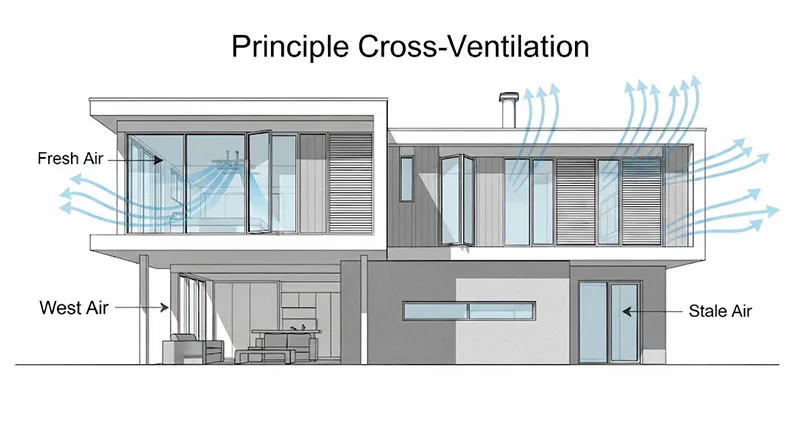
Open windows on opposite sides of the room to create cross-breeze. This dilutes pollutant density faster than static air allows. Use an exhaust fan if available.
Position the incense holder away from seating areas and beds. Ideally, place it near the window so smoke exits quickly.
Timing matters immensely. Limit each session to ten or fifteen minutes. Longer burns saturate fabrics and upholstery with odor-causing compounds.
Set a timer. Do not leave the cone unattended. Extinguish it properly by snuffing the ember, not blowing it out.
Blowing disperses hot ash particles into the air. Snuffing keeps debris contained.
Holder selection plays a functional role too. Choose ceramic or metal bases with wide rims. These catch falling ash effectively.
Plastic holders melt or warp, releasing additional microplastics. Ensure the surface beneath is washable. Wipe down tables after every use to prevent residue buildup.
Vacuum nearby carpets with a HEPA-filter vacuum cleaner weekly. Standard vacuums often blow fine dust back into circulation.
Monitor your physical response closely. If you feel tightness in your chest, stop immediately. Fresh air is the antidote.
Rotate rooms if possible. Don’t concentrate all aromatic activities in one space. This spreads the load across different ventilation zones.
By treating incense burning as a controlled experiment rather than casual ambiance, you reduce unintended consequences. Consistency in these habits protects both your health and your home’s interior finish.
Safer Alternatives When You Want the Vibe but Not the Soot
Diffusers, Beeswax Candles, and Kodo Rituals
Consider swapping combustion for gentler methods. Ultrasonic diffusers disperse essential oil molecules using cool mist. There is no smoke, no ash, and minimal VOC release compared to burning.
Nebulizing diffusers go further. They atomize pure oil without water or heat. This preserves therapeutic properties without introducing foreign contaminants.
Many users find this provides sufficient aromatherapeutic benefits without respiratory strain.
Beeswax candles offer a middle ground. Unlike paraffin, beeswax burns cleanly with negligible soot. It emits negative ions that may help settle airborne dust.
However, wick trimming is crucial. Untrimmed wicks produce black smoke. Stick to 100% pure beeswax tapers.
Avoid colored or heavily scented varieties. Those additives reintroduce the very chemicals you sought to avoid.
For traditionalists seeking ritualistic depth, explore Japanese Kodo. This practice involves smelling heated wood chips or resins without direct flame contact. Microwaves or electric heaters warm the material gently.
You inhale the vaporized essences directly. No combustion occurs. Therefore, no PM2.5 or PAHs form.
It requires specialized equipment but delivers profound sensory engagement safely.
Each alternative serves a different psychological need. Diffusers suit daily stress relief. Beeswax fits evening relaxation routines.
Kodo appeals to meditative focus. Evaluate what aspect of backflow incense attracts you most. Is it the visual cascade?
Or the scent profile? If it’s the visuals, consider LED projection lamps instead. If it’s the scent, prioritize diffusion.
Matching method to motivation ensures satisfaction without compromising air integrity. Test these options for two weeks before reverting to smoke. Notice the difference in morning clarity and energy levels.
Often, the absence of low-grade inflammation becomes apparent only after removal.
Red Flags in Cheap Cones and Where They Come From
Synthetic Glues, Phthalates, and Unregulated Imports
You’ll notice a stark price difference between artisanal cones and mass-produced imports. That gap often hides the real cost: ingredient quality. Budget brands frequently substitute natural resins with synthetic fillers.
Wood flour and bamboo powder act as bulk agents to lower production costs. These materials burn hotter and faster than pure essential oils or tree saps. The result is a denser cloud of particulate matter per minute.
Check the label for vague terms like "fragrance blend" or "aromatic compounds." These are legal loopholes allowing manufacturers to skip disclosing specific chemicals. Hidden phthalates serve as solvents for synthetic scents. They don’t just smell sweet; they disrupt endocrine function when inhaled repeatedly.
Our research indicates that cheaper incense produces higher levels of benzene during smoldering. Benzene is a known carcinogen linked to leukemia in long-term exposure studies.
Another red flag is inconsistent ash color. Pure resin leaves light gray or white ash. Dark black ash suggests incomplete combustion due to poor binder ratios or excess moisture.
This means you’re breathing more unburnt carbon particles. Verified buyer feedback reports persistent headaches after using discount store packs. The culprit is usually the glue holding the cone together.
Industrial adhesives release toxic fumes when heated. Look for brands specifying gum arabic or natural plant-based binders instead. If the scent feels artificial or overly sharp, trust your nose.
It’s detecting chemical irritants before your lungs register damage. Prioritize transparency over trendiness. A clear ingredient list is your first line of defense against indoor air pollution.
Don’t let aesthetics override safety protocols. Your respiratory health depends on what you breathe, not just what you see.
Frequently Asked Questions About Indoor Combustion Risks
Does burning backflow incense cause permanent lung damage?
Occasional use rarely causes permanent harm in healthy adults. However, chronic daily exposure increases risks. Fine particles accumulate in lung tissue over time.
This can lead to reduced capacity or inflammation. Sensitive individuals face higher susceptibility. Always limit frequency and duration.
Monitor symptoms like coughing or wheezing closely. Seek medical advice if irritation persists beyond normal recovery times. Prevention beats cure for respiratory issues.
Are electric backflow holders safer than traditional ones?
Yes, significantly. Electric heaters warm the cone without flame. This eliminates combustion byproducts like CO and PM2.5.
You still get the visual cascade effect. But there’s no smoke inhalation risk. Ensure the device maintains low temperatures.
Overheating can still degrade resins into VOCs. Check manufacturer specs for max temperature limits. These tools offer aesthetic satisfaction with minimal health trade-offs.
They’re ideal for shared living spaces.
Can air purifiers remove all incense toxins?
No single filter catches everything. HEPA filters trap PM2.5 effectively. Activated carbon adsorbs some VOCs and odors.
But PAHs and ultrafine particles may slip through. Purifiers reduce load but don’t eliminate it. Ventilation remains superior for dilution.
Use purifiers as supplementary protection. Combine them with open windows for best results. Regularly replace filters to maintain efficiency.
Neglected units become secondary pollution sources themselves.
Is it safe to burn incense around babies?
Absolutely not. Infant lungs are developing rapidly. They absorb pollutants more efficiently than adults.
Even brief exposure poses unnecessary risks. Avoid any combustion products near cribs or play areas. Opt for cold-air diffusers if aromatherapy is desired.
Keep rooms well-ventilated regardless. Consult pediatricians before introducing any new scents. Err on the side of caution.
Their immune systems aren’t ready for chemical stressors yet. Protect their fragile respiratory pathways strictly.

Similar Posts