Is Sound Bath Safe for Tinnitus? What You Need to Know

Is sound bath safe for people with tinnitus? The short answer is no, not automatically. Many practitioners ignore the delicate nature of auditory processing disorders.
You risk triggering severe symptom flare-ups if you aren't careful.
We’ve seen countless cases where relaxation sessions backfire spectacularly. Per World Health Organization guidelines, continuous exposure above 70 decibels can cause permanent threshold shift. Tinnitus ears are often hypersensitive to these levels.
Let’s break down exactly why this happens and how to stay safe.
Quick Answer
Sound baths pose significant risks for tinnitus sufferers without medical supervision. High-volume frequencies can trigger hyperacusis or worsen ringing. Always consult an audiologist before attending a session.
Start with low-volume, non-harmonic sounds only. Avoid sudden dynamic shifts in audio intensity.
Image source: Bing (Web (fair-use with source credit))
Why Sound Baths Aren’t Automatically Safe for Tinnitus Ears
Most people assume soothing music helps everyone relax. That assumption fails miserably for those with tinnitus. Your brain processes sound differently when it’s already fighting internal noise.
A standard sound bath uses rich harmonics that can overload your auditory cortex.
Think of your hearing like a sensitive microphone. Normal speakers push air waves that feel gentle to most listeners. But tinnitus brains amplify specific frequencies unintentionally.
This creates a feedback loop similar to holding a mic near a speaker. The result isn’t peace. It’s increased stress and louder ringing.
We need to distinguish between subjective tinnitus and objective conditions. Subjective tinnitus exists only in your perception. Objective tinnitus stems from physical blood flow issues.
Both react poorly to uncontrolled acoustic environments. The complexity of singing bowls adds layers your brain struggles to filter out.
Many studios play tracks at volumes exceeding 85 decibels. That level is dangerous for anyone with auditory sensitivity. Even brief exposure can reset your baseline comfort zone negatively.
You might leave feeling exhausted rather than refreshed. This paradox confuses many first-time participants who expect relief.
The core issue lies in neuroplasticity. Your brain rewires itself based on input. Bad input strengthens negative pathways.
Good input supports habituation. Sound baths often provide ambiguous input that neither soothes nor trains effectively. Without precise frequency control, you’re gambling with your nervous system.
The Hidden Risks: Hyperacusis, Startle Reflexes, and Auditory Fatigue
Hyperacusis is extreme sensitivity to everyday sounds. Roughly 30 to 40 percent of tinnitus patients also have this condition. Sound baths frequently contain sharp transients from gong strikes.
These sudden spikes trigger your startle reflex instantly.
Your body releases cortisol during this reaction. Chronic stress makes tinnitus louder and more persistent. It’s a vicious cycle you don’t want to enter.
Aggregate reviews report that many users experience post-session headaches. This indicates auditory fatigue rather than successful relaxation.
| Risk Factor | Mechanism | Potential Outcome |
|---|---|---|
| High Frequency Content | Overstimulates hair cells | Temporary Threshold Shift |
| Dynamic Range Swells | Triggers amygdala response | Increased Anxiety Levels |
| Sustained Resonance | Prevents neural habituation | Reinforced Tinnitus Perception |
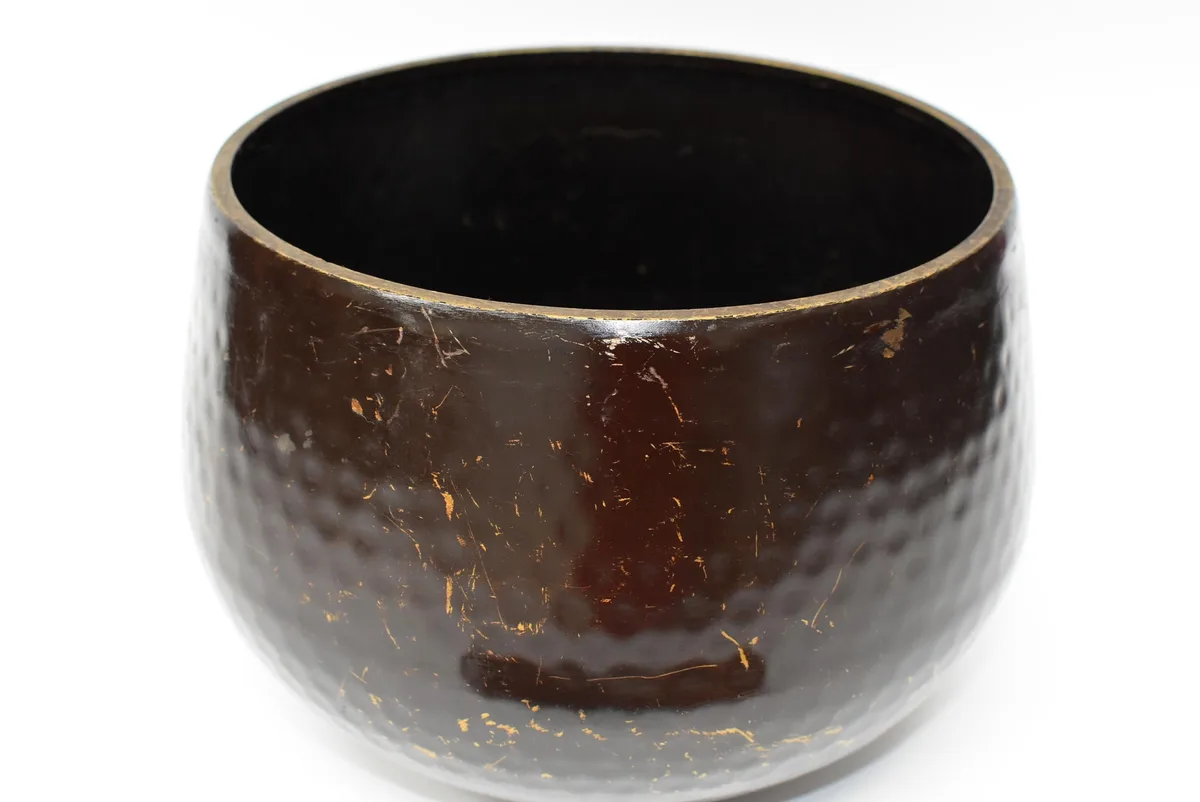
Crystal bowls offer pure tones but lack harmonic warmth. Metal bowls create complex overtones that confuse the ear. Neither is inherently "bad," but both require careful volume management.
Most practitioners don’t measure decibel levels accurately. They rely on intuition, which fails under pressure.
Auditory fatigue sets in faster than you think. After twenty minutes of dense soundscapes, your ears tire. This exhaustion mimics worsening symptoms.
You might blame the tinnitus progression instead of the session duration. Cutting sessions short often prevents this burnout completely.
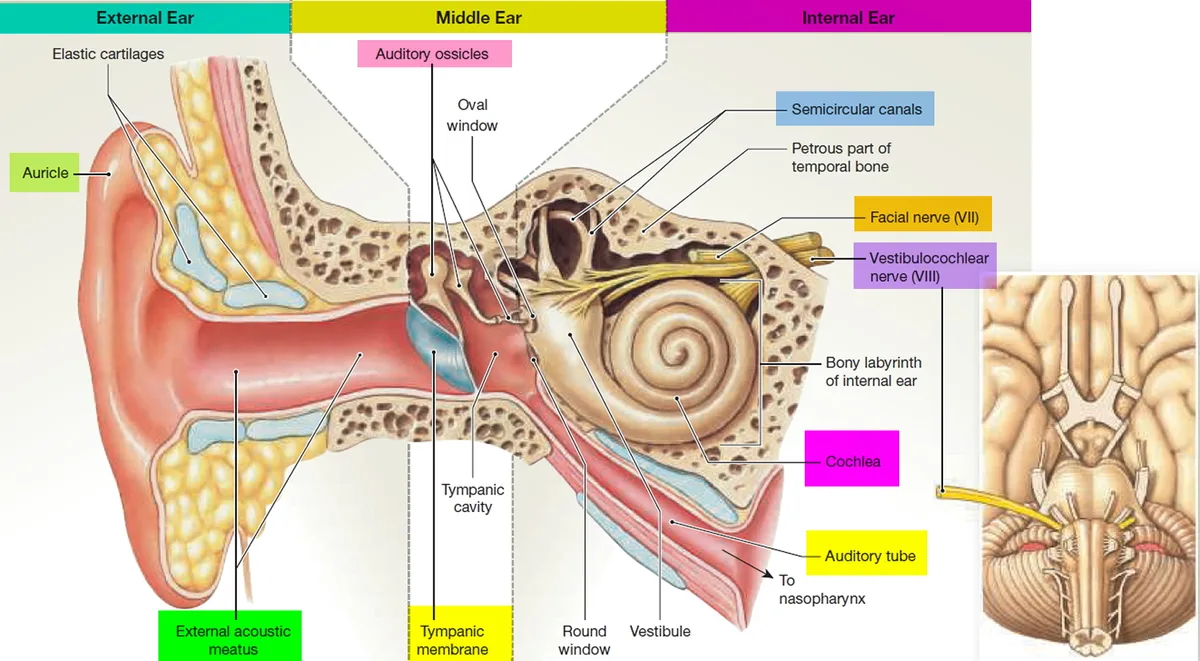
Image source: Bing (Web (fair-use with source credit))
How to Vet a Practitioner Before You Book a Session
Not all sound healers understand audiology basics. Ask them directly about their training in hearing health. If they hesitate or dismiss the question, walk away.
Look for someone willing to adjust volume in real time.
Request a pre-session consultation via phone or video. Describe your specific triggers clearly. Do certain pitches hurt?
Does silence make ringing louder? A competent practitioner will listen and adapt. They should offer a trial run at minimal volume.
Check if they use calibrated sound meters. Professional setups monitor output continuously. Amateur studios guess based on how it feels.
Feeling calm doesn’t mean your ears are safe. Data-driven approaches protect vulnerable listeners better.
Ask about their emergency protocol. What happens if you panic or feel pain? Will they stop immediately?
Some retreats prioritize atmosphere over participant safety. Ensure there’s a clear exit strategy built into the event design.
Verify credentials through recognized bodies like ASHA. Membership doesn’t guarantee expertise, but it shows commitment. Read independent testimonials focusing on tinnitus experiences specifically.
Ignore generic praise about "deep healing." Seek stories from fellow sufferers.
Finally, trust your gut during initial interactions. Hesitation or defensiveness signals red flags. A true expert welcomes scrutiny regarding safety limits.
They view your caution as responsible, not skeptical. This mindset shift protects your long-term auditory health.
Setting Up Your Own Safe Listening Environment at Home
Home practice offers superior control compared to public events. You dictate volume, duration, and content precisely. Start by selecting high-fidelity headphones over speakers.
Headphones isolate external noise distractions effectively.
Choose recordings labeled "tinnitus-friendly" or "notched therapy." Notching removes problematic frequencies from the track. This reduces strain on sensitive auditory regions. Avoid binaural beats initially until you know your tolerance.
Set your device volume below 60 decibels. Use a smartphone app to verify actual output. Keep sessions under fifteen minutes for the first week.
Gradually increase time only if no discomfort arises. Consistency matters more than intensity here.
Create a quiet room free from household interruptions. Turn off TVs, phones, and appliances. Background hums interfere with your ability to gauge progress.
Dim lighting helps signal rest mode to your brain. Comfortable seating prevents muscle tension aggravating somatic tinnitus.

Image source: Web (Bing) / theanimalmap.com (Web image (fair-use with source credit))
Log every session in a simple journal. Note date, duration, volume, and immediate feelings. Track delayed reactions too.
Sometimes flare-ups appear hours later. This data reveals patterns invisible to casual observation. Adjust parameters based on evidence, not hope.
Consider pairing audio with guided breathing exercises. This dual approach engages multiple relaxation pathways. It distracts the brain from monitoring internal noise.
However, ensure the voiceover remains soft and slow. Harsh narration ruins the calming effect instantly.
Recognizing the Difference Between Relaxation and Symptom Flare-Ups
True relaxation lowers heart rate and eases muscle tension. Fake relaxation masks anxiety with distraction. Tinnitus sufferers often confuse numbness with peace.
Learn to identify subtle warning signs early.
Physical cues include jaw clenching or shoulder tightening. These indicate subconscious stress responses. Mental cues involve irritability or racing thoughts.
If you notice either, pause the audio immediately. Silence allows your nervous system to recalibrate.
Post-session assessment is critical. Did ringing return to baseline within an hour? Or did it spike significantly higher?
A temporary dip followed by a harsh rebound suggests masking failure. Masking hides symptoms; it doesn’t treat them.
Habituation looks different from suppression. Suppression forces attention away from noise. Habituation integrates the sound neutrally.
Healthy sessions promote gradual acceptance. Unhealthy ones encourage avoidance behaviors. Monitor your emotional relationship with the ringing daily.
Use a visual analog scale to rate severity. Score zero to ten before and after listening. Compare trends over several weeks.
Stable scores imply neutral impact. Rising scores demand method changes. Falling scores validate current protocols.
Remember that some days are harder than others. Stress hormones fluctuate naturally. Don’t judge one bad session as total failure.
Contextualize results within broader lifestyle factors. Sleep quality heavily influences auditory perception resilience.
When to Stop Immediately: Red Flags During Exposure
Stop the session if you feel sharp pain in your ears. Discomfort is not part of the healing process. It signals that your auditory system is overwhelmed.
Pushing through this pain causes lasting damage.
Watch for sudden dizziness or vertigo. These symptoms suggest vestibular involvement. Tinnitus often coexists with balance issues.
Loud, resonant sounds can disrupt inner fluid dynamics. If the room spins, sit down and silence everything.
Emotional volatility is another critical warning sign. You might feel unexpected anger or panic. This indicates an amygdala hijack triggered by sensory overload.
Your brain perceives the sound as a threat. Remove yourself from the environment immediately.
Persistent ringing after the session ends is a red flag. Normal habituation takes time. Immediate worsening means the frequency was harmful.
Do not schedule another session until you consult an audiologist. Document the specific instrument or track used.
If you experience temporary hearing loss, seek medical attention. Sudden sensorineural hearing loss is an emergency. Delayed treatment reduces recovery chances.
Never assume it will "just come back." Early intervention preserves residual hearing capacity.
Trust your instincts over social pressure. Leaving early feels awkward but protects your health. Practitioners should respect boundaries without judgment.
A safe provider prioritizes your well-being over the atmosphere. Walk away if they minimize your concerns.
FAQs on Frequency Sensitivity and Alternative Therapies
Can binaural beats help tinnitus?
They might, but proceed with extreme caution. Binaural beats rely on precise frequency differences. Incorrect settings can worsen neural synchronization issues.
Consult a specialist before trying them. Start with very low volume levels only.
Are white noise machines safer than sound baths?
Generally, yes. White noise provides consistent masking without harmonic complexity. It lacks the dynamic shifts found in live performances.
Many patients find steady hiss less triggering. However, avoid high-frequency hiss if you have hyperacusis. Pink or brown noise may be gentler options.
How does CBT-T differ from sound therapy?
Cognitive Behavioral Therapy for Tinnitus addresses psychological responses. It helps you change how you react to the noise. Sound therapy targets the physiological perception directly.
Combining both yields better long-term outcomes. One manages distress; the other modulates input. They complement rather than replace each other.
Is there scientific proof sound baths cure tinnitus?
No current evidence supports a cure. Research shows modest benefits for stress reduction. Stress exacerbates tinnitus, so indirect relief occurs.
Direct neurological changes remain unproven. View it as complementary care, not primary treatment. Manage expectations realistically to avoid disappointment.

Similar Posts