What is Communist Manifesto About: Revolutionary Insights
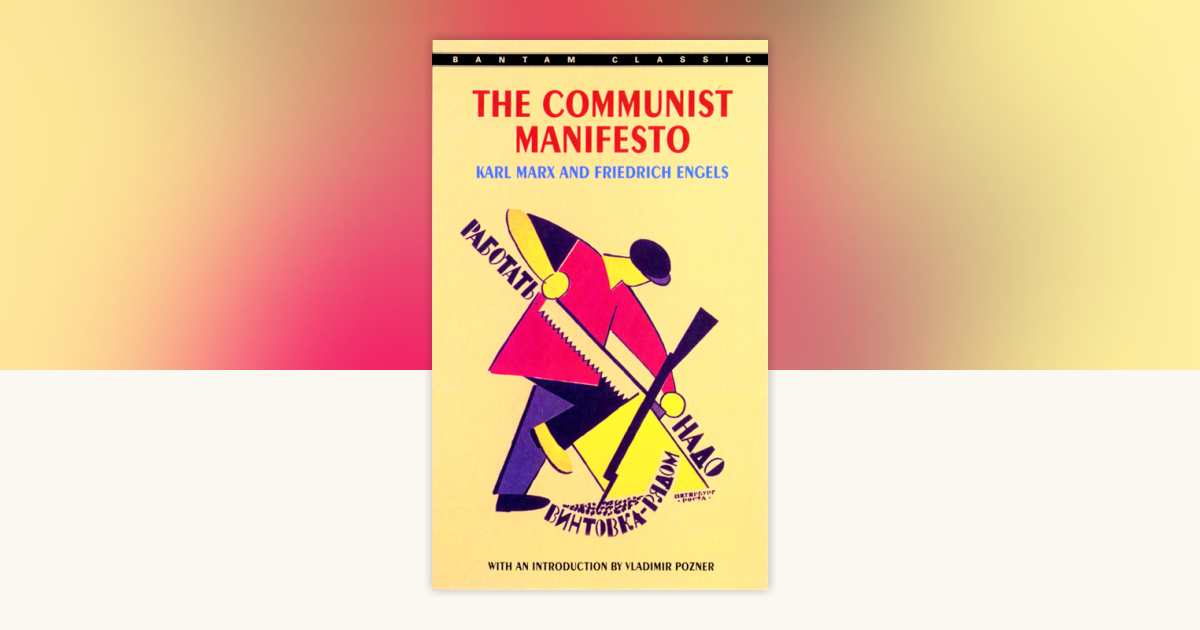
Have you ever wondered what the Communist Manifesto is really about? This famous text has shaped history and sparked debates for over a century.
But what does it actually say, and why should you care? Whether you’re curious about politics, history, or social change, understanding this document can give you new insights into the world around you. Keep reading, and you’ll discover the core ideas that continue to influence millions of people today.
Origins Of The Manifesto
The origins of the Communist Manifesto trace back to a time of great social and economic change. It reflects the struggles and ideas that shaped modern political thought. Understanding its beginnings helps us grasp its impact and meaning.
Historical Context
The Communist Manifesto was written in 1848, a year marked by political upheaval across Europe. Industrialization was changing how people worked and lived. Many workers faced poor conditions and low wages. These issues caused unrest and calls for reform.
At this time, monarchies and aristocracies still held power. The rising middle class and working class began to demand more rights. This tension created a fertile ground for new political ideas. The manifesto captured this moment of conflict and hope for change.
Authors And Influences
The manifesto was written by Karl Marx and Friedrich Engels. They were thinkers who studied history, economics, and society. Marx focused on how economic forces shape human life. Engels helped by providing support and ideas from his experience.
Their work drew from earlier thinkers like Hegel and French socialists. They combined these ideas with observations of the industrial age. Their goal was to explain class struggles and predict a future revolution. Their partnership created a powerful and clear message.

Credit: books.apple.com
Core Ideas
The Communist Manifesto presents several core ideas that shape its message. These ideas explain how society works and what changes the authors believe are needed. Understanding these key points helps readers grasp the manifesto’s purpose and vision for the future.
Class Struggle
The manifesto says history is a story of class struggle. Society divides into groups with opposing interests. The main conflict is between the ruling class and the working class. This struggle drives social change and shapes political events.
Abolition Of Private Property
One key idea is ending private ownership of land and factories. The manifesto argues private property creates inequality. It suggests that goods and resources should be shared by all. This change aims to stop exploitation and bring fairness.
Role Of The Proletariat
The proletariat means the working class. The manifesto sees them as the group that can change society. It calls on workers to unite and rise against the ruling class. Their goal is to create a society without class divisions.
Structure Of The Text
The structure of the Communist Manifesto shapes its powerful message. It divides the ideas into clear parts. Each part builds on the last to explain the theory and goals of communism. The text is short but packed with meaning. Readers find it easy to follow the flow of arguments. This organization helps make the manifesto both persuasive and memorable.
Introduction And Purpose
The manifesto begins with a strong introduction. It states the purpose clearly: to expose the problems in society caused by class struggles. The authors set the tone by declaring the need for change. They explain who the manifesto is for—workers around the world. This section prepares readers for the arguments that follow.
Main Arguments
The middle section lays out the core ideas. It discusses history as a series of class conflicts. The text explains how capitalism creates inequality. It shows how the bourgeoisie control wealth and power. The manifesto argues that this system will eventually collapse. This part gives facts and reasoning to support the call for communism.
Calls To Action
The final part urges workers to unite and act. It calls for a revolution to overthrow the capitalist system. The text encourages solidarity among the working class worldwide. It outlines steps to build a new society based on equality. This section inspires readers to become active participants in change.

Credit: www.youtube.com
Impact On Revolutions
The Communist Manifesto has left a deep mark on many revolutions. It challenged old systems and inspired people to fight for change. Its ideas about class struggle and equality gave new energy to uprisings worldwide. The manifesto shaped movements that sought to end oppression and build fairer societies.
European Uprisings
The manifesto played a key role in the 1848 European revolts. Workers and peasants rose against kings and nobles. They demanded better rights and fairer work conditions. The manifesto’s call for unity among workers gave these protests a clear voice. It helped spread ideas of socialism and equality across Europe.
Its influence was visible in countries like France, Germany, and Italy. Protesters used the manifesto to critique wealth and power gaps. Though many uprisings were crushed, they planted seeds for future change. The manifesto became a symbol of hope for the oppressed.
Global Influence
The Communist Manifesto did not stay in Europe. It inspired revolutions and movements across the world. Leaders in Asia, Latin America, and Africa found its message powerful. They used it to challenge colonialism and unfair governments.
Its ideas influenced major events like the Russian Revolution of 1917. The manifesto’s vision helped shape new governments focused on workers’ rights. It also inspired smaller movements fighting inequality everywhere. Its global reach proved the strength of its call for justice.
Critiques And Controversies
The Communist Manifesto has sparked many debates and strong opinions. Its ideas challenge traditional views on society, economy, and politics. Critics often question its practicality and effects on nations. This section explores key critiques and controversies surrounding the manifesto.
Economic Feasibility
The manifesto calls for the abolition of private property. Critics argue this disrupts incentives for innovation and hard work. Critics say planned economies often struggle to allocate resources efficiently. This can lead to shortages and reduced productivity.
Some economists note that communism ignores human nature’s drive for personal gain. The lack of competition may reduce motivation. This can slow down economic growth and technological progress. Historical attempts at communism often resulted in economic stagnation.
Political Repercussions
The manifesto promotes a classless society through revolutionary means. This idea has caused political unrest in many countries. Critics warn it can lead to authoritarian regimes. Power may concentrate in the hands of a few leaders instead of the people.
Many governments that adopted communist ideas faced violent conflicts. Civil liberties and political freedoms were often suppressed. Critics highlight the gap between the manifesto’s ideals and political realities. The history of communism shows challenges in implementing its principles fairly.
Legacy Today
The Communist Manifesto’s impact stretches far beyond its 19th-century origins. Its ideas continue to shape political debates and movements worldwide. Understanding its legacy today helps you see how its principles influence both governments and grassroots activism.
Modern Political Movements
Many political groups still draw inspiration from the Communist Manifesto’s call for social equality and workers’ rights. You might notice its influence in socialist parties, labor unions, and anti-capitalist organizations.
These groups often emphasize:
- Reducing income inequality
- Challenging corporate power
- Promoting collective ownership or cooperative models
Even if you don’t identify with these movements, their efforts affect policies and discussions in your community. Have you ever wondered why debates about wealth distribution remain so heated?
Continuing Relevance
The manifesto’s critique of capitalism still resonates in today’s global economy. Issues like job insecurity, wage gaps, and market crashes echo the problems Marx and Engels highlighted.
Think about the 2008 financial crisis or the rising gig economy. These events raise questions about who truly benefits from economic growth.
By reflecting on the manifesto’s ideas, you can better understand these challenges. It encourages you to ask: How can societies create fairer systems that work for everyone?
Credit: www.haymarketbooks.org
Frequently Asked Questions
What Is The Communist Manifesto About?
The Communist Manifesto explains the goals and ideas of communism. It critiques capitalism and advocates for a classless society where workers control production.
Who Wrote The Communist Manifesto?
Karl Marx and Friedrich Engels co-wrote the Communist Manifesto. They published it in 1848 to promote their socialist ideas.
Why Is The Communist Manifesto Important Today?
It remains important as it influences political thought and debates about economic inequality and social justice worldwide.
What Are The Main Ideas In The Communist Manifesto?
The manifesto highlights class struggle, the abolition of private property, and the need for a proletarian revolution.
Conclusion
The Communist Manifesto explains the ideas behind communism. It talks about class struggles and social change. The book wants workers to unite for fairness. It shows how society might change with equal rights. Many people read it to understand history and politics.
Its message still influences debates today. Knowing its main points helps us see past conflicts. This short text offers a clear view of a big idea. It invites readers to think about fairness and power.

Similar Posts