What Widespread Belief was at the Heart of Manifest Destiny: Divine Expansion
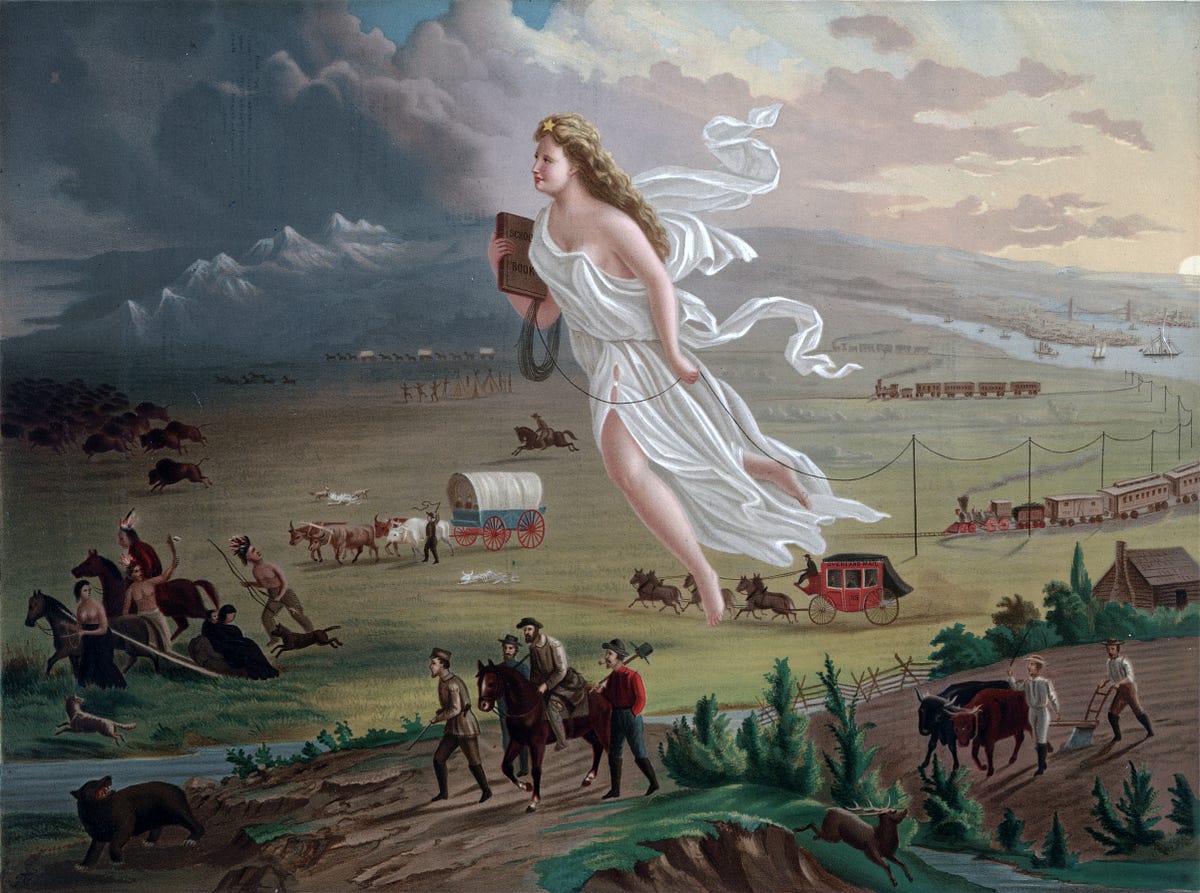
Have you ever wondered what fueled one of the most powerful ideas in American history? The belief at the heart of Manifest Destiny wasn’t just about land or politics—it was something deeper that shaped the nation’s future.
Understanding this widespread belief can change the way you see America’s past and its impact on today. Keep reading to uncover the truth behind Manifest Destiny and why it mattered so much to your country’s story.

Credit: goodfaithmedia.org
Roots Of Manifest Destiny
The roots of Manifest Destiny trace back to early ideas about America’s growth. Many Americans believed their nation had a special mission. This mission was to expand across the continent. This belief shaped the country’s actions and policies for decades.
Manifest Destiny was more than just land hunger. It was a vision tied to culture, religion, and national identity. This vision made expansion seem natural and necessary. It gave many people a sense of purpose and destiny.
Early American Expansionism
From the start, Americans looked westward. The 1803 Louisiana Purchase doubled the country’s size. Settlers moved into new territories quickly. Land symbolized freedom and opportunity.
Expansion was linked to economic hopes. Farmers wanted fertile soil. Traders sought new markets. The idea of manifest destiny encouraged moving forward. It made growth seem inevitable and good.
Cultural And Religious Influences
Many Americans believed they had a divine right to spread their culture. They saw their way of life as superior. This belief was tied to Protestant Christianity.
People thought they were spreading civilization and faith. They felt responsible for bringing progress to “uncivilized” lands. This mix of culture and religion made expansion a moral duty. It gave deep meaning to Manifest Destiny.
Divine Justification
The idea of Divine Justificationwas central to the belief in Manifest Destiny. Many Americans saw their westward expansion as more than just a political or economic effort—it was a sacred duty. This belief gave their actions a sense of higher purpose, shaping the nation’s mindset as it grew.
Role Of Religion In Expansion
Religion played a powerful role in encouraging expansion. Many settlers believed that God had chosen them to spread their values and civilization across the continent.
This belief gave them confidence and motivation, even in the face of hardship. You might ask yourself: how often do you feel driven by a cause that feels divinely inspired?
Churches and religious leaders often supported Manifest Destiny, framing it as a mission to bring order and faith to new lands. This spiritual backing made the idea of expansion feel both just and inevitable.
Manifest Destiny As A Moral Mission
People saw Manifest Destiny as a moral mission, not just a political one. They believed spreading American ideals like democracy and freedom was a way to improve the world.
This belief justified actions that today might seem harsh or unfair. It’s important to recognize how a moral mission can sometimes cloud judgment and lead to unintended consequences.
Have you ever committed to a cause so strongly that you overlooked its flaws? Understanding this helps you see how Manifest Destiny’s divine justification influenced decisions and actions in American history.
Key Figures And Voices
Key figures and voices shaped the belief at the heart of Manifest Destiny. Their views gave strength to the idea that the United States was meant to expand across the continent. These leaders helped spread the message that American growth was both inevitable and righteous.
They used their influence to support expansion. Their words inspired many Americans to believe in this national mission. The voices from politics and religion played central roles in defining and promoting Manifest Destiny.
Political Leaders’ Perspectives
Political leaders saw Manifest Destiny as a path to national greatness. They believed expanding the country would bring economic growth and security. Presidents and lawmakers supported new territories joining the Union. They argued this growth was the country’s right and duty.
Leaders like President James K. Polk pushed for westward expansion. Polk’s policies led to the annexation of Texas and the Oregon Territory. Many politicians spoke about spreading democracy and freedom. They claimed it was America’s mission to bring progress to new lands.
Religious Leaders’ Endorsements
Religious leaders also backed Manifest Destiny. They saw expansion as a divine plan. Many believed God wanted Americans to spread Christianity. Preachers used sermons to encourage settlers to move west.
They taught that it was a moral duty to civilize and convert Native Americans. Churches often supported the idea of American cultural and spiritual growth. This religious approval made Manifest Destiny feel like a sacred cause.
Impact On Native Populations
The belief at the heart of Manifest Destiny—that Americans were destined to expand across the continent—had profound consequences for Native populations. This idea justified actions that deeply affected indigenous communities, reshaping their lives and futures. Understanding this impact challenges you to consider the real cost behind historical progress.
Displacement And Conflict
Native peoples were forced off their ancestral lands to make way for settlers. This displacement wasn’t peaceful; it sparked violent conflicts that often ended in tragedy for Native communities.
Take the Trail of Tears, where thousands of Cherokee were removed from their homes under harsh conditions. Such forced relocations uprooted families and destroyed established ways of life.
Have you ever thought about what losing your home means beyond just physical space? For Native Americans, it meant losing identity and security.
Cultural Consequences
Beyond land loss, Native cultures faced serious threats. The expansion brought policies aiming to erase indigenous languages, traditions, and beliefs.
Children were taken from their families and placed in boarding schools designed to “Americanize” them. This caused long-term damage to cultural continuity.
Imagine being forced to abandon your language and customs in order to survive. How would that affect your sense of self and community?
Expansion And American Identity
The idea of expansion was central to American identity in the 19th century. People believed the United States had a special role to grow across the continent. This belief shaped how Americans saw themselves and their future. It was more than just land. It was about spreading values and culture.
Many saw expansion as a way to show strength and progress. It became part of the national story. This shaped laws, politics, and the way people thought about their country.
Shaping National Character
Expansion helped define what it meant to be American. It built a sense of pride and purpose. People believed in hard work and bravery to settle new lands. This belief created a spirit of adventure and hope.
Americans thought they were chosen to spread freedom and democracy. This idea influenced many aspects of life, from culture to politics. It also caused people to view the country as destined to grow larger.
Long-term Effects On U.s. Policy
The belief in expansion affected U.S. policies for many years. It led to actions like buying new territories and fighting wars. The government focused on moving west and gaining more land.
This mindset influenced foreign policy and relations with other countries. It also impacted Native American tribes and their lands. Expansion shaped the future path of the United States in many ways.

Credit: medium.com
Credit: mronline.org
Frequently Asked Questions
What Was The Core Belief Behind Manifest Destiny?
The core belief was that the United States was destined to expand across North America. This idea justified territorial growth and was seen as a divine right.
How Did Manifest Destiny Influence American Expansion?
Manifest Destiny motivated settlers and politicians to acquire new lands. It fueled westward migration and led to the annexation of vast territories.
Why Was Manifest Destiny Considered A Widespread Belief?
Many Americans believed it was their duty to spread democracy and civilization. This belief united citizens in support of expansionist policies.
Did Manifest Destiny Affect Relations With Native Americans?
Yes, it led to displacement and conflict with Native tribes. Expansion often ignored indigenous rights, causing significant cultural and territorial losses.
Conclusion
The belief in Manifest Destiny shaped America’s path forward. It held that the nation must expand across the continent. This idea drove many to seek new lands and opportunities. People saw this as a duty and a right. It fueled growth but also caused conflicts with others.
Understanding this belief helps explain key events in U. S. History. It shows how ideas can change a country’s future. Manifest Destiny remains a clear example of that power.

Similar Posts