What is the Communist Manifesto: A Bold Guide to Its Impact
Have you ever wondered what the Communist Manifesto really is and why it still sparks so much debate? This short but powerful book changed history and shaped political ideas around the world.
Understanding it can give you a clearer view of how societies have tried to change and what ideas drive those changes. You’ll discover the key points of the Communist Manifesto and why it remains important today. Keep reading to unlock the secrets behind one of the most influential texts ever written.

Credit: www.amazon.com
Origins Of The Communist Manifesto
The origins of the Communist Manifestoreveal much about the turbulent times that shaped its creation. Understanding where it came from helps you grasp why it made such an impact. This section uncovers the minds behind the document and the world they lived in.
Authors And Historical Context
The Communist Manifesto was written by Karl Marx and Friedrich Engels in 1848. Both were deeply involved in political activism and shared a vision for a society without class divisions.
The mid-19th century was marked by rapid industrialization and social unrest across Europe. Workers faced harsh conditions, and a growing gap between rich and poor caused widespread frustration.
This environment fueled Marx and Engels’ desire to challenge the existing order. They aimed to inspire change by exposing the struggles of the working class.
Purpose And Initial Reception
The manifesto’s main goal was to unite workers worldwide and promote the idea of overthrowing capitalist systems. It called for collective action to establish a classless society.
At first, the document reached only a limited audience, mostly intellectuals and political activists. However, its powerful message quickly spread through secret groups and labor organizations.
Have you ever wondered why some ideas catch fire while others don’t? The manifesto’s timing and clear call to action helped it resonate with many people ready for change.
Core Ideas And Themes
The Communist Manifesto is packed with powerful ideas that challenge how societies are structured. Its core themes dig deep into the forces shaping history and the way people live together. Understanding these ideas can change how you see the world and your role in it.
Class Struggle And Social Change
The manifesto centers on the idea that history is driven by conflict between social classes. It explains how those who control resources and those who do not are often in tension. This ongoing struggle pushes societies to change over time.
Think about your own community. Are there clear divides between groups based on wealth or power? This conflict isn’t just historical—it’s happening around you right now.
Critique Of Capitalism
The authors criticize capitalism for creating inequality and exploiting workers. They argue that capitalism benefits a few while many suffer from poor conditions and little control over their work. This system, they say, leads to cycles of boom and bust that harm everyone.
If you’ve ever felt stuck in a job that doesn’t value your effort, this critique might resonate. It asks you to consider who really gains from the work you do each day.
Vision Of A Classless Society
The manifesto envisions a future where class divisions disappear entirely. In this society, resources and power are shared equally, and everyone has a fair chance to thrive. It promises freedom from exploitation and a community built on cooperation.
Imagine living in a place where your opportunities aren’t limited by your background or wealth. How would that change your goals and actions?
Key Concepts Explained
The Communist Manifesto introduces several key ideas that challenge how societies organize themselves. Understanding these concepts helps you grasp the core message Marx and Engels wanted to deliver. Let’s break down the most important ones so they become clear and relevant to your everyday perspective.
Bourgeoisie And Proletariat
The manifesto divides society mainly into two groups: the bourgeoisieand the proletariat. The bourgeoisie are the owners of factories, land, and capital—basically, those who control wealth and production.
The proletariat, on the other hand, are the workers who sell their labor to survive. Think about your own job: do you own the tools and materials, or do you use someone else’s to get paid? This division creates constant tension because the bourgeoisie profits from the labor of the proletariat.
Historical Materialism
Historical materialism is the idea that history moves forward based on material conditions, especially economic factors. It means that how people produce goods shapes society, laws, and politics.
Look at how technology or industry changes your community—these shifts influence social relationships and power. Marx believed these changes aren’t random but follow patterns driven by conflicts between classes.
Revolutionary Role Of The Working Class
The manifesto argues that the working class must lead a revolution to overthrow the bourgeoisie. This isn’t just about protests; it’s about changing the entire system of ownership and control.
Imagine workers uniting worldwide to claim ownership of what they produce. What would your role be if you joined such a movement? The manifesto suggests this is the only way to end exploitation and build a fairer society.

Credit: www.amazon.com
Global Impact And Influence
The Communist Manifesto has left a lasting mark on the world. Its ideas shaped political landscapes beyond its origin. The text influenced many countries and social groups. It sparked debates and movements with global reach. Understanding its global impact helps us see how ideas spread and change societies.
Effect On 19th And 20th Century Politics
The manifesto challenged existing political systems in Europe. It inspired revolutions and workers’ movements across many nations. Governments faced pressure to address inequality and labor rights. Socialist and communist parties formed and gained power. The text shaped policies and alliances during turbulent times.
Inspiration For Socialist Movements
The manifesto gave voice to the working class worldwide. It called for unity among workers to fight exploitation. Many socialist movements adopted its ideas as a foundation. They pushed for social reforms and better working conditions. Its message spread through rallies, publications, and speeches.
Legacy In Modern Political Thought
The manifesto still influences political discussions today. It raises questions about capitalism and social justice. Modern thinkers debate its relevance in current economies. Some policies reflect its call for equality and shared wealth. It remains a key reference in understanding political ideologies.
Controversies And Criticism
The Communist Manifesto has sparked intense controversies and criticism since its publication. It challenges existing social and economic systems, which naturally invites strong reactions. Understanding these debates helps you see why it remains a powerful yet divisive text today.
Debates On Feasibility And Ethics
Many critics question whether the manifesto’s vision of a classless society is practical. Could a society function without private property or competition? Some argue that such ideas ignore human nature and incentives.
Ethically, the call for revolutionary change raises tough questions. Is it right to overthrow existing governments, even if they are unjust? You might wonder where the line is between necessary reform and harmful upheaval.
Misinterpretations And Misapplications
The manifesto’s ideas have often been misunderstood or twisted. Some regimes claiming to follow Marxist principles ended up creating authoritarian states instead of the promised utopia.
This shows how powerful texts can be misused when taken out of context. It makes you think about how important it is to critically evaluate political movements rather than accept labels at face value.
Responses From Opposing Ideologies
Capitalists, liberals, and conservatives have all responded strongly against the manifesto’s ideas. They argue that free markets and private ownership drive innovation and personal freedom better than state control.
Some critics highlight the manifesto’s failure to predict how complex modern economies would become. How do you weigh these arguments against the manifesto’s call for social justice? This ongoing dialogue shapes your understanding of economic and political systems today.
Relevance In Today’s World
The Communist Manifesto remains relevant in today’s world. It challenges us to think about fairness and equality in society. The text highlights problems that many people still face. These problems are social and economic in nature. Understanding the Manifesto helps us see current struggles in a new light.
Modern Social And Economic Challenges
Many countries experience growing wealth gaps. Rich people hold most of the money and power. Poor workers often have low wages and few rights. Jobs are less secure than before. The Manifesto discusses these issues as part of class struggle. It explains how economic systems can create inequality.
Renewed Interest Among Activists
Young activists study the Communist Manifesto for ideas. They use it to question unfair systems. Protests and movements often mention its themes. People want to change how money and power are shared. The Manifesto inspires debates about justice and democracy today.
Lessons For Future Movements
The Manifesto teaches about unity and collective action. It shows the importance of organizing for change. Future movements can learn from its calls for solidarity. It warns about ignoring social problems for too long. The text encourages looking beyond individual interests to common good.
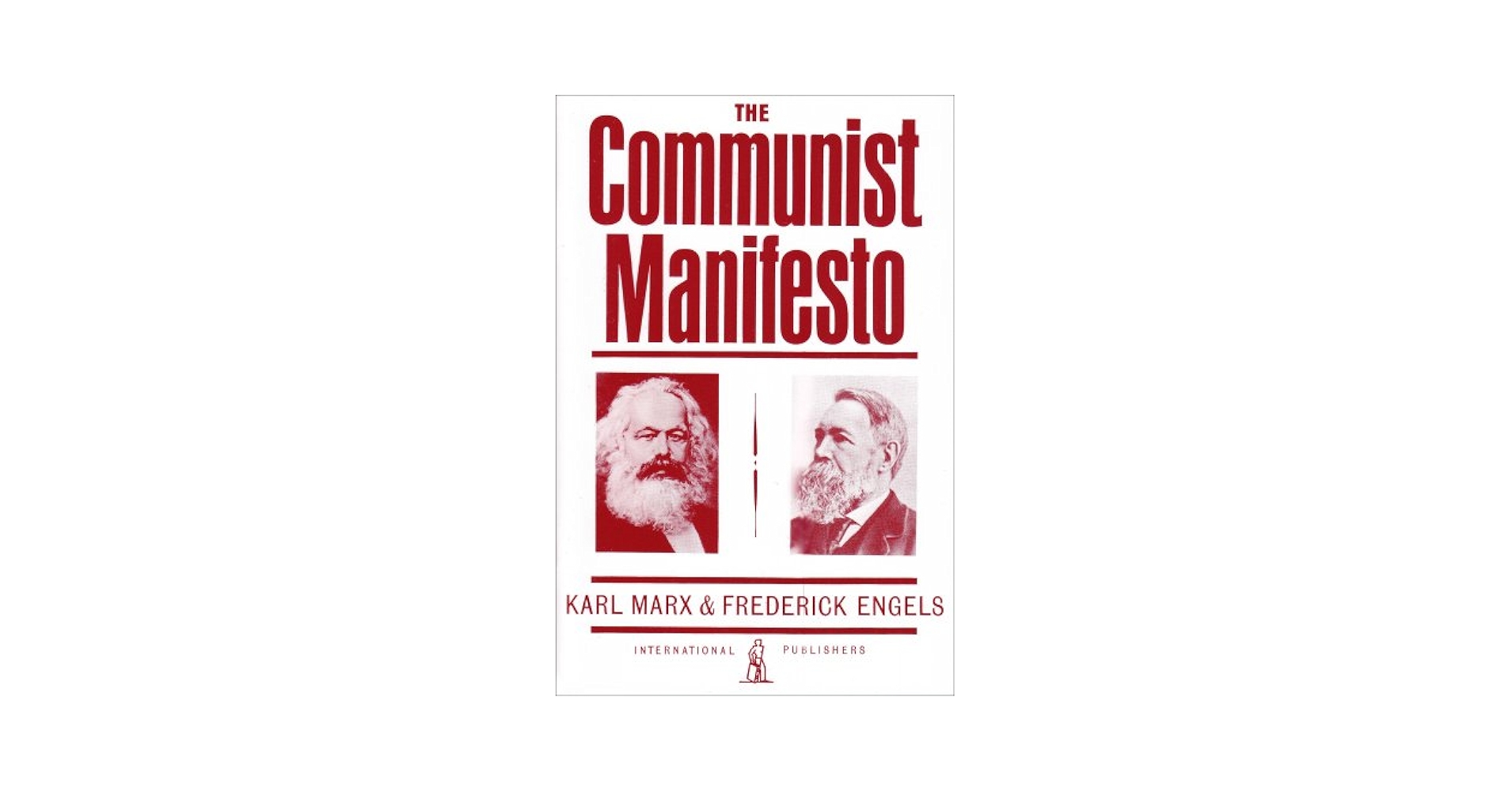
Credit: www.amazon.com
Frequently Asked Questions
What Is The Communist Manifesto?
The Communist Manifesto is a political pamphlet written by Karl Marx and Friedrich Engels in 1848. It outlines the principles of communism, advocating for class struggle and revolution. It aims to abolish bourgeois society and establish a classless society. It is a foundational text for socialist movements worldwide.
Who Wrote The Communist Manifesto?
The Communist Manifesto was written by Karl Marx and Friedrich Engels. They were influential philosophers and economists in the 19th century. Their collaboration resulted in this seminal text that has inspired socialist and communist movements globally. It remains a critical document in political theory.
Why Is The Communist Manifesto Important?
The Communist Manifesto is important for its revolutionary ideas on class struggle and societal change. It introduced concepts that challenged capitalist systems and advocated for a proletarian revolution. Its historical impact on political movements and theories is significant, influencing political thought and action globally.
When Was The Communist Manifesto Published?
The Communist Manifesto was published in February 1848. Its release coincided with revolutionary waves across Europe. The timing of its publication contributed to its influence and reach. It quickly became a crucial text in the history of political theory and activism.
Conclusion
The Communist Manifesto explains ideas about society and class. It talks about workers and owners. It calls for change and fairness. Many people read it to understand history and politics. The book still influences debates today. It helps us think about equality and power.
Understanding it gives insight into the past and present. A short read, but full of big ideas. Worth exploring for anyone curious about how societies work. What do you think about its message?

Similar Posts