Which Statement Most Accurately Describes the Communist Manifesto: Unveiling Ideals
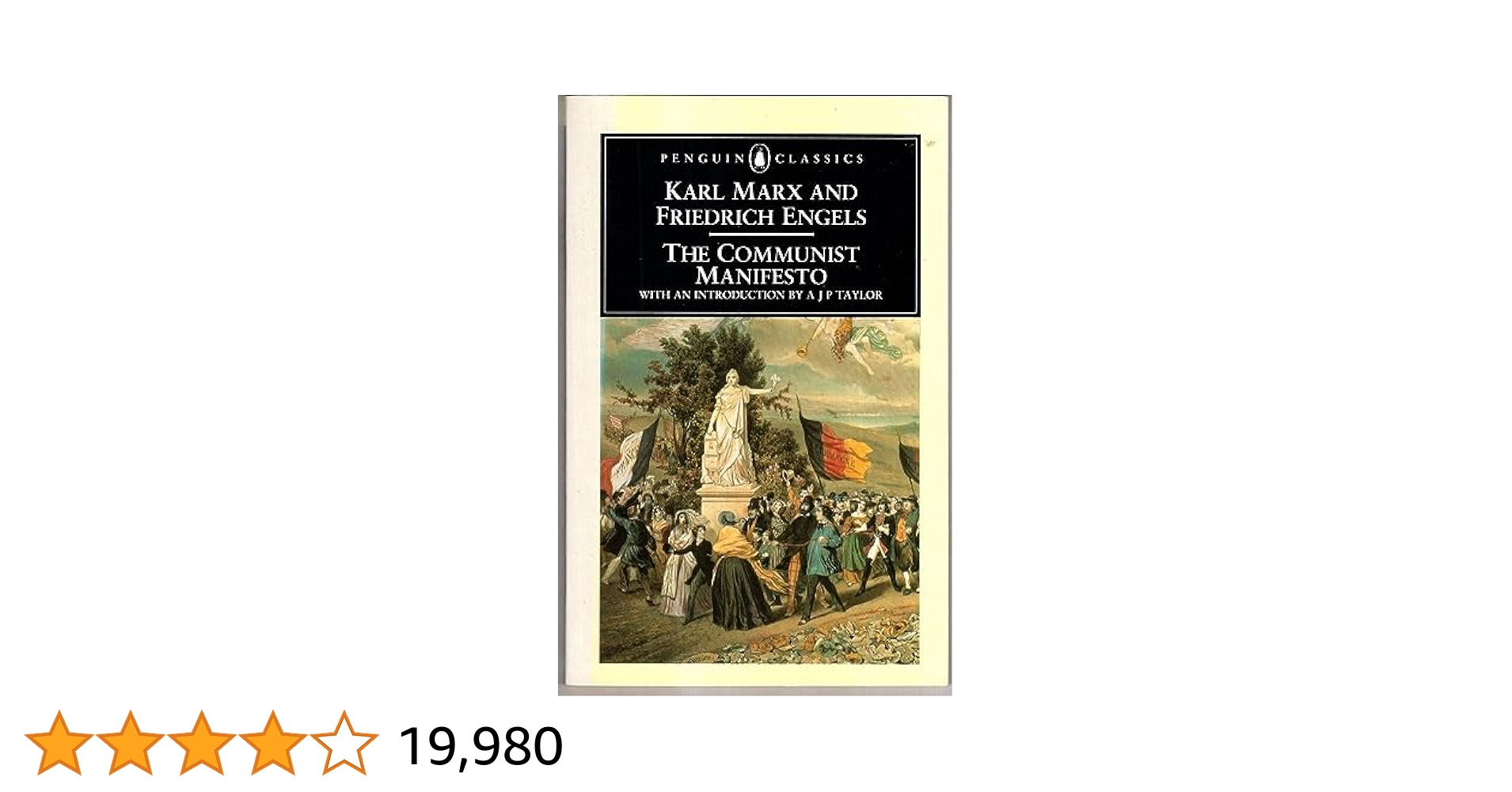
Are you curious about what the Communist Manifesto truly says? Understanding this powerful document can change the way you see history, politics, and society.
But with so many opinions out there, it’s easy to get confused. Which statement most accurately describes the Communist Manifesto? You’ll discover clear answers that cut through the noise. Keep reading to uncover the key ideas that shape this influential work—and why they still matter for you today.

Credit: www.penguinrandomhouse.com
The Communist Manifesto: A Revolutionary Blueprint
The Communist Manifesto stands as a revolutionary blueprint that shaped political thought worldwide. This short pamphlet laid out a clear vision for a society without class divisions. It challenged the existing social order and called for a radical change. The ideas in the manifesto sparked debates and inspired movements across the globe. Understanding its origins and creators helps grasp its lasting impact.
Karl Marx And Friedrich Engels: The Minds Behind The Manifesto
Karl Marx and Friedrich Engels co-wrote The Communist Manifesto in 1848. Marx was a philosopher and economist. Engels was a businessman and social scientist. Together, they combined deep theory with real-world observations. Their goal was to explain how capitalism works and why it would collapse. They predicted a future where workers would unite and overthrow the ruling class. Their collaboration produced a text that remains influential today.
Historical Context: A World On The Brink Of Revolution
The mid-19th century was a time of great change. Industrialization transformed economies and societies rapidly. Cities grew, and working conditions worsened for many laborers. Inequality between rich and poor became more visible. Political unrest and revolts spread across Europe. The Communist Manifesto responded directly to these tensions. It offered a new way to understand and change the world order.
The Core Principles Of Communism
The Core Principles of Communism form the foundation of the Communist Manifesto’s message. These ideas challenge traditional views on society, economy, and power. Understanding them helps you grasp why communism aims to reshape the world in a very specific way.
The Abolition Of Private Property: A Key Tenet Of Communism
At the heart of communism lies the belief that private property creates inequality. The Communist Manifesto argues that property ownership leads to wealth concentration among a few. This concentration, in turn, limits opportunities for the majority.
Imagine a neighborhood where only a few families own most homes and businesses. The rest must rent or work for those owners. This creates a power imbalance that communism seeks to fix by removing private ownership of production means.
Does the idea of abolishing private property sound extreme to you? It’s important to realize the goal is to ensure equal access to resources and prevent exploitation.
The Class Struggle: A Driving Force Behind Social Change
Communism sees history as a story of conflict between classes. The ruling class controls resources, while the working class provides labor. This ongoing struggle fuels social and political change.
Think about your own workplace or community. Are there clear divisions between those who benefit most and those who do the hard work? This tension is what the Communist Manifesto highlights as the engine for revolution.
Recognizing class struggle encourages you to question who holds power and why. It asks you to consider if true fairness can exist without changing the system itself.
The Communist Manifesto’s Call To Action
The Communist Manifesto’s call to action is clear and powerful. It urges the working class to unite and change the world. The manifesto sees history as a struggle between classes. It encourages workers to overthrow their oppressors. The goal is to build a fair society without class divisions.
The Proletariat: The Vanguard Of The Revolution
The manifesto identifies the proletariat as the key force for change. This group includes all workers who sell their labor. They are described as the “vanguard” because they lead the fight. The proletariat suffers from exploitation by the ruling class. Their shared struggle creates the foundation for unity. The manifesto calls on them to rise up. It stresses the power of collective action. The workers must seize control of production. This takeover would end their oppression forever.
The Role Of The Bourgeoisie: A Class In Decline
The bourgeoisie are the owners of wealth and factories. The manifesto presents them as a declining class. They have gained power by exploiting workers. Yet, their dominance creates tensions and crises. The bourgeoisie disrupt old social orders. Their rule leads to inequality and conflict. This instability weakens their control over time. The manifesto predicts their fall as inevitable. It highlights how their greed fuels revolution. The bourgeoisie’s decline opens space for a new system. This new system promises equality and justice for all.
A Critique Of Capitalism: The Manifesto’s Key Argument
The Communist Manifesto delivers a sharp critique of capitalism as its core argument. It exposes the flaws and conflicts within capitalist society. The manifesto argues that capitalism creates deep social inequalities and tensions. It highlights how the system favors the rich while exploiting the poor.
This critique forms the foundation for the call to action in the manifesto. It shows why capitalism cannot last forever and why a new system must emerge. The focus lies on the relationship between the working class and the owners of capital.
The Exploitation Of The Working Class: A Central Theme
The manifesto reveals how workers produce wealth but gain little. Capitalists own factories and machinery. They pay workers less than the value of their labor. This difference creates profit for capitalists.
Workers have no control over their work or its rewards. They sell their labor to survive. The manifesto calls this exploitation, a key problem of capitalism.
This exploitation leads to poor living conditions and constant insecurity for workers. It also causes social divides and unrest. The manifesto sees this as the main cause of class struggle.
The Inefficiencies Of Capitalism: A Recipe For Revolution
Capitalism creates wealth but wastes resources. It produces goods not for needs but for profit. This causes economic crises and booms followed by busts.
Many people suffer during downturns. Jobs disappear, and poverty grows. Capitalism cannot solve these problems on its own.
The manifesto predicts these inefficiencies will push workers to demand change. It calls for a revolution to replace capitalism with a fairer system.
This new system would end exploitation and organize production for the benefit of all. The manifesto sees this as the only way to end class conflict and inequality.
The Manifesto’s Legacy: A Lasting Impact On History
The Communist Manifesto has left a profound mark on history, shaping political landscapes and social ideas worldwide. Its legacy is visible not only in the rise and fall of governments but also in how people think about class, power, and equality. Understanding this impact helps you grasp why the manifesto remains relevant in discussions about society and change.
The Spread Of Communist Ideology: A Global Phenomenon
The ideas in the Communist Manifesto traveled far beyond Europe, influencing movements across Asia, Africa, and Latin America. Countries like Russia, China, and Cuba built entire political systems around its principles. You might wonder why these ideas caught on so widely—it’s because they promised an alternative to inequality and oppression.
Communist ideology inspired revolutions and shaped Cold War politics, affecting millions of lives. But its spread also sparked resistance and debate, showing how powerful ideas can be both unifying and divisive. Have you noticed how some of these debates still appear in today’s political arguments?
The Manifesto’s Influence On Social And Economic Thought
Beyond politics, the manifesto challenged how we understand economics and society. It questioned who controls wealth and how labor should be valued, ideas that influenced economists and sociologists alike. This influence pushed people to rethink capitalism and consider social justice in new ways.
Even if you don’t identify with communist ideology, its critique of inequality can help you see economic systems more clearly. How might your views on work, fairness, or government change if you consider these perspectives? The manifesto’s legacy invites you to question and reflect on the world around you.

Credit: www.instagram.com
Evaluating The Communist Manifesto: A Complex And Controversial Document
The Communist Manifesto remains one of the most debated documents in political history. It challenges social and economic structures with bold ideas. Its message has sparked movements and shaped nations. Yet, it also faces sharp criticism and controversy. Understanding its complexities helps grasp why it still matters today.
The Manifesto’s Enduring Appeal: A Call To Action In A Changing World
The Manifesto calls for workers to unite and change society. It highlights class struggle as a driving force in history. Many find hope in its vision of equality and justice. It speaks to those who feel left behind by capitalism.
The text is direct and passionate. It urges action rather than passive acceptance. Its language is simple but powerful. This clarity helps spread its message across cultures and times.
The Criticisms And Controversies Surrounding The Manifesto’s Ideals
Critics argue the Manifesto oversimplifies complex social issues. Some say it underestimates individual freedom and diversity. Others point to the failures of regimes inspired by its ideas.
Concerns include:
- Economic inefficiency in planned economies
- Suppression of dissent and personal rights
- Unrealistic assumptions about class unity
Debates continue about its relevance and impact. The Manifesto remains a symbol of both hope and warning.

Credit: www.penguinrandomhouse.com
Frequently Asked Questions
What Is The Main Idea Of The Communist Manifesto?
The Communist Manifesto advocates for a classless society. It promotes the abolition of private property and capitalist exploitation. The goal is to establish a society where wealth and power are shared equally among all people.
Who Wrote The Communist Manifesto And Why?
Karl Marx and Friedrich Engels wrote it in 1848. They aimed to expose the inequalities of capitalism. Their goal was to inspire workers to unite and overthrow capitalist systems.
How Does The Communist Manifesto View Capitalism?
The manifesto sees capitalism as exploitative and unstable. It argues capitalism creates class struggles between owners and workers. It predicts capitalism will eventually be replaced by socialism.
What Role Do Workers Play In The Communist Manifesto?
Workers, or the proletariat, are the oppressed class. They are encouraged to unite and overthrow the bourgeoisie. The manifesto calls for workers to seize control of production.
Conclusion
The Communist Manifesto clearly explains class struggle and social change. It shows how workers and owners often clash. The text calls for unity among workers worldwide. It highlights the need to share wealth fairly. This statement helps readers understand key ideas simply.
Knowing this helps us see history and society differently. The Manifesto remains important for studying politics and economics. It invites us to think about fairness and power. Understanding its message can spark thoughtful discussions everywhere.

Similar Posts