What was Manifest Destiny: Unveiling America’s Bold Expansion Era
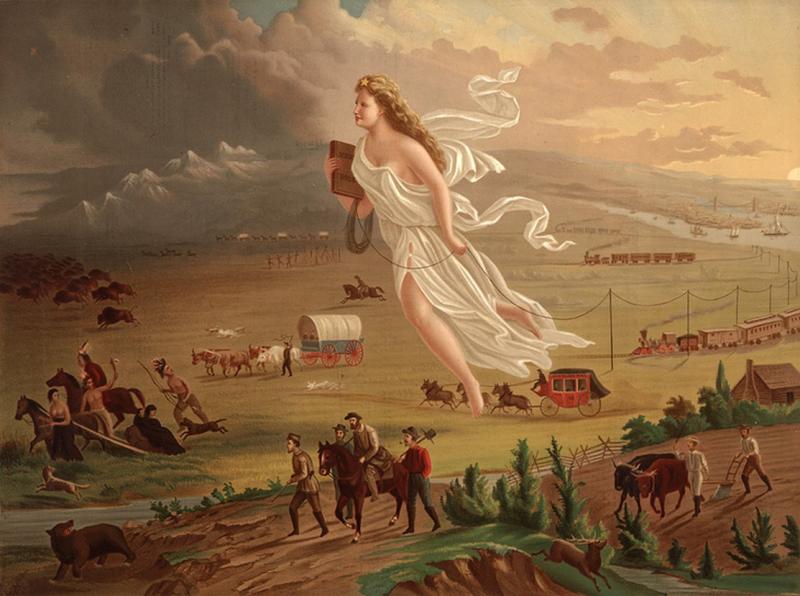
Have you ever wondered why the United States expanded so quickly across the continent in the 1800s? Understanding what Manifest Destiny was can give you a clear picture of this important time in history.
This idea didn’t just shape the land—it shaped the people, the politics, and the future of a nation. If you want to discover how a simple belief changed everything, keep reading. Your view of American history might never be the same.
Origins Of Manifest Destiny
The origins of Manifest Destiny trace back to a unique mix of cultural beliefs and political ideas that shaped 19th-century America. Understanding these roots helps you see why many Americans felt a strong urge to expand westward. This urge wasn’t just about land—it was about identity, power, and purpose.
Cultural Roots
At the heart of Manifest Destiny was a belief in American exceptionalism—the idea that the United States had a special mission to spread its values. Many Americans saw their culture and political system as superior and believed it was their duty to bring these to the western lands.
This belief was tied closely to religion. Protestant Christians often felt they were chosen to spread their faith and way of life. Have you ever noticed how cultural pride can drive nations to act beyond simple self-interest? That was very much the case here.
Political Influences
Politically, Manifest Destiny gained momentum from leaders who wanted to strengthen the nation’s influence. They argued that expanding the country would secure economic growth and national security.
The idea also tapped into the democratic spirit of the time. Many politicians and citizens believed that spreading democracy was not just good policy but a moral obligation.
Think about how political goals shape your own decisions. In the 1800s, the push for expansion was as much about power and politics as it was about dreams of new land.
Credit: www.aspendailynews.com
Key Figures And Advocates
Many individuals shaped the idea of Manifest Destiny. They believed the United States should expand across North America. These key figures and advocates spread this vision and made it popular. Their words and actions helped drive the nation’s growth.
John L. O’sullivan
John L. O’Sullivan was a journalist who first used the term “Manifest Destiny.” He wrote that the U.S. had a clear right to expand. O’Sullivan believed this expansion would spread democracy and freedom. His writings inspired many Americans to support the cause. He saw expansion as a mission and a duty.
Presidential Support
Several U.S. presidents supported Manifest Destiny. President James K. Polk was one of the strongest advocates. He pushed for the annexation of Texas and the Oregon Territory. Polk also led the country during the Mexican-American War. His actions helped add vast lands to the U.S.
Other presidents, like Andrew Jackson and Thomas Jefferson, also favored expansion. They believed growth was vital for the nation’s future. Their support helped make Manifest Destiny a key part of U.S. policy.
Impact On Native American Tribes
The impact of Manifest Destiny on Native American tribes was profound and often tragic. As settlers moved westward, Native Americans faced loss of land, culture, and lives. Their communities were disrupted, and many were forced into new areas far from their original homes.
These changes created lasting effects that Native American tribes still experience today. Understanding these impacts helps reveal the true cost of Manifest Destiny beyond just the expansion of the United States.
Displacement And Conflicts
Native American tribes were pushed off their ancestral lands. The government forced many to move west of the Mississippi River. This process is known as forced removal.
Conflicts arose as settlers and Native Americans clashed over land. Battles and wars broke out, leading to many deaths. Tribes lost hunting grounds and sacred places.
- Tribes had to adapt to new environments quickly.
- Traditional ways of life were disrupted or destroyed.
- Many tribes faced hunger, disease, and poverty after removal.
Long-term Consequences
Loss of land weakened Native American tribes economically and socially. Many struggled to keep their culture alive. Forced assimilation policies made it harder for tribes to maintain their identity.
Reservations were created, often on poor land with limited resources. Generations grew up facing poverty and discrimination. The legacy of Manifest Destiny still affects Native communities today.
Efforts to preserve Native cultures and rights continue. Understanding this history is key to supporting Native American sovereignty and healing.
Territorial Acquisitions
Territorial acquisitions played a key role in shaping the vision and reality of Manifest Destiny. These land expansions allowed the United States to stretch its boundaries across the continent, directly impacting its economic growth, politics, and culture. Understanding these acquisitions helps you see how the country’s map evolved and what motivated the people behind these moves.
Louisiana Purchase
The Louisiana Purchase doubled the size of the United States overnight. In 1803, the U.S. bought this vast territory from France, adding around 828,000 square miles of land west of the Mississippi River. This deal gave Americans access to important rivers and fertile lands, setting the stage for westward expansion.
Think about how different life was before this purchase. The U.S. was mostly confined to the east, and traveling west was risky. After the purchase, settlers had new opportunities, but challenges like unfamiliar terrain and relations with Native Americans remained. Have you ever thought how one agreement could change the future of a whole nation?
Annexation Of Texas
The annexation of Texas in 1845 added a large and controversial chunk of land to the United States. Texas had declared independence from Mexico in 1836 and operated as its own republic for nearly a decade. When the U.S. annexed Texas, it sparked tensions that led directly to the Mexican-American War.
This acquisition wasn’t just about land—it was about political power, slavery debates, and national identity. You might wonder why the U.S. was so eager to add Texas despite the risks. It shows how territorial gains were often tied to bigger issues than just geography. How would you handle the risks if you were making decisions about such a critical expansion?
Expansion To The West Coast
The push towards the West Coast was a defining chapter in America’s history, fueled by the belief that expanding the nation’s borders was both a right and a duty. This drive transformed the landscape, economy, and the very identity of the country. If you imagine the vast distances and unknown challenges faced by those who moved westward, it becomes clear how daring and determined they had to be.
Oregon Trail
The Oregon Trail was more than just a route; it was a lifeline for thousands seeking new opportunities. You can picture families packing their wagons, leaving behind familiar towns for the hope of fertile land in the West. The journey was tough, with hazards like river crossings and disease testing everyone’s resolve.
What would you do if you were faced with such uncertainty for months on end? The trail demanded careful planning and a strong spirit. Those who succeeded helped shape the American frontier and opened the door to further expansion.
California Gold Rush
The discovery of gold in 1848 sparked a frenzy that drew people from all over the world. Imagine hearing about instant wealth and deciding to leave everything behind to chase that dream. This rush quickly transformed California from a quiet region into a booming state.
But the Gold Rush wasn’t just about riches—it changed society, economy, and migration patterns dramatically. How would your life change if a sudden opportunity like this appeared today? The Gold Rush teaches us about the power of hope and the risks people take when driven by possibility.
Credit: pastorbhart.medium.com
Economic Motivations
Economic motivations were a key driver behind Manifest Destiny. Many Americans believed expanding westward would bring wealth and new chances. The promise of fertile land and new markets attracted settlers and investors alike. Economic growth seemed linked to owning more territory and resources. Expansion offered hope for farmers, traders, and businesses wanting to prosper.
Agricultural Opportunities
Farmers sought rich soil to grow crops and raise animals. The western lands promised vast areas for farming and ranching. More land meant more food production and profits. Many hoped to escape crowded eastern farms for open spaces. Agriculture was seen as the backbone of the economy and a path to success. Settlers believed owning land would improve their lives and status.
Trade Expansion
Trade routes and markets expanded as new territories joined the nation. Access to the Pacific Coast opened doors for international trade. Merchants and entrepreneurs saw chances to sell goods beyond local areas. New ports and transportation routes boosted commerce. Expansion helped connect distant regions and created a national economy. Trade growth was vital for the country’s overall wealth and power.
Political Ramifications
The political ramifications of Manifest Destiny shaped the future of the United States in profound ways. The rapid expansion sparked fierce debates and forced leaders to confront difficult questions about slavery, governance, and the balance of power. These issues tested the nation’s unity and had lasting effects on its political landscape.
Debates Over Slavery
As new territories were added, the question of whether slavery would be allowed became a major political battleground. Each new state had the potential to shift the balance of power between free and slave states in Congress.
This struggle fueled intense conflicts, such as those leading up to the Missouri Compromise and later the Kansas-Nebraska Act. You might wonder how these debates influenced your understanding of American history and the roots of the Civil War.
It’s important to see how these debates weren’t just about laws but about values and the future direction of the country. The fear of upsetting the balance made politicians cautious but also pushed them to take strong stands.
Statehood And Governance
Every new territory had to move from being a frontier to a governed state. This transition raised questions about political representation and the rights of settlers versus federal authority.
How should a new state be organized? Who gets to decide its laws? These questions affected local communities and national politics alike.
For example, the process of admitting California as a state after the Gold Rush created tension, as its free-state status upset the delicate balance in Congress. This shows how expansion wasn’t just about land but about creating a political identity.
Cultural And Ideological Impacts
The cultural and ideological impacts of Manifest Destiny shaped more than just the map of the United States. They influenced how Americans viewed themselves and their role in the world. These ideas created a powerful sense of identity and purpose, driving actions that still echo today.
American Exceptionalism
American Exceptionalism is the belief that the United States has a unique mission to promote liberty and democracy. This idea made many Americans feel they were destined to lead by example. It justified expansion as a way to spread what they saw as superior political and social systems.
Think about how this belief affected your own views on freedom and responsibility. Do you see echoes of this mindset in today’s politics or culture? Understanding this helps you grasp why people supported aggressive growth despite the costs.
Religious Justifications
Religion played a big role in supporting Manifest Destiny. Many Americans believed they were chosen by God to expand and bring Christian values to new lands. This gave moral backing to their actions, making expansion seem not only right but sacred.
Religious rhetoric often framed the conquest of land and peoples as a divine mission. Have you ever noticed how faith can inspire people to take bold steps? Recognizing this connection helps you see how deeply ideology can influence decisions and history.
Criticism And Opposition
Manifest Destiny faced many criticisms and opposition from different groups. Not everyone agreed with the idea of expanding the United States across the continent. Concerns arose about the treatment of Native Americans, the spread of slavery, and the impact on other nations. These voices challenged the popular belief in Manifest Destiny and offered alternative views on the country’s future.
Voices Of Dissent
Many people spoke out against Manifest Destiny. Some argued it was a way to spread slavery into new territories. Abolitionists feared this would make slavery stronger in the United States. Others worried about the violent removal of Native American tribes from their lands.
Some politicians questioned the cost of expansion and the risk of war with Mexico and Britain. Religious leaders also raised moral concerns about forcing American culture on others. These dissenters wanted a different path for the country.
Alternative Visions
Opponents of Manifest Destiny proposed other ideas for America’s growth. Some believed in focusing on improving the land and economy within existing borders. They thought the country should build cities, schools, and railroads before expanding further.
Others wanted peaceful relations with Native Americans and respect for their rights. Some hoped for more equal treatment of all people living in the United States. These alternative visions promoted unity and fairness over conquest and expansion.

Credit: thestoryexchange.org
Frequently Asked Questions
What Was The Main Goal Of Manifest Destiny?
Manifest Destiny aimed to expand the United States across North America. It promoted westward territorial growth and justified expansion.
When Did Manifest Destiny Occur In U.s. History?
Manifest Destiny was prominent during the 1840s and 1850s. It influenced policies until the Civil War began.
How Did Manifest Destiny Impact Native Americans?
Manifest Destiny led to Native American displacement and loss of land. Many tribes faced forced removal and cultural disruption.
Which Territories Were Acquired Through Manifest Destiny?
The U. S. gained Texas, Oregon Territory, California, and more. These acquisitions shaped the nation’s current borders.
Conclusion
Manifest Destiny shaped America’s growth and beliefs in the 1800s. It pushed people west to find new homes and opportunities. This idea also caused conflicts with Native Americans and other countries. Understanding Manifest Destiny helps us see how the United States changed.
It shows the hope and challenges of expanding a nation. The story reminds us about the costs of progress and dreams of the past. History is full of lessons from these events. Keep exploring to learn more about America’s journey.

Similar Posts