What was Meant by Manifest Destiny: Unveiling History
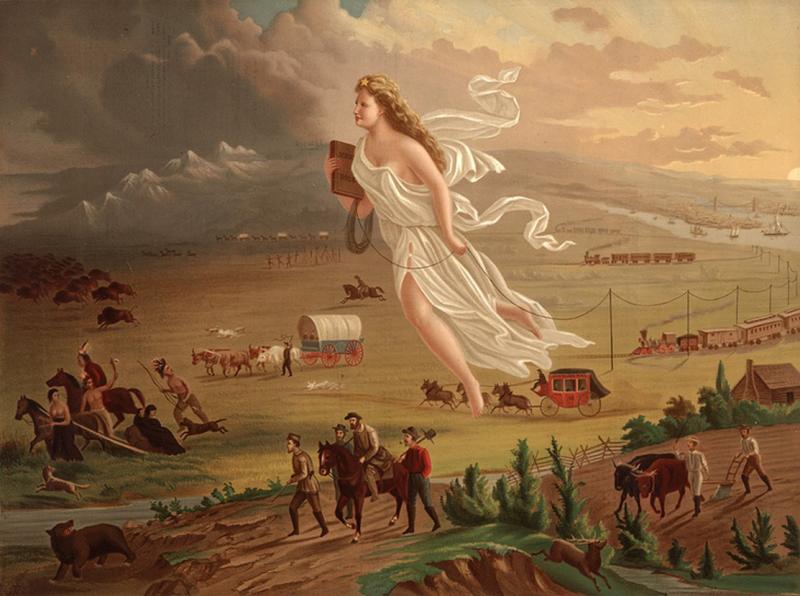
Have you ever wondered why the United States expanded so quickly across the continent in the 1800s? The answer lies in a powerful idea called Manifest Destiny.
This belief shaped the nation’s growth and changed the lives of millions. Understanding what was meant by Manifest Destiny will give you a clearer picture of American history and why certain events happened the way they did. Keep reading, and you’ll discover the real story behind this important concept and how it still influences the country today.
Origins Of Manifest Destiny
The origins of Manifest Destiny reveal a powerful mix of ambition, belief, and politics that shaped early America. This idea didn’t appear out of nowhere; it grew from specific historical moments and cultural attitudes. Understanding where Manifest Destiny began helps you see why it mattered so much to Americans at the time.
Early 19th Century America
The early 1800s were a time of rapid change in the United States. The country was young, with its borders still shifting and its population growing fast. Many Americans believed expanding westward was not just a right but a necessity for the nation’s survival and prosperity.
Think about the Louisiana Purchase in 1803—it doubled the size of the U.S. overnight. This bold move set the stage for expansion and planted the idea that the continent was destined to belong to the United States.
Political And Cultural Roots
Politicians used expansion as a tool to unite the country and promote economic growth. They argued that spreading democracy and American values across the continent was a mission with a higher purpose.
Culturally, many Americans felt a deep connection to the land, seeing it as a promise of freedom and opportunity. This belief was tied to a sense of national identity and pride, which made the idea of Manifest Destiny very appealing.
Key Influencers And Writings
Journalists and politicians played a big role in popularizing Manifest Destiny. Writers like John L. O’Sullivan coined the term and argued that it was America’s destiny to expand its territory.
O’Sullivan’s articles didn’t just report facts; they inspired hope and action. When you read his words, you can almost feel the excitement and urgency that gripped people eager to see the nation grow.

Credit: hyperallergic.com
Core Beliefs And Goals
The core beliefs and goals of Manifest Destiny shaped the mindset of many Americans during the 19th century. It was more than just a political slogan; it was a powerful vision that influenced decisions and actions across the country. Understanding these beliefs helps you see why the idea gained such strong support and how it affected the nation’s growth.
Territorial Expansion
At the heart of Manifest Destiny was the belief that the United States was destined to expand across the North American continent. Many Americans felt it was their right—and duty—to spread their way of life from the Atlantic to the Pacific. This belief wasn’t just about land; it was about spreading their culture, laws, and governance.
Think about it: would you feel motivated to explore and settle in new lands if you believed it was part of your country’s mission? This mindset fueled events like the annexation of Texas and the Oregon Trail migration, dramatically changing the map of the United States.
Democratic Ideals
Democracy played a key role in the goals of Manifest Destiny. People believed that expanding the nation would spread democratic values like freedom and self-government. They saw the United States as a model for the world, destined to bring liberty to new territories.
But this raises a question: how do you balance expanding democracy while respecting the rights of those already living in these lands? This tension was often overlooked in the rush to grow, leading to conflicts with Native American tribes and other nations.
Economic Motivations
Economic opportunity was a strong motivator behind Manifest Destiny. Many Americans wanted access to new farmland, resources, and trade routes. The promise of prosperity encouraged settlers and investors to support expansion.
- Fertile land for farming
- New markets for goods
- Access to gold and minerals
Your own ambition to improve your life mirrors the drive many had during this period. The lure of economic gain made expansion not just a political goal, but a personal one for many people.
Major Events Shaped By Manifest Destiny
Manifest Destiny was more than just a belief; it was a driving force that shaped critical moments in American history. Several major events demonstrate how this idea pushed the United States to expand its borders and influence. Understanding these events helps you see the real impact of Manifest Destiny on the nation’s growth and its people.
Annexation Of Texas
The annexation of Texas in 1845 was a bold move fueled by the desire to spread American territory westward. Texas had declared independence from Mexico, and many Americans saw its addition as a natural step. This event stirred tensions with Mexico and raised questions about the balance of power between free and slave states.
Imagine standing on the edge of a vast new land, knowing your country wants to claim it. How would that ambition change your view of what’s possible?
Oregon Trail And Settlement
The Oregon Trail became a vital route for settlers moving west in search of new opportunities. Thousands traveled this challenging path, drawn by the promise of fertile land and a fresh start. Their journeys highlight how Manifest Destiny wasn’t just political—it was personal, transforming countless lives.
Think about the courage it took to leave everything behind and face unknown dangers. What drives people to take such risks for a dream?
Mexican-american War
The Mexican-American War (1846–1848) was a direct result of Manifest Destiny ambitions. It ended with the U.S. gaining vast territories, including California and the Southwest. This war reshaped the map and intensified debates over slavery and national identity.
Consider how conflict over land can change a nation’s future. How would you weigh the costs and benefits of such a war if you were in charge?
Credit: 19thnews.org
Impact On Native Americans
The concept of Manifest Destiny had a profound and often devastating impact on Native American communities. As settlers moved westward, Native Americans faced significant challenges that reshaped their lives and cultures. Understanding these effects is crucial to grasping the full story behind this period of American history.
Displacement And Conflict
Native American tribes were forced off their ancestral lands to make way for settlers. This displacement often led to violent clashes as communities resisted the loss of their homes.
The Trail of Tears stands out as a heartbreaking example, where thousands of Cherokee people were removed from their land under harsh conditions. You might wonder how any community could survive such upheaval without lasting trauma.
Cultural Consequences
The arrival of settlers disrupted Native American ways of life. Traditional practices, languages, and social structures were undermined by new policies and forced assimilation.
Many tribes were pressured to abandon their customs in favor of European-American lifestyles, which caused deep cultural loss. Have you ever thought about how losing your language or rituals might affect your identity?
Long-term Effects
The consequences of Manifest Destiny still affect Native American communities today. Economic hardships, loss of land, and cultural disconnection continue to challenge many tribes.
Despite these difficulties, many Native Americans work to preserve their heritage and reclaim their rights. What steps can you take to support their ongoing efforts and learn more about their stories?
Controversies And Opposition
Manifest Destiny sparked fierce debates across the United States. Many people questioned the ethics and consequences of expanding the nation’s borders. The idea of spreading American control raised fears and resistance from different groups. These controversies shaped the nation’s history in significant ways.
Slavery And Sectional Tensions
Expansion raised tough questions about slavery. New lands meant new decisions on whether slavery would be allowed. This deepened the divide between the North and South. Each side feared losing political power. The debate over slavery in new states led to violence and unrest. It pushed the country closer to civil war.
Critics And Anti-expansionists
Not everyone supported Manifest Destiny. Critics called it greedy and unjust. Some worried it would spread slavery further. Others feared war with Native Americans and foreign nations. Anti-expansionists wanted the country to focus on existing problems. They argued for peace and stability over territorial growth.
International Reactions
Other countries watched Manifest Destiny with caution. Britain, Mexico, and Spain saw American expansion as a threat. It led to border disputes and conflicts. Mexico lost large territories after wars with the U.S. Europe feared U.S. power would upset the global balance. These tensions influenced diplomatic relations for years.

Credit: www.youtube.com
Legacy Of Manifest Destiny
The legacy of Manifest Destiny deeply shaped the United States in many ways. It fueled expansion, changed politics, and influenced culture. The idea of spreading across the continent left a lasting impact on the nation’s identity and policies.
Shaping Modern America
Manifest Destiny helped define the borders of the United States today. It led to acquiring vast lands, including Texas, California, and Oregon. This expansion created new states and opened paths for migration and trade. The growth also caused conflicts with Native Americans and Mexico, reshaping the country’s social fabric.
Influence On Foreign Policy
The belief in Manifest Destiny affected how the U.S. dealt with other nations. It encouraged a stronger stance in North America and beyond. The idea supported actions like the Mexican-American War and the purchase of Alaska. It set a pattern of expanding power and influence through diplomacy and force.
Historical Interpretation
Historians view Manifest Destiny in different ways. Some see it as a positive force for growth and progress. Others criticize it for promoting imperialism and injustice. The debate continues, reflecting on the costs and benefits of this expansionist mindset. It remains a key topic in understanding America’s past.
Frequently Asked Questions
What Is The Meaning Of Manifest Destiny?
Manifest Destiny was a 19th-century belief that the U. S. was destined to expand across North America. It justified territorial growth and shaped American politics and culture.
When Did Manifest Destiny Begin In U.s. History?
Manifest Destiny emerged in the 1840s during westward expansion. It fueled U. S. territorial acquisitions like Texas, Oregon, and California.
How Did Manifest Destiny Impact Native Americans?
Manifest Destiny led to forced removal and loss of Native lands. It caused significant cultural disruption and conflicts with indigenous peoples.
Why Was Manifest Destiny Important For America?
It encouraged national growth, economic opportunity, and political influence. Manifest Destiny helped define America’s borders and identity as a continental power.
Conclusion
Manifest Destiny shaped America’s history and growth. It fueled expansion westward across the continent. People believed it was their right to spread freedom and democracy. This idea affected Native Americans and other nations deeply. Understanding Manifest Destiny helps explain many past events.
It shows how ideas can drive a country’s path. History teaches us about the hopes and struggles of that time. Thinking about Manifest Destiny invites us to learn from the past. It remains an important part of American history today.

Similar Posts