What was the Idea behind Manifest Destiny: Unveiling History
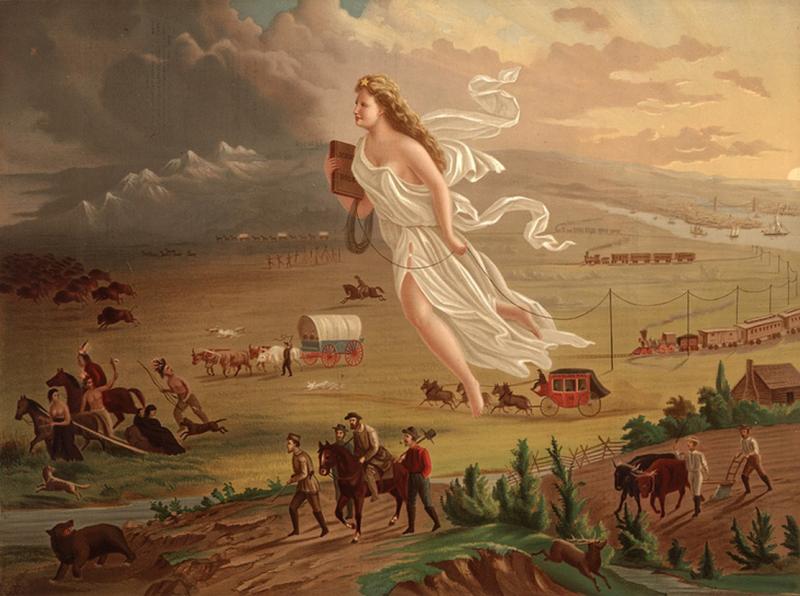
Have you ever wondered why the United States grew so quickly across the continent in the 1800s? The answer lies in a powerful belief called Manifest Destiny.
This idea wasn’t just about land—it shaped the nation’s future and your history. Understanding what sparked Manifest Destiny helps you see how it changed lives and shaped the country you know today. Keep reading to uncover the true meaning behind this bold vision and why it mattered so much.
Credit: www.theguardian.com
Roots Of Manifest Destiny
The roots of Manifest Destiny run deep in early American history. This idea grew from a mix of political, cultural, and religious beliefs. It shaped the nation’s path westward and justified expansion across the continent.
Understanding these roots helps explain why many Americans believed it was their right and duty to spread their way of life.
Early American Expansion
From the start, Americans looked west for new opportunities. The Louisiana Purchase doubled the country’s size in 1803. Settlers moved into these lands seeking farmland and resources.
Expansion was seen as a way to grow the economy and secure the nation’s future. The belief in progress pushed people to explore and settle unknown territories.
Influence Of Nationalism
National pride fueled the desire to expand. Many Americans felt their country was special and destined to lead. This pride created a strong belief in spreading American values and systems.
Leaders and citizens alike wanted the United States to be a powerful, continent-wide nation. This goal united many behind the idea of Manifest Destiny.
Role Of Religion And Morality
Religion played a key role in shaping Manifest Destiny. Many Americans thought they had a divine mission to spread Christianity. This mission added a moral reason for expansion.
People believed their culture and religion were superior and needed to be shared. This sense of duty justified taking land and influencing native peoples.
Key Figures And Advocates
The idea of Manifest Destiny was not shaped by vague thoughts but was driven by specific people who pushed its vision forward. These key figures and advocates played crucial roles in convincing the nation that expansion was both justified and inevitable. Understanding who these individuals were and how they influenced public opinion can help you see how ideas grow into powerful movements.
Political Leaders
President James K. Polk is often the first name that comes to mind. He strongly supported territorial expansion and led the nation through the annexation of Texas and the Oregon Territory. Polk’s firm belief in Manifest Destiny made these acquisitions possible.
Other politicians, like Senator Thomas Hart Benton, also championed expansion. Benton argued it was America’s destiny to spread across the continent. Do you ever wonder how a single leader’s vision can alter a country’s future so dramatically?
Journalists And Writers
Journalists played a huge role in spreading Manifest Destiny ideas. Writers like John L. O’Sullivan coined the phrase “Manifest Destiny” to express the belief that the U.S. was destined to expand. His articles inspired many Americans to support westward growth.
Newspapers of the time often promoted expansion as a noble and exciting mission. They presented it as a way to bring progress and democracy to new lands. How do you think media influences public opinion today compared to back then?
Public Support And Opposition
The public’s response was mixed. Many settlers and farmers saw expansion as an opportunity for a better life and supported the idea enthusiastically. They believed the new lands would offer freedom and prosperity.
However, opposition came from various groups, including Native Americans, abolitionists, and some politicians. They questioned the morality and consequences of expansion. Have you ever noticed how big ideas often face resistance before gaining acceptance?
Territorial Ambitions
Territorial ambitions drove much of the Manifest Destiny belief. Many Americans felt it was their right to expand land across the continent. This desire shaped political decisions and conflicts. The goal was to spread the nation’s values and economic opportunities. Expansion promised new land for farming, trade, and settlement. The following sections highlight key areas where these ambitions played out.
Annexation Of Texas
Texas declared independence from Mexico in 1836. Many Americans supported Texas joining the United States. The annexation was controversial because it risked war with Mexico. Texas had a large population of American settlers. Its addition promised new land and resources. This move set the stage for future conflict over borders.
Oregon Territory Dispute
The Oregon Territory was claimed by both the U.S. and Britain. Settlers from America and Britain lived in the region. The U.S. wanted control for trade and settlement. A peaceful agreement was reached in 1846. The border was set at the 49th parallel. This allowed America to expand northwest without war.
California And The Southwest
California and the Southwest belonged to Mexico before 1848. The U.S. sought these lands for their ports and gold. The Mexican-American War helped the U.S. gain control of this area. The Treaty of Guadalupe Hidalgo ended the war. It gave the U.S. California, Arizona, New Mexico, and more. These lands opened new opportunities for growth and trade.
Impact On Native Americans
The idea of Manifest Destiny had a deep and lasting impact on Native American communities. It reshaped their lives in many harsh ways. Native Americans faced loss of land, culture, and autonomy. Their world changed quickly and often violently. Understanding this impact is key to grasping the full story of Manifest Destiny.
Displacement And Conflict
Manifest Destiny led to the forced removal of many Native American tribes. The U.S. government pushed them off their ancestral lands. This caused immense suffering and loss. Entire communities had to move to unfamiliar territories. Conflicts erupted as settlers and Native Americans clashed over land and resources. Wars and skirmishes became common, intensifying the struggle for survival.
Cultural Consequences
Native American cultures faced severe disruption. Traditional ways of life were threatened by new settlers and policies. Sacred lands were taken, affecting spiritual practices deeply. Many Native languages and customs began to fade. Boarding schools tried to erase Native identities by forcing new customs. The cultural loss was profound and lasting, weakening the social fabric of many tribes.
Resistance Movements
Despite hardships, Native Americans resisted the invasion of their lands. They organized uprisings and formed alliances to defend their homes. Leaders like Tecumseh and Sitting Bull inspired many to fight back. Resistance took many forms, from battles to legal challenges. These movements showed the strength and resilience of Native peoples in the face of adversity.
Manifest Destiny And Slavery
The idea of Manifest Destiny was not just about expanding America’s borders—it was deeply tied to the contentious issue of slavery. As new territories were added, the question of whether these lands would permit slavery ignited fierce debates. Understanding how Manifest Destiny intersected with slavery helps you see the roots of political conflict that shaped the nation’s future.
Expansion Of Slave States
As America stretched westward, each new territory raised the question: Would it allow slavery? Southern states wanted to add more slave states to maintain their political power. Northern states opposed this, fearing the spread of slavery would undermine free labor and democracy.
This struggle influenced which states were admitted to the Union and how their governments were structured. You can see how this tug-of-war over slavery wasn’t just about land—it was about control and values.
Political Tensions
The debate over slavery in new territories created intense political tension. Compromises like the Missouri Compromise and the Compromise of 1850 tried to balance interests but only delayed conflict. Political parties split, and new ones formed around these divisive issues.
Imagine living in a country where every new state’s status could tip the balance of power. These tensions made governing difficult and pushed the nation toward crisis.
Prelude To Civil War
Manifest Destiny’s push for expansion directly set the stage for the Civil War. The Kansas-Nebraska Act, which let territories decide on slavery through popular vote, led to violent clashes known as “Bleeding Kansas.”
This violence was a warning sign of the larger conflict to come. The question for you is: How far can a country stretch before its internal conflicts become unmanageable? Manifest Destiny’s promise came with a heavy price, showing that expansion without unity can lead to division and war.
Credit: pastorbhart.medium.com
Legacy And Modern Perspectives
The legacy of Manifest Destiny continues to influence how Americans view their history and national identity. This idea shaped more than just borders; it molded values, policies, and perspectives that linger today. But how do modern views reconcile the ambitious spirit of expansion with the complex consequences it brought?
Shaping American Identity
Manifest Destiny helped create a sense of purpose and mission for the young nation. It fostered a belief that the United States was destined to spread freedom and democracy across the continent.
This sense of destiny gave many Americans pride and unity, inspiring progress and innovation. Yet, it also framed the country’s growth as a moral duty, which influenced attitudes about the land and its people.
Criticism And Controversy
Not everyone saw Manifest Destiny as a positive force. Many criticized it for justifying the displacement of Native American tribes and the war with Mexico.
Today, you might ask yourself: can a national ambition be ethical if it causes harm to others? This question challenges the traditional heroic narrative and opens up discussions about justice and responsibility.
It’s important to recognize how this ideology contributed to racial inequality and set patterns of exclusion that affect society even now.
Lasting Effects On Us Policy
Manifest Destiny left a mark on American policies that you can still see today. It set a precedent for territorial expansion and intervention beyond the continent.
Policies about immigration, land use, and foreign relations often reflect this expansionist mindset. Understanding this history helps you grasp why certain debates about borders and sovereignty remain heated.
Think about how the desire to grow shaped government decisions—do you see echoes of this mindset in current political strategies?

Credit: www.fastcompany.com
Frequently Asked Questions
What Is The Main Concept Of Manifest Destiny?
Manifest Destiny was the 19th-century belief that the U. S. was destined to expand across North America. It justified westward territorial growth as a divine right and mission to spread democracy and civilization.
Why Did Americans Support Manifest Destiny?
Americans supported Manifest Destiny for economic opportunities, land acquisition, and national pride. It promised new resources, farming land, and increased political power through territorial expansion.
How Did Manifest Destiny Impact Native Americans?
Manifest Destiny led to forced displacement and suffering for Native Americans. Expansion caused loss of tribal lands, cultural disruption, and violent conflicts with settlers and the U. S. government.
What Role Did Manifest Destiny Play In U.s. History?
Manifest Destiny shaped U. S. borders by promoting territorial acquisitions like Texas and California. It influenced policies, wars, and the nation’s identity as a continental power.
Conclusion
Manifest Destiny shaped America’s growth and culture deeply. It pushed the country to expand westward quickly. People believed they had a right to spread across the land. This idea changed lives and the nation’s future forever. Understanding this helps us see how America grew.
The story of Manifest Destiny reminds us about hope, conflict, and change. It shows how ideas can drive a whole nation forward. A simple belief led to big actions and lasting effects.

Similar Posts