What was the Manifesto of Surrealism: Unveiling Its Revolutionary Impact
Have you ever wondered what sparked one of the most exciting and mysterious art movements in history? The Manifesto of Surrealism holds the key to unlocking a world where dreams, imagination, and reality collide.
If you want to understand how this powerful statement changed art and thought forever, you’re in the right place. Keep reading, and discover how the Manifesto of Surrealism can open your mind to new ideas and creativity like never before.
Origins Of The Manifesto
The origins of the Manifesto of Surrealism reveal a fascinating mix of historical events, visionary leadership, and unique influences. Understanding where the manifesto came from helps you see why surrealism became such a powerful movement. It invites you to question how art and reality can merge in unexpected ways.
Historical Context
The Manifesto of Surrealism was written in 1924, a time when the world was still healing from World War I. People were tired of traditional values and sought new ways to express the chaos and hope they felt inside. This restless spirit set the stage for surrealism to challenge reality and explore the unconscious mind.
At that time, many artists and writers were experimenting with new ideas that broke away from realism. Surrealism emerged as a reaction against the limitations of rational thought and conventional art. You might wonder how trauma and change push creativity into bold new directions.
André Breton’s Role
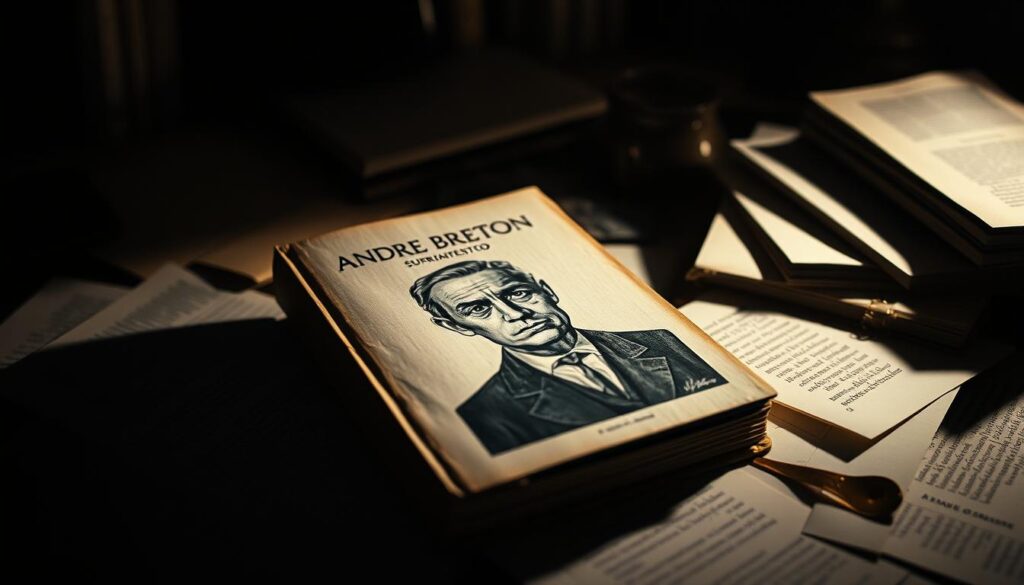
André Breton, a French writer and psychiatrist, played a crucial role in shaping the Manifesto of Surrealism. He believed that the unconscious mind held the key to true creativity and freedom. Breton’s background in medicine and his interest in psychoanalysis gave him the tools to explore these ideas deeply.
He gathered like-minded artists and writers who wanted to push boundaries. Breton’s leadership helped turn surrealism from a loose set of ideas into a clear, organized movement. Have you ever noticed how a strong leader can turn scattered thoughts into a powerful vision?
Influences And Inspirations
The manifesto drew inspiration from many sources, including the works of Sigmund Freud and the Dada movement. Freud’s theories on dreams and the unconscious mind gave surrealists a scientific framework to explore hidden desires and fears. Meanwhile, Dada’s rebellious spirit encouraged breaking all rules of art and society.
Surrealists also looked at mythology, folklore, and their own dreams for material. This mix created a rich tapestry of ideas that challenged traditional storytelling and visual art. Imagine how your own dreams could inspire new ways of seeing the world around you.
Core Ideas And Principles
The Manifesto of Surrealism introduced key ideas that changed art and thought. It aimed to explore the hidden parts of the mind. Surrealism challenged old ways of thinking and creating. It focused on spontaneity, dreams, and the unconscious mind. These core principles helped artists break free from rules and logic.
Automatism And The Unconscious
Automatism is creating art without control from the conscious mind. It lets thoughts flow freely, without editing or judgment. This process reveals hidden feelings and ideas. Surrealists believed the unconscious mind holds true creativity. Artists used automatism to connect with their deepest thoughts.
Rejection Of Rationalism
Surrealism opposed strict logic and reason. It viewed rational thinking as limiting and dull. The movement sought to escape everyday rules and order. Surrealists wanted to express irrational and unexpected ideas. This rejection opened doors to new forms of expression and meaning.
Emphasis On Dreams And Imagination
Dreams inspired surrealist artists and writers. They saw dreams as a path to the unconscious mind. Imagination became a powerful tool to create strange, magical worlds. Surrealism valued fantasy over reality. This focus allowed artists to explore strange and unique ideas freely.
Artistic Expressions
The Manifesto of Surrealism sparked new ways to express the unconscious mind. It changed how artists showed dreams, emotions, and thoughts. Artists broke free from logic and rules. They used strange, surprising images and ideas to explore the hidden parts of the mind.
Artistic expressions in surrealism cross many fields. Painting, literature, cinema, and theater all embraced the unusual and the dreamlike. Each form challenged reality and invited viewers or readers to see the world differently.
Surrealism In Painting
Surrealist painters created strange, dreamlike scenes. They used unexpected objects and odd combinations. Artists like Salvador Dalí and René Magritte are famous for this style. Their paintings mix reality with imagination. They show bizarre landscapes and unusual creatures. This style makes viewers question what is real.
Impact On Literature
Surrealist writers used automatic writing to capture the unconscious mind. They wrote strange, poetic, and surprising texts. Their stories and poems often lack clear logic or order. Writers like André Breton, who wrote the manifesto, explored free expression. They aimed to break the usual rules of storytelling and language.
Surrealist Cinema And Theater
Surrealism in cinema and theater created scenes that confuse and amaze. Filmmakers used unusual images and dreamlike sequences. They avoided normal plot lines. Theater performances included strange costumes and unexpected actions. This art form invited the audience to feel emotions rather than follow a story.

Credit: www.facebook.com
Social And Political Impact
The Manifesto of Surrealism was more than an artistic statement; it sparked a wave of social and political change. It questioned the established order and invited people to rethink their roles in society. You might wonder how a movement known for strange and dreamlike art could influence real-world politics and social norms.
Challenging Conventional Norms
Surrealism broke the rules of traditional thinking. It challenged the strict logic that governed society and encouraged freedom of thought. This shift pushed individuals to question authority and the status quo in everyday life.
Imagine seeing the world not just as it is but as it could be through your subconscious. That perspective empowered people to challenge social restrictions and seek new ways of living.
Surrealism And Revolutionary Politics
Surrealists often linked their ideas with political revolution. They believed that true change required breaking free from old ideologies. This connection made Surrealism attractive to activists who wanted to shake up political systems.
The manifesto inspired some to join leftist movements, seeing art as a tool for social transformation. It asked you to consider: can creative expression become a form of political action?
Legacy In Modern Thought
The social and political impact of Surrealism still echoes today. Many modern thinkers draw on its ideas to challenge cultural norms and political structures. Its influence appears in everything from literature to civil rights movements.
When you question how society shapes your reality, you are tapping into Surrealist ideas. This legacy pushes you to think critically and act boldly in your own world.
Controversies And Criticisms
The Manifesto of Surrealism sparked many debates and disagreements. It challenged traditional art and thought. This led to tensions inside and outside the movement. Critics and supporters often clashed over its ideas. The controversies shaped how surrealism grew and changed.
Internal Conflicts Within The Movement
Surrealism was not free from disagreements. Some members wanted clear political goals. Others focused only on artistic freedom. These differences caused splits and arguments. Leadership struggles also weakened unity. Trust issues arose over creative control. Conflicts slowed down some projects. Yet, debates pushed the group to rethink their aims.
Public Reception
The public had mixed feelings about surrealism. Many found it strange and confusing. The dream-like images shocked traditional viewers. Some called it nonsense or madness. Others admired its boldness and imagination. Newspapers often gave harsh reviews. Art exhibitions sparked heated discussions. Surrealism made people question reality and art itself.
Critiques From Other Art Circles
Other art movements criticized surrealism strongly. Realists saw it as too abstract and vague. Some modernists thought it lacked seriousness. Traditional artists dismissed it as childish or wild. Philosophers debated its claims about the unconscious mind. Some accused surrealists of ignoring technique. Despite criticism, surrealism influenced many artists worldwide.
Credit: thesurrealists.org
Enduring Influence
The Manifesto of Surrealism shaped more than just art. Its ideas continue to inspire and influence many creative fields. Surrealism opened doors to new ways of thinking and expressing the unconscious mind. This legacy lives on in modern culture and art.
Surrealism In Contemporary Art
Many modern artists use surrealism to explore dreams and imagination. Surrealist techniques like unexpected juxtapositions still appear in paintings and sculptures. This style encourages freedom and challenges traditional art rules. Artists create works that surprise and provoke thought.
Global Reach And Adaptations
Surrealism spread beyond Europe and influenced artists worldwide. Different cultures adapted surrealist ideas to fit their own stories and traditions. This global reach helped surrealism grow into a diverse and rich movement. It connects artists across continents through shared creativity.
Inspiration For Future Movements
Surrealism laid the groundwork for many later art movements. Its focus on the unconscious mind influenced abstract expressionism and pop art. Writers, filmmakers, and musicians also drew on surrealist concepts. The manifesto’s impact continues to shape new creative directions.

Credit: newsonline.library.vanderbilt.edu
Frequently Asked Questions
What Is The Surrealism Manifesto?
The Surrealism Manifesto, written by André Breton in 1924, outlines the principles of Surrealism. It emphasizes the liberation of the mind and imagination. Breton aimed to reconcile dreams with reality, promoting art that transcends conventional boundaries. The manifesto became a cornerstone for artists seeking to explore subconscious creativity.
Who Authored The Surrealism Manifesto?
André Breton authored the Surrealism Manifesto in 1924. He was a French writer and poet. Breton sought to challenge traditional art forms and embrace the power of dreams. His manifesto laid the groundwork for the Surrealism movement, influencing artists worldwide.
When Was The Surrealism Manifesto Published?
The Surrealism Manifesto was published in 1924. It marked a pivotal moment in art history. André Breton’s manifesto introduced radical ideas, advocating for the fusion of dreams and reality. This publication propelled Surrealism into the forefront of avant-garde art movements.
Why Is The Surrealism Manifesto Significant?
The Surrealism Manifesto is significant for its revolutionary ideas. It challenged traditional artistic norms and inspired creativity. André Breton’s manifesto encouraged artists to explore the unconscious mind. It became a foundational text, influencing numerous art forms and intellectual pursuits.
Conclusion
The Manifesto of Surrealism changed how artists and writers think. It pushed the mind to explore dreams and the unconscious. Surrealism broke rules and opened new creative paths. It still influences art, literature, and culture today. Understanding this manifesto helps us see art differently.
It shows the power of imagination and freedom. Surrealism invites everyone to look beyond reality. A simple idea with a lasting impact.

Similar Posts