What is the Definition of Manifesto: Unveiling Its Essence
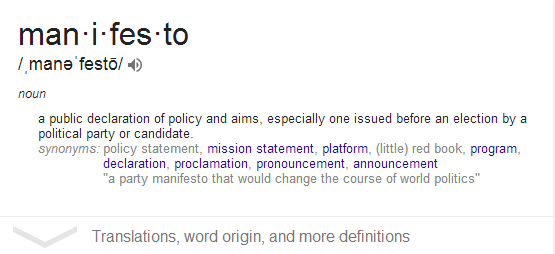
Have you ever come across a powerful statement that clearly shows what a person or group believes in and what they want to achieve? That’s a manifesto.
Understanding what a manifesto really means can help you see why it matters, whether you’re reading one, writing one, or simply curious. You’ll discover the true definition of a manifesto and why it plays such an important role in shaping ideas, movements, and even your own goals.
Keep reading to unlock the meaning behind this influential word and how it might impact your life.

Credit: www.youtube.com
Meaning Of Manifesto
A manifesto is more than just a written statement. It represents a clear declaration of intentions, beliefs, or goals by an individual, group, or organization. Understanding its meaning helps you see how powerful words can guide actions and influence change.
What Does Manifesto Mean?
The word “manifesto” comes from the Latin word “manifestum,” meaning clear or conspicuous. It is a public document that openly shares ideas and plans. Unlike vague promises, a manifesto sets specific aims and values for others to understand and follow.
Key Characteristics Of A Manifesto
- Clarity:It states ideas plainly, leaving no room for confusion.
- Purpose-driven:It focuses on what the author wants to achieve.
- Persuasive:It aims to inspire or convince others to join a cause.
- Public:It is meant to be shared openly with a wide audience.
Why Your Manifesto Matters
Think about a time when you felt stuck or unsure about your direction. Writing down your core beliefs and goals, like a personal manifesto, can bring focus and motivation. It acts as a compass, helping you stay true to what really matters during challenges.
Examples Of Manifestos In Action
| Type | Description | Impact |
|---|---|---|
| Political Manifesto | A document outlining a party’s policies before elections. | Helps voters understand party goals and promises. |
| Artistic Manifesto | Artists declare new styles or movements. | Shapes cultural trends and inspires creativity. |
| Personal Manifesto | An individual’s statement of values and life goals. | Guides personal growth and decision-making. |
What would you include if you wrote your own manifesto? Would it focus on your career, values, or a cause you care about? Crafting your manifesto invites you to think deeply about what drives you and how you want to show up in the world.
Origins And History
The origins and history of the manifesto reveal its role as a powerful tool for expressing ideas and rallying support. Understanding where manifestos come from helps you appreciate their impact beyond just words on paper. These documents have shaped political movements, artistic revolutions, and social changes throughout history.
Early Roots Of Manifestos
The word “manifesto” comes from the Latin “manifestum,” meaning clear or obvious. Early manifestos were often royal proclamations or public declarations by rulers to announce policies or intentions. These early forms aimed to communicate directly with the people, making intentions transparent and clear.
The Political Rise Of Manifestos
Manifestos gained political importance during the Renaissance and Enlightenment periods. Think about the famous “Communist Manifesto” by Karl Marx and Friedrich Engels in 1848—it was more than just a pamphlet; it was a call to action that influenced millions. Political parties still use manifestos today to outline their goals before elections, showing how this tradition continues to shape governance.
Manifestos In Art And Culture
Manifestos are not limited to politics. Artists and writers have used them to challenge norms and introduce new movements. The Futurist Manifesto of 1909, for example, boldly rejected the past and celebrated technology and speed. By issuing such manifestos, creative groups invited audiences to rethink culture and embrace change.
Modern Manifestos And Their Impact
Today, manifestos appear in many forms—from tech startups sharing visions to social activists demanding justice. They remain tools for clear, direct communication that motivates people to act. What ideas would you boldly declare if you wrote your own manifesto?
Types Of Manifestos
Manifestos come in various forms, each serving a unique purpose depending on the context and audience. Understanding the different types can help you identify their goals and the messages they aim to deliver. Whether you’re crafting one or analyzing existing documents, recognizing these categories provides clarity and focus.
Political Manifestos
Political manifestos outline a party’s beliefs, policies, and goals during elections. They communicate what voters can expect if the party gains power. Have you ever wondered why some manifestos inspire strong loyalty while others are quickly forgotten? It often depends on how clearly they address public concerns and offer practical solutions.
These documents can shape a nation’s future, making them powerful tools for change. They usually include promises on education, healthcare, economy, and foreign policy. When reading one, ask yourself: does it provide realistic plans, or just broad statements?
Artistic Manifestos
Artistic manifestos express the vision and philosophy of artists or creative groups. They challenge existing norms and encourage new ways of thinking about art. If you’ve ever felt stuck creatively, reading an artistic manifesto might spark fresh ideas.
These manifestos often come with bold, passionate language to provoke thought and inspire action. Movements like Surrealism and Futurism used them to unite artists under shared goals. Think about how your own creative work reflects your personal manifesto—what values or rules guide you?
Corporate Manifestos
Corporate manifestos define a company’s mission, values, and culture. They help employees and customers understand what the brand stands for beyond just products or services. Have you noticed how some brands create a strong emotional connection through their manifestos?
These documents focus on commitment to quality, innovation, or social responsibility. They often guide decision-making and shape company behavior. If you run a business, crafting a clear corporate manifesto can align your team and attract loyal customers who share your values.
Credit: medium.com
Key Elements
A manifesto is more than just words on paper. It is a clear statement that guides actions and beliefs. Understanding its key elements helps to see why it matters. These elements shape the message and impact of a manifesto. They ensure the manifesto speaks clearly and with purpose.
Purpose And Goals
The purpose defines why the manifesto exists. It sets the direction and focus. Goals explain what the manifesto aims to achieve. They provide clear targets to work towards. A strong manifesto has a clear, simple purpose and specific goals. This makes it easier to follow and support.
Audience Targeting
A manifesto is written for a particular group of people. Knowing the audience helps shape the message. It uses language and ideas that the audience understands. The manifesto should connect with their values and needs. This makes the message more powerful and convincing.
Tone And Style
The tone sets the mood of the manifesto. It can be firm, hopeful, or passionate. Style means how the words are arranged and presented. Simple, clear language works best for wide audiences. The tone and style must match the purpose and audience. This keeps readers engaged and motivated to act.
Impact And Influence
A manifesto is more than just a written statement; it carries the power to shape opinions, inspire actions, and change the course of communities and businesses. Its impact can ripple through society, influencing how people think, behave, and align their values. Understanding this influence helps you see why manifestos matter beyond words on a page.
Social Change
Manifestos often serve as a catalyst for social change by clearly stating demands and visions for a better future. They unite people around a cause, giving voice to shared frustrations and hopes.
Take the Civil Rights Movement, for example. The manifestos and declarations issued during that time helped millions realize the urgency of equality and justice. Have you ever considered how your own beliefs could be shaped by a powerful statement?
Cultural Movements
Cultural movements thrive on manifestos to define their identity and purpose. These documents provide a framework that helps groups challenge existing norms and introduce new ideas.
Think about the impact of the Futurist Manifesto in the early 20th century—it didn’t just describe art; it pushed society to rethink progress and creativity. What cultural ideas do you feel need a manifesto today?
Brand Identity
In business, manifestos build strong brand identities by clearly communicating values and promises to customers. They create emotional connections that go beyond products or services.
Brands like Patagonia use their manifesto to show commitment to environmental responsibility, which attracts loyal customers who share those values. What would your brand’s manifesto say about what you stand for?
Creating An Effective Manifesto
Creating an effective manifesto means crafting a clear, powerful statement. It shows your beliefs and goals in a way others can understand and support. Every manifesto should inspire action and build trust. Focus on making it simple yet strong. This helps your message reach more people and create real impact.
Clear Vision
A manifesto must start with a clear vision. This means knowing exactly what you want to say. Your vision guides the whole message and helps readers see your purpose. Avoid vague ideas. Use specific words that explain your goals and values. A clear vision makes the manifesto easy to follow and remember.
Concise Language
Keep your language simple and to the point. Long sentences confuse readers and lose their interest. Use short sentences and common words. Avoid jargon or complex terms. Concise language helps everyone understand your message fast. It also makes the manifesto stronger and more direct.
Emotional Appeal
People connect with feelings, not just facts. Use words that touch emotions like hope, courage, or unity. Share stories or examples that make your message real. Emotional appeal creates a bond with readers and motivates them to act. It makes your manifesto memorable and powerful.

Credit: www.youtube.com
Frequently Asked Questions
What Is A Manifesto In Simple Terms?
A manifesto is a public declaration of beliefs, goals, or intentions. It outlines values and plans to guide actions or policies clearly and persuasively.
Why Do People Or Groups Create Manifestos?
People or groups create manifestos to express their vision and rally support. It helps communicate core principles and inspire collective action effectively.
How Does A Manifesto Differ From Other Documents?
A manifesto specifically states intentions and beliefs publicly. Unlike reports or plans, it aims to motivate change and influence opinions directly.
Can A Manifesto Influence Political Or Social Change?
Yes, manifestos often shape political platforms or social movements. They provide clear direction and unite supporters around common objectives for impactful change.
Conclusion
A manifesto clearly shares a group’s or person’s main ideas. It helps people understand goals and values quickly. Writing a manifesto can guide actions and decisions. Many leaders and organizations use manifestos to show what they stand for. Knowing what a manifesto means helps you see its role in communication.
It is more than just words—it shapes beliefs and plans. Keep this simple idea in mind when you read or write one. A manifesto speaks with purpose and clarity.

Similar Posts