What Year Did Manifest Destiny Start: Unveiling History
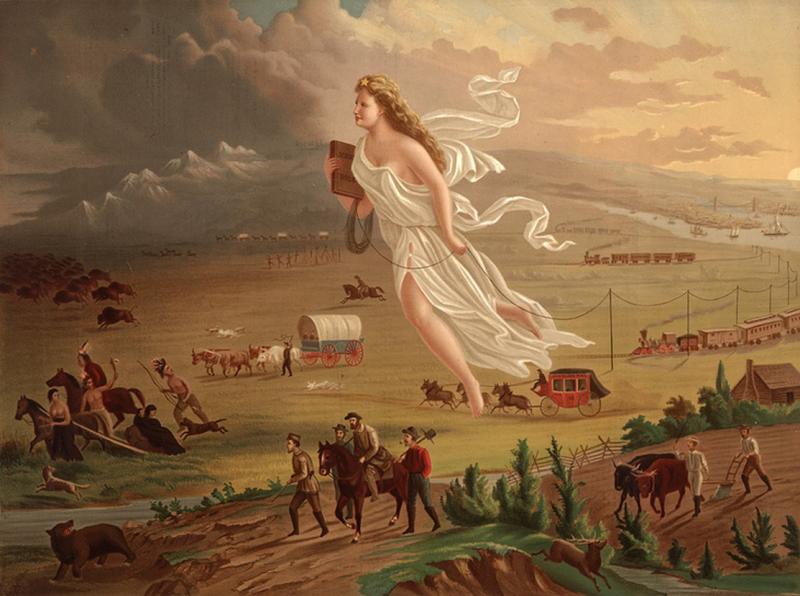
Have you ever wondered when Manifest Destiny began and why it became such a powerful idea in American history? Understanding the exact year it started can give you a clearer picture of how the United States grew and changed.
This moment shaped the future of the country and influenced the lives of millions. Keep reading, and you’ll discover not just the year Manifest Destiny began, but also why it mattered so much—and how it still affects your world today.

Credit: www.youtube.com
Origins Of Manifest Destiny
The origins of Manifest Destiny trace back to a time when the United States was eager to grow beyond its original borders. This idea wasn’t born overnight but developed through a mix of early expansionist thinking and the political currents of the 1840s. Understanding these roots helps you see why Manifest Destiny captured the American imagination and shaped the nation’s path.
Early American Expansion Ideas
Long before the term “Manifest Destiny” was coined, many Americans believed the country was meant to stretch from the Atlantic to the Pacific. This belief was influenced by a sense of mission and opportunity. People saw the vast western lands as a chance for new beginnings, wealth, and freedom.
Land policies like the Louisiana Purchase and the Lewis and Clark expedition laid the groundwork. These events fueled the hope that expansion was both possible and desirable. If you think about it, this early mindset set the stage for the more aggressive push westward that came later.
Political Climate In The 1840s
The 1840s were a turning point. The nation was divided over issues like slavery and economic growth, but one common goal united many: expanding the country’s borders. Politicians used expansion to rally support and promote national pride.
During this decade, key events like the annexation of Texas and the Oregon Trail migration stirred public enthusiasm. The debate over whether to add new territories as free or slave states intensified. You might wonder how these tensions shaped the urgency behind Manifest Destiny.
This political backdrop made expansion seem not just desirable but inevitable. It was a time when ambition and conflict pushed America to claim more land and redefine its identity.
Key Figures Behind Manifest Destiny
Manifest Destiny was not just a popular idea; it was driven by key people who shaped its path. These figures had strong beliefs about expanding the United States. Their words and actions helped make Manifest Destiny a reality.
Understanding these individuals gives a clearer view of the movement’s true meaning. They inspired many Americans to support growth and change across the continent.
Influence Of John L. O’sullivan
John L. O’Sullivan coined the term “Manifest Destiny” in 1845. He was a writer and editor who believed the U.S. had a special mission to spread freedom. His articles encouraged Americans to see expansion as a duty.
O’Sullivan argued that the nation was chosen to spread democracy and culture. His ideas made many people feel that growth was both natural and right. He helped turn expansion into a popular national goal.
Role Of President James K. Polk
President James K. Polk was a strong supporter of Manifest Destiny. He served from 1845 to 1849 and pushed for expanding U.S. territory. Polk worked hard to acquire lands in the West and Southwest.
Polk’s leadership led to the annexation of Texas and the Oregon Territory. He also guided the country through the Mexican-American War. These actions added large areas to the United States and fulfilled expansion goals.
Major Events Marking The Start
The start of Manifest Destiny is marked by key events that shaped the United States’ path westward. These moments triggered political debates, conflicts, and new opportunities for expansion. Understanding these events helps explain why Manifest Destiny became a powerful idea in the 1840s.
Two major events stand out as the beginning points. Each played a crucial role in pushing the nation toward growth and change. These events also showed the challenges of expanding borders and influence.
Annexation Of Texas
The annexation of Texas in 1845 was a major step in Manifest Destiny. Texas had declared independence from Mexico in 1836 and existed as a separate republic. Many Americans wanted Texas to join the United States.
Texas becoming part of the U.S. increased tensions with Mexico. Mexico never accepted Texas’ independence and warned against U.S. annexation. This event led to the Mexican-American War, which helped the U.S. gain more land.
Oregon Territory Dispute
The Oregon Territory was another hotspot in the early 1840s. Both Britain and the United States claimed this land in the Pacific Northwest. Settlers from the U.S. moved into the region, seeking new opportunities.
The dispute was settled in 1846 with the Oregon Treaty. The agreement divided the land at the 49th parallel, giving the U.S. control of the southern part. This peaceful resolution showed the U.S. was serious about expanding its territory.

Credit: www.aspendailynews.com
Impact On U.s. Geography
The impact of Manifest Destiny on U.S. geography was profound and reshaped the nation’s physical and political landscape. It triggered a wave of territorial expansion that extended the country’s borders from the Atlantic to the Pacific. At the same time, it dramatically affected Native American lands, altering the lives of countless indigenous communities.
Territorial Expansion
Manifest Destiny fueled the United States’ push westward, leading to the acquisition of vast new territories.
This expansion included:
- The annexation of Texas in 1845
- The Oregon Territory settlement in 1846
- The Mexican Cession following the Mexican-American War in 1848
- The Gadsden Purchase in 1854
These additions nearly doubled the size of the country within a few decades. Imagine how different your daily life might be if the U.S. had never expanded beyond the original 13 colonies. How would your sense of identity change without the states added during this period?
Effect On Native American Lands
The drive for expansion came at a heavy cost to Native American tribes. Large areas of tribal land were seized or reassigned as settlers moved west.
This led to:
- Forced relocations, such as the Trail of Tears
- Broken treaties and loss of hunting grounds
- Increased conflicts and warfare with settlers and the U.S. military
The changes disrupted traditional ways of life and caused lasting trauma. Have you ever considered how the landscape you live in might hold stories of displacement and resilience?
Cultural And Political Effects
The era of Manifest Destiny did more than just expand the map of the United States; it reshaped the country’s culture and politics in profound ways. The belief that the U.S. was destined to stretch from coast to coast sparked intense feelings of pride and unity for some, while also igniting deep conflicts over the nation’s future. Understanding these cultural and political effects helps you see how Manifest Destiny set the stage for major changes in American life.
Rise Of Nationalism
Manifest Destiny fueled a strong sense of nationalism. Americans believed their country had a special mission, which boosted national pride and confidence. This belief encouraged many to support westward expansion, thinking it was their duty to spread democracy and civilization.
However, this nationalism wasn’t just about pride—it also created a shared identity. People from different backgrounds started to see themselves as part of a larger American story. Have you ever felt a sense of belonging that changed how you view your country? That’s the kind of feeling nationalism sparked during this time.
Slavery And Sectional Tensions
As new territories were added, the question of whether to allow slavery became a major political issue. This sparked fierce debates between the North and South, making sectional tensions worse. Each side worried the balance of power in Congress would shift, threatening their way of life.
These tensions didn’t just stay political; they affected communities and families too. The struggle over slavery in new states showed how deeply divided the nation was becoming. How might your own community react if a controversial issue suddenly became unavoidable?
Legacy Of Manifest Destiny
The legacy of Manifest Destiny shaped the United States in many ways. It drove westward expansion and changed the country’s map. It also affected the people living in those lands, including Native Americans and settlers. The idea influenced politics, culture, and the economy for years after it began. Understanding this legacy helps us see how history impacts today’s America.
Long-term Consequences
Manifest Destiny led to the growth of U.S. territory across the continent. New states were added, and cities grew. The expansion created conflicts with Native American tribes and other countries. It also intensified debates over slavery, contributing to the Civil War. The economy benefited from new lands and resources. Yet, the cost included displacement and suffering for many indigenous people.
Modern Perspectives
Today, people see Manifest Destiny in different ways. Some view it as a time of progress and opportunity. Others focus on its negative effects on Native Americans and the environment. Schools and historians discuss both the achievements and the harm caused. The legacy is complex, showing how history can hold both pride and pain. This helps us learn from the past and think about fairness and justice.

Credit: www.instagram.com
Frequently Asked Questions
When Did Manifest Destiny Begin In U.s. History?
Manifest Destiny began in 1845, popularized by journalist John L. O’Sullivan. It described the U. S. belief in expanding westward across North America.
What Events Marked The Start Of Manifest Destiny?
The annexation of Texas in 1845 and the Oregon Trail migration marked its beginning. These events fueled the desire for territorial expansion.
Why Is 1845 Important For Manifest Destiny?
In 1845, the term “Manifest Destiny” was first used publicly. It symbolized America’s mission to spread democracy and civilization westward.
How Did Manifest Destiny Influence U.s. Policies?
It drove policies like westward expansion, the Mexican-American War, and the Oregon Territory dispute. These shaped the nation’s borders and growth.
Conclusion
Manifest Destiny began around 1845, shaping U. S. History deeply. It pushed Americans west, seeking land and opportunity. This idea influenced many events, including wars and treaties. People believed the nation should grow coast to coast. Understanding its start helps explain America’s growth and challenges.
The impact of Manifest Destiny still shows today. History teaches us about ambition and its costs. Remembering this helps us learn from the past.

Similar Posts