Who Created Manifest Destiny: Unveiling the Visionaries Behind Expansion
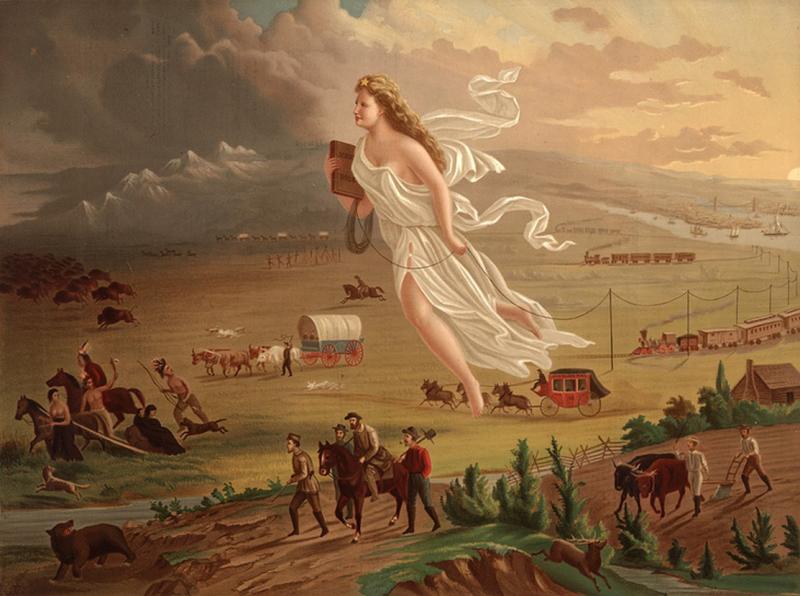
Have you ever wondered who really created the idea of Manifest Destiny? This powerful belief shaped a whole era in American history and changed the country’s future forever.
Understanding who started it helps you see why it mattered so much and how it influenced the way the nation grew. Keep reading, and you’ll discover the surprising story behind this bold vision that still sparks debate today.
Credit: pastorbhart.medium.com
Origins Of Manifest Destiny
Manifest Destiny grew from deep roots in early America. It was not just a sudden idea but a mix of beliefs and hopes. The idea shaped how many Americans saw their future and their nation’s role in the world. Understanding its origins helps explain why it gained such strong support.
Early American Expansion Ideas
From the country’s start, people believed in moving west. Many thought the land was a gift to grow and build new lives. Settlers pushed beyond the original colonies, seeking farms and freedom. The Louisiana Purchase in 1803 doubled the nation’s size, fueling dreams of more land. Early explorers and pioneers set the stage for a bigger America.
Cultural And Political Climate
The 1800s brought strong feelings about America’s destiny. People believed the country had a special role to spread democracy. This idea mixed with a sense of cultural superiority and duty. Politicians used Manifest Destiny to justify expansion policies. The belief united many behind expanding borders and influence. It shaped laws and actions that changed the continent.
Key Visionaries
Manifest Destiny was not just a phrase but a powerful idea shaped by key visionaries. These individuals influenced American beliefs and policies in the 19th century. Their words and actions helped define the nation’s path westward. Understanding their roles reveals how Manifest Destiny became a driving force in U.S. history.
John L. O’sullivan And The Term’s Coinage
John L. O’Sullivan was a journalist and editor. He first used the term “Manifest Destiny” in 1845. O’Sullivan believed the United States had a special mission. He wrote that America must spread its values and government across the continent. His phrase captured the idea of divine right and national expansion.
President James K. Polk’s Role
James K. Polk was a strong supporter of Manifest Destiny. As president, he pushed for territorial growth. Polk led the U.S. during the Mexican-American War. This conflict resulted in new lands for the United States. His presidency marked a period of rapid expansion and fulfilled many Manifest Destiny goals.
Influence Of Other Political Leaders
Many political leaders supported the idea in different ways. Senators like Henry Clay and Stephen Douglas debated expansion openly. Some leaders promoted economic growth through land acquisition. Others saw Manifest Destiny as a way to spread democracy. Together, these leaders shaped policies and public opinion.
Manifest Destiny And Public Opinion
Manifest Destiny was more than a political slogan; it was a powerful idea shaped by the feelings and beliefs of many Americans. Public opinion played a crucial role in driving the expansionist spirit that defined the 19th century. Understanding how people’s views were influenced helps you see why Manifest Destiny gained such strong support.
Press And Popular Media Influence
The newspapers and magazines of the time were key players in shaping public opinion about Manifest Destiny. Editors often published bold headlines and stories that celebrated westward expansion as a national mission.
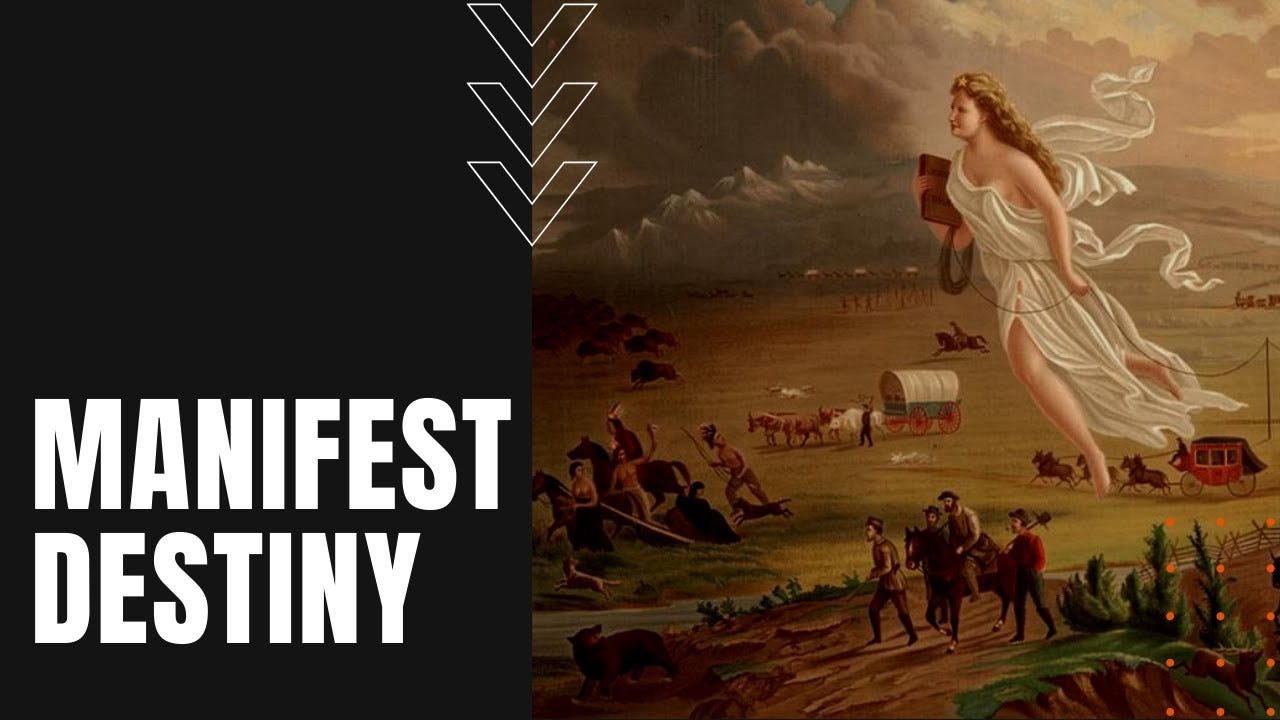
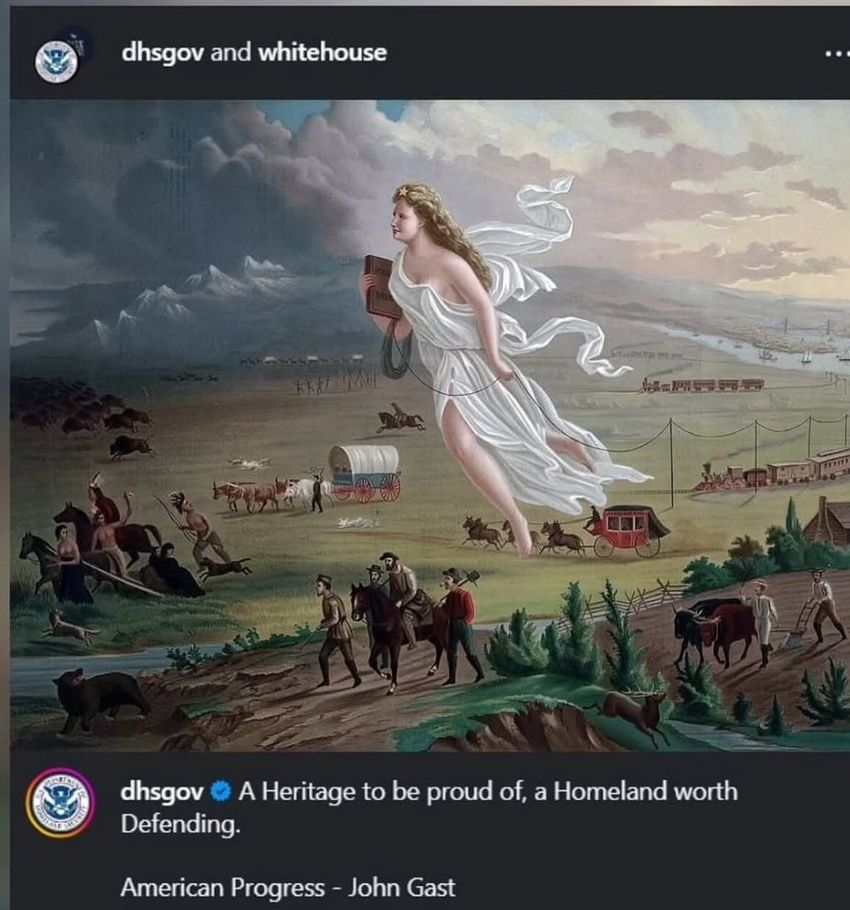
Cartoons and illustrations made complex political ideas easy to understand and sparked enthusiasm among readers. Have you noticed how media today can change your opinion quickly? Back then, it worked the same way, encouraging many to support territorial growth.
Political leaders also used speeches and articles to connect with everyday citizens, making the idea of Manifest Destiny feel personal and urgent. This widespread media coverage helped turn expansion into a popular cause.
Religious And Moral Justifications
Many Americans believed their westward push was not just political but also a moral duty. Religious leaders argued that it was God’s will for the United States to spread its values and civilization across the continent.
This belief gave people a sense of purpose and righteousness, making it easier to accept the hardships and conflicts involved. It’s like when you feel strongly about a cause—it fuels your commitment and actions.
Understanding this moral framework helps you see why Manifest Destiny wasn’t just about land. It was about fulfilling a destiny that many believed was ordained by a higher power.

Credit: www.facebook.com
Impact On Native Americans And Mexico
The idea of Manifest Destiny changed the lives of Native Americans and Mexicans forever. It pushed the United States to expand its borders westward. This expansion brought big changes and many conflicts. Native tribes lost land and faced new threats. Mexico lost large parts of its territory. The impact was deep and lasting.
Territorial Changes And Conflicts
Manifest Destiny led the U.S. to claim vast lands from Mexico. The Treaty of Guadalupe Hidalgo ended the Mexican-American War. It gave the U.S. control over California, Arizona, New Mexico, and more. These new lands were once part of Mexico. The border moved far south and west.
Native Americans found themselves caught in the middle. The U.S. government and settlers pushed into tribal lands. This caused many battles and forced removals. The land Native Americans had lived on for generations changed hands quickly.
Consequences For Indigenous Peoples
Native peoples suffered great losses. Their hunting grounds and homes were taken. Many tribes were forced to move west or north. This caused hunger, illness, and death in some cases. The U.S. government often ignored treaties with Native tribes.
Traditional ways of life were disrupted. Native Americans faced cultural erosion and loss of autonomy. The arrival of settlers brought new diseases and violence. Many tribes resisted but faced overwhelming force. The legacy of Manifest Destiny left deep scars on Native communities.
Legacy Of Manifest Destiny
The legacy of Manifest Destiny reaches far beyond its 19th-century origins. It shaped the very fabric of the United States, influencing its borders, society, and politics in lasting ways. Understanding this legacy helps you see how past ambitions continue to affect your country today.
Shaping Modern U.s. Borders
Manifest Destiny was a driving force behind the expansion of U.S. territory from the Atlantic to the Pacific. The acquisitions of Texas, Oregon, and California were direct results of this belief. These expansions set the stage for the 48 contiguous states you know now.
Think about how different the country would be if the U.S. had not pushed westward. The boundaries you see on maps today reflect decades of negotiations, wars, and treaties influenced by Manifest Destiny. This expansion also opened new economic opportunities and migration paths.
Long-term Social And Political Effects
Manifest Destiny fueled intense debates about slavery, citizenship, and native rights that still echo in political discussions today. It intensified sectional tensions that contributed to the Civil War. Your understanding of American history must include how expansion affected social divisions and policies.
It also changed the cultural landscape by displacing Native American communities and altering demographics. Did you know many current social challenges trace back to conflicts and policies from this era? Reflecting on this can deepen your insight into ongoing issues of identity and justice.
Credit: m.facebook.com
Frequently Asked Questions
Who Coined The Term Manifest Destiny?
The term “Manifest Destiny” was coined by journalist John L. O’Sullivan in 1845. He used it to express the belief that the U. S. was destined to expand across North America.
What Inspired The Idea Of Manifest Destiny?
Manifest Destiny was inspired by a mix of nationalism, economic interests, and the belief in American cultural superiority. It motivated territorial expansion.
Which U.s. President Supported Manifest Destiny?
President James K. Polk strongly supported Manifest Destiny. He promoted westward expansion and oversaw the annexation of Texas and the Oregon Territory.
How Did Manifest Destiny Affect Native Americans?
Manifest Destiny led to the forced removal and displacement of many Native American tribes. It caused significant cultural and population losses.
Conclusion
Manifest Destiny shaped America’s history in profound ways. It symbolized expansion and opportunity. The idea fueled westward growth, impacting countless lives. It was deeply rooted in beliefs of progress and destiny. This vision was embraced by many leaders and citizens.
Their actions changed landscapes and cultures forever. Understanding its origins offers insight into America’s past. It helps us see the dreams and challenges faced. The legacy of Manifest Destiny still influences thoughts today. As history unfolds, its impact remains significant.
Recognizing this helps appreciate the complexities of American expansion. The story of Manifest Destiny is one of ambition and consequence.

Similar Posts