When Did Manifest Destiny Start: Unveiling Its Origins
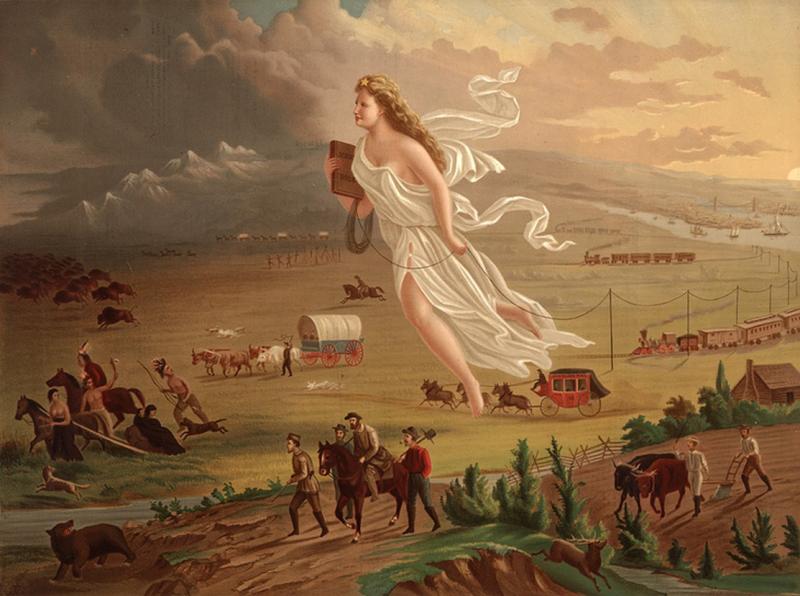
Have you ever wondered when Manifest Destiny really began? Understanding the exact starting point of this powerful idea can change how you see American history.
It’s more than just a date—it’s about the hopes, beliefs, and actions that shaped a nation. You’ll discover the moment Manifest Destiny took hold and why it still matters today. Keep reading to unlock the story behind this important chapter in history.
Roots Of Manifest Destiny
The roots of Manifest Destiny lie deep in America’s early history. This idea grew from a strong desire to expand the nation’s land and influence. Understanding these roots helps explain why Americans felt destined to stretch their country from coast to coast.
Early American Expansionism
Before Manifest Destiny became popular, Americans already sought to grow their territory. The Louisiana Purchase in 1803 doubled the size of the United States. Settlers moved westward, exploring new lands and claiming them. This early expansion set the stage for bigger ambitions.
Political Climate In The 19th Century
The 1800s brought political changes that fueled expansion. Leaders debated how far the country should grow. Some wanted to spread democracy and control more land. Others feared conflict with Native Americans and foreign powers. These debates shaped policies that encouraged westward movement.
Influence Of Nationalism And Religion
Strong feelings of nationalism pushed Americans to believe their country was unique. Many thought the United States had a special mission to spread freedom. Religion also played a role, with some seeing expansion as God’s plan. This mix of pride and faith made Manifest Destiny a powerful idea.

Credit: www.instagram.com
Key Figures And Advocates
The idea of Manifest Destiny did not emerge out of nowhere. It gained momentum through the efforts of key figures and passionate advocates who shaped the mindset of a growing nation. Understanding who pushed this vision forward helps you grasp how powerful ideas take hold in society.
John L. O’sullivan’s Role
John L. O’Sullivan was a journalist who gave Manifest Destiny its name in 1845. He argued that the United States was destined to expand across the continent. His words sparked enthusiasm and justified expansion as a moral mission.
O’Sullivan’s writings made the idea accessible to many Americans. He framed expansion not just as territorial growth but as spreading liberty and democracy. Have you ever noticed how a compelling phrase can shape public opinion almost overnight?
Presidents And Politicians Who Supported Expansion
Several presidents embraced Manifest Destiny to varying degrees. James K. Polk, for example, aggressively pursued territorial expansion, leading to the annexation of Texas and the Oregon Territory. His clear focus on expansion helped turn the idea into government policy.
Other politicians supported Manifest Destiny to gain voter support or strengthen the nation. Their speeches and policies often highlighted economic opportunities tied to new lands. Think about how leaders today use popular ideas to rally support—Manifest Destiny was a powerful tool in their hands.
Public Opinion And Media Influence
The media played a huge role in spreading Manifest Destiny. Newspapers and pamphlets regularly published stories about the benefits of westward expansion. These accounts often painted a positive and exciting picture of new frontiers.
Public opinion was shaped by these stories, creating a sense of urgency and national pride. The media’s influence shows how information can steer the mindset of an entire country. What current issue do you see being shaped by today’s media in a similar way?
Major Events Marking The Start
The start of Manifest Destiny is tied to several key events in the mid-1800s. These events pushed the United States to expand its borders westward. They shaped the nation’s growth and its belief in spreading democracy and civilization. Understanding these moments helps explain how Manifest Destiny began.
Annexation Of Texas
Texas won independence from Mexico in 1836. The U.S. debated adding Texas as a state for years. In 1845, the U.S. officially annexed Texas. This angered Mexico and increased tensions between the two countries. Annexation marked a bold step toward westward expansion.
Oregon Territory Dispute
The Oregon Territory was claimed by both Britain and the U.S. Settlers wanted the land for farming and trade. The phrase “Fifty-Four Forty or Fight!” showed American desire to control the area. In 1846, a treaty settled the border at the 49th parallel. This peaceful agreement added valuable land to the U.S.
Mexican-american War
The war began in 1846 after disputes over Texas and other territories. The U.S. army fought Mexico to gain more land. The war ended in 1848 with the Treaty of Guadalupe Hidalgo. The U.S. acquired a vast region including California and New Mexico. This victory fulfilled much of the Manifest Destiny goal.
Credit: pastorbhart.medium.com
Cultural And Economic Drivers
The idea of Manifest Destiny grew from strong cultural beliefs and economic hopes. Many Americans felt it was their right to spread across the continent. This belief combined with the desire for wealth and land pushed the nation westward. The promise of a better life and new opportunities attracted many settlers. At the same time, this expansion deeply affected Native American communities and stirred debates about slavery.
Economic Opportunities In The West
The West promised abundant land and natural resources. Farmers sought fertile soil for crops. Miners rushed to find gold and silver. Traders and businesses aimed to serve growing towns. Railroads began expanding to connect markets. This growth created jobs and wealth for many. The chance to own land attracted immigrants and settlers. Economic hope fueled the push toward new territories.
Impact On Native American Populations
Native Americans faced great challenges as settlers moved west. Their lands were taken for farming and towns. Many tribes were forced to move to smaller areas. Conflicts and violence increased between settlers and Native peoples. Traditional ways of life were disrupted or lost. Disease and hunger also affected Native communities. The expansion caused deep and lasting harm to indigenous cultures.
Manifest Destiny And Slavery Debates
New territories raised questions about slavery’s future. Should these lands allow slavery or not? This issue split the country into North and South. Political fights grew over laws and new states. The debate increased tensions and led to conflict. Manifest Destiny was closely tied to these national struggles. The expansion tested the balance of power in America.
Legacy Of Early Manifest Destiny
The legacy of early Manifest Destiny shaped the United States in many important ways. It drove the country to grow quickly. It also created changes that lasted for centuries. The impacts of this idea still affect America today.
Manifest Destiny was more than just land growth. It helped form the nation’s identity and politics. The results of expansion were complex. There were both positive and negative effects on society.
Territorial Expansion Outcomes
- Added millions of square miles to the U.S.
- Opened new lands for farming and settlement.
- Led to conflicts with Native American tribes.
- Caused tension with other countries like Mexico and Britain.
- Helped create new states and regions.
Shaping American Identity
Manifest Destiny built a sense of purpose and pride. It made many Americans believe they had a special mission. This idea influenced culture, art, and literature.
People saw the nation as a land of opportunity. It strengthened ideas of freedom and progress. However, it also deepened divisions over slavery and race.
Long-term Political Consequences
- Expanded U.S. influence across the continent.
- Fueled debates over slavery in new territories.
- Contributed to the causes of the Civil War.
- Shaped policies about immigration and citizenship.
- Set the stage for America’s rise as a global power.

Credit: www.albert.io
Frequently Asked Questions
When Did Manifest Destiny Officially Begin?
Manifest Destiny officially began in the 1840s, around 1845. It was a belief that the U. S. was destined to expand across North America.
Who First Coined The Term Manifest Destiny?
The term “Manifest Destiny” was first coined by journalist John L. O’Sullivan in 1845. He used it to promote U. S. territorial expansion.
What Events Marked The Start Of Manifest Destiny?
The annexation of Texas in 1845 and the Oregon Trail migration marked the start of Manifest Destiny. These events fueled expansionist sentiment.
How Did Manifest Destiny Influence U.s. Policies?
Manifest Destiny influenced policies like westward expansion, the Mexican-American War, and the Oregon boundary dispute. It shaped America’s growth mindset.
Conclusion
Manifest Destiny began in the 1840s as a belief in westward expansion. It shaped America’s growth and changed its history. People wanted more land and new opportunities. This idea affected politics, culture, and the nation’s borders. Understanding when it started helps explain many events in U.
S. History. The desire to expand was strong and led to big changes. The story of Manifest Destiny is key to knowing America’s past.

Similar Posts