Quã© Son Las Manifestaciones: Discover Their Impact

Have you ever wondered what “Quã© Son Las Manifestaciones” really means and why it matters to you? Understanding this concept can open your eyes to the powerful ways people express their ideas, feelings, and demands.
Whether you’ve seen protests, artistic displays, or social movements, manifestations are all around you. This article will help you discover what they are, why they happen, and how they impact your everyday life. Keep reading to unlock the surprising truth behind these powerful expressions.
Credit: www.univision.com
Types Of Manifestations
Manifestations express people’s feelings and demands in many ways. Different types of manifestations show unique styles and goals. Understanding these types helps to see how people raise their voices.
Spontaneous Manifestations
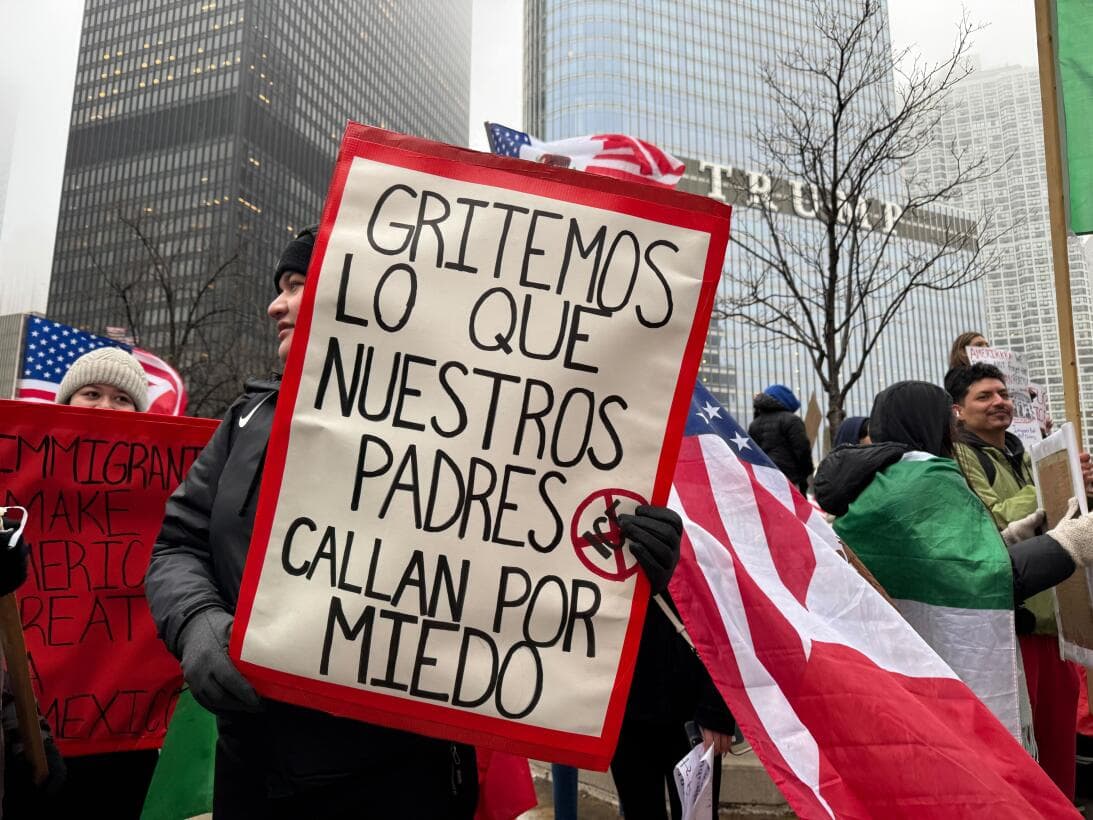
Spontaneous manifestations happen without planning. They start quickly after an event or news. People gather fast to show their feelings. These protests can be loud and emotional. They often happen in public spaces like streets or squares.
Organized Demonstrations
Organized demonstrations need planning and coordination. Leaders set the time, place, and purpose. Participants know what to expect and what to do. These demonstrations can last longer and attract more people. They use banners, speeches, and chants to share their message.
Virtual Protests
Virtual protests happen online using social media and websites. People share posts, videos, and hashtags to support a cause. Virtual protests reach many people quickly across the world. They allow participation without physical presence. These protests often raise awareness and pressure decision-makers.
Causes Behind Manifestations
Understanding the causes behind manifestations helps explain why people take to the streets. These events often reflect deeper issues in society. People express frustration and demand change. The root causes usually involve social, political, and economic factors.
Social Inequality
Social inequality causes tension among different groups. Unequal access to education, healthcare, and basic rights fuels anger. Many feel ignored or treated unfairly. This gap creates feelings of injustice. People want equal opportunities and respect.
Political Grievances
Political problems often trigger manifestations. Lack of representation, corruption, and poor governance anger citizens. People demand transparency and accountability from leaders. When voices are silenced, protests become a way to be heard. Political instability also adds to public unrest.
Economic Issues
Economic struggles play a major role in causing protests. High unemployment, low wages, and rising prices create stress. Many people cannot afford basic needs. Economic hardships push citizens to demand better conditions. They seek job security and fair pay.
Impact On Society
The impact of manifestaciones on society is profound and multifaceted. These public demonstrations often serve as catalysts for change, affecting how communities think, act, and govern themselves. Understanding this impact helps you see why protests are more than just gatherings—they shape the world around you.
Raising Awareness
Manifestaciones bring hidden issues to light. When people gather to voice concerns, they capture public and media attention. This can educate you and others about problems you might not have noticed before.
Take environmental protests, for example. They have made climate change a household topic. This awareness often sparks conversations in homes and workplaces, pushing individuals to rethink daily choices.
Policy Changes
Demonstrations can pressure authorities to revise laws and regulations. When enough voices unite, policymakers find it hard to ignore public demands.
Consider how protests have led to changes in labor laws in various countries. These shifts show that your participation or support can directly influence government decisions that affect your rights and opportunities.
Community Mobilization
Manifestaciones unite people from diverse backgrounds around a common cause. This unity strengthens community bonds and builds networks of support.
When I joined a local march against injustice, I met others who became lifelong allies. This kind of mobilization empowers you and your neighbors to take action beyond the protest itself, creating lasting social change.
Manifestations And Media
Manifestations, or protests, have always relied on media to amplify their message. The way information spreads can shape public opinion and influence the movement’s outcome. Understanding the relationship between manifestations and media helps you see how your voice can reach far beyond the streets.
Role Of Traditional Media
Traditional media like newspapers, TV, and radio still hold significant power in covering manifestations. They offer a structured and often credible platform that reaches a broad audience. However, their coverage can sometimes be selective, focusing on sensational aspects rather than the core issues.
Think about a protest you watched on the news. Did it highlight the demands or just the clashes? This selective reporting can influence how people perceive the movement and either build or erode support.
Social Media Influence
Social media has changed the game by giving protesters direct control over their narrative. Platforms like Twitter, Instagram, and Facebook allow you to share real-time updates, photos, and videos without filters. This immediacy helps mobilize support quickly and keeps the conversation alive.
At the same time, social media can create echo chambers where only similar views circulate. Have you noticed how your feed often shows posts that align with your opinions? This limits exposure to different perspectives and can polarize discussions around manifestations.
Misinformation Challenges
Misinformation spreads fast during manifestations, blurring facts and rumors. Fake news, doctored images, and misleading videos can confuse both participants and observers. This creates challenges for anyone trying to understand the true nature of the protest.
Verifying information before sharing is crucial. Ask yourself: Does this source have a history of accuracy? Is there evidence supporting these claims? Taking these steps helps you contribute to a more informed and responsible public conversation.
Global Examples
Understanding global examples of manifestations helps you see the power and diversity of collective action worldwide. These events show how people unite to express their demands, challenge injustice, or promote change. By looking at various cases, you can better grasp the impact and methods of manifestations in different contexts.
Historic Movements
Historic movements like the Civil Rights Movement in the United States changed society by demanding equal rights through peaceful protests and marches. The Indian Independence Movement, led by figures like Mahatma Gandhi, used nonviolent resistance to challenge colonial rule. These examples highlight how sustained public pressure can lead to major political and social shifts.
Have you ever wondered what made these movements successful? It often came down to clear goals, widespread participation, and strategic organization. Your own efforts can benefit from these lessons when you want to make your voice heard.
Recent Protests
Recent protests such as the Black Lives Matter demonstrations and climate strikes show how modern manifestations use social media to mobilize quickly and globally. These protests often blend online campaigns with street demonstrations, making it easier to gather support. The speed and scale of these movements remind you that technology can be a powerful tool for change.
Still, not all protests follow the same path. Some focus on local issues, while others aim at international awareness. What kind of change do you want to support, and how can you connect with others who share your cause?
Cultural Differences
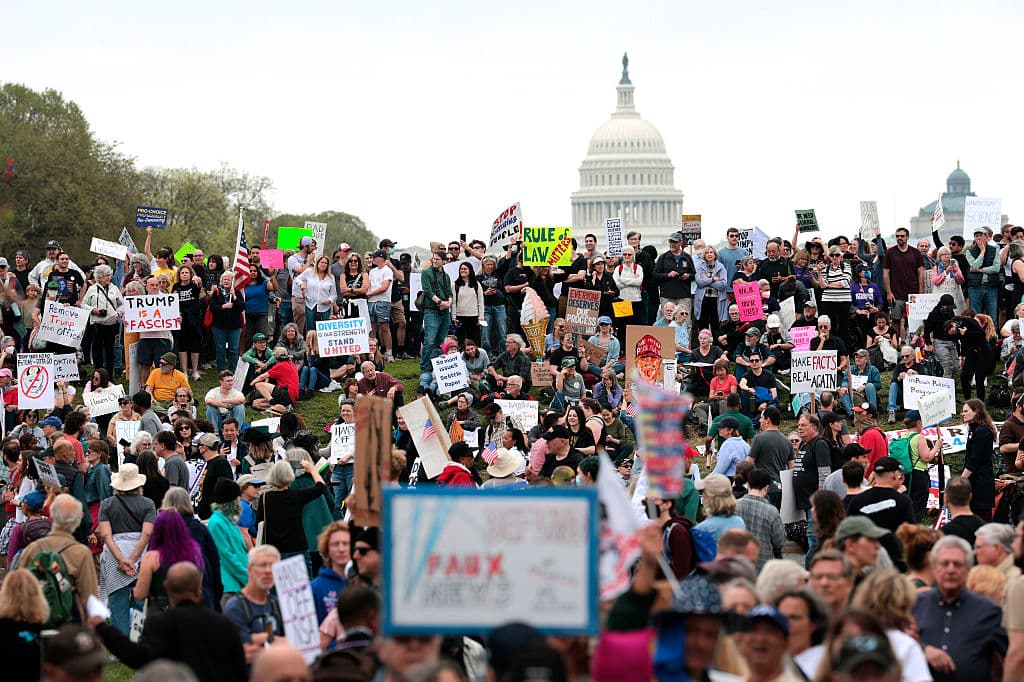
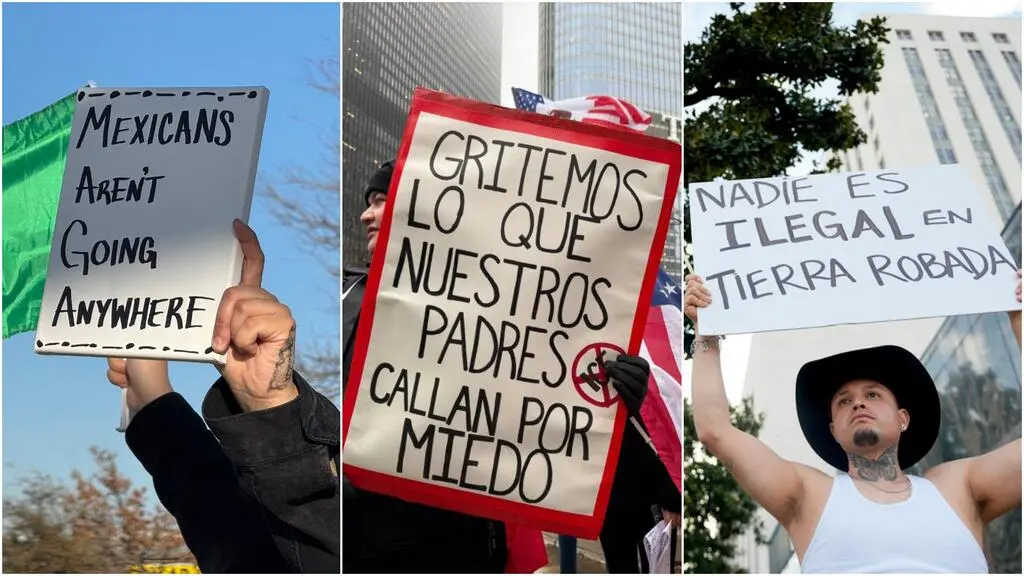
Manifestations vary widely across cultures, reflecting local customs, traditions, and political climates. In some countries, public demonstrations are common and openly accepted, while in others, they may be risky or heavily restricted. Understanding these cultural differences helps you appreciate the courage and creativity involved in organizing protests.
For example, in Japan, protests are often quiet and orderly, emphasizing respect and discipline. In contrast, some Latin American countries see vibrant, loud, and colorful demonstrations. How might these cultural styles influence the way your own community expresses its demands?
Credit: www.univision.com
Challenges Faced
Manifestations face many challenges that affect their impact and reach. These difficulties shape how protests develop and how people respond. Understanding these challenges helps grasp the complexity behind every demonstration.
Government Response
Governments often react with strict rules or restrictions. Sometimes, they limit protest locations or the number of participants. Authorities may use legal actions to discourage gatherings. This response can reduce the freedom to express opinions openly. It also creates tension between citizens and officials.
Security Concerns
Safety is a major issue during manifestations. Crowds can become difficult to control, leading to accidents. There is a risk of violence from some groups or individuals. Police presence aims to maintain order but can escalate conflicts. Organizers must plan carefully to protect participants and bystanders.
Public Perception
How the public sees manifestations varies widely. Some view protests as a vital voice for change. Others see them as disruptive or unsafe events. Media coverage influences public opinion significantly. Negative portrayals can reduce support for the cause. Positive stories help build empathy and awareness.
Future Of Manifestations
The future of manifestations is evolving with new tools and ideas. People find new ways to express their voices. These changes shape how movements grow and succeed.
Technological Advances
Technology plays a big role in modern manifestations. Social media helps spread messages quickly. Smartphones let people share live updates from protests. Online platforms create spaces for organizing and planning. Digital tools make it easier to reach more supporters. Encryption keeps communication private and safe. Technology changes how people connect and act together.
Changing Activism Trends
Activism is shifting from large crowds to diverse actions. Small, local protests gain more attention. People use art, music, and storytelling to share their causes. Digital activism grows alongside street demonstrations. Collaborative efforts between groups increase impact. New generations focus on inclusion and fairness. These trends show how activism adapts to society’s needs.
Potential Outcomes
Manifestations can lead to policy changes and social awareness. They inspire people to demand justice and rights. Some protests result in new laws or reforms. Others help build strong communities and networks. Risks remain, like conflicts or misunderstandings. The future depends on how people use these moments. Every voice adds to the power of change.
Credit: www.univision.com
Frequently Asked Questions
What Are Manifestations In Simple Terms?
Manifestations are expressions or signs showing an idea, feeling, or condition. They make abstract concepts visible or understandable.
Why Do People Create Manifestations?
People create manifestations to communicate, express emotions, or bring awareness to social or political issues. They inspire change.
How Do Manifestations Impact Society?
Manifestations raise awareness, influence opinions, and can drive social or political change. They unite people with common goals.
What Types Of Manifestations Exist?
Manifestations include protests, art, rituals, or public displays. Each type conveys messages differently but effectively.
Conclusion
Manifestations show people’s power to express their views. They often bring attention to important issues. Peaceful gatherings can inspire change and awareness. Understanding their role helps us respect others’ voices. Everyone has a right to speak up safely. Watching how manifestations work teaches us about society.
Respect and dialogue make communities stronger. Manifestations remain a key part of social action today.

Similar Posts