When was Manifest Destiny Started: Unveiling the Historic Beginning
Have you ever wondered when the idea of Manifest Destiny first took hold in America? Understanding when Manifest Destiny started can give you a clearer picture of how the United States grew into the country it is today.
This powerful belief shaped history, influenced decisions, and changed lives. You’ll discover the exact moment Manifest Destiny began and why it mattered so much to people back then. Keep reading to uncover the story behind this important chapter in American history.
Origins Of Manifest Destiny
The origins of Manifest Destiny trace back to a time when the United States was rapidly growing and looking beyond its borders. This belief, that Americans were destined to expand across the North American continent, didn’t appear overnight. It emerged from a mix of political, cultural, and economic forces that shaped the nation’s mindset in the early 19th century.
Early Influences On Expansionist Ideas
The idea of expanding the nation began with the early settlers and pioneers who moved westward in search of land and opportunity. Writers and politicians started to frame this movement as a natural and even divine right for Americans.
You might find it interesting that newspapers and pamphlets played a big role in spreading these ideas. They painted the West as a land full of promise, stirring public excitement and support for expansion.
The Role Of Politics And Leadership
Political leaders in the 1840s, including President James K. Polk, actively promoted the concept of Manifest Destiny. Polk’s administration focused on acquiring territories like Texas, Oregon, and California to fulfill this vision.
This wasn’t just about land; it was about power and influence. You might ask yourself how these political goals affected the lives of ordinary people at the time.
Economic Motivations Behind Expansion
Economic reasons also fueled Manifest Destiny. The growing population needed new farmland, and new markets were essential for the economy to thrive.
Many Americans believed that expanding westward would bring prosperity. Have you ever thought about how economic needs shape national policies today?
Cultural And Social Factors
The belief in American cultural superiority played a crucial role. Many settlers saw it as their duty to spread their way of life and government system.
This mindset affected how Native Americans and other groups were treated, raising questions about justice and ethics that still matter now.
Early Influences
The idea of Manifest Destiny did not appear overnight. It grew from earlier beliefs and events. These early influences shaped how Americans viewed their country and its future. Understanding these roots helps explain why Manifest Destiny started when it did.
European Expansionism
European countries expanded across the world for centuries. They claimed lands in the Americas, Asia, and Africa. Their actions showed that nations could grow by taking new territories. This idea influenced early Americans.
Europeans believed in spreading their culture and religion. They saw expansion as a sign of power and progress. Americans later used similar ideas to justify moving westward.
American Revolutionary Ideas
The American Revolution sparked new thoughts about freedom and government. Colonists believed they had a right to govern themselves. They also felt they could shape their own destiny.
These ideas encouraged Americans to believe in their mission. They thought the country should grow across the continent. The revolution gave them confidence to expand their land and influence.
Coining The Term
The phrase “Manifest Destiny” captures a powerful idea from the 19th century. It described a belief that the United States was meant to expand across North America. This belief shaped much of the country’s history and politics during that time. The term itself was not used until the 1840s. It appeared first in American newspapers and helped people understand this expansionist view.
Understanding how the term was created gives insight into the period’s thinking. It shows how words can influence ideas and actions. Two key moments shaped the coinage of “Manifest Destiny”: the role of John L. O’Sullivan and a specific editorial published in 1845. These helped spread the phrase and gave it meaning.
John L. O’sullivan’s Role
John L. O’Sullivan was a journalist and editor. He played a big part in popularizing the term “Manifest Destiny.” O’Sullivan believed the United States had a special mission to spread democracy and freedom. He thought the country had a right to expand from the Atlantic to the Pacific Ocean.
O’Sullivan used the phrase to describe this mission. He saw it as a clear, obvious fate for America. His writings gave the idea a strong voice in public debates. This helped many Americans feel proud and justified about expansion.
The 1845 Editorial
The phrase “Manifest Destiny” first appeared in an 1845 editorial. This piece was published in the Democratic Review, a popular magazine at the time. O’Sullivan wrote it to support the annexation of Texas. He argued that the United States should grow to spread its values.
The editorial explained why expansion was not just possible but necessary. It claimed the U.S. had a divine right to claim new lands. This article caught the attention of politicians and citizens alike. It marked the start of “Manifest Destiny” as a key political idea.

Credit: hyperallergic.com
Political Climate
The political climate in the early 19th century shaped the rise of Manifest Destiny. This belief in expanding U.S. territory was influenced by leaders and policies that supported growth. The country’s mood was eager for new lands and opportunities. Two key elements defined this period: Jacksonian Democracy and Westward Expansion Policies.
Jacksonian Democracy
Jacksonian Democracy emphasized the power of the common man. It supported greater participation in government by ordinary citizens. Andrew Jackson’s presidency promoted ideas of equality and individual rights. This political movement encouraged Americans to believe in their right to expand westward. The idea of Manifest Destiny fit well with this democratic spirit. People felt empowered to claim new lands and build new communities.
Westward Expansion Policies
The government passed laws to encourage moving west. These policies made land more accessible and affordable. Acts like the Indian Removal Act and the Homestead Act opened large areas for settlers. The government also supported building roads and canals to connect new territories. These actions showed a clear goal: to spread U.S. control across the continent. The political climate pushed the country toward Manifest Destiny with strong support for expansion.
Cultural Impact
The cultural impact of Manifest Destiny runs deep in shaping how Americans saw themselves and their place in the world. This belief was more than just a political idea; it affected everyday life, values, and creativity. Understanding this impact helps you see how it influenced the country’s identity and artistic expression.
National Identity Formation
Manifest Destiny played a key role in forming a national identity based on expansion and progress. It encouraged Americans to view their country as unique and destined for greatness.
This belief created a sense of pride and unity but also led to conflicts over land and culture. You might wonder how this idea still influences American attitudes toward growth and opportunity today.
It also shaped ideas about freedom and democracy, but those concepts were often applied selectively, impacting Native American and immigrant communities differently.
Art And Literature
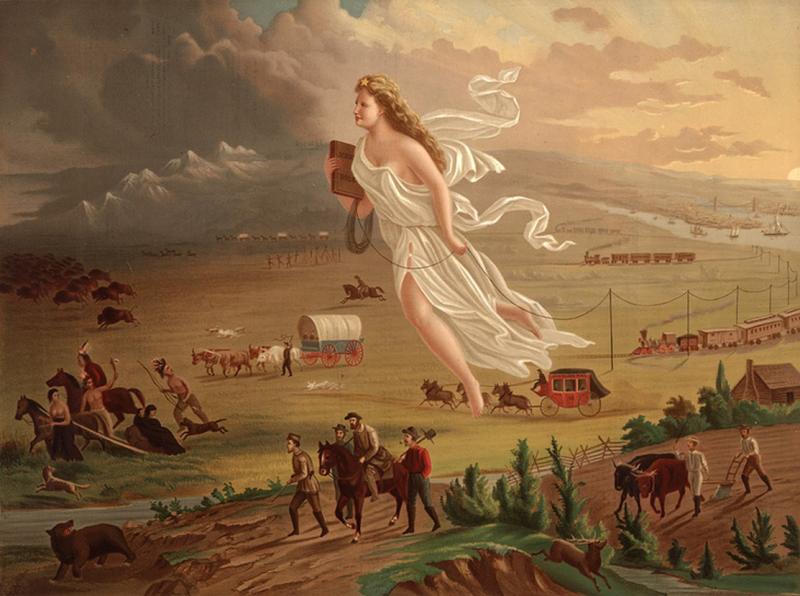
Artists and writers captured the spirit of Manifest Destiny by portraying vast landscapes and heroic pioneers. These works celebrated the idea of a boundless frontier waiting to be conquered.
Authors like James Fenimore Cooper and painters such as Albert Bierstadt created images that inspired many to believe in the promise of the West. When you look at this art, you can feel the excitement and tension of that era.
However, this focus on expansion often ignored the experiences and cultures of indigenous peoples. How does recognizing these overlooked stories change your view of American history and culture?

Credit: www.instagram.com
Economic Motivations
The idea of Manifest Destiny was driven by strong economic motives. Many Americans believed that expanding westward would boost the nation’s wealth. The land offered new chances for farming and trade. This expansion promised resources and markets that could grow the economy. Understanding these economic reasons helps explain why Manifest Destiny started and gained support.
Agricultural Expansion
Farmers needed more land to grow crops and raise animals. The fertile soil in the west was ideal for farming. New land meant new opportunities for families to own farms. Agriculture was the backbone of the economy at the time. More farms meant more food and goods to sell. This growth helped support towns and cities across the country.
Trade Opportunities
Expanding west opened new trade routes and markets. Americans wanted access to ports on the Pacific Ocean. Trade with Asia became more possible and profitable. New territories provided resources like gold, timber, and minerals. These resources could be exported to other countries. Trade growth helped increase jobs and wealth for many people.
Key Events
The idea of Manifest Destiny grew through important events in the early 1800s. These events shaped the belief that the United States should expand across the continent. They involved land, people, and political decisions that pushed the nation westward. Understanding these key events helps us see when and how Manifest Destiny started.
Texas Annexation
Texas was a Mexican territory before becoming independent in 1836. Many American settlers lived there and wanted to join the United States. In 1845, the U.S. officially annexed Texas, making it a state. This action increased tensions with Mexico, leading to the Mexican-American War. The annexation showed the U.S. was serious about expanding its borders.
Oregon Trail
The Oregon Trail was a long route used by settlers moving west. It stretched from Missouri to the Oregon Territory. Thousands traveled this trail in the 1840s, seeking new land and opportunities. The journey was hard, but it helped the U.S. claim the Oregon Territory. This event pushed the nation’s boundary further west, supporting the idea of Manifest Destiny.
Opposition And Criticism
The idea of Manifest Destiny wasn’t accepted by everyone. Many people spoke out against it, pointing to serious problems it would cause. These criticisms reveal deep conflicts that shaped America’s growth and still matter today.
Native American Displacement
One of the strongest oppositions to Manifest Destiny came from the impact it had on Native American tribes. Expanding west meant pushing indigenous people off their ancestral lands. This led to forced relocations, broken treaties, and violent clashes.
You might wonder how this displacement affected Native communities. It often resulted in loss of culture, homes, and livelihoods. Many tribes faced starvation and hardship after being moved to unfamiliar territories.
Have you ever thought about what it means to lose your home without warning? This human cost was a major reason why some Americans opposed the expansionist ideas behind Manifest Destiny.
Slavery Debates
Another major criticism focused on how Manifest Destiny intensified the debate over slavery. Every new territory raised the question: would slavery be allowed there? This stirred fierce arguments between the North and South.
The addition of new states threatened to upset the balance of power in Congress. This made the issue of slavery even more divisive and contributed to rising tensions before the Civil War.
Think about how political decisions about land can shape the lives of millions. The debates over slavery showed that Manifest Destiny was not just about land—it was about the future of the nation’s values.
Legacy Of Manifest Destiny
The legacy of Manifest Destiny shapes many aspects of America today. It influenced the country’s growth and its sense of identity. The idea pushed the nation to expand westward, affecting culture, politics, and society. Its effects still echo in modern policies and how history views the past.
Impact On Modern Policies
Manifest Destiny laid the foundation for U.S. expansion and foreign policy. It encouraged a belief in American exceptionalism and growth. This mindset influences policies on immigration, land use, and international relations.
Examples include:
- Border security measures reflecting past expansion concerns
- Land management practices from historic territorial gains
- Trade agreements shaped by continental ambitions
The expansion idea also affects debates about national identity and rights. It plays a role in discussions on indigenous land claims and cultural heritage.
Historical Interpretations
Historians debate Manifest Destiny’s true impact. Some see it as a positive force for progress and democracy. Others point to the negative effects on Native Americans and Mexico.
Key perspectives include:
- Manifest Destiny as a symbol of American ambition
- A cause of conflict and displacement of native peoples
- A reflection of 19th-century attitudes toward race and culture
This mix of views shows how complex the legacy is. It encourages ongoing study and discussion in schools and public life.

Credit: www.facebook.com
Frequently Asked Questions
When Did Manifest Destiny Begin In The United States?
Manifest Destiny started in the 1840s, driven by the belief in U. S. expansion. It aimed to spread democracy and territory westward.
Who Coined The Term Manifest Destiny And When?
The term Manifest Destiny was coined by journalist John L. O’Sullivan in 1845. He used it to justify American territorial expansion.
What Events Triggered The Start Of Manifest Destiny?
The annexation of Texas in 1845 and the Oregon Territory dispute sparked Manifest Destiny. These events fueled U. S. expansionist ambitions.
How Did Manifest Destiny Impact U.s. History Early On?
Manifest Destiny led to westward migration, the Mexican-American War, and new states. It reshaped America’s geography and politics significantly.
Conclusion
Manifest Destiny began in the 1840s as a strong belief. It drove many Americans to move westward. This idea shaped U. S. History and growth. People felt it was their right to expand. The movement caused changes in land, politics, and culture.
Understanding when it started helps explain America’s past. The effects of Manifest Destiny still matter today. It shows how ideas can shape a nation’s path. This topic remains important for history learners everywhere.

Similar Posts