Which Clinical Manifestation is Associated With Inhalation Anthrax: Key Symptoms Explained
Are you curious about how inhalation anthrax shows up in the body? Knowing the clinical signs can be the difference between quick action and serious health risks.
If you or someone you care about might be exposed, understanding the symptoms is crucial. This article will guide you through the key clinical manifestations you need to watch for, helping you stay informed and prepared. Keep reading to discover what your body might be telling you if inhalation anthrax is involved.

Credit: www.springermedizin.de
Inhalation Anthrax Basics
Inhalation anthrax is a rare but serious infection caused by breathing in spores of the bacterium Bacillus anthracis. Understanding its basics is crucial because early detection can save lives. Many people are unaware of how quickly the infection can progress once it enters the lungs.
How Infection Occurs
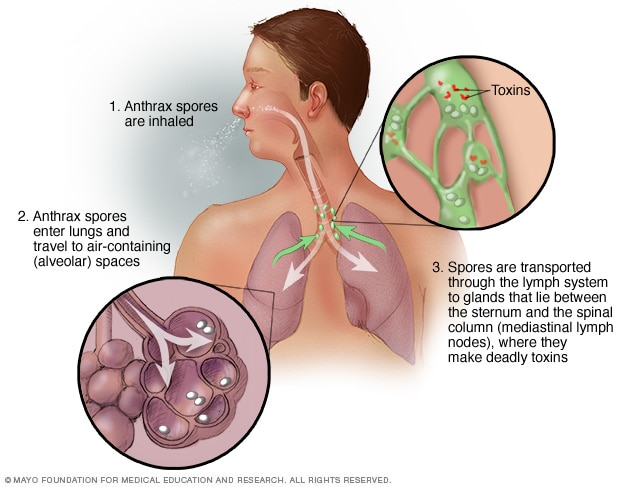
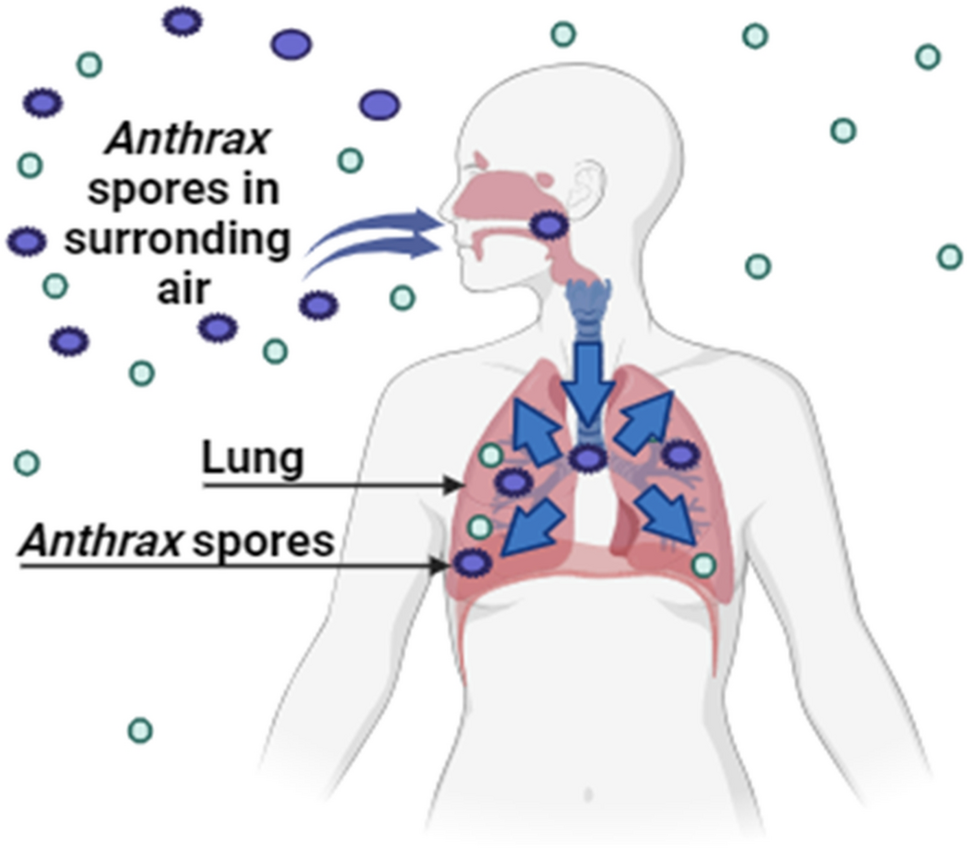
The infection starts when you inhale tiny anthrax spores suspended in the air. These spores can come from contaminated animal products like wool or hides, or even from bioterrorism events. Once inside your lungs, the spores travel to lymph nodes where they germinate and release toxins.
These toxins cause severe damage to tissues and organs, leading to the symptoms of inhalation anthrax. You might wonder how easily these spores can enter your body. The truth is, inhalation anthrax is not contagious from person to person—it requires direct exposure to the spores.
Early Signs To Watch For
Initial symptoms often look like the common cold or flu, which can make them easy to miss. You might experience:
- Fever and chills
- Coughing and chest discomfort
- Fatigue and muscle aches
These signs usually appear within a week after exposure but can sometimes take longer. If you’ve been in a high-risk environment and notice these symptoms, don’t ignore them. Early treatment is critical because once severe respiratory distress begins, the infection becomes much harder to treat.
Have you ever dismissed mild flu symptoms only to find out later they were something more serious? Your awareness and quick action can make all the difference with inhalation anthrax.

Credit: www.sciencedirect.com
Initial Symptoms
The initial symptoms of inhalation anthrax can easily be mistaken for common illnesses, which makes early recognition crucial. These early signs often resemble a mild respiratory infection, but they rapidly progress to more serious conditions. Understanding what to look for can make a significant difference in seeking timely medical help.
Flu-like Symptoms
You might first notice symptoms that seem like the flu: fever, chills, fatigue, and muscle aches. These signs can feel harmless and may lead you to dismiss them as a simple cold or flu. However, unlike typical flu, these symptoms in inhalation anthrax don’t improve and can quickly worsen.
It’s important to ask yourself if your flu-like symptoms are accompanied by unusual weakness or persistent discomfort in your chest or back. These subtle clues often hint at a more severe infection brewing beneath the surface. Don’t ignore persistent symptoms, especially if you’ve been exposed to environments where anthrax spores might exist.
Respiratory Distress
As inhalation anthrax progresses, breathing difficulties start to emerge. You may experience shortness of breath, rapid breathing, or chest pain. These signs indicate that the infection is attacking your lungs and causing inflammation.
Imagine struggling to take a full breath or feeling tightness in your chest without any clear cause. If you notice these symptoms worsening, immediate medical attention is critical. Recognizing respiratory distress early can be lifesaving, as it signals the need for urgent treatment before the infection spreads further.
Advanced Clinical Features
Advanced clinical features of inhalation anthrax mark a critical stage in the disease’s progression. At this point, symptoms intensify rapidly, signaling a serious threat to your health. Recognizing these signs early can make a significant difference in treatment outcomes.
Severe Breathing Problems
One of the most alarming signs is severe breathing difficulty. You might feel like you can’t catch your breath, and simple tasks become exhausting. This happens because the infection causes swelling and fluid buildup in the lungs, blocking normal airflow.
Have you ever experienced shortness of breath that worsened quickly? That sudden change is a red flag you shouldn’t ignore, especially with a history of exposure to anthrax spores.
Chest Pain And Discomfort
Chest pain often accompanies the breathing problems. It usually feels sharp or tight and can worsen with coughing or deep breaths. This pain is caused by inflammation of the lung tissues and surrounding areas.
If you notice persistent chest discomfort, don’t brush it off as minor. It’s a clear signal your body is struggling against a serious infection.
Shock And Organ Failure
As inhalation anthrax advances, the infection may lead to shock—a life-threatening condition where your blood pressure drops dangerously low. This can quickly progress to organ failure, affecting your heart, kidneys, and liver.
Imagine your body systems shutting down one by one. If you or someone you know shows signs of confusion, weakness, or rapid heartbeat along with breathing issues, urgent medical care is essential.
Diagnostic Indicators
Diagnostic indicators play a key role in identifying inhalation anthrax. Early detection can save lives. Healthcare providers rely on specific signs seen in imaging and lab tests. These indicators help confirm the presence of the infection quickly and accurately. Understanding these signs is vital for prompt treatment.
Chest X-ray Findings
Chest X-rays reveal important signs of inhalation anthrax. A common finding is a widened mediastinum. This shows swelling in the central chest area. Pleural effusions, or fluid buildup around the lungs, often appear. Lung infiltrates may also be visible, indicating infection. These signs point to severe inflammation caused by the bacteria.
Laboratory Test Results
Lab tests provide crucial evidence for diagnosis. Blood cultures often detect Bacillus anthracis, the anthrax bacterium. Elevated white blood cell counts indicate infection. Polymerase chain reaction (PCR) tests identify bacterial DNA quickly. Serological tests may show antibodies against the bacteria. Together, these results confirm inhalation anthrax and guide treatment choices.
Complications And Outcomes
Inhalation anthrax is a severe infection that demands immediate attention due to its rapid progression and serious health risks. Understanding the complications and outcomes linked with this condition helps you grasp why early diagnosis and treatment are crucial. Let’s break down what can go wrong and what the future might hold if you or someone you know faces this illness.
Potential Complications
Inhalation anthrax can lead to life-threatening complications quickly. One major issue is severe respiratory distress caused by swelling and fluid buildup in the lungs. This often results in difficulty breathing and low oxygen levels.
Another common complication is meningitis, where the infection spreads to the brain. This causes headaches, neck stiffness, and confusion, making the situation even more critical. Additionally, septic shock may develop, leading to dangerously low blood pressure and organ failure.
Have you considered how quickly these complications can escalate without treatment? The infection’s aggressive nature means that symptoms worsen in just a few days, leaving little room for delay.
Prognosis And Survival Rates
The outlook for inhalation anthrax varies significantly based on how soon treatment starts. Without antibiotics, the survival rate is extremely low—almost all cases result in death. However, with prompt medical care, including antibiotics and supportive therapy, survival rates improve.
Even with treatment, the mortality rate remains high, often around 45% to 60%. This stark reality highlights why awareness and immediate action matter so much. Early recognition of symptoms can mean the difference between life and death.
What steps would you take if you noticed someone struggling to breathe with flu-like symptoms after potential exposure? Understanding the critical window for intervention can empower you to act quickly and save lives.
Credit: link.springer.com
Treatment Response Symptoms
Treatment response symptoms show how well a patient recovers from inhalation anthrax. Doctors watch these signs closely to adjust care. Early detection of improvement or problems helps save lives.
Symptom Improvement Signs
- Fever starts to go down.
- Breathing becomes easier and less rapid.
- Chest pain decreases or fades.
- Less coughing and sputum production.
- Energy levels slowly return to normal.
- Blood pressure stabilizes within normal range.
These signs indicate the body fights the infection effectively. Antibiotics and supportive care help achieve these improvements.
Warning Signs During Recovery
- Sudden high fever or chills.
- Worsening chest pain or shortness of breath.
- Confusion or decreased alertness.
- Rapid heartbeat or low blood pressure.
- New swelling or redness around the chest.
- Persistent coughing with blood.
These warning signs suggest complications or treatment failure. Immediate medical attention is necessary to prevent severe outcomes.
Frequently Asked Questions
What Are The Early Symptoms Of Inhalation Anthrax?
Early symptoms include fever, cough, chest discomfort, and fatigue. These mimic common respiratory infections, making early diagnosis challenging.
How Does Inhalation Anthrax Affect The Respiratory System?
Inhalation anthrax causes severe inflammation in the lungs and mediastinum, leading to breathing difficulties and chest pain.
What Is The Hallmark Clinical Sign Of Inhalation Anthrax?
A widened mediastinum on chest X-ray is a classic sign, indicating severe infection and inflammation.
Can Inhalation Anthrax Cause Shock And Organ Failure?
Yes, advanced inhalation anthrax can lead to septic shock and multiple organ failure, often resulting in death if untreated.
Conclusion
Inhalation anthrax causes serious lung symptoms and quick health decline. Early signs include fever, cough, and chest pain. These symptoms worsen fast, often leading to breathing problems. Recognizing these signs helps in seeking prompt medical care. Treatment works best when started early.
Understanding these clinical features can save lives. Stay informed and act quickly if symptoms appear.

Similar Posts