Which Disease Process Includes Lhermitte Sign? Find Out!
Have you ever experienced a sudden, electric shock-like sensation running down your spine when you bend your neck? This strange feeling is called Lhermitte sign, and it can be more than just a fleeting discomfort.
Understanding which disease processes cause this sign could be crucial for your health. If you want to learn what Lhermitte sign really means and why it matters for your body, keep reading. This article will guide you through the key conditions linked to Lhermitte sign, helping you recognize when to seek medical advice.
Don’t ignore these signals—your body might be trying to tell you something important.
Lhermitte Sign Basics
Lhermitte sign is a unique neurological symptom that helps identify certain diseases. It often signals issues in the spinal cord. Understanding its basics can clarify which conditions include this sign. This section explains what Lhermitte sign is and how it shows up.
What Is Lhermitte Sign?
Lhermitte sign is a sudden electric shock-like sensation. It runs down the spine and sometimes into the limbs. This sensation happens when the neck bends forward. The sign indicates irritation or damage to the cervical spinal cord. It is common in multiple sclerosis and other spinal disorders.
How Lhermitte Sign Manifests
The sensation appears with neck flexion. It feels like a brief, sharp shock or tingling. People often describe it as an electric buzz or jolt. The feeling may spread to the arms, legs, or trunk. It usually lasts only a few seconds. The sign can occur during activities like looking down or bending forward.
Diseases Linked To Lhermitte Sign
Lhermitte sign is a distinctive clinical symptom that can point towards several neurological diseases. Recognizing which diseases commonly include this sign can help you understand the underlying causes of your symptoms. Let’s look at some of the main conditions linked to Lhermitte sign and what this means for your diagnosis and treatment.
Multiple Sclerosis
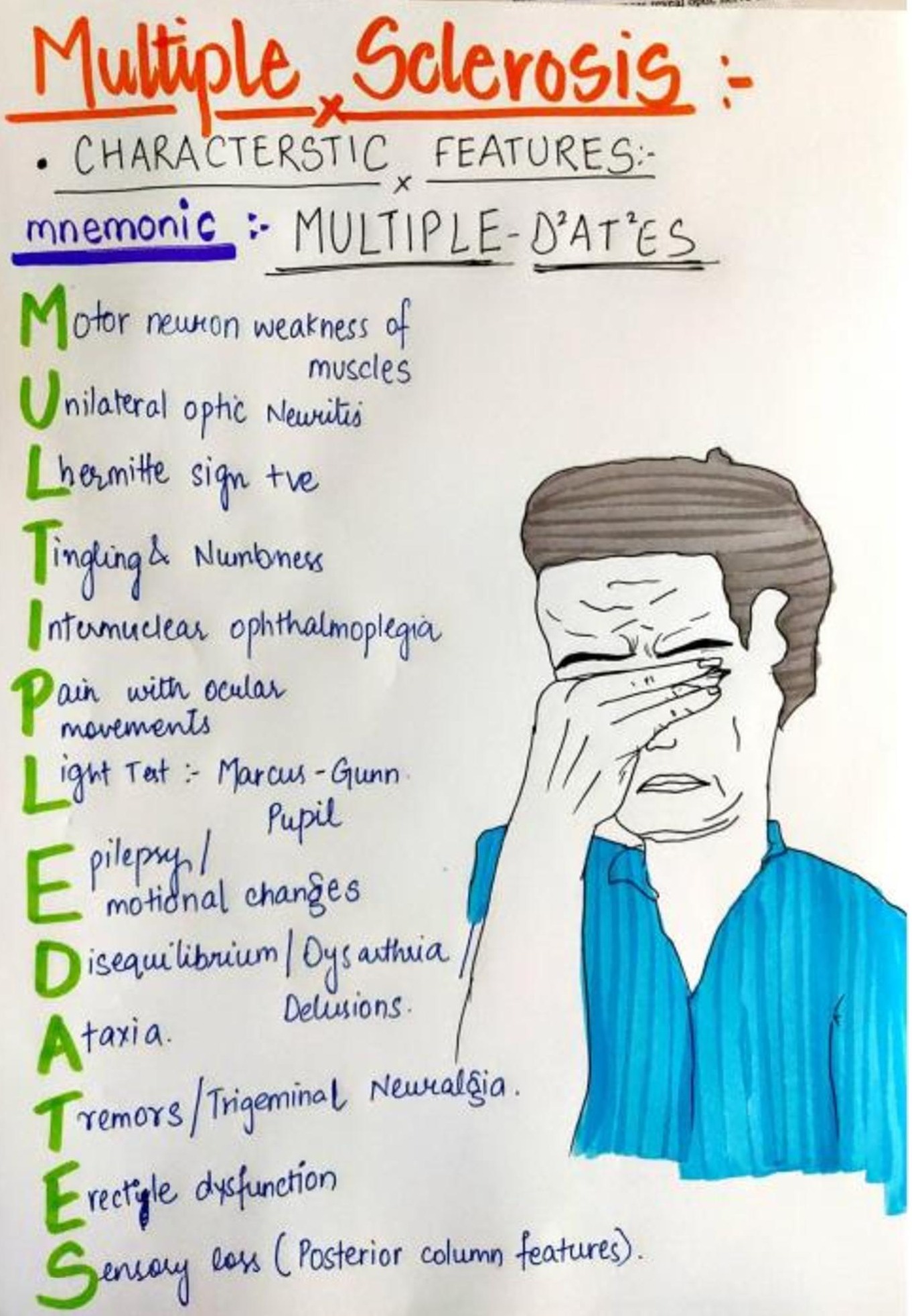
Multiple sclerosis (MS) is one of the most common diseases associated with Lhermitte sign. This condition causes damage to the myelin sheath around nerves in the central nervous system. When you experience that sudden electric shock sensation down your spine or limbs, it often indicates involvement of the cervical spinal cord in MS.
If you have other symptoms like numbness, weakness, or vision problems alongside Lhermitte sign, MS could be the reason. Early diagnosis and treatment can slow the disease progression and improve quality of life.
Cervical Spondylosis
Cervical spondylosis refers to age-related wear and tear affecting the spinal discs in your neck. This degeneration can compress or irritate nerves in the cervical spine, causing Lhermitte sign. The sharp, electric sensation often worsens with neck movements.
People with neck stiffness or chronic pain might find this sign a clue to their spinal condition. Addressing posture and physical therapy can relieve symptoms and prevent further damage.
Vitamin B12 Deficiency
Low levels of vitamin B12 can cause nerve damage leading to Lhermitte sign. This deficiency affects the spinal cord and peripheral nerves, resulting in sensory disturbances. Along with the electric shock feeling, you might notice tingling, balance issues, or fatigue.
Checking your B12 levels is a practical step if you experience these symptoms. Supplements or dietary changes often reverse nerve damage if caught early enough.
Transverse Myelitis
Transverse myelitis is inflammation across one segment of the spinal cord, causing sudden neurological symptoms including Lhermitte sign. This inflammation disrupts nerve signals and can lead to weakness, sensory changes, and bladder problems.
Because transverse myelitis can progress quickly, recognizing Lhermitte sign as a warning helps you seek urgent care. Treatment typically includes steroids and supportive therapies to reduce inflammation and aid recovery.
Other Neurological Conditions
Several less common neurological disorders can also cause Lhermitte sign. These include spinal cord tumors, radiation myelopathy, and certain infections. Each of these conditions disrupts spinal cord function in different ways but may produce similar electric shock sensations.
Pay attention to other symptoms you experience alongside Lhermitte sign and share them with your healthcare provider. This information can guide proper testing and timely treatment tailored to your specific condition.
Mechanism Behind Lhermitte Sign
The Lhermitte sign is a unique clinical symptom that often surprises both patients and clinicians. It presents as an electric shock-like sensation that runs down the spine and sometimes into the limbs when the neck is bent forward. Understanding the mechanism behind this sign helps you recognize its importance in diagnosing certain neurological diseases.
Nerve Pathway Involvement
The sensation you feel with Lhermitte sign originates from the nerve pathways in your spinal cord. These pathways carry electrical signals between your brain and the rest of your body. When these pathways are irritated or damaged, bending your neck can trigger abnormal electrical impulses.
Imagine the nerve fibers as tightly packed cables. Any stretching or pressure on these cables, especially when you flex your neck, can cause a sudden, sharp sensation. This explains why the symptom feels like an electric shock traveling down your body.
Spinal Cord Lesions
The root cause behind these abnormal sensations often lies in lesions or damage to the spinal cord. Diseases such as multiple sclerosis frequently cause demyelination—damage to the protective covering of nerve fibers—which disrupts normal signal transmission.
Lesions in the cervical spinal cord are particularly important because this region is most involved when you bend your neck forward. The damaged areas become hyper-sensitive, making even simple movements trigger the Lhermitte sign.
Have you ever noticed how a small movement can cause unexpected sensations? This highlights how delicate and precise our nervous system truly is, and why recognizing signs like Lhermitte can be crucial for early diagnosis and treatment.
Credit: link.springer.com
Diagnosing Lhermitte Sign
Diagnosing Lhermitte sign requires a careful approach because it points to specific nerve issues that can be overlooked. This electric shock-like sensation when bending the neck usually signals underlying neurological problems, making accurate diagnosis crucial. Let’s break down how doctors confirm this sign and what tools they use to distinguish it from other conditions.
Clinical Examination
During a clinical examination, your doctor will ask about the exact sensations you experience when moving your neck. They will gently guide you through neck flexion to observe if the characteristic shock-like feeling appears. This hands-on test helps link your symptoms to possible nerve pathway irritation or spinal cord involvement.
Besides provoking the symptom, doctors check for other neurological signs like muscle weakness, reflex changes, or sensory loss. These clues help narrow down the cause, especially in conditions like multiple sclerosis or cervical spine disease. Your detailed description of symptoms can reveal patterns that tests might miss.
Imaging Techniques
Imaging plays a vital role in diagnosing Lhermitte sign. MRI scans are preferred because they provide clear images of the spinal cord and surrounding tissues. This can reveal lesions, inflammation, or compression that might explain the symptom.
Sometimes, CT scans or X-rays are used to check for bone abnormalities affecting the cervical spine. These images can show degenerative changes or fractures that might irritate nerves. Imaging helps link your clinical symptoms with visible structural issues, guiding treatment decisions.
Differential Diagnosis
Not every electric shock sensation in the neck means Lhermitte sign. Conditions like vitamin B12 deficiency, cervical spondylosis, or even transient nerve irritation can mimic it. Your doctor must rule out these other causes to avoid misdiagnosis.
Careful history-taking and tests help differentiate Lhermitte sign from other neurological or musculoskeletal problems. For example, if symptoms improve with vitamin supplementation, the cause might be nutritional rather than neurological. Asking yourself—have you noticed any other symptoms like weakness or numbness?—can help your doctor reach the right conclusion.
Treatment Approaches
Treating conditions that cause Lhermitte sign requires a focused approach. The treatment aims to control the root cause and reduce symptoms. Care plans vary depending on the specific disease process involved.
Addressing Underlying Causes
Effective treatment targets the main disease causing the symptom. For multiple sclerosis, doctors use disease-modifying therapies. These medicines slow down nerve damage and reduce flare-ups. In cases of spinal cord injury, surgery or medication may be necessary. Infection-related causes require antibiotics or antivirals. Identifying and treating the root problem is essential for lasting relief.
Symptom Management
Managing symptoms helps improve daily comfort and function. Pain from Lhermitte sign often needs medication like anticonvulsants or muscle relaxants. Doctors may recommend anti-inflammatory drugs to reduce nerve irritation. Physical therapy supports muscle strength and lessens discomfort. Patients should avoid neck movements that trigger symptoms. Symptom control improves quality of life while addressing the cause.
Rehabilitation Options
Rehabilitation plays a key role in recovery and adaptation. Physical therapy focuses on balance, coordination, and strength. Occupational therapy teaches new ways to perform daily tasks safely. Assistive devices may help with mobility and reduce strain. Regular exercise tailored by therapists promotes healing and function. Rehabilitation supports long-term health and independence.

Credit: www.instagram.com
Credit: www.studocu.com
Frequently Asked Questions
What Is Lhermitte Sign In Medical Terms?
Lhermitte Sign is an electric shock-like sensation triggered by neck flexion. It often indicates spinal cord irritation or demyelination.
Which Diseases Commonly Show Lhermitte Sign?
Multiple sclerosis is the most common disease with Lhermitte Sign. It can also appear in cervical spondylosis and vitamin B12 deficiency.
How Does Lhermitte Sign Help Diagnose Diseases?
Lhermitte Sign helps identify demyelinating diseases like multiple sclerosis. It signals spinal cord involvement, aiding early diagnosis and treatment plans.
Can Lhermitte Sign Appear In Conditions Other Than Ms?
Yes, Lhermitte Sign can appear in cervical spine injuries, tumors, or radiation myelopathy. It indicates spinal cord or nerve root irritation.
Conclusion
Lhermitte sign often points to diseases affecting the spinal cord. Multiple sclerosis is the most common cause. This symptom helps doctors find nerve damage early. Recognizing it can lead to quicker treatment. Knowing about Lhermitte sign raises awareness of serious conditions.
Patients should share this symptom with their doctor. Early action can improve health outcomes. Keep learning about signs that affect the nervous system. Understanding these clues supports better medical care.

Similar Posts