
Have you ever wondered how the idea of Manifest Destiny changed the lives of Native Americans? This belief pushed the United States to expand its borders across the continent.
But what did that mean for the people who already lived there? Understanding this story is important because it reveals how a powerful idea shaped history—and affected real lives in ways you might not expect. Keep reading to discover the true impact of Manifest Destiny on Native American communities and why it still matters today.

Credit: www.teacherspayteachers.com
Roots Of Manifest Destiny
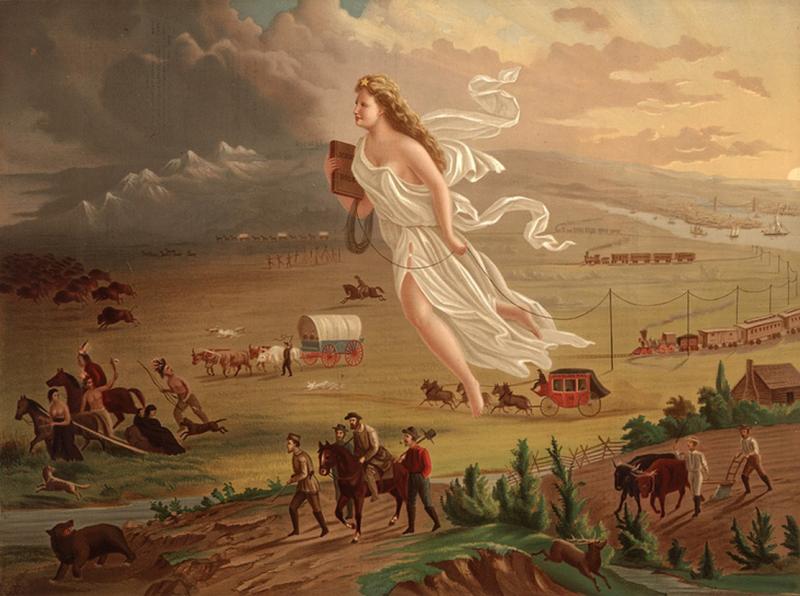
The idea of Manifest Destiny shaped 19th-century America deeply. It was a belief that the United States should expand across the continent. This belief grew from many sources. It mixed politics, culture, and a sense of mission. The roots of Manifest Destiny reveal how it affected Native Americans.
Understanding these roots helps explain why expansion happened so fast. It also shows the impact on Native lands and lives. The belief was not just about land. It was about power, culture, and identity. These ideas set the stage for conflict and change.
Political Ambitions And Expansion
Leaders wanted more land to grow the nation’s power. They saw the west as a way to increase influence. New states meant more voters and stronger government control. Expansion was a political goal tied to national pride.
Religious And Cultural Beliefs
Many Americans thought they had a special role to spread their values. They believed their culture was superior and should reach new lands. This idea justified taking land from Native peoples. It created a sense of mission and destiny.
Economic Motives
Land promised new chances for farming and business. Settlers wanted fertile soil, gold, and resources. The economy pushed people west in search of wealth. Native lands were seen as opportunities for growth.
Technological Advances
New transportation like railroads made westward travel easier. Communication improved with telegraphs and newspapers. These advances encouraged more settlers to move. They helped spread the idea of Manifest Destiny quickly.
Credit: hti.osu.edu
Native Lands Before Expansion
Before the era of Manifest Destiny, Native American tribes lived across vast regions of North America. These lands were rich with natural resources and held deep spiritual meaning. Tribes had their own territories, cultures, and systems for managing the land. The environment shaped their ways of life, from hunting and farming to trade and community gatherings.
Native lands were not empty or unused. They were home to diverse peoples who cared for and protected their environments. Boundaries often existed between tribes, but many areas were shared for hunting or ceremonies. The connection to the land was central to identity and survival.
Tribal Territories And Boundaries
Native tribes controlled large areas with distinct borders. These boundaries helped manage resources and avoid conflicts. Some tribes roamed seasonally, following animal migrations or plant harvests. Others settled in specific regions, developing farms and villages.
Relationship With The Land
The land was sacred to Native Americans. It provided food, shelter, and materials for tools. Many tribes believed in living in harmony with nature. They practiced sustainable hunting and farming to protect the land for future generations.
Resource Use And Management
- Hunting buffalo on the Great Plains
- Fishing in rivers and lakes
- Gathering wild plants and herbs
- Farming maize, beans, and squash
Each tribe adapted to its environment. They developed knowledge passed down through generations. This knowledge guided how they used natural resources wisely.
Forced Relocations And Treaties
The era of Manifest Destiny brought devastating changes to Native American communities, especially through forced relocations and treaties that often disregarded their rights and sovereignty. These measures uprooted entire tribes from their ancestral lands, pushing them into unfamiliar and often hostile territories. Understanding these events sheds light on the harsh realities Native Americans faced and challenges us to consider the lasting impact on their cultures and lives.
Trail Of Tears
The Trail of Tears stands as one of the most tragic examples of forced relocation under Manifest Destiny. Thousands of Native Americans, primarily from the Cherokee Nation, were compelled to leave their homelands in the southeastern United States and march westward.
During this journey, many suffered from disease, exposure, and starvation. Imagine being forced to abandon your home, knowing you might never return, and witnessing your community shrink with each passing mile. How would you cope with such loss and uncertainty?
Broken Promises
Treaties made between the U.S. government and Native tribes were often broken or ignored, undermining trust and stability. These agreements typically promised land, protection, or resources, but the government frequently failed to uphold its end.
Native Americans were left vulnerable, losing not only land but also the means to sustain their way of life. Reflecting on these broken promises, do you see parallels in how marginalized groups today might experience similar betrayals? What lessons can we learn from this history to advocate for fairness and respect?
Impact On Native Cultures
The Manifest Destiny deeply affected Native American cultures. It forced many tribes to leave their lands. Their ways of life changed quickly. This led to loss and hardship for many communities.
Native people had rich traditions. These traditions shaped their daily lives and beliefs. The arrival of settlers disrupted these practices. Many cultural customs were lost or forgotten.
Loss Of Traditions
Many Native American traditions faded during westward expansion. Forced moves broke the link to sacred places. Spiritual ceremonies tied to the land became impossible.
Younger generations were often taught settler ways. Native languages were discouraged or banned in schools. This caused a decline in cultural knowledge and identity.
Traditional crafts and storytelling also suffered. Without a stable home, it was hard to pass down skills. The loss of tradition weakened community bonds.
Disruption Of Social Structures
Native societies had complex social systems. Chiefs, elders, and councils guided their communities. Forced relocations scattered tribes and families.
New borders cut through tribal lands. This made it difficult to maintain unity. Many groups lost their political power and leadership roles.
Settlers imposed new laws and ways of living. Native governance was often ignored or replaced. The breakdown of social order created confusion and loss.
Economic Consequences
The economic consequences of Manifest Destiny had a deep impact on Native American communities. Their way of life changed drastically. The new settlers took over lands that Native Americans depended on for their survival. This shift led to poverty and hardship. It destroyed many traditional economic systems.
Loss Of Hunting Grounds
Native Americans lost vast hunting grounds to settlers. These lands were vital for hunting buffalo and deer. Hunting was a key part of their food supply and culture. Without access, many tribes faced hunger and starvation. The loss also meant fewer animal skins for clothing and trade. The economic independence of Native Americans weakened rapidly. This forced many to abandon their traditional lifestyles.
Dependence On Government Aid
As hunting lands disappeared, many Native Americans had to rely on government aid. The U.S. government provided food and supplies in reservation camps. This aid was often limited and unreliable. Dependence on rations replaced self-sustaining economies. It created long-term economic instability for many tribes. The shift from independence to dependence was a major blow. Many communities struggled to rebuild their economies afterward.

Credit: www.youtube.com
Resistance And Adaptation
The westward expansion under Manifest Destiny forced Native American communities into a constant struggle to protect their lands and cultures. Their response was not just about fighting; it involved a mix of armed resistance and cultural adaptation. Understanding these efforts reveals the strength and resilience Native Americans showed during one of the toughest periods in their history.
Armed Conflicts
Many Native American tribes took up arms to defend their homes against settlers and the U.S. government. Battles such as the Sioux Wars and the Apache resistance highlight the fierce determination to protect their territories.
Despite facing better-armed opponents, Native warriors used their deep knowledge of the land to their advantage. Their resistance often delayed U.S. expansion and forced some temporary peace agreements.
Have you considered how these conflicts shaped the way Native communities viewed their future? The bravery shown in these battles remains a powerful example of fighting for survival.
Cultural Survival Strategies
Beyond armed resistance, Native Americans adapted by preserving their languages, traditions, and governance in new and creative ways.
Many tribes blended their customs with new realities, maintaining ceremonies in secret or teaching their children native languages despite outside pressures. These acts kept their identity alive when physical resistance was no longer possible.
Think about how important culture is to your own identity. Native Americans’ commitment to cultural survival teaches us that preserving who you are can be a powerful form of resistance.
Long-term Effects Today
The effects of Manifest Destiny still impact Native American communities today. The forced moves and loss of land changed their lives deeply. Many challenges continue as tribes work to protect their rights and cultures.
Native Americans face ongoing struggles in courts and society. They fight to reclaim land, preserve traditions, and gain recognition. Despite hardships, they show strength and resilience in rebuilding their identities.
Legal Battles
Native tribes often engage in legal fights over land and rights. These battles seek to undo unfair treaties and government actions. Courts decide on issues like hunting, fishing, and land ownership.
Some tribes have won important cases that protect their sovereignty. Others still face obstacles in getting full recognition. Legal battles shape the future of Native American rights.
Cultural Revival Movements
Many Native groups work hard to revive their languages and customs. Cultural programs teach young people about traditions and history. Powwows, dances, and art help keep culture alive.
These movements build pride and community among Native Americans. They help heal wounds from the past and create hope for the future. Culture revival is a key part of Native survival today.
Frequently Asked Questions
How Did Manifest Destiny Impact Native American Lands?
Manifest Destiny led to the forced removal of Native Americans from their ancestral lands. This caused significant loss of territory and disrupted their traditional ways of life.
What Role Did Government Policies Play In Native American Displacement?
Government policies, like the Indian Removal Act, legalized Native American displacement. These laws supported settlers’ expansion and ignored Native rights.
How Did Native American Populations Change During Manifest Destiny?
Native American populations declined due to violence, disease, and starvation. Manifest Destiny’s expansion intensified conflicts and worsened living conditions for tribes.
Did Any Native American Tribes Resist Manifest Destiny?
Yes, many tribes resisted through warfare and legal battles. Despite resistance, most tribes were eventually forced onto reservations.
Conclusion
Manifest Destiny brought big changes for Native Americans. They lost land and faced many hardships. Their cultures and ways of life were deeply affected. Many were forced to move far from their homes. This history helps us understand the struggles they endured.
Remembering this past is important for respect and healing. It shows how powerful ideas can impact real lives. Native American stories deserve to be heard and honored. Learning about this helps us build a fairer future for all.