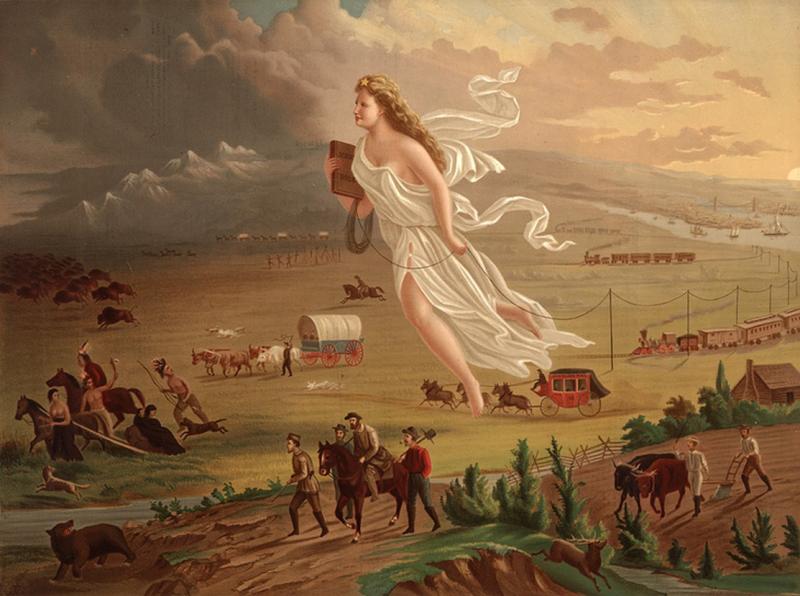
Have you ever wondered who first sparked the idea of Manifest Destiny? This powerful belief shaped the history of the United States and changed the map forever.
Understanding who started Manifest Destiny helps you see how ideas can drive actions that affect millions. If you want to uncover the roots of this bold vision and learn how it influenced a nation’s growth, keep reading. Your curiosity will lead you to a story filled with ambition, politics, and a dream that seemed unstoppable.
Credit: www.aspendailynews.com
Roots Of Manifest Destiny
The roots of Manifest Destiny trace back to ideas and events that shaped early America. This belief in expanding the nation’s borders grew from a mix of cultural, political, and economic factors. Understanding these origins helps explain why many Americans embraced the idea of westward expansion. The concept did not emerge overnight but evolved through years of change and debate.
Early American Expansion Ideas
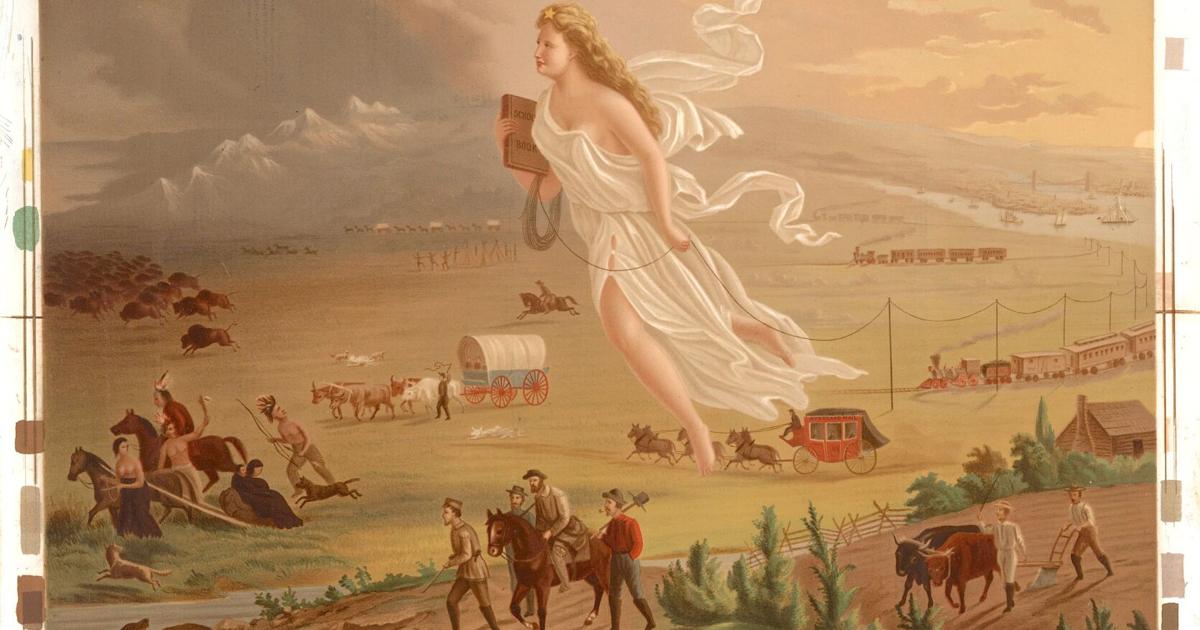
From the country’s start, expansion was a key goal. Many Americans believed the nation should stretch from the Atlantic to the Pacific. This idea drew from the belief in a special mission to spread democracy and freedom. Pioneers and settlers moved westward, seeking land and opportunity. Writers and politicians spoke of a bright future beyond the mountains. The Louisiana Purchase and Lewis and Clark expedition fueled hopes for growth. These actions planted seeds for a more aggressive push to claim new lands.
Political Climate In The 19th Century
The 1800s brought intense political debates about land and power. New states joined the Union, raising questions about slavery and governance. Leaders argued over the balance between free and slave states. National pride grew alongside calls for expansion. President James K. Polk strongly supported territorial growth. His administration pushed for acquiring Texas, Oregon, and California. Political parties used expansion to gain support from voters. The idea of Manifest Destiny became a rallying cry in elections and policies.
Key Figures Behind The Concept
The idea of Manifest Destiny shaped much of America’s 19th-century history. It inspired a belief that the United States was meant to expand across North America. Several key figures played major roles in creating and spreading this concept. Their words and actions helped turn Manifest Destiny into a powerful national goal.
These individuals were not only thinkers but also politicians and writers who influenced public opinion. Understanding their contributions gives insight into how Manifest Destiny grew from an idea into a movement.
John L. O’sullivan’s Role
John L. O’Sullivan first used the term “Manifest Destiny” in 1845. He was a newspaper editor and writer. O’Sullivan believed the U.S. had a divine mission to expand westward. His writing stirred national pride and justified expansion.
O’Sullivan argued that spreading democracy and freedom was America’s duty. His phrase quickly caught on among Americans. It became a rallying cry for those who wanted to grow the nation.
Influential Politicians And Advocates
Many politicians supported Manifest Destiny in the 1840s and 1850s. President James K. Polk was one of the strongest advocates. He pushed for the annexation of Texas and the Oregon Territory. Polk’s policies helped fulfill the dream of expansion.
Other leaders, such as Senator Thomas Hart Benton, also promoted expansion. Benton spoke about the economic benefits of new lands. These figures worked to make Manifest Destiny a reality through laws and treaties.
Cultural And Social Influences
The idea of Manifest Destiny didn’t just appear out of nowhere. It was shaped deeply by the cultural and social environment of 19th-century America. Understanding these influences helps you see why so many people believed it was their nation’s fate to expand westward.
Religious Justifications
Many Americans saw Manifest Destiny as a divine mission. They believed God had chosen the United States to spread democracy and Christianity across the continent. This religious belief gave people a strong moral reason to support expansion, even when it meant displacing Native Americans.
Preachers and newspapers often framed westward expansion as a holy duty. This made the idea of Manifest Destiny feel not just political but sacred. Have you ever noticed how powerful it is when people connect their actions to a higher purpose? That’s exactly what happened here.
National Identity And Exceptionalism
The concept of American exceptionalism also fueled Manifest Destiny. People thought the United States was unique and destined for greatness. This belief made expansion seem natural and necessary to fulfill the country’s potential.
National pride was high after the War of 1812, and many Americans wanted to prove their country’s strength. They saw the frontier as a place to build a better, freer society. When you feel your nation is exceptional, do you not find yourself more willing to take risks to prove it?
These cultural and social forces combined to create a powerful push for expansion. They shaped the mindset of many Americans who believed in Manifest Destiny as both a right and a responsibility.

Credit: www.instagram.com
Manifest Destiny In Action
Manifest Destiny wasn’t just a belief; it turned into real actions that reshaped the map of the United States. The idea pushed Americans to move westward, claiming vast lands and changing the lives of many people. Understanding how Manifest Destiny played out helps you see its lasting effects on the country and its neighbors.
Territorial Acquisitions
The United States expanded rapidly through several key land deals and wars. The Louisiana Purchase doubled the country’s size, opening up new opportunities for settlers. Later, the annexation of Texas and the Oregon Territory added even more land.
One of the most significant moments was the Mexican-American War. After the U.S. victory, the Treaty of Guadalupe Hidalgo gave America a huge chunk of the Southwest. This included present-day California, Arizona, New Mexico, and more.
- The Gadsden Purchase in 1854 added land for a southern railroad route.
- Each acquisition brought new resources and challenges.
Impact On Native Americans And Mexico
The push for land had serious consequences for Native Americans. Many tribes were forced off their ancestral lands, facing violence and displacement. The Trail of Tears is one tragic example of this harsh reality.
Mexico lost nearly half its territory due to American expansion. This loss created tension and resentment that influenced future relations between the two countries. You might wonder how different the U.S. and Mexico would be today if these lands had never changed hands.
Thinking about Manifest Destiny’s impact makes you question the cost of growth. What would you consider a fair way to balance expansion with respect for existing communities?
Legacy Of Manifest Destiny
The legacy of Manifest Destiny still shapes the United States today. It was more than just a 19th-century policy; it set the stage for the country’s borders, culture, and conflicts. Understanding this legacy helps you see how past actions influence current American identity and politics.
Long-term Effects On U.s. Expansion
Manifest Destiny accelerated U.S. territorial growth, adding vast lands from the Atlantic to the Pacific. This expansion boosted the economy by opening new resources and trade routes.
However, it also sparked conflicts with Native American tribes and other nations. The displacement of indigenous peoples and the Mexican-American War were direct results.
Think about how your state’s boundaries or local history might trace back to this era. This legacy still impacts land ownership and cultural diversity today.
Modern Perspectives And Critiques
Today, many question the morality behind Manifest Destiny. You might wonder if the idea justified the suffering it caused.
Critics highlight the forced removal of Native Americans and the aggressive expansion that ignored other nations’ rights. These perspectives challenge the traditional narrative of Manifest Destiny as purely positive.
How do you reconcile national pride with the darker sides of history? Understanding these critiques can deepen your awareness of America’s complex past and encourage thoughtful discussions about fairness and justice.
Credit: pastorbhart.medium.com
Frequently Asked Questions
Who First Coined The Term Manifest Destiny?
The term “Manifest Destiny” was first coined by journalist John L. O’Sullivan in 1845. He used it to express the belief that the U. S. was destined to expand across North America. This idea fueled westward expansion and shaped American policy.
What Inspired The Idea Of Manifest Destiny?
Manifest Destiny was inspired by a mix of nationalism, economic opportunity, and a belief in American cultural superiority. Many Americans felt it was their duty to spread democracy and civilization across the continent. This ideology justified territorial expansion.
Who Were Key Figures Promoting Manifest Destiny?
Key figures include President James K. Polk, who aggressively pursued expansion, and John L. O’Sullivan, who popularized the term. Other politicians and settlers also supported the movement, driving policies like the annexation of Texas and the Oregon Territory.
How Did Manifest Destiny Impact Native Americans?
Manifest Destiny led to the forced removal and displacement of many Native American tribes. Expansion disrupted their lands and cultures, often resulting in violence and loss of life. It had a devastating effect on indigenous peoples across the continent.
Conclusion
Manifest Destiny began as a belief in expanding the United States. Leaders and writers inspired people to move west. This idea shaped American history and growth. It brought both hope and conflict. Understanding who started Manifest Destiny helps explain the past.
The story shows ambition, challenges, and change. It reminds us how ideas can shape a nation’s future.