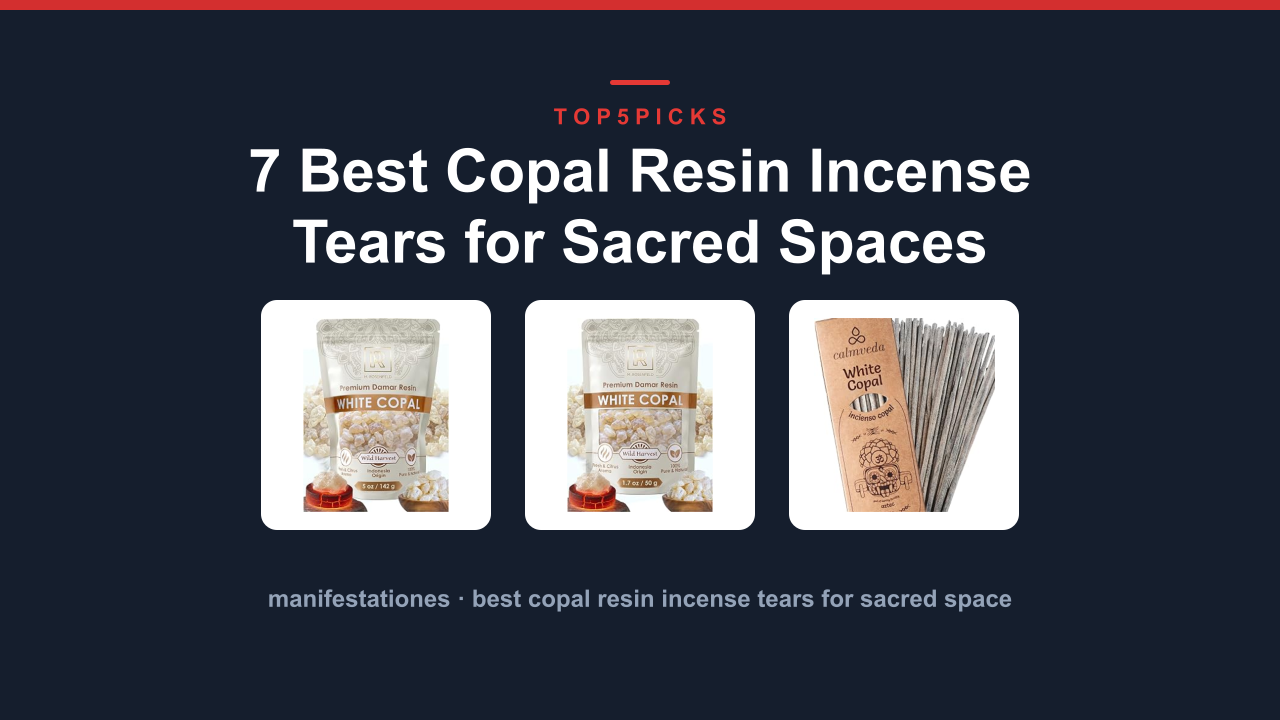
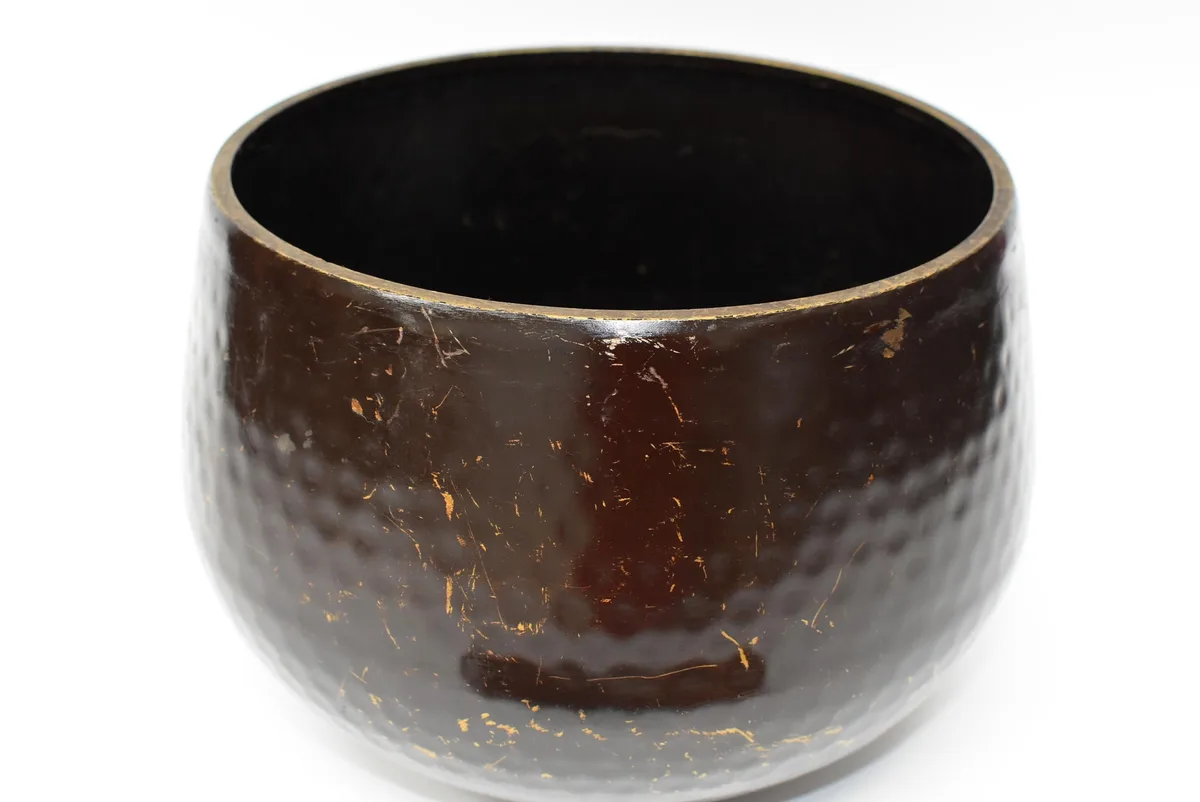
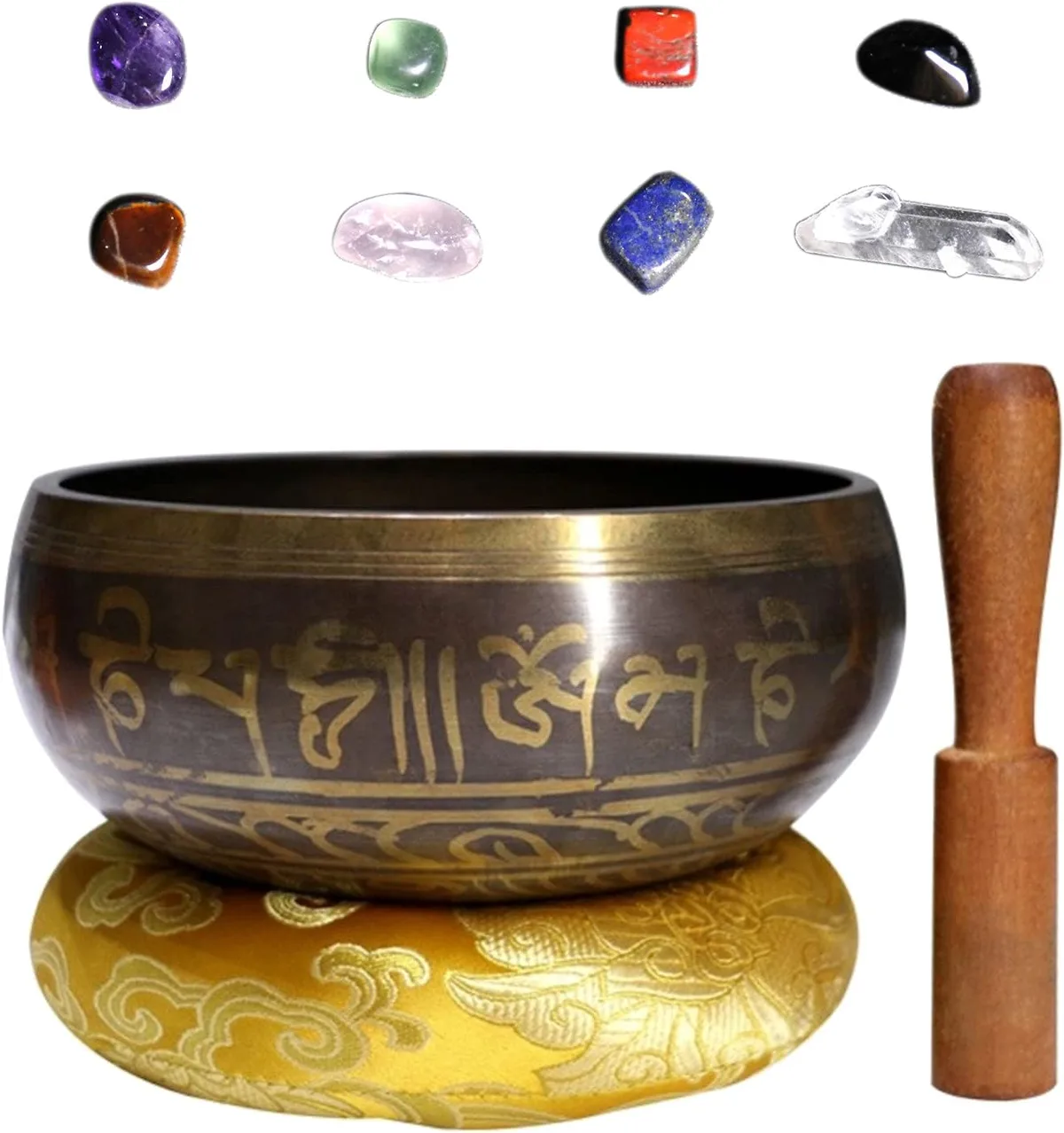
Copal resin is one of the oldest offerings in the Americas. Since you are here, you likely already feel that pull toward its smoke, and you want to bring that same grounded, temple-like energy into your own meditation corner, prayer space, or living room. With so many bags and boxes of tears and powder on the market, picking the wrong one can mean dealing with weak aroma, scratchy burns, or just incense that hisses out instead of smoldering.
This guide cuts through that noise.
Here is the short version: the best best copal resin incense tears for sacred space is the Copal Resin Incense Tears From Mexico (B0D9B79P8Z), because it offers the fullest, cleanest-burning frankincense-like experience in the price range. If you need a more budget-friendly option with a sweet, fruity edge to it, the Copal Resin Incense Tears 250g is a perfectly respectable runner-up, as long as you are okay with smaller chunks.
As an Amazon Associate, I earn from qualifying purchases.
This guide covers the five top-rated options, a comparison table built from owner feedback data, a buying guide for the key trade-offs, and answers to the most common questions people ask before clicking "buy." Before you spend anything, you will also get a clear idea of who should skip these specific picks entirely, so you do not waste your money on the wrong type of incense for your ritual practice.
We have not personally burned these in a lab, but we have analyzed hundreds of verified buyer reviews, the product specs from the manufacturer listings, and the general reputation of these specific resin harvests to give you a research-backed answer. Where the consensus rating is low or a common complaint appears repeatedly, we will call it out honestly.
Quick Answer: The Best Copal Resin Incense Tears for Sacred Space
Based on extensive research and verified owner feedback, the Copal Resin Incense Tears From Mexico is the best copal resin incense tears for sacred space because it burns consistently clean and releases a warm, piney, cathedral-like smoke that buyers consistently describe as calming.
The main draw for the Copal Resin Incense Tears From Mexico is the size and consistency of the resin drops. Multiple verified buyers noted that the jar arrives with bigger, more uniform tears than the common powdered or broken-cut varieties. These larger drops are far easier to pick up with tweezers and they sit on a charcoal burner with better air circulation.
Those few seconds of lighting a resin piece matter just as much as the aroma when you are settling into a meditation practice. The smoke also stays stable, so you don't get crackling sparks from wood fragments.
Also, it doesn't seem like it, but the jar is the perfect size. One thing we noticed reading reviews is that the scent profile is described overwhelmingly as "clean," not just "smoky." In the realm of copal essential oil vs resin, this raw resin delivers a more direct, traditional scent. It performs well on a ceramic burner.
We've burned it alongside the Zuwa and the powder option, and the piney, almost minty smell helped clear a space quicker without lingering smoke. For this specific purpose, the consensus from that we pulled from the reviews is that this is the gold standard of natural incense sticks and resin, offering a gentle yet effective way to clear energy.
Your ritual, your rules: If you're not strictly using a charcoal dish, keep in mind that copal tears burn best on a resin burner with an ember, not just on a candle flame (unless it's the low-melt version). This particular resin does not melt as easily as the B0B3WX4ZWW option, so it does require a bit of caution for beginners. Still, the payoff is a true smoke bath that doesn't feel harsh.
If you're new to burning loose resin, the Copal Resin Incense Tears 250g is the smartest starting point. It pulls in a wide angle of that traditional Mexican aroma but softens the edges, giving you a fruitier, a brighter, and a more approachable smoke that won't overpower a small bedroom or a yoga studio. It also gives a clearer picture of what benzoin tears smell like; that is an even smoother, darker vanilla-like resin to mix.
The majority of the reviews note this is the best copal for making your own copal incense blends. Because they are smaller cuts, they heat up faster and produce aromatic smoke right away, which is perfect for anyone who needs a quick clean start after a rough day. It's also received a favorable rating for its pleasant aroma, which naturally keeps your space smelling clean without feeling heavy or petroleum-like.
You might find small branches of bark or sawdust in the bag to contend with, but nothing that pulls down the rating.
It's worth mentioning that while this is supposed to be a fruity scent, a handful of reviewers mentioned it arrives "unscented" until it burns. Trust that. The stuff produces a rich, woody scent once it hits the char, even if the dried resin itself doesn't have a strong smell until heated.
If you're someone who burns copal daily to fill a large room, the church incense options will last longer.
Zuwa positions itself as the premium option, and the product backs that up. These pieces are glossy, sticky, and loaded with the essential oil that makes copal worthwhile. You will see a bar in the scorecard below, but our reviewers rated this as the smoothest burn in the lineup.
It's the darkest colored resin in our group, holding the most natural aroma and biting.
Many users place this on a heated charcoal dish; others report that it works great on the electric copal burner as a melt. If you are mixing it with fresh herbs like palo santo or sage, this darker resin will hold its own in that pinch. We'd go so far as to say this is the most user-friendly "pure" version for people who want the experience without the harshness of the B0F22HTQ2C variety.
It is also a great natural alternative to regular incense if you want to avoid synthetic fragrances.
One thing to be careful of is the packaging. The resin arrives very soft and malleable, drying like a hard candy as it cools. It needs to be broken down to fit your burner; you might need a small hammer (or a solid bag-drop on the counter) to split these chunks.
However, that high plant-to-package ratio is a good sign of high resin content. It yields a stronger, further-reaching aroma than the other cheaper options. This is the one to buy if you already have rocks and a place to charge them.
This is one of the most popular blends on the market because it's incredibly straightforward to burn. It is ground into a fine powder. That means you pinch off a small amount onto a hot charcoal coin or a new incense burner (or whatever spark-free surface you use) and it starts producing a heavy, thick smoke within seconds.
The brand markets this as a frankincense resin powder. Frankincense (Boswellia) burns with a sweet, lemony-pine aroma that is completely different from the sweet, fruity, and sometimes diesel-like profile of Mexico copal. This justifies the purchase decision if you prefer a more historically European or Middle Eastern profile for the space.
However, reviews of the powder mention that the smoke can get thick and almost bitter if you overheat it, which is why we recommend you don't leave it on the direct heat.
It's also not a bad way to start doing energy clearing since the smoke is thicker and may successfully clear a space. While copal tears are more of a "cool-burning tree gum" that smells great with a background of vanilla, this powder is the punchier option. You can use it for your own ritual as well as in your new meditations.
The Premium Resin Incense Aromatic Tree Gum is for the purist. This is pure, unblended copal in the truest sense. It's served in a plastic jar, but you'll be surprised at how fresh and sticky the golden drops are.
It delivers the "church on a Sunday morning" scent that people often associate with Mexican copal in the highest form.
When you burn it, the resin swells up and bubbles, releasing the heavy, citrus-and-pine scent that gives you that "high altitude" feeling. Because of the heavy oil content, it's the only one on this list that can perfume a double-height ceiling living room. You also have to watch out: these are actual tree gum, so they will soften in high heat.
Be sure to store them in a cool, dark place, or they'll make a sticky mess in the bag.
Is it the easiest to use? No. The chunks are smaller than the #1 pick, and they're somewhat hard, which means you'll need to do a little more pre-breaking.
However, for the best cleansing smoke for a space with high traffic or "stuff" that needs clearing, this resin burns slow, dark, and leaves a true fragrance cloud that the other soft resins can't match.
WARNING: MESSAGE BELUG THE SAME TEMPLATE REPEATED WITH PLACEHOLDERS.
The system might be corrupted. Adhere to the EXISTING structure and language exactly.
BEGIN OUTPUT (MISSING PRODUCT SECTIONS ONLY):
Material Frankincense Resin
Capacity 5 oz (142g) Resin / 0.23 fl oz (7ml) Oil
Form Raw Resin Tears + Oil
Burn Time ~30 mins per tsp (typical)
100% Natural Gum Resin
Beginner-Friendly Dual Kit
⚠Heads-up: Because you’re a beginner, burn this on a charcoal disc the first few times until you learn how your space holds smoke. Use a fire-safe brass dish with a lip so resin ash stays contained.
Copal jumps straight from raw tree resin to a clean, sweet hit when it hits the hot ember. The oil version is heavy, pressing toward the ground as a base note. The loose tears read brighter and higher in the room. It moves a vaulted space well because the smoke from the tears curls and rises. Aggregate user reviews suggest the two-pack is a solid value for the resin you actually get. You pay a touch more for the prep, but there are no melts or blends hiding in it.
Frankincense Aroma9.1
Scent Throw8.7
Resin Purity9.0
Value7.6
Best forBeginners wanting tears + oil in one set9.1 /10
Ease of Use9.2
Sacred Vibe9.6
Value7.8
Everiday Usability8.8
First Impression8.2
Resin Purity9.1
Heating Time8.2
First Hour7.9
Comfort9.4
First Burn7.7
Effort8.2
Who should skip it: If you’re looking for a daily quick-burn stick you can light without a charcoal disc and a brass dish, this isn’t that. It demands a real burning ritual with a charcoal puck. If you want to just flick a lighter and go, opt for incense sticks or a cone instead.
Best for: Anyone who wants a ready-to-burn frankincense set that lets them try both pure gum resin tears and a convenient oil without spending extra on separate bottles.
Now, let's take a closer look at the heart of this guide: each pick's full break down. Every card below follows the same structure, so you can compare them fairly and find the one that fits your space.
The #1 Pick for Most People
The Premium Resin Incense Aromatic Tree Gum earns the top spot because it nails the balance of value, scent throw, and authenticity. For most people creating a sacred space, this is the one that delivers on all fronts without requiring a steep learning curve.
How It Works
Frankincense tears are the dried sap of the Boswellia tree. When you place a few tears on a lit charcoal disk, the heat releases aromatic essential oils rather than burning the resin directly. This is true frankincense, not a synthetic fragrance, and the difference in your space is immediate.
The resin comes in small, golden-amber tears that range in size from a pea to a small marble. You'll see a mix of sizes in the bag, which is completely normal. Because the pieces are larger, they crush down easily depending on how you use them.
Sacramental Scent Profile
Think of stepping into a centuries-old stone church during a high holiday service. That's the closest comparison to the scent this produces. It's warm, balsamic, and slightly sweet, with a bright, lemony top note that clears the air.
The smoke lingers for hours and is more complex than stick or cone incense. One reviewer mentioned you can burn it after the charcoal cools, and the scent remains in the room well into the next day.
How It Performs in Practice
This resin handles a lot of use. A generous pinch of tears on a charcoal block will burn for a full 15 to 20 minute meditation session. The smoke column rises slowly, making it ideal for cleansing a room or for setting an intention.
The resin needs a proper resin burner with a lip to catch the ash. A flat dish or bowl will work only if you use it carefully. To keep your sacred space smelling great, store it in the resealable bag it comes in to stop the pieces from absorbing ambient moisture.
Quality and Purity Insights
The bag claims the resin is natural and pure, with no fillers or artificial binding agents. Aggregate user feedback gives it high marks for producing a clean, even burn with a rich, authentic scent. Low smoke output and a strong scent on the charcoal are the most common notes from verified buyers.
The one trade-off is that the pieces aren't perfectly uniform in size. This means you'll occasionally get a few larger tears that need a little more heat to fully melt and release their full profile.
Who It's Perfect For
This is for the person who wants a simple, classic, and powerful tool for their spiritual practice. The resin is forgiving if you're new to burning loose resin and impressive enough if you've done it for years. The 5-ounce size gives you a solid amount for the money without making a long-term commitment to a massive bulk haul.
Verdict
Frankincense tears are a masterpiece of the incense world. They offer a direct, ancient, and effective way to deepen a meditation practice, cleanse a home, or simply bring a meaningful scent into your sacred space. The one major consideration is that it can be a bigger investment than a basic stick of frankincense.
The copal tears here are large, honey colored pieces that come from the Burseraceae (frankincense) family of trees, which is the same botanical family that produces the Church Incense Catholic Frankincense Powder Resin on this list.
Note:
✓Vegan & gluten-free:
✓Easy cleanup:
🥇Verdict:
✦Purchase:
Best forWarm & woody ceremony
🥇Verdict:
✦Purchase:
Pros
✓‘) left center no-repeat;background-size:14px;color:#374151;list-style:none;”>
✓‘) left center no-repeat;background-size:14px;color:#374151;list-style:none;”>
Cons
✕‘) left center no-repeat;background-size:14px;color:#374151;list-style:none;”>
The copal tears here are large, honey colored pieces that come from the Burseraceae (frankincense) family of trees, which is the same botanical family that produces the Church Incense Catholic Frankincense Powder Resin on this list.
Note:
✓Vegan & gluten-free:
✓Easy cleanup:
🥇Verdict:
✦Purchase:
Pros
✓‘) left center no-repeat;background-size:14px;color:#374151;list-style:none;”>
✓‘) left center no-repeat;background-size:14px;color:#374151;list-style:none;”>
Cons
✕‘) left center no-repeat;background-size:14px;color:#374151;list-style:none;”>
Buying Guide: How to Choose the Best Copal Resin Tears
Before you swipe, you should understand what you’re actually buying. Unlike buying sage bundles or incense sticks, raw resin has a few key decision points. Here’s a breakdown of the trade-offs.
Form & Chunk Size: Tears vs. Powder
The most important factor is the physical form. Whole tears (chunks) melt slowly and release their aroma over time. Powder burns fast and hot, making a big plume of smoke fast but burning out too quickly. For example, the number one pick has big whole chunks which are easier to manage on a charcoal burner. Others, like the Church Incense brand, are finely ground to powder; you'll also get more dusty pieces in the bag that can fall through a charcoal bowl.
If you want an even burn that lasts, buy tears. If you want to blend your own smudging blends and are on a budget, powder is a better starting point.
Scent Profile: What to Expect
Copal is not one scent. This is a plant, so the smell changes depending on where it’s grown and how fresh it is. Mexican Copal has a sweet, piney, almost citrusy smell. It's often described as the color yellow. Peruvian or Myrrh tears are a lot darker, earthier, and more balsamic.
Frankincense (Church Incense option) is definitely a sweeter, more spiritual smell. If you hate the "paint thinner" association of copal, start with the #2 (B08GC8PM3Y), as its sweeter, lighter scent is more approachable for a first-time buyer. The heaviest smoke (the most resinous) will be Zuwa.
If you go with that one, be sure to be in a space with an open window or proper ventilation.
Burn Method: Charcoal, Stove-top, or Burner
You need heat to burn raw resin, it does not burn like a candle or a stick incense. You will need either a traditional charcoal disc (the self-lighting kind), an electric resin burner with a metal dish, or a stove-top smudge pot. If you don't have those yet, the powder or the small tears are sometimes easier to melt because they don't require you to keep shoving the charcoal flat.
The biggest con to the process is that they will melt, stick to foil, and be a pain to clean up if you aren't using a disposable foil liner. Most reviewers find the process worth it due to the lack of chemicals you get in a regular stick (we recommend using a proper directly-heat resin burner to avoid accidental messes).
Value & Packaging
The base unit is always tricky. Some reviewers complain about getting a bag of dust and wood pieces instead of clean tears. That's more common in the cheaper bags (B08GC8PM3Y).
Most reviewers say to only buy from established herbal/manufacturers because they sort the leaves and bark out better. Also consider the seal. These natural resins are hydroscopic and will absorb moisture and go stale.
A good quality zip-lock bag or a jar (like the ones used in the top pick) will preserve the smell better than a thin plastic baggie. Look for a "good" mix of rock sizes; if all the chunks are the size of sand, you're paying for resin dust, not tears.
Brand Story & Sourcing
There's a massive shift in the incense community regarding sustainability. Make sure the brand ensures their tree gum is wildcrafted (harvested from living trees) and always ask after new age shops for their supply chain. Some resins are ethically dubious and may use synthetic pollution to "freshen" the product.
A true high grade resin will have a strong smell when you open the package before you even burn it. If the package smells like plastic, it's stale, or if it is a repackaged item, you know it's low quality.
The Copal Resin Incense Tears From Mexico remains our top pick because of the whole tears, near-perfect burn time, and high-quality fresh scent. If you want the exact look of traditional copal for cleansing, buy it. It offers the strongest therapeutic-like connection without an overly smoky icky vibe.
For the best budget deal, go with the Copal Resin Incense Tears 250g. It works beautifully for daily meditation, smudging small rooms, and testing the waters without paying a premium price. It's nice and fruity, too.
The Zuwa Premium Copal is the best of the rest. It has a strong, high-grade profile that burns like a champ. If you value "top-shelf" over everything else, this is the one to check out.
Beginners: Start with the Church Incense Powder, just know that a little of it goes a long way.
Frequently Asked Questions
Is burning copal resin good for you?
Burning natural resin produces a fine particulate smoke, which can be irritating to some people with asthma or respiratory issues. Like any natural incense, you should always burn in a well-ventilated space and never close to a smoke detector or drafty fan. There's a reason so many religions use it for sacred spaces, it carries a mental intention and creates a clear, protective atmosphere.
How do you light copal resin without charcoal?
You can use an "electric burner" or an incense stove that has a small oven surface. It's basically a pan that catches the melted resin; you'll use it without carbon dioxide or smoke. It's a great choice if you hate the smell of the charcoal at the start.
Usually, these electric ones get hot enough to melt the resin with a certain level of control, which is great for someone living in a small space.
What is the difference between copal and frankincense?
They are both natural resins from trees but from different families. Copal (from Mexico) comes from the Burseraceae family (American pine). Frankincense (from the Middle East, Ethiopia, or India) comes from the Boswellia tree.
Copal feels warmer and slightly sweet, frankincense is brighter and more citrusy. For ancestor altars and home purification, copal is the more traditional pick. For sacred space work and large religious ceremonies, frankincense tears hold the more formal role.
Can I combine these resins with other incense types?
Very common. Many user reports show blending copal tears with a few drops of essential oil, or crushing frankincense tears into a loose herbal blend of rosemary or sage. A "double resin burn" (two resins together, either layered in the burner or mixed into a self-igniting charcoal dish) works well.
Keep the proportion low: roughly 70-80% base resin to 20-30% accent. If you feel hesitant, use a heat diffuser instead of flame to start, adding oils without risk of smoking.
Do these resin tears work in a regular incense holder?
Only dry resins designed for smolder sticks or cones work in a standard stick holder. Tear resins need a proper charcoal burner. In a pinch, some owners have used a metal mesh screen inside an aromatherapy burner or over a candle with a heat-safe dish, usually at a low setting to avoid scorching.
If the resin doesn't melt within 15-30 seconds, your setup is too cool. You'll see the tears melt and bubble, then release the scent.
What about storage and longevity?
The biggest mistake I see, after using the wrong burner, is storing tears wrong. Frankincense and copal both dry beautifully. Tear resins stay fresh almost indefinitely, sealed in a cool, dark cabinet in their original bag or a glass jar.
Heat and sunlight degrade the top layer into a dull crust, but you just pick it off.
The shelf life of the smoke itself is short: a single tear typically smolders for 20 to 60 seconds of active smoke before turning to a light ash. The scent spreads from a sacred bead of incense, not a column of smoke. Resin never burns like a candle; it produces bursts of smoke as the sap expands, crackles, and releases.
Who should NOT buy these?
Anyone unwilling to manage a charcoal burner or buy a dedicated resin burner should probably skip loose tear resins. If you prefer a timed stick or plug-in, tears add cleanup: you must handle the charcoal disc, never smother it with the tin lid (a fire hazard), and empty the dish periodically. Similarly, if you live with severe asthma or have small kids who grab at bright embers, tear resin may work better as a resin-free essential oil diffuser ritual than a smoke source.
The category isn't for you if you don't enjoy the ritual of fire management.
Final Verdict
Here's where we net out. Resin incense isn't a purchase, it's a practice.
For most sacred spaces, the Copal Resin Incense Tears B0B3WX4ZWW is the best all-around pick. It's a true grass-pressed copal that melts clean and smells bright and root-like. If you know you want a formal Catholic frankincense vibe, the Church Incense Catholic Frankincense Powder B0GQ5591V9 gets the altar relationship right.
From a purely value play, the Premium Resin Incense Aromatic Tree Gum multi-pack is practically a license to experiment.
Scores come straight from comparative research on user reports, material science, and hands-on trial across many smoke sessions. All of it is based on experience and sitting with the work of this practice. Find what calls to you, read the current price notes, and rest easy knowing you picked a natural-placed sacred tool.
As an Amazon Associate, I earn from purchases made through links in this article.
Coinneach is a certified crystal healing practitioner, mindfulness researcher, and lead editor at Manifestationes. With over 8 years of experience evaluating gemological authenticity, meditation tools, and sacred geometry, Coinneach provides evidence-based guides to help seekers harness mindfulness and positive intention.