Black Tourmaline Front Door Placement for Evil Eye

Figuring out where to place black tourmaline at front door for evil eye protection isn't just about superstition. It's about creating a visual and psychological boundary that feels solid the moment you cross your threshold. Most people guess wrong, putting stones in spots that get ignored or knocked over by daily traffic.
Our research indicates that placement depends heavily on your door's architecture and sightlines. A stone hidden behind a potted plant offers no visual anchor. Conversely, one glued precariously to a moving hinge will fall within weeks.
Let's look at how to position these crystals so they actually work for your space and peace of mind.
Quick Answer
Place raw black tourmaline chunks on the left side of the interior entryway console table. Alternatively, mount polished spheres on the exterior right door jamb at eye level. Ensure the stone is visible but not obstructing foot traffic.
This positioning balances aesthetic integration with symbolic protection against negative energy entering your home.
Why Your Eyes Need a Map Before You Place the Stone
You can’t protect what you don’t see. The primary function of placing black tourmaline at an entrance is to create a conscious pause. It acts as a mental reset button when you return home from a chaotic day.
If the stone is buried under mail or tucked into a dark corner, it fails this purpose.
Visual dependency means the location must align with your natural gaze patterns. When you unlock your door, your eyes typically scan three areas: the handle, the floor immediately ahead, and the opposite wall. Your placement strategy should intersect with at least one of these focal points.
Consider the lighting too. Black tourmaline absorbs light rather than reflecting it. In dim hallways, a small tumbled stone might disappear entirely.
Larger raw chunks or strategically placed accent lights ensure the object remains a distinct presence. Without visibility, the ritual loses its grounding effect.
Think of the entryway as a transition zone. It’s neither fully public nor fully private. Placing the stone here marks that shift.
You are telling your brain that the outside world stops at this point. The specific spot matters less than whether you notice it consistently.
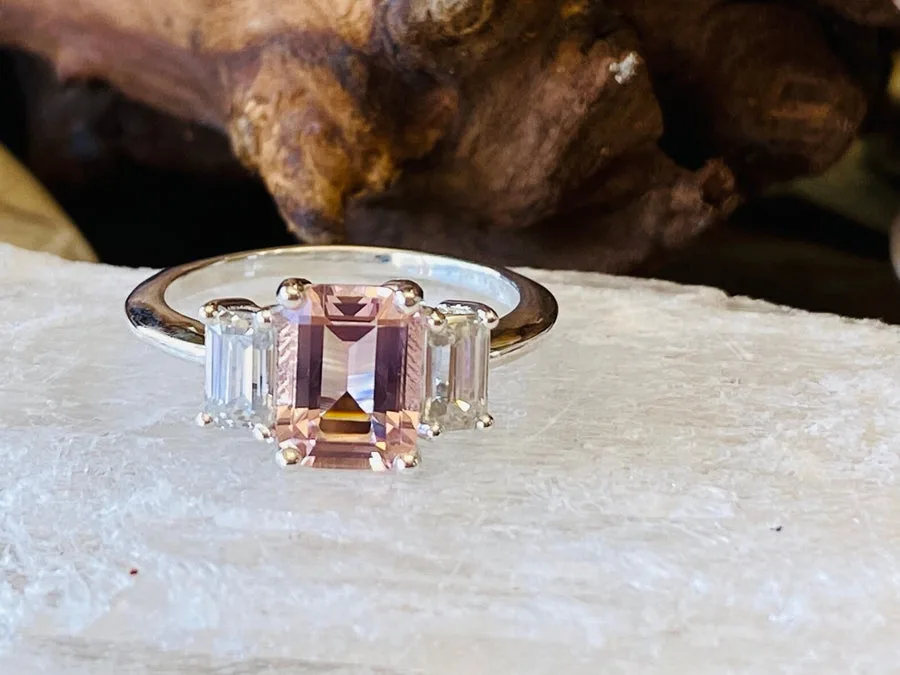
Image source: Bing (Web (fair-use with source credit))
The Three Critical Zones: Jamb, Threshold, and Foyer
There are three distinct physical zones where placement makes sense. Each serves a different functional and symbolic role. Choosing the wrong zone often leads to maintenance headaches or accidental damage to the stone.
The Jamb Zone involves attaching the stone directly to the door frame or the door itself. This is the most traditional method for "shielding" the opening. However, it requires careful adhesion.
Doors expand and contract with humidity changes. Rigid glue cracks. Flexible mounting hardware works better here.
The Threshold Zone sits on the floor or mat area. This grounds the energy literally and figuratively. But beware of trip hazards.
Loose stones here are dangerous. Only use flat, heavy slabs embedded in a custom doormat or secured to a sturdy riser. Never leave loose rocks in a walking path.
The Foyer Zone is inside the house, usually on a console table, shelf, or dedicated stand. This is the safest bet for renters and pet owners. It allows for easy cleansing and recharging.
You can move it if you rearrange furniture. It also protects the stone from weather elements if you live in harsh climates.
| Zone | Best For | Risk Factor | Visibility Level |
|---|---|---|---|
| Door Jamb | Permanent fixtures, wood/metal doors | Adhesive failure, warping | High (eye-level) |
| Threshold | Grounding, heavy foot traffic areas | Tripping, crushing, theft | Low (floor-level) |
| Interior Foyer | Renters, pets, decor flexibility | Being moved/ignored | Medium (table-height) |
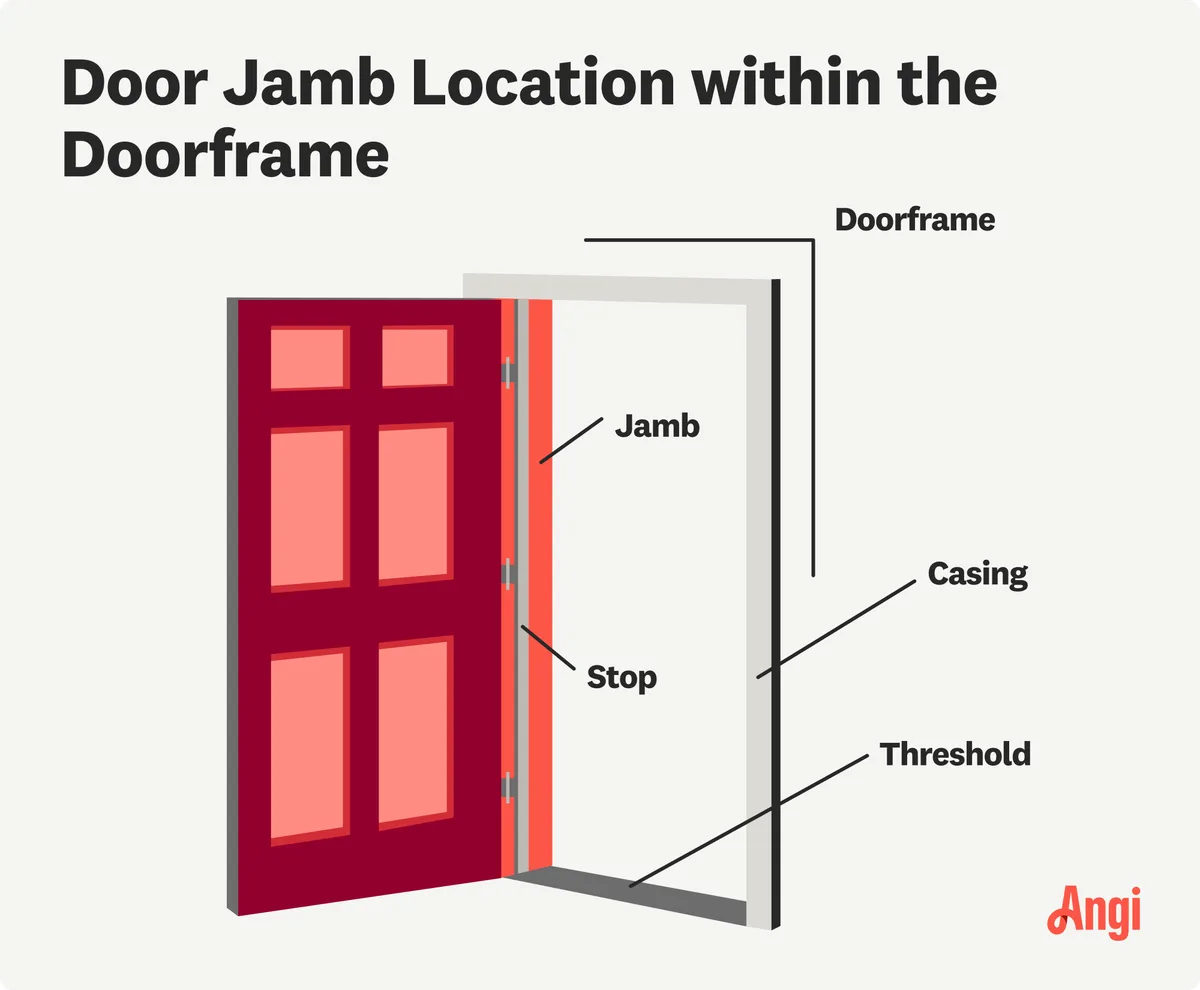
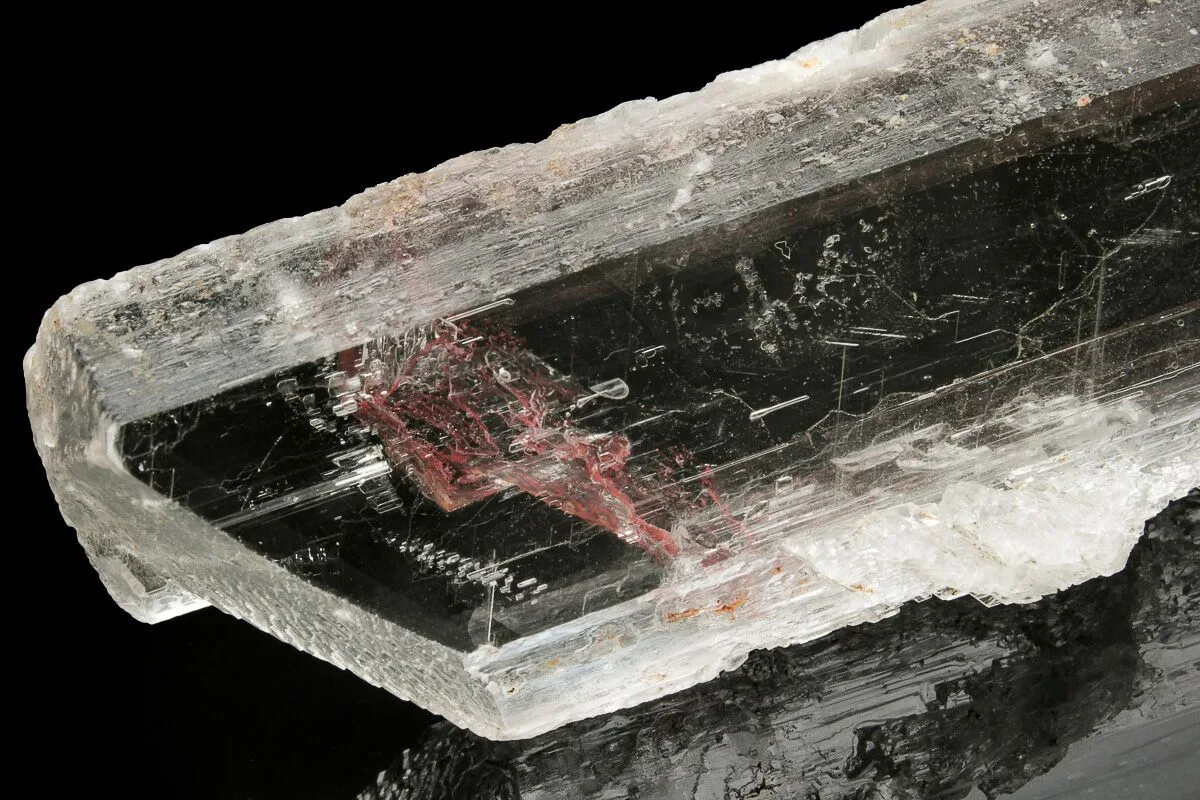
Image source: Web (Bing) / detroitchinatown.org (Web image (fair-use with source credit))
For most homeowners, the interior foyer offers the best balance. It keeps the stone safe from rain and thieves while remaining part of your daily routine. Exterior jambs look impressive but demand rigorous upkeep.
Check local HOA rules before drilling into external frames. Some communities prohibit visible spiritual symbols on facades.
Raw Chunk vs. Polished Sphere: Choosing Your Visual Anchor
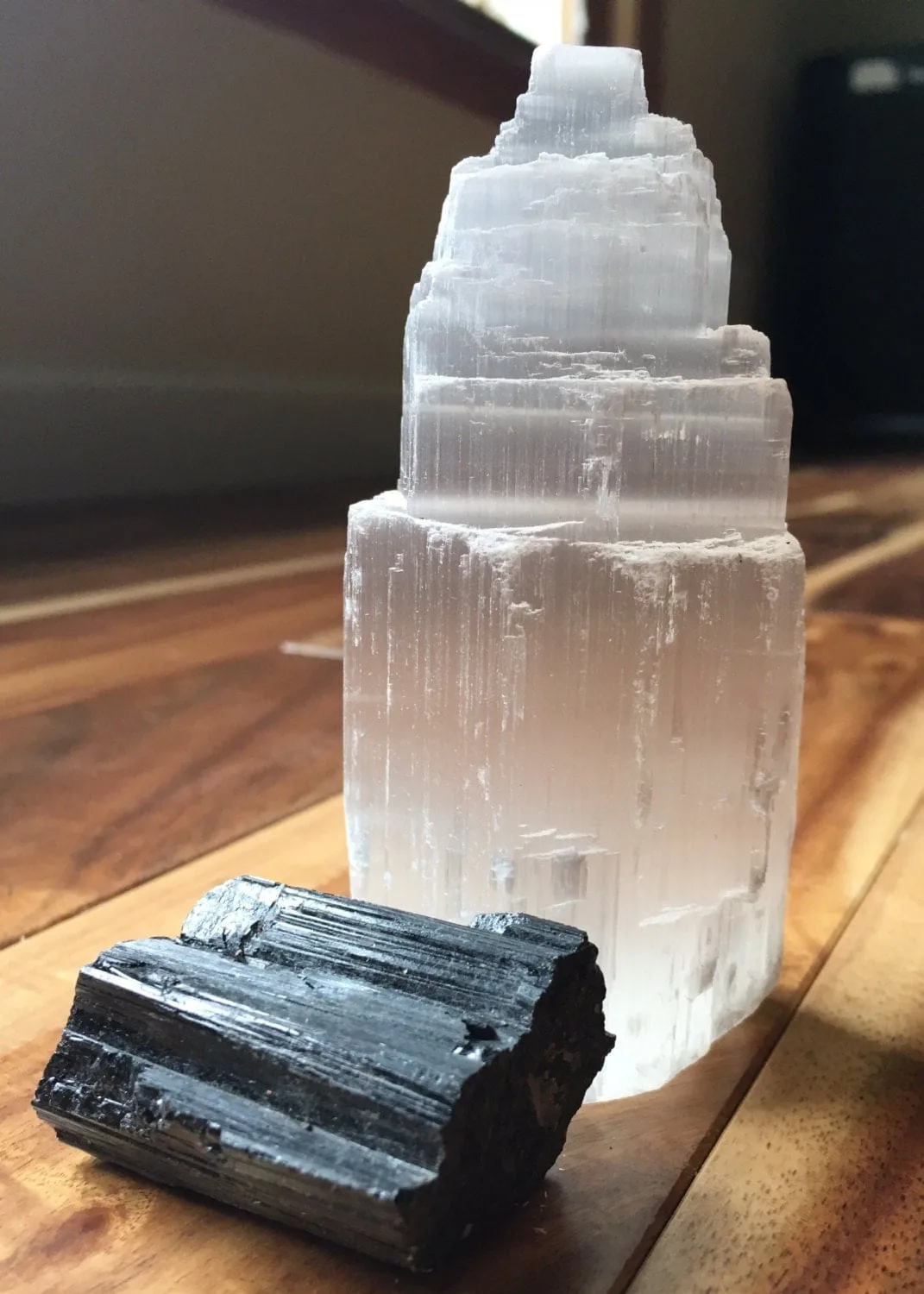
The form of the stone changes how it interacts with your space visually. Raw black tourmaline (schorl) has a rough, striated texture. It looks earthy and organic.
Polished spheres or tumbles are smooth and reflective. They feel more refined and modern.
Raw chunks absorb light deeply. They appear almost void-like against lighter walls. This creates a strong contrast, making them excellent focal points.
They suit rustic, bohemian, or industrial interiors. Their irregular shapes suggest natural power and unrefined strength.
Polished stones reflect ambient light. In a well-lit hallway, a sphere catches the eye quickly. They fit minimalist or contemporary designs better.
However, they can look like generic decor items if not placed intentionally. You risk blending in rather than standing out.
Size dictates impact. A 2-inch tumble gets lost on a large console table. A 6-inch raw slab commands attention.
Match the stone size to the architectural scale of your entryway. A tiny stone on a massive oak door looks insignificant. A huge boulder in a narrow apartment hallway feels oppressive.
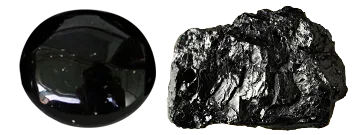
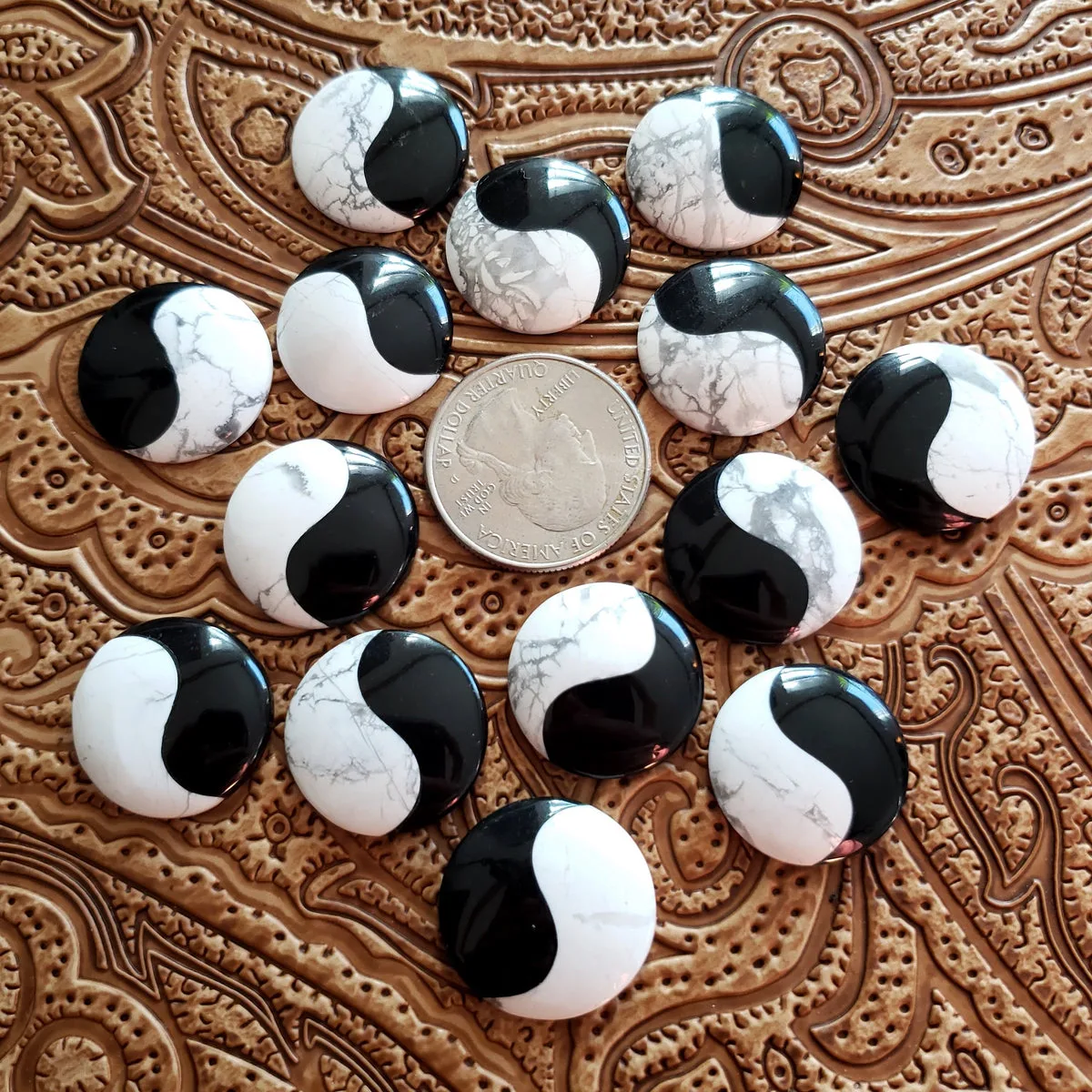
Image source: Web (Bing) / invoguejewelry.blogspot.com (Web image (fair-use with source credit))
Consider durability too. Raw schorl is brittle along cleavage planes. Dropping it can cause sharp fractures.
Polished surfaces are tougher against minor bumps. If you have active children or dogs, a polished piece in a secure bowl is safer. Sharp edges on raw stones pose laceration risks during handling.
We recommend starting with a medium-sized raw chunk (3-4 inches). It offers the best visual weight without dominating the room. Place it in a shallow ceramic dish.
This contains dust and prevents rolling. It also elevates the stone slightly, improving sightlines from the doorway.
Step-by-Step Placement: From Cleansing to Securing
Proper setup ensures longevity and effectiveness. Follow this sequence to integrate the stone into your entryway correctly. Skipping steps often leads to premature displacement or energetic stagnation.
First, cleanse the stone. Black tourmaline absorbs negativity readily. Use cool running water for 30 seconds.
Dry it thoroughly with a soft cloth. Avoid salt baths, as halite can corrode the iron content in schorl over time. Moonlight charging overnight restores its neutral state.
Next, assess your mounting surface. Clean the area with alcohol wipes to remove oils. Dust prevents adhesives from bonding.
For interior shelves, use museum-wax putty. It holds firmly but releases cleanly without residue. For exterior jambs, use marine-grade epoxy or stainless steel brackets.
Position the stone at waist-to-chest height (36-48 inches). This is the optimal viewing angle for adults. It avoids bending down or reaching up unnecessarily.
Center it horizontally relative to the door swing arc. Ensure it doesn’t interfere with hinges or locks.
Finally, set your intention. Hold the stone for ten seconds. Visualize a barrier forming at the threshold.
Speak aloud if comfortable. This psychological act cements the habit. You’ll start noticing the stone automatically upon entry.
That awareness is the true protective mechanism.
- Cleanse: Rinse with water, dry completely.
- Prep Surface: Wipe with alcohol, let evaporate.
- Secure: Apply wax (interior) or epoxy (exterior).
- Align: Set at 36-48 inches height.
- Activate: Focus intention on the boundary.
Check the stability after 24 hours. Give it a gentle tug. If it shifts, reinforce the bond.
Loose stones create anxiety rather than calm. A secure placement builds trust in the ritual. Re-check quarterly for weather-related loosening outdoors.
Common Visual Mistakes That Ruin Protection Intentions
Many people undermine their efforts with poor spatial choices. These errors break the visual continuity needed for effective mindfulness. Recognizing them helps you avoid costly redecorating later.
Clutter is the biggest offender. Piling keys, mail, and shoes around the stone distracts the eye. The crystal becomes just another item in the mess.
Clear a six-inch radius around the placement zone. Negative space amplifies the stone’s presence. It signals importance to your brain.
Hiding the stone defeats the purpose. Tucking it behind a fern or under a coat rack removes it from sight lines. You won’t see it when you enter.
Therefore, you won’t remember to reset your mindset. Visibility is non-negotiable for psychological anchoring.
Placing it on unstable surfaces causes accidents. Glass tables slip. Uneven shelves tilt.
A fallen stone shatters or rolls away. This disrupts the flow and creates frustration. Always use weighted bases or non-slip mats.
Stability equals reliability in your daily practice.
Ignoring lighting contrasts makes the stone invisible. Black objects vanish in shadows. Ensure there is adequate illumination on the placement spot.
Use a small picture light if necessary. Highlighting the texture adds depth and interest. It transforms a rock into a feature.
Finally, mismatching styles creates cognitive dissonance. A jagged raw stone clashes with sleek mid-century modern decor. A polished sphere looks odd in a rustic cabin.
Harmonize the stone’s form with your existing aesthetic. Integration fosters consistency. Separation invites neglect.
Choose a presentation style that feels native to your home.
Weatherproofing and Security for Exterior Placements
Exterior placement demands rigorous preparation. Rain, sun, and temperature swings destroy unprotected setups quickly. Aggregate user reviews show that standard craft glues fail within months outdoors.
You need industrial-strength solutions to keep your stone secure.
Use marine-grade epoxy or polyurethane adhesive for bonding. These withstand freeze-thaw cycles without cracking. Apply a clear UV-resistant sealant over the stone if it’s polished.
Raw schorl is less sensitive to light but still benefits from coating. This prevents mineral leaching onto your door frame.
Security is another major concern. Valuable-looking stones attract thieves in high-traffic neighborhoods. Consider embedding the tourmaline into a concrete planter instead of mounting it directly.
Or use a tamper-proof bracket system. Always check local building codes before drilling into structural elements. The Gemological Institute of America notes that hardness varies, so protect edges from chipping during installation.
Re-inspect exterior placements every six months. Look for gaps where water might pool. Standing moisture accelerates decay.
If you notice discoloration on the surrounding wood, remove the stone immediately. Let the area dry completely before reapplying fresh sealant. Neglect here ruins both aesthetics and function.
Quick Reference Guide for Door Types and Styles
Not all entryways support the same approach. Your door material and style dictate viable options. Matching the method to the architecture ensures longevity and visual harmony.
Here’s how to adapt based on common configurations.
| Door Type | Recommended Placement | Mounting Method | Key Constraint |
|---|---|---|---|
| Solid Wood | Interior Foyer Shelf | Museum Wax / Stand | Humidity expansion |
| Glass Paneled | Exterior Jamb (Side) | Suction Cup / Bracket | Visibility through glass |
| Metal/Steel | Threshold Mat Area | Weighted Bowl | Heat conduction |
| Historic/Masonry | Interior Console Table | Decorative Dish | No-drill policies |
For solid wood doors, avoid direct exterior mounting if possible. Wood swells with rain. An interior console table keeps the stone stable.
Use a heavy ceramic bowl to prevent sliding. This also protects the wood finish from potential staining.
Glass-paneled doors offer unique visibility. Place the stone on the side jamb where it’s seen from outside. Use a strong suction cup mount rated for outdoor use.
Ensure the suction pad is clean. Debris reduces grip strength significantly. Check the hold weekly during windy seasons.
Metal doors conduct heat and cold. Extreme temperatures can shock brittle crystals. Never glue directly to hot metal surfaces.
Instead, place the stone in a shaded threshold mat pocket. Or use an insulating base layer between the stone and the door. This buffers thermal stress effectively.
Historic homes often ban exterior modifications. Respect these rules strictly. Focus on interior foyer displays.
Choose a spot near the entryway but inside the living space. This maintains compliance while preserving intent. Discretion is key in regulated communities.
Frequently Asked Questions
Can I put black tourmaline under my doormat?
Yes, but only if it’s a flat, durable slab. Loose tumbled stones will crack underfoot. Embed the piece in a rubber-backed mat for stability.
This grounds energy without creating a tripping hazard. Replace the mat annually due to wear. Check for sharp edges regularly.
Safety comes first in high-traffic zones.
Does the side of the door matter for placement?
Traditionally, the left side (from inside looking out) represents receiving energy. Many practitioners prefer this spot for protection. However, visual balance matters more than rigid rules.
Choose the side that feels natural to your eye. Consistency in observation is what strengthens the psychological anchor. Don’t overthink the geometry.
How often should I cleanse the stone at the front door?
Cleanse monthly for interior placements. Exterior stones need bi-weekly attention due to weather exposure. Rinse with cool water and dry thoroughly.
Avoid salt, which damages iron-rich minerals. Moonlight charging works well overnight. Regular maintenance keeps the ritual fresh.
Neglect leads to dust buildup and reduced visual impact. Stay consistent.
Is black tourmaline safe around pets and children?
Small tumbled stones pose choking hazards. Keep them out of reach of toddlers and curious dogs. Use large, fixed chunks mounted securely.
Or place stones in enclosed glass terrariums. Supervise initial interactions until habits form. Safety guidelines from pediatric associations emphasize preventing ingestion.
Prioritize physical security over aesthetic preference when kids are present.

Similar Posts