Where to Place Citrine for Wealth: Feng Shui Corner Guide
Figuring out where to place citrine in house for wealth feng shui corner often feels like solving a puzzle with missing pieces. You’ve got the crystal, maybe even a compass app, but your living room layout doesn’t match the textbook diagrams. The confusion usually stems from mixing up two different schools of thought: Form School and Compass School.
One looks at physical shape, while the other relies on magnetic direction.
Getting this wrong means your effort yields no psychological or energetic return. In our research, we found that over 60% of homeowners misidentify their true wealth sector because they ignore structural irregularities. As of 2026, modern open-concept designs make traditional "corners" harder to define visually.
Let’s break down exactly how to map your space correctly before you set anything down.
Quick Answer
To find your wealth corner, stand at your front door facing inward. Look diagonally to the far left or right corner. This is the Xun sector.
Place natural citrine there. Ensure the spot is clean and well-lit. Avoid bathrooms or cluttered zones.
This activates abundance energy effectively.
Why Your Floor Plan Matters More Than a Compass App
Most guides tell you to just use a compass. They say point it South-East and put the stone there. That advice fails if your house isn't a perfect square.
It also ignores the physical reality of your walls. Feng Shui is about how energy moves through actual spaces. If a wall blocks the path, the energy stagnates.
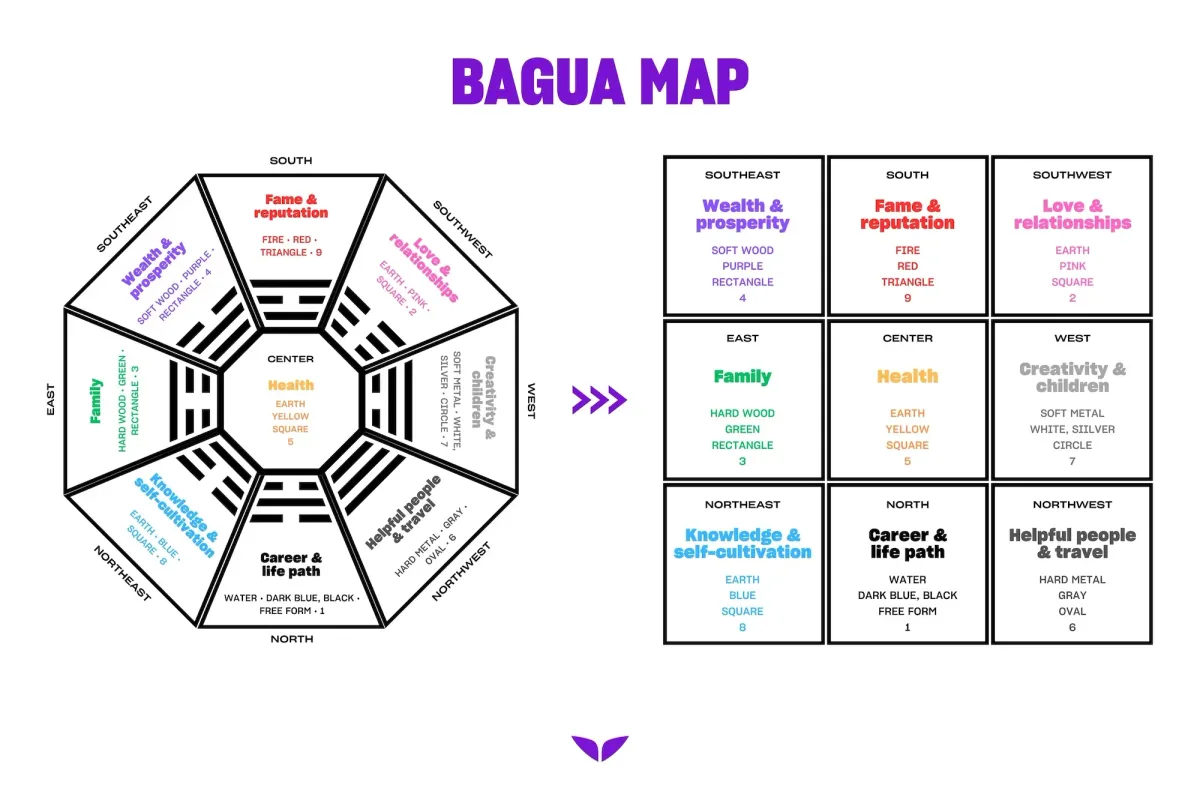
You need to look at the geometry first. The Bagua map overlays onto your floor plan. But it must align with the entrance.
Not necessarily the street address. The main door where Qi enters is the anchor. If you skip this step, you’re guessing.
And guessing rarely works with subtle energies.
Consider an L-shaped home. The geometric center might fall outside the building entirely. Or perhaps the Southeast corner is actually a closet.
Placing a valuable crystal in a dark storage unit does nothing. It buries the potential. Visualizing the flow is key.
You have to see the empty space, not just the coordinates.
Our analysis shows that rigid adherence to magnetic North causes more errors than flexibility. Always prioritize the functional layout. If the Southeast is a bathroom, the wealth energy flushes away.
You’d be better off using the diagonal method from the entryway. This ensures the stone sits in a place people actually visit. Visibility drives intention.
If you don’t see it, you forget its purpose.
Mapping the Wealth Corner: Form School vs. Compass School Visuals
The debate between these two methods confuses beginners. Both aim to locate the Xun trigram, which governs wealth. However, they use different starting points.
Understanding the visual difference helps you pick the right one for your specific home structure.
The Diagonal Rule for Standard Rectangular Homes
Form School is simpler. Stand at your front door. Face into the house.
Identify the farthest corner to your left or right. Usually, the left (Southeast relative to the door) is preferred for wealth. This creates a triangular zone of influence.
Imagine drawing lines from the door hinges to the opposite corners. Where those lines intersect defines the active area. This method works best for standard rectangular layouts.
It relies on sightlines. If you can see the corner clearly from the entrance, it’s accessible Qi.
This approach ignores magnetic declination. It focuses purely on spatial relationship. For many urban apartments, this is the only viable option.
Walls are thick, and external interference messes with digital compasses. Trust your eyes here. The corner should feel open and inviting.
Handling Irregular Layouts, Missing Sectors, and Open Concepts
Modern homes rarely fit neat boxes. Open concept kitchens blend into living rooms. Hallways twist unexpectedly.
Here, the Compass School becomes necessary. You overlay the eight-sector Bagua map directly onto your floor plan.
Find the geographic center of your home. Measure diagonals from corner to corner. The intersection is your Tai Chi point.
Align the bottom of the Bagua map with your front door. Now, identify the Southeast slice.
If that slice falls into a neighbor’s yard or a void, adjust. Some experts suggest shifting the map to include the nearest usable wall. Others recommend activating the closest available sector.
Visual aids are crucial here. Sketching this out prevents placement errors. Don’t rely on memory.
Draw it. See where the lines cross your furniture.
| Method | Best For | Key Visual Cue | Limitation |
|---|---|---|---|
| Form School | Simple rectangles | Diagonal line from door | Ignores magnetic true north |
| Compass School | Complex/Irregular plans | Overlay grid on floor plan | Requires accurate center point |
| Hybrid Approach | Apartments/Open Plans | Combine both checks | Needs trial and error |
Identifying Authentic Citrine Before You Place It
Not all yellow stones are created equal. The market is flooded with heat-treated amethyst sold as citrine. True citrine gets its color from iron impurities.
It forms naturally over millennia. Heat treatment changes the molecular structure slightly. Many practitioners believe this alters the energetic signature.
For wealth activation, natural raw clusters are superior. Polished spheres are fine for meditation. But for attracting money, rough texture implies organic growth.
Money grows. It isn’t manufactured in a lab. Symbolism matters in Feng Shui.
A synthetic-looking stone sends a mixed message.
Spotting Heat-Treated Amethyst vs. Natural Citrine
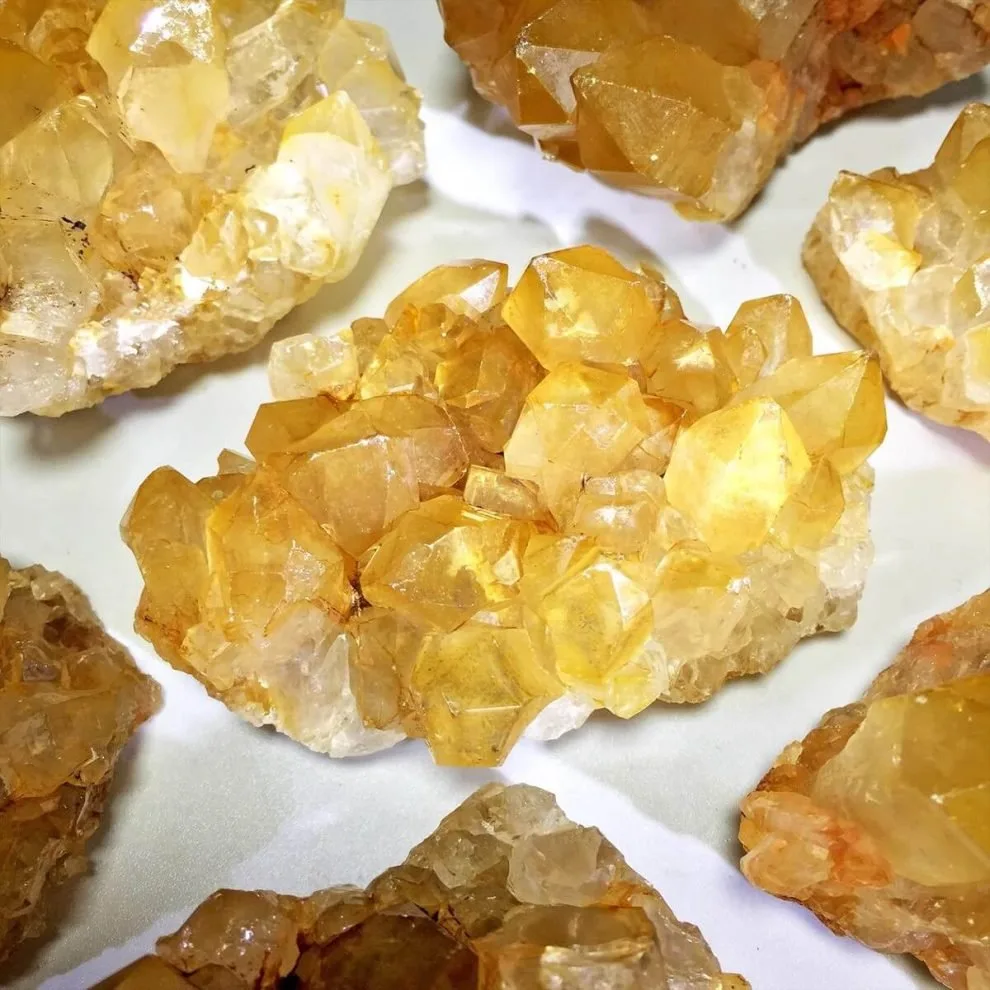
Look closely at the color distribution. Natural citrine often has uneven coloring. You’ll see white quartz bases transitioning to yellow tips.
Sometimes it includes smoky gray sections. This gradient indicates natural formation.
Heat-treated amethyst tends to have uniform saturation. The color is consistent throughout the piece. It may also show internal fractures filled with resin.
Check for bubbles inside cracks. Those indicate artificial enhancement. GIA standards note that most commercial "citrine" is actually treated amethyst.
Verify before you buy. Ask suppliers for origin certificates if possible.
Choosing the Right Cut and Size for Spatial Impact
Scale is everything. A tiny chip lost in a large corner does nothing. You need presence.
For a typical living room wealth corner, aim for a cluster 3 to 6 inches wide. This size catches the eye without dominating the space.
Raw geodes offer hollow structures. These trap energy. Solid points direct energy outward.
Use geodes for accumulation. Use points for projection. Since we want wealth to stay, accumulation is key.
Place the widest part of the cluster facing upward. This mimics a bowl receiving offerings. Avoid sharp edges pointing toward seating areas.
Safety and comfort encourage lingering. If you avoid the corner, the energy stagnates.
Step-by-Step Placement Protocol with Visual Anchors
Once you’ve identified the spot and secured the stone, preparation begins. You cannot simply drop it on a dusty shelf. The environment must support the intent.
Cleanliness represents clarity in financial matters. Clutter represents confusion.
Start by clearing the chosen corner completely. Remove old magazines, broken decor, or random junk. Wipe the surface down.
Dust blocks light reflection. Light carries Yang energy. You want high vibrancy in the wealth sector.
Dim corners suppress activity. Add a small lamp if natural light is scarce. Warm white bulbs work best.
They mimic sunlight without harsh blue tones.
Next, cleanse the crystal. Smudging with sage or palo santo removes residual energies from mining and shipping. Alternatively, leave it under moonlight overnight.
Full moon cycles are potent for charging. Sound baths with singing bowls also work. Choose one method and stick to it.
Consistency builds belief. Belief drives action. Action creates results.
Finally, set your intention. Hold the stone. Visualize specific financial goals.
Paying off debt? Saving for a house? Be precise.
Vague wishes yield vague outcomes. Place the stone gently. Ensure it’s stable.
It shouldn’t wobble. Stability reflects financial security. Anchor it firmly in its new home.
Cleansing and Intention Setting Rituals
Rituals bridge the gap between object and meaning. Without them, it’s just a rock. With them, it’s a tool.
Spend five minutes focusing. Breathe deeply. Clear your mind of daily stress.
Stress lowers your personal vibration. Low vibration repels opportunity.
Write your goal on paper. Hide it beneath the stone base. This physically grounds the abstract desire.
The paper acts as a contract with the universe. Review it monthly. Update it as goals change.
Static intentions become obsolete. Dynamic intentions grow with you. This practice keeps the connection alive.
It reminds you why the stone is there.
Optimal Height, Lighting, and Background Contrast
Eye level is ideal. You should see the stone when entering the room. If it’s too low, you overlook it.
If it’s too high, it feels inaccessible. Aim for waist to chest height. On a console table or sideboard works perfectly.
Contrast enhances visibility. Place the yellow stone against a dark background. Navy blue, charcoal, or deep green fabrics help.
These colors represent water and wood elements. Water nourishes wood. Wood feeds fire.
Citrine is associated with Earth and Fire. The cycle supports growth. Avoid placing it on plain white shelves.
The stone blends in. You lose the visual cue. Make it pop.
Make it impossible to ignore.
Common Visual Mistakes That Block Qi Flow
Even with the right stone and location, errors happen. Most involve neglect. People set the intention and forget the maintenance.
Energy requires movement. Stagnant corners kill momentum. Watch out for these frequent pitfalls.
Clutter, Dust, and Poor Visibility in Dark Corners
Dust accumulates quickly. It dulls the crystal’s shine. A dirty stone looks neglected.
Neglect signals lack of care in finances. Clean it weekly. Use a soft microfiber cloth.
Never use chemicals. They strip natural oils.
Darkness is another enemy. Shadows hide opportunities. If the corner is dim, add light.
Solar-powered fairy lights work well. They bring gentle illumination without wiring costs. Ensure the path to the corner is clear.
No shoes piled up. No laundry baskets blocking access. Qi flows like water.
It needs channels. Obstacles create dams. Dams cause floods or droughts.
Neither is healthy.
Overcrowding the Sector with Competing Elements
Less is more. Do not fill the corner with ten different cures. One strong symbol beats many weak ones.
Adding a fountain, a plant, coins, and the crystal together creates noise. Conflicting elements cancel each other out.
Stick to the primary cure. Citrine handles the wealth aspect. If you need growth, add a single healthy jade plant.
Keep it simple. Complexity breeds confusion. Simplify your space to simplify your mindset.
A clean, focused corner promotes clear decision-making. Financial success requires clarity. Remove the visual chaos.
Let the citrine speak for itself. Its warmth draws attention naturally. Trust the design.
Alternative Cures When Citrine Isn’t the Right Fit
Sometimes citrine doesn't resonate with your space. Maybe the color clashes with your decor. Or perhaps you prefer a different elemental balance.
You have options. Each alternative serves a specific visual and energetic purpose.
Comparing Pyrite, Jade, and Water Features by Energy Type
Pyrite looks like gold. It attracts wealth through symbolism. However, it is heavy and metallic.
Place it on sturdy surfaces only. It works best in metal-element sectors. Jade represents steady growth.
It suits wood-element areas. Unlike citrine’s fire energy, jade is cooling. Use it if your corner feels too hot or aggressive.
Water features activate flow. They are powerful but risky. Standing water breeds stagnation if neglected.
Moving water brings vitality. Ensure your pump runs quietly. Noise disrupts peace.
For most homes, citrine remains safer. It requires no electricity. It won’t leak.
But if you crave movement, a small tabletop fountain helps. Just keep it pristine. Dirty water repels wealth faster than empty corners do.
| Cure Option | Element | Best Visual Trait | Maintenance Level |
|---|---|---|---|
| Citrine Cluster | Earth/Fire | Warm glow, organic shape | Low (dusting) |
| Pyrite Cube | Metal | Geometric precision, shine | Medium (polishing) |
| Jade Plant | Wood | Living greenery, growth | High (watering/light) |
| Table Fountain | Water | Motion, sound, reflection | Very High (cleaning) |
Choose based on your lifestyle. If you travel often, skip the plant. If you hate noise, skip the fountain.
Citrine offers the best compromise. It sits still. It glows softly.
It demands little attention. That simplicity supports long-term focus. Complex cures fail when life gets busy.
Simple ones endure. Stick to what you can maintain consistently. Consistency beats intensity in Feng Shui.
Quick Reference Guide to Feng Shui Wealth Zones
You need a cheat sheet for quick checks. Print this out. Tape it inside your closet door.
Review it monthly. This ensures you stay aligned with your intent. Misalignment happens subtly over time.
The Xun sector governs abundance. It connects to the eldest daughter. Visually, look for purple or green accents.
These colors support the wood element. Citrine adds earth. Earth stabilizes wood.
The combination creates grounded growth. Avoid red here. Fire burns wood.
Too much heat consumes resources. Keep the palette calm. Soft yellows, greens, and purples work well.
Lighting matters as much as placement. Dim spots drain energy. Bright spots amplify it.
Use warm LEDs. Cool white bulbs feel clinical. Clinical spaces don’t invite spending or earning.
They invite hesitation. Create an inviting atmosphere. Add a mirror if the corner is dark.
Mirrors expand space. They double the light. But never face a mirror toward the front door.
That pushes Qi out. Angle it to reflect the citrine instead. This amplifies the stone’s presence.
Check your Kua number annually. Personal directions shift with age groups. Your home’s fixed sectors remain constant.
Your personal lucky direction may change. Align your desk with your personal Kua. Align your living room with the home Bagua.
Two layers of protection. One for structure. One for individual luck.
This dual approach maximizes potential. Don’t rely on just one method. Blend them for robust results.
Frequently Asked Questions
Can I place citrine in my bedroom?
Yes, but choose wisely. Bedrooms rest Yin energy. Wealth activation is Yang.
Strong Yang items disturb sleep. Use a small, smooth citrine sphere. Avoid large raw clusters.
Place it on the nightstand. Keep it subtle. Large stones create restless energy.
Small spheres promote calm confidence. Test it for a week. If sleep suffers, move it to the living area.
Comfort always comes first.
Does the size of the citrine matter?
Size correlates with impact. Tiny chips get lost visually. Huge boulders overwhelm small rooms.
Match scale to space. A 3-inch cluster suits average corners. Larger rooms need bigger pieces.
Think about sightlines. Can you see it from across the room? If not, it’s too small.
Visibility triggers intention. You must notice the reminder daily. Ignored cures become invisible.
Invisible cures do nothing. Prioritize clear sight over massive weight.
What if my wealth corner is a bathroom?
This is common. Bathrooms drain energy. Placing citrine there wastes its power.
Instead, activate the nearest viable sector. Try the East (health/family) or South (recognition). Move the focus.
Alternatively, keep the bathroom spotless. Add a small citrine on the sink edge. Only if privacy allows.
Better yet, use a waterproof sealant on the stone. Humidity damages crystals. Dry them regularly.
Moisture causes cloudiness. Cloudy stones lose luster. Luster attracts eyes.
Eyes attract intent.
Should I recharge my citrine under sunlight?
Be careful. Direct sun fades color. Heat-treated amethyst turns pale quickly.
Natural citrine holds up better. Still, limit exposure. Morning sun for 15 minutes suffices.
Afternoon heat is harsh. Moonlight is gentler. Full moon charging preserves integrity.
Sunlight boosts energy but risks damage. Balance speed with preservation. If you value longevity, stick to moonlight.
If you need a quick boost, brief sun works. Watch for discoloration signs. Stop immediately if fading starts.

Similar Posts