Can Green Tourmaline & Aventurine Boost Wealth?
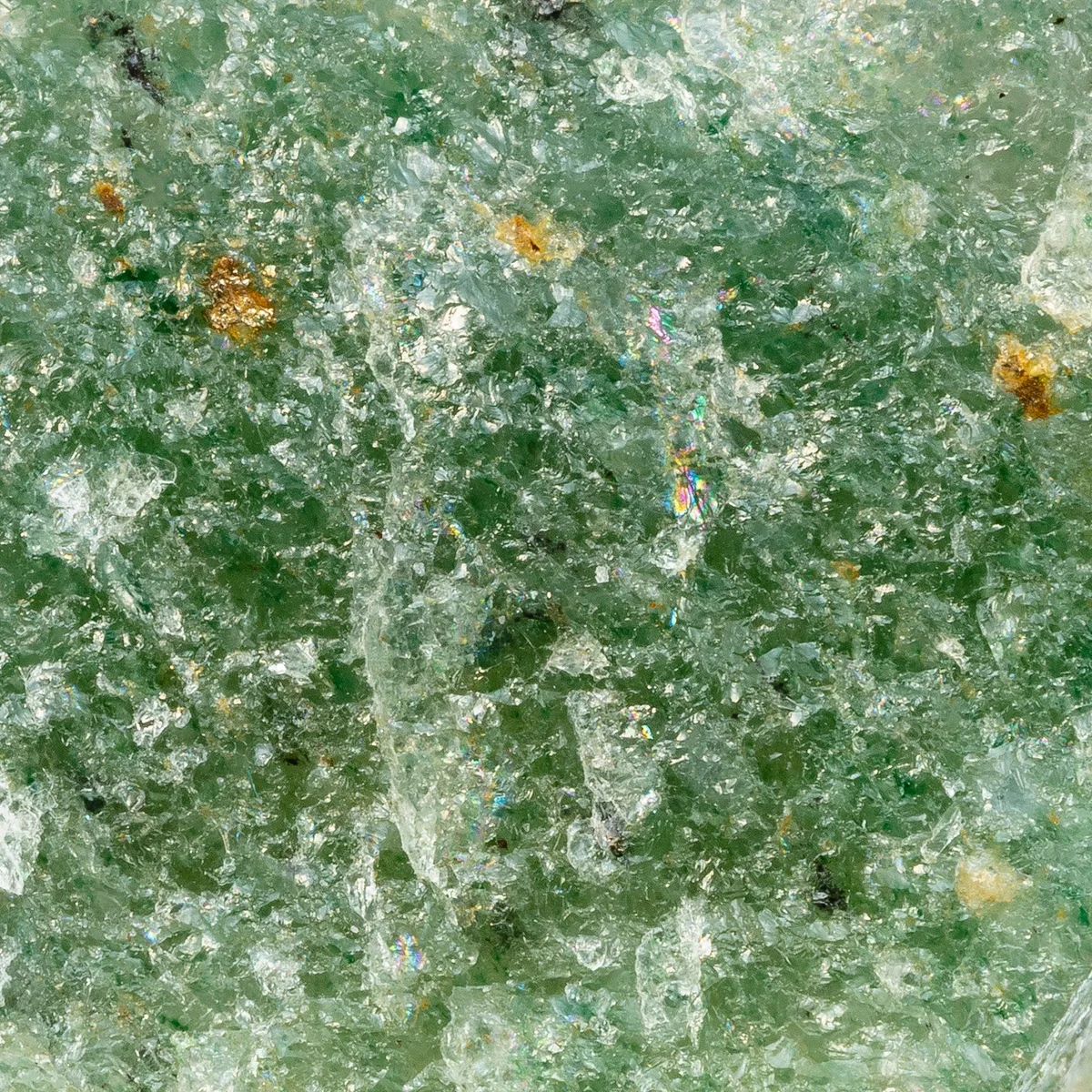
People often ask if green tourmaline and aventurine can be paired for wealth luck. The short answer is no, not in any measurable financial sense. These stones are silicate minerals with specific physical properties, but they lack causal power over bank balances or investment returns.
Believing otherwise creates a dangerous distraction from actual money management. As of 2026, peer-reviewed psychology confirms that rituals provide comfort, yet they don't alter economic outcomes. Let’s look at why mixing spiritual hope with hard cash decisions is risky.
We need to separate metaphorical meaning from material reality. This distinction protects your wallet from false promises.
Why Your Wallet Doesn’t Care About Crystal Vibes
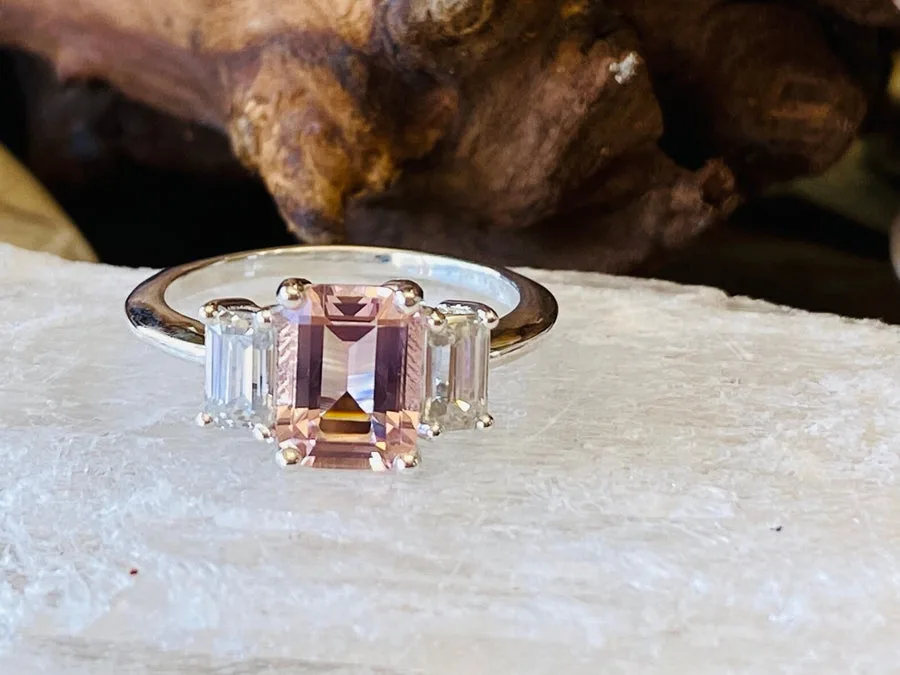
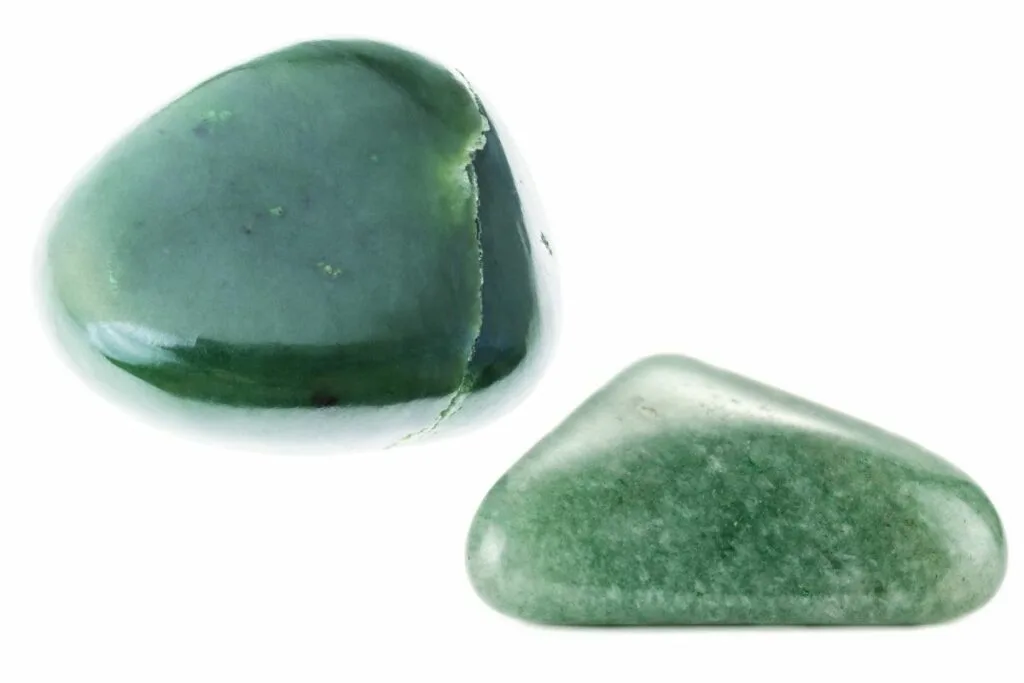
Your net worth depends on income, expenses, and investments. It does not depend on the mineral composition of jewelry you wear. Green tourmaline (verdelite) and green aventurine are popular in metaphysical circles for their supposed ability to attract abundance.
However, there is zero empirical evidence linking gemstone ownership to increased revenue.
The danger lies in "spiritual bypassing." This occurs when individuals use mystical practices to avoid confronting difficult financial realities. If you’re struggling with debt, wearing an aventurine bracelet won’t lower your interest rates. Relying on crystals instead of budgeting leads to compounding losses.
We must treat these items as decorative or symbolic objects. They hold cultural value, sure. But assigning them financial agency is a category error.
Think of it like carrying a lucky rabbit’s foot. It might boost confidence temporarily. Yet it cannot change the odds of a lottery win or a stock market crash.
Real wealth building requires literacy, discipline, and strategic planning. Crystals offer none of these tools. They are static geological formations.
Money flows through dynamic human systems. Confusing the two leaves you vulnerable to scams and poor choices. Always prioritize actionable financial education over passive talismans.
The Actual Mechanics of Green Tourmaline and Aventurine
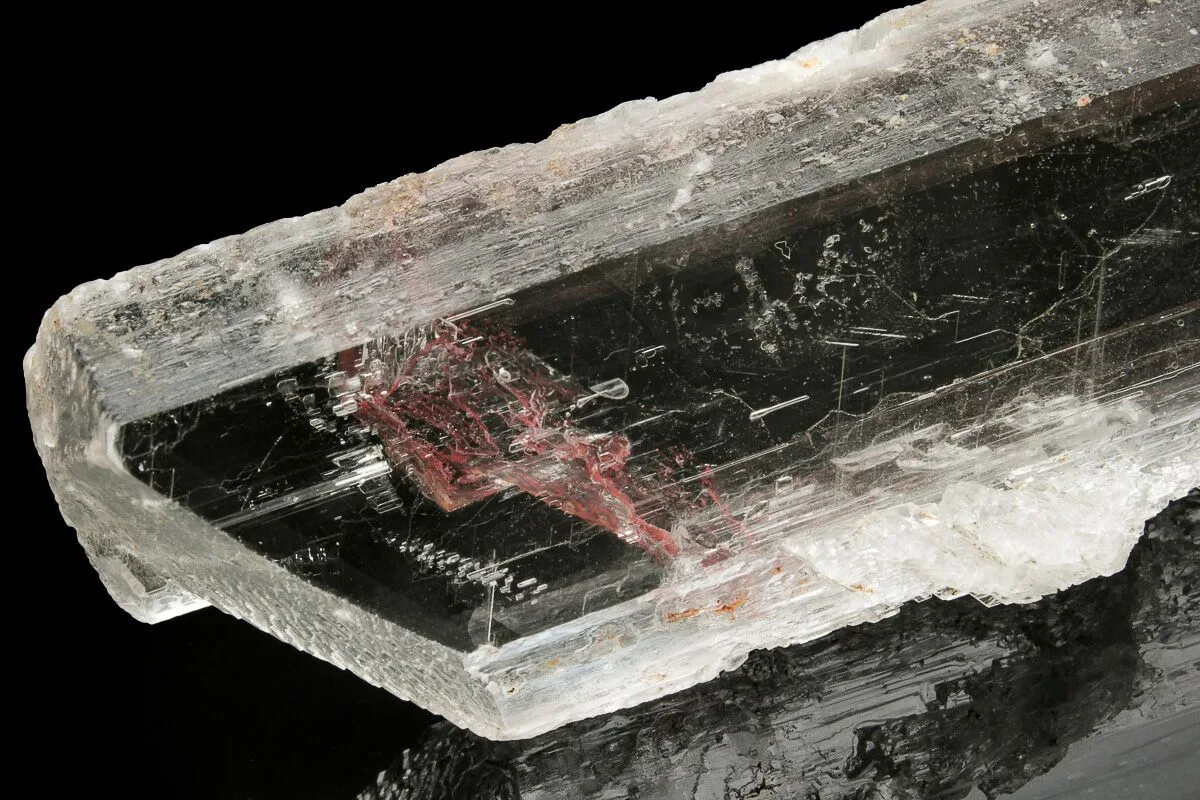
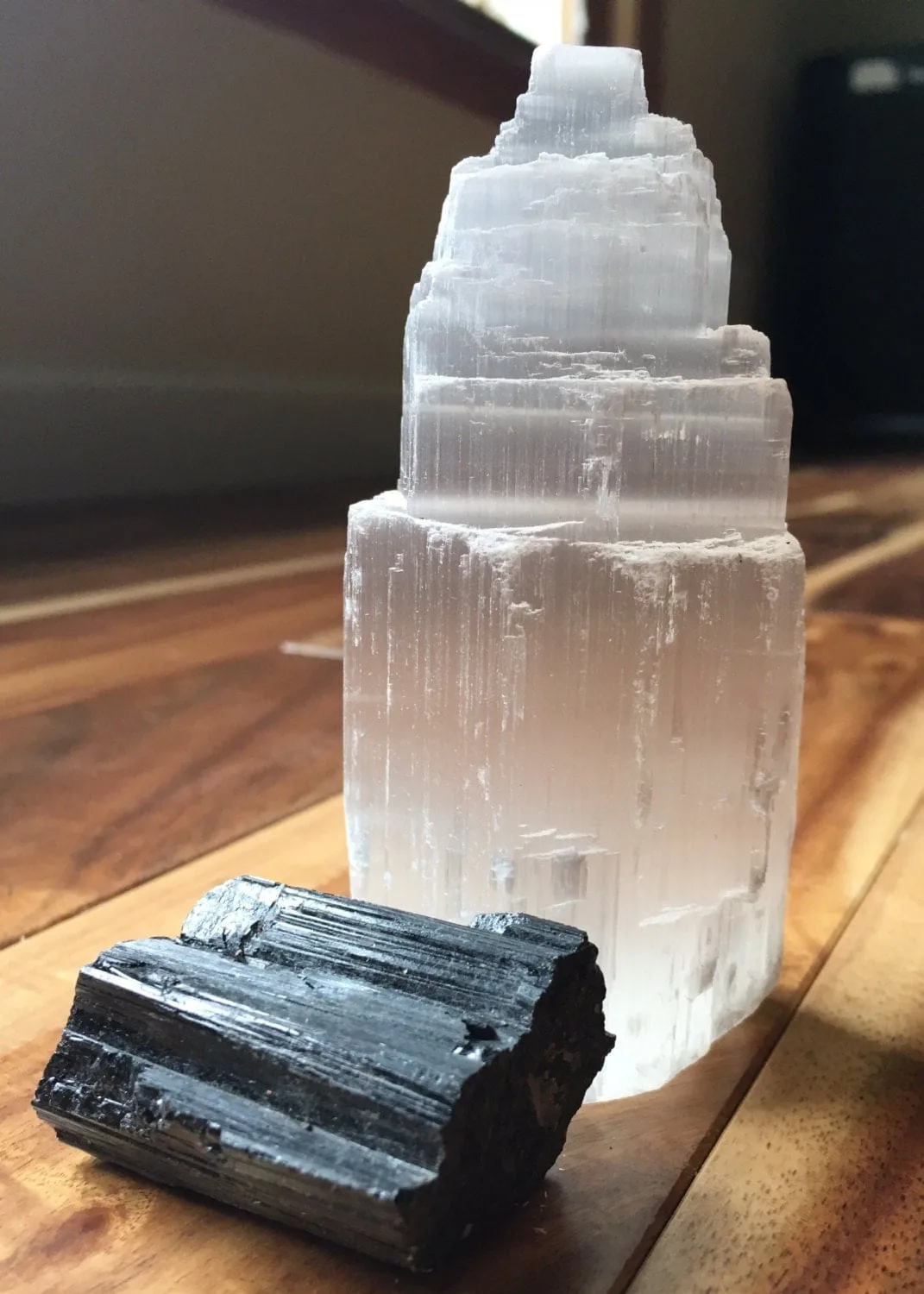
Let’s strip away the mysticism and look at the geology. Green tourmaline belongs to the borosilicate mineral group. It forms in pegmatites and metamorphic rocks.
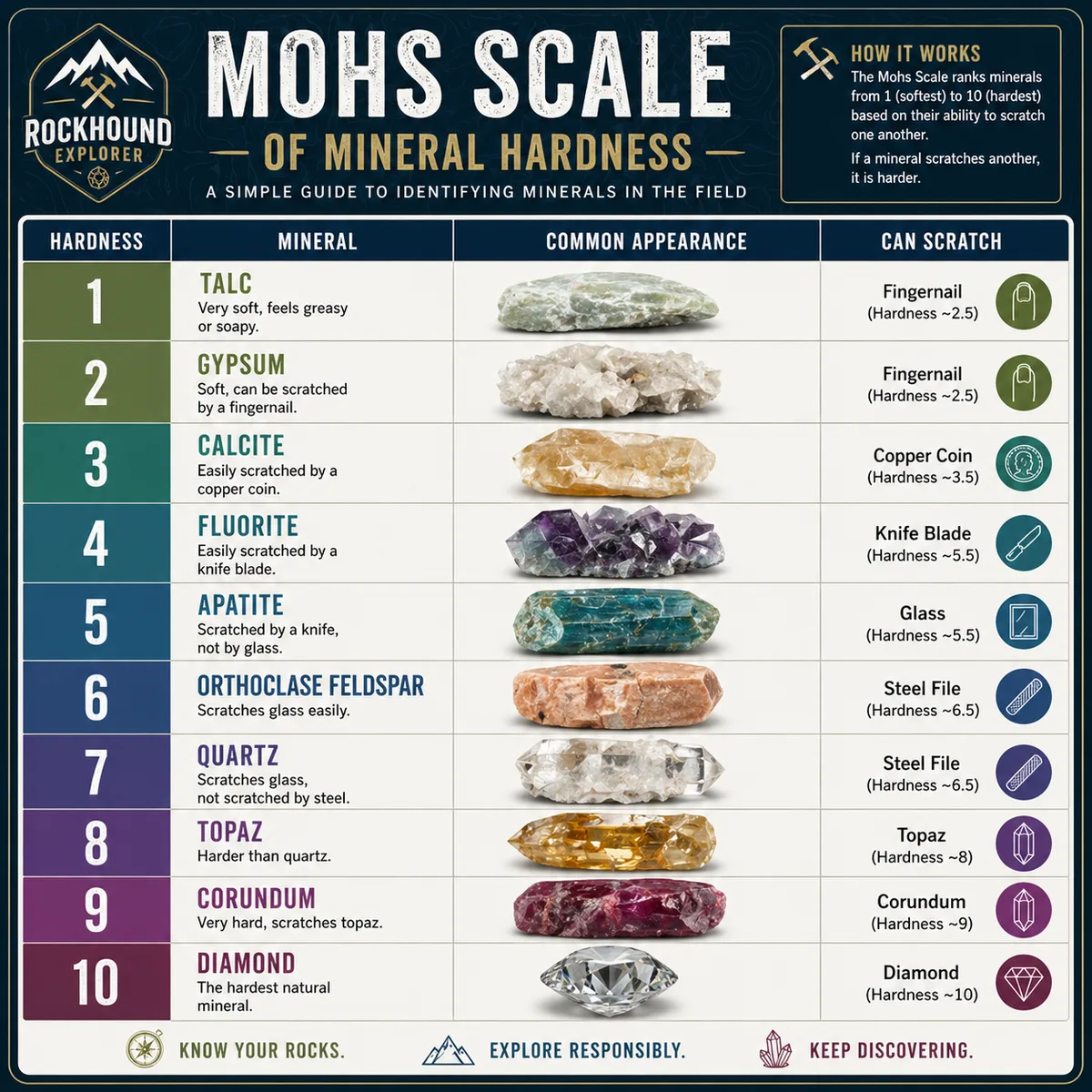
Its color comes from iron and magnesium ions within its crystal lattice. It ranks 7 to 7.5 on the Mohs hardness scale. This makes it durable enough for daily wear but susceptible to chipping under heavy impact.
Green aventurine is a variety of quartz. Specifically, it contains microscopic inclusions of fuchsite mica. These inclusions create the shimmering effect known as aventurescence.
Quartz ranks 7 on the Mohs scale. Both stones are chemically stable and inert. They do not emit energy fields detectable by scientific instruments.
| Feature | Green Tourmaline | Green Aventurine |
|---|---|---|
| Mineral Class | Borosilicate | Silicate (Quartz) |
| Mohs Hardness | 7 – 7.5 | 7 |
| Key Component | Iron/Magnesium | Fuchsite Mica Inclusions |
| Optical Effect | Pleochroism possible | Aventurescence (shimmer) |
These physical traits define their utility in jewelry manufacturing. They determine how well they polish and resist scratches. Nothing in their atomic structure interacts with currency markets.
Understanding this helps demystify their appeal. People love them because they are beautiful and affordable compared to diamonds or emeralds. That aesthetic value is real.
The claimed financial potency is not.
Where the "Wealth Luck" Myth Falls Apart
The idea that these stones bring wealth stems from symbolic associations. Green represents growth in nature. Therefore, practitioners argue it attracts financial growth.
This is sympathetic magic, a concept rooted in ancient folklore, not modern economics. While culturally significant, it has no predictive power in today’s globalized economy.
Consider the source of most claims. They come from unregulated wellness blogs or metaphysical shops. There are no double-blind studies showing that tourists who buy aventurine spend less than those who don’t.
Without data, we rely on anecdote. Anecdotes suffer from confirmation bias. You remember the times things went well while wearing the stone.
You forget the thousands of hours where nothing changed.
Furthermore, "luck" is probabilistic. Financial success usually correlates with education, network access, and risk tolerance. Attributing success to a rock ignores these critical factors.
This misattribution prevents learning from genuine successes. If you think a crystal made you rich, you won’t analyze what actually worked. Next time, without the crystal, you might fail.
The myth persists because it offers simplicity. Managing finances is complex and stressful. Believing in a quick fix feels relieving.
But relief isn’t resolution. True financial health requires engaging with complexity, not escaping it via mineral worship. Stop looking for shortcuts in geology.
Look for strategies in savings accounts.
How to Use These Stones Without Ignoring Financial Reality
You can still enjoy these gems safely. Treat them as mindfulness anchors rather than financial engines. Many investors use rituals to manage anxiety during volatile markets.
Wearing a piece of green tourmaline might serve as a tactile reminder to breathe before making impulsive trades.
Here is a healthy approach:
- Set Intentions: Decide that the stone reminds you to check your budget weekly.
- Visual Cue: Place aventurine on your desk near your tax documents.
- Psychological Anchor: Use the act of putting on jewelry to signal the start of your financial review routine.
This leverages the placebo effect constructively. The stone doesn’t generate wealth. Your disciplined behavior does.
The object just triggers the habit. Ensure you pair this practice with concrete actions. Open a high-yield savings account.
Automate bill payments. Read a book on personal finance.
Do not let the ritual replace the work. If you find yourself spending $100 on a "prosperity crystal" instead of investing $100 in an index fund, you’ve lost. The opportunity cost is real.
Compound interest works on dollars, not vibes. Keep the symbolism light and the strategy heavy.
Spotting Fakes, Treatments, and Overpriced Hype
The metaphysical market is rife with deception. Sellers often exploit buyers’ desire for "high-vibration" stones. Be wary of terms like "energy-charged" or "manifestation-grade." These have no standardized definition.
They are marketing fluff designed to inflate prices.
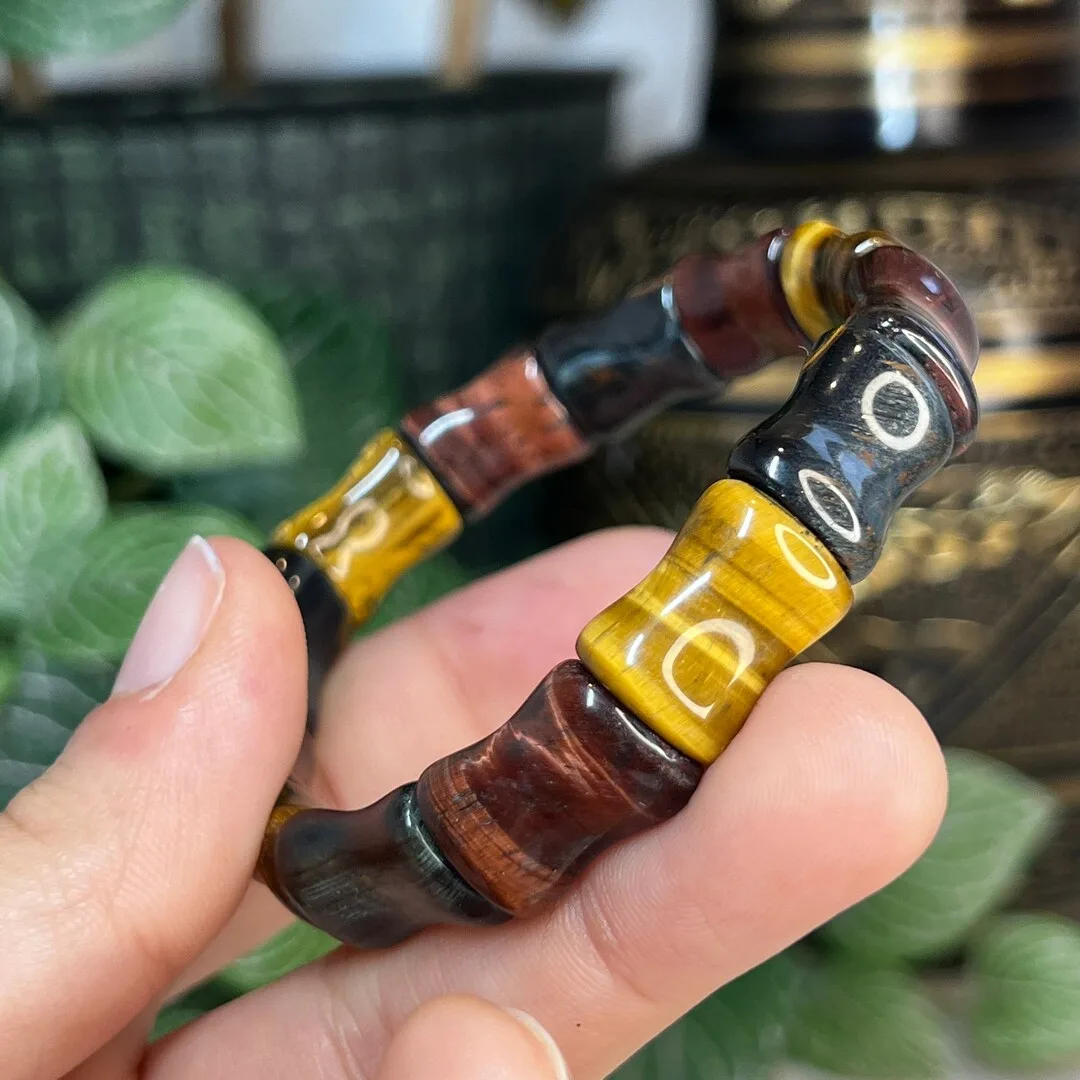
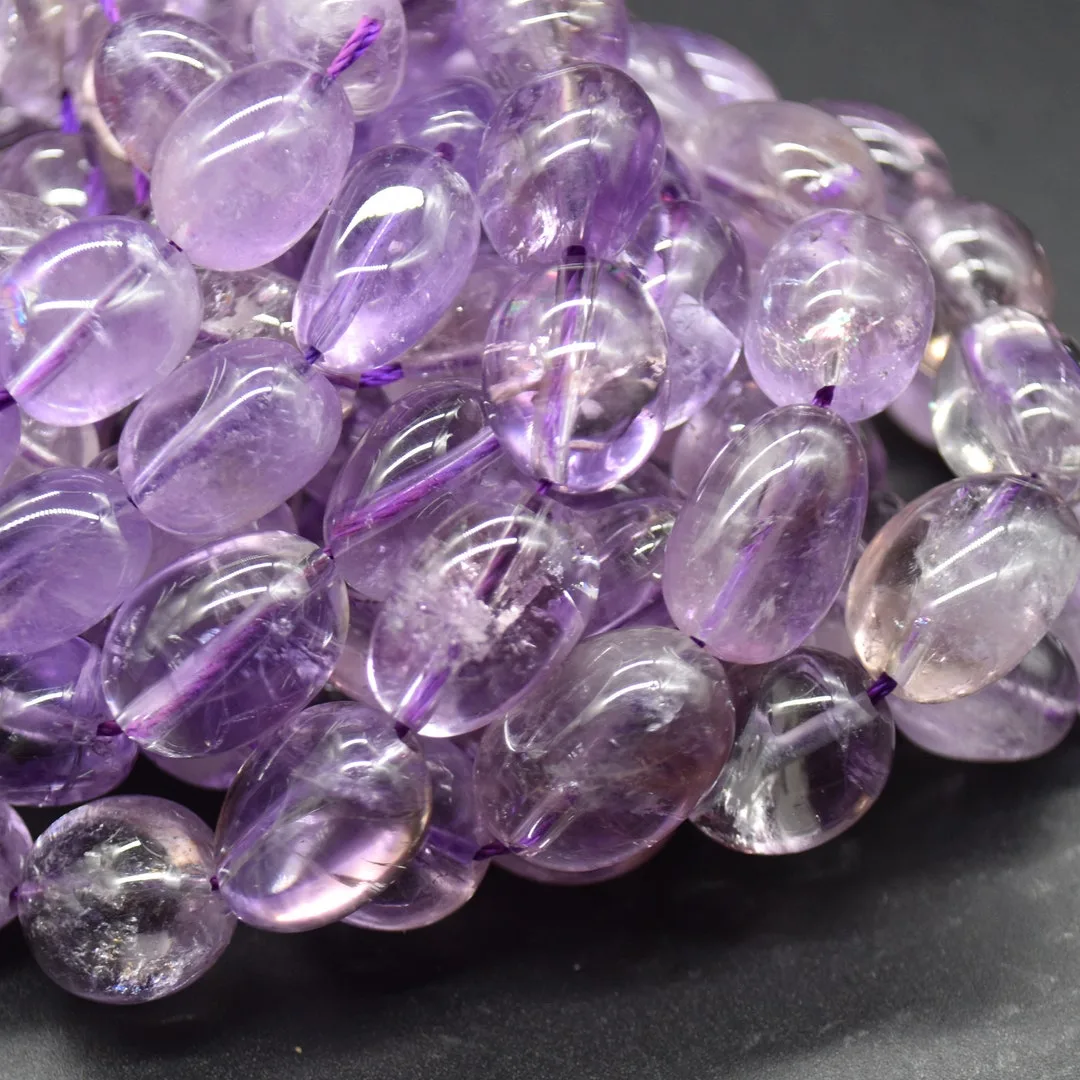
Green aventurine is frequently dyed or coated to enhance its color. Natural aventurine has subtle sparkles. Dyed versions look uniformly bright and artificial.
Check for dye concentration in cracks using a loupe. If the color pools in fissures, it’s treated. Treated stones are fine for decor but misleading if sold as premium natural specimens.
Tourmaline is also subject to fracture filling. Resins or oils hide internal flaws. This reduces durability.
A filled stone may crack easily during cleaning or wear. Always ask for disclosure on treatments. Reputable dealers follow guidelines set by organizations like the Federal Trade Commission.
They require clear labeling of enhancements.
Compare prices against wholesale benchmarks. Raw green aventurine tumbles cost pennies per carat. Retail markup should reflect labor and overhead, not mythical potency.
If a seller charges hundreds for a small, low-quality nodule, walk away. You’re paying for the story, not the substance. Protect your capital by verifying authenticity before purchase.
Knowledge is your best defense against hype.
When to Seek Real Help Instead of a Gemstone
If your financial stress feels unmanageable, skip the metaphysical shop. Go straight to a certified professional. Look for advisors registered with bodies like the National Association of Personal Financial Advisors.
They operate on fiduciary standards. This means they legally must put your interests first. Crystals offer no such legal protection or accountability.
Real help involves concrete steps. It starts with auditing your monthly cash flow. You need to know exactly where every dollar goes.
Then, you build an emergency fund covering three to six months of expenses. Finally, you invest consistently in diversified assets. None of these tasks require green tourmaline.
They require discipline and accurate data.
Warning signs that you need professional intervention include:
- Ignoring overdue bills for weeks.
- Feeling paralyzed by debt collection calls.
- Spending money you don’t have on "spiritual upgrades."
- Believing one lucky purchase will solve systemic issues.
Don’t wait until bankruptcy looms. Early intervention saves thousands in interest fees. A fee-only planner charges transparently.
They provide a roadmap tailored to your income and goals. Compare this to a $50 crystal that offers vague promises. The ROI on professional advice is measurable and immediate.
Invest in expertise, not minerals. Your future self will thank you for the hard work.
Frequently Asked Questions
Can wearing green aventurine increase my salary?
No. Salary increases result from negotiation skills, performance reviews, and market demand. Green aventurine is a quartz variety with mica inclusions.
It has no mechanism to influence employer decisions or corporate budgets. Focus on updating your resume and practicing interview techniques instead. These actions directly impact earning potential.
The stone serves only as a decorative accessory during this process.
Is it bad luck to pair tourmaline and aventurine together?
There is no evidence of negative energetic consequences. Both stones are chemically stable silicates. Feng Shui principles sometimes discuss element clashes, but these are symbolic frameworks.
From a geological standpoint, touching them causes no reaction. You can wear them simultaneously without fear. Just ensure neither causes physical irritation due to metal settings.
Prioritize comfort and aesthetics over superstitious concerns about pairing compatibility.
Why do sellers claim these stones attract wealth?
Sellers use psychological triggers like hope and control. Marketing relies on anecdotal testimonials rather than scientific proof. Terms like "abundance magnet" are unregulated branding tactics.
Consumers often seek easy solutions to complex financial problems. Sellers capitalize on this vulnerability. Always verify claims against independent financial advice.
Recognize that purchasing power lies in your labor and investments, not in mineral properties. Stay skeptical of guaranteed outcomes.
Do I need to cleanse these stones for them to work?
Cleansing rituals have no effect on financial outcomes. Since the stones don’t generate wealth, cleansing won’t enhance it. Some people find ritual calming, which may reduce anxiety.
Reduced anxiety can improve decision-making clarity. However, this benefit comes from the routine, not the stone itself. Save time and water.
Direct that energy toward reviewing your budget or studying market trends. Practical habits yield better financial results than spiritual maintenance.

Similar Posts