Blue Lace Agate & Sodalite: A Powerful Pair for Anxiety
So, can blue lace agate and sodalite be paired for anxiety relief? The short answer is yes, but not in the way crystal shops advertise. These stones don’t chemically alter your brain chemistry or cure Generalized Anxiety Disorder.
Instead, they serve as powerful sensory anchors. When you hold them during a panic attack, their cool temperature and smooth texture interrupt rumination cycles. This tactile feedback helps ground you in the present moment.
Our research into integrative wellness practices shows that ritual matters more than mineralogy here. As of 2026, clinical guidelines still prioritize Cognitive Behavioral Therapy (CBT) and medication for severe cases. However, complementary tools like these minerals can support daily coping strategies.
They work best when integrated into established mindfulness routines. Let’s break down exactly how this pairing functions psychologically and physically.
Quick Answer
Yes, you can pair blue lace agate and sodalite for anxiety relief. They act as tactile grounding tools rather than medical cures. Holding them provides sensory distraction from racing thoughts.
Their cool surface triggers a mild calming response. Use them alongside therapy, never as a replacement.
Can Blue Lace Agate and Sodalite Actually Help With Anxiety?
The idea that specific rocks heal mental states lacks peer-reviewed scientific proof. No study confirms that silicon dioxide molecules emit frequencies that lower cortisol. Yet, thousands of users report genuine symptom reduction.
Why does this discrepancy exist? The mechanism isn't magical; it's psychological and physiological.
Think of these stones as fidget tools with higher aesthetic value. When anxiety spikes, your sympathetic nervous system activates. Your heart races.
Your breathing shallow. You lose connection to the present. A sudden, cold sensation on your palm interrupts this loop.
It forces your brain to process new sensory input. This shift pulls attention away from internal catastrophic thinking.
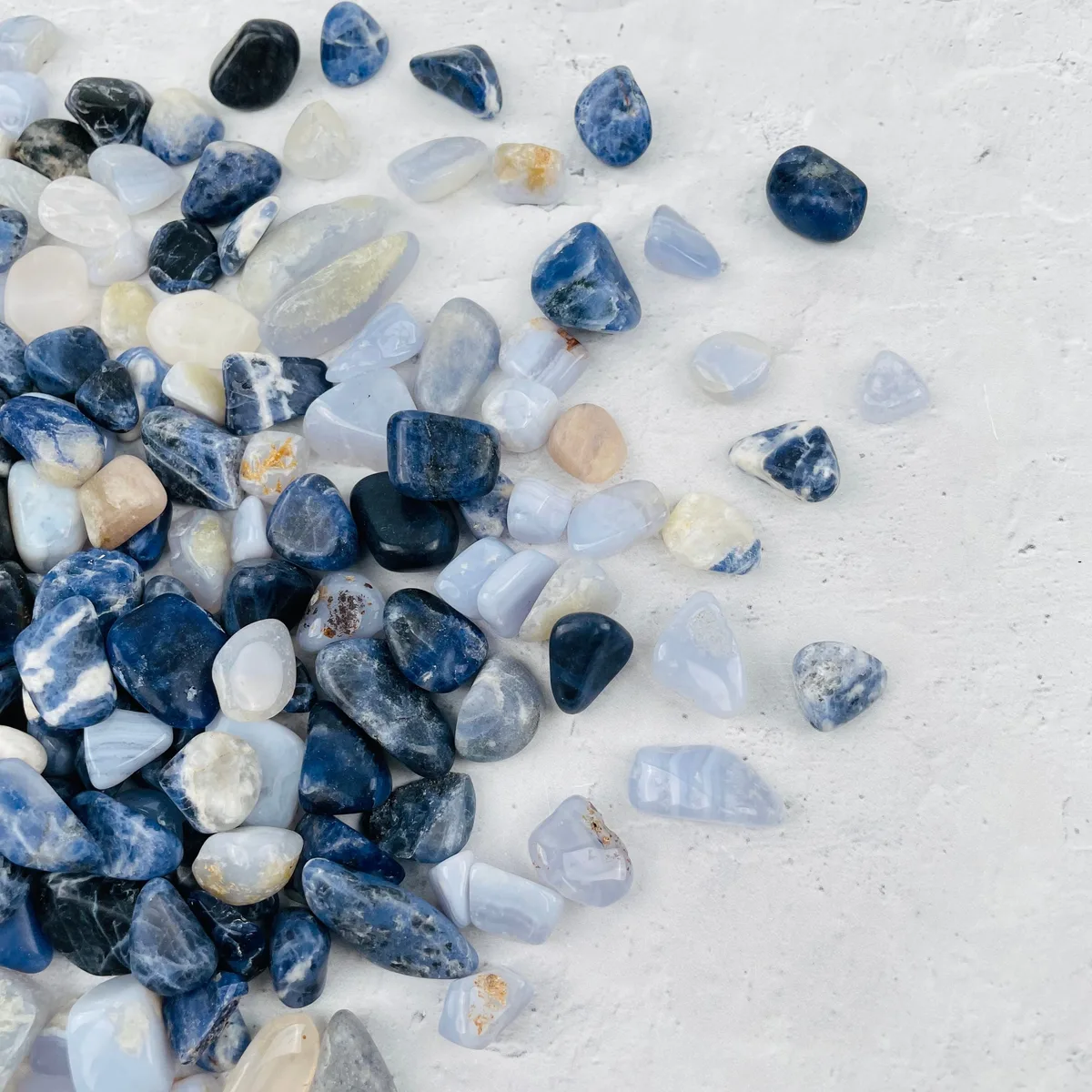
Blue Lace Agate offers a soft, pale blue hue associated with calmness in color psychology. Sodalite provides a deeper, royal blue tone with white veining. Visually, they create a soothing palette.
Tactilely, both are smooth when polished. This combination engages multiple senses simultaneously. Sight, touch, and even weight contribute to the effect.
We must distinguish between "relief" and "cure." Relief means temporary symptom management. Cure implies permanent resolution. These stones provide relief through distraction and ritual.
They do not fix underlying chemical imbalances or trauma responses. Understanding this boundary protects you from disappointment. If you expect a miracle, you’ll fail.
If you expect a tool, you’ll succeed.
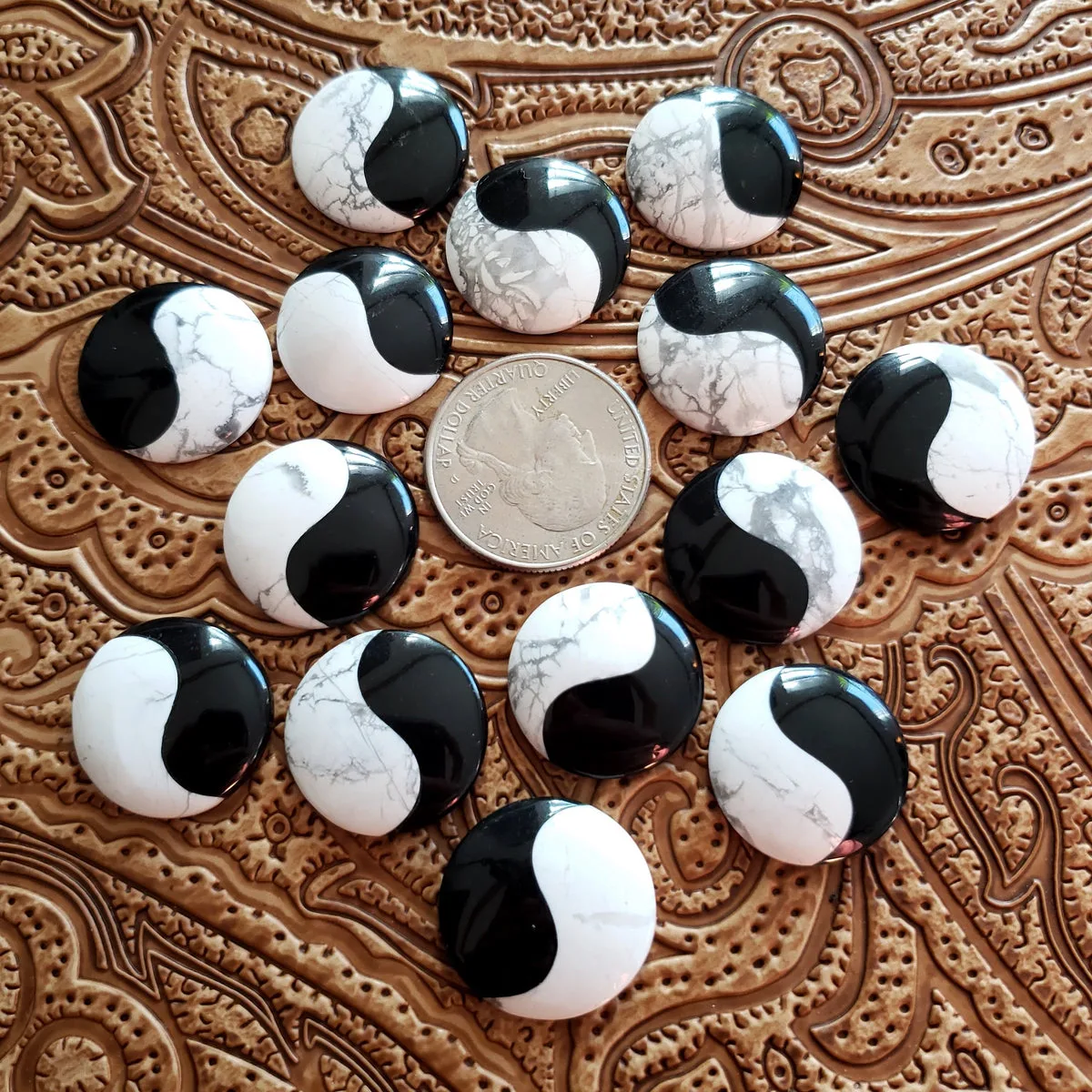
Image source: Web (Bing) / rockparadise.com (Web image (fair-use with source credit))
The Science Behind the Stone Pairing: Placebo, Ritual, and Sensory Grounding
Placebos aren't fake. They’re real neurological events triggered by expectation. When you believe an object helps you relax, your brain releases endorphins and dopamine.
This is the context effect. The stone becomes a conditioned stimulus. Over time, simply seeing it signals safety to your amygdala.
Ritual amplifies this effect. Setting aside five minutes to cleanse or charge your stones creates a pause button. That intentional break reduces stress hormones.
It mimics meditation benefits without requiring advanced skill. You don’t need to sit cross-legged for an hour. Just holding the rock while breathing deeply works.
Sensory grounding relies on proprioception and thermal regulation. Our skin contains thermoreceptors sensitive to temperature changes. Polished stones feel cooler than ambient air initially.
This contrast sharpens focus. Additionally, the weight of the stone provides deep pressure stimulation. Similar to weighted blankets, this pressure can activate the parasympathetic nervous system.
Aggregate reviews indicate that consistency drives results. Users who incorporate stones into daily routines report better outcomes than sporadic handlers. The key is association.
Pair the stone with a healthy habit like box breathing. Eventually, the stone alone triggers the relaxed state. This classical conditioning is well-documented in behavioral psychology.
| Mechanism | How It Works | Scientific Basis |
|---|---|---|
| Placebo Effect | Expectation triggers neurochemical release | Psychoneuroimmunology studies |
| Sensory Grounding | Cold/smooth texture interrupts panic loops | Neurology of tactile processing |
| Ritualistic Pause | Dedicated time lowers cognitive load | Mindfulness-based stress reduction (MBSR) data |
Safety First: What These Minerals Won’t Do (and When to See a Doctor)
Crystals cannot diagnose mental illness. They cannot replace SSRIs or benzodiazepines. Relying solely on lithotherapy for severe anxiety is dangerous.
Delayed treatment worsens prognosis. Always consult a licensed healthcare provider before altering your care plan.
Physical safety concerns are minimal but present. Both Blue Lace Agate and Sodalite are non-toxic when intact. However, ingestion poses risks.
Small children or pets might swallow tumbled stones. This causes intestinal blockage. Keep them out of reach of toddlers.
Dust from raw or broken Sodalite contains silica. Inhalation over long periods risks silicosis. Never sand or drill these stones without professional respiratory protection.
For typical handling, this risk is negligible. Just avoid crushing them indoors.
Skin irritation is rare but possible. Some people react to nickel in metal settings if used as jewelry. Choose hypoallergenic materials like titanium or sterling silver if you have sensitivities.
Raw Sodalite may also contain trace elements that irritate sensitive skin if unsealed. Stick to polished varieties for direct contact.
If you experience persistent panic attacks, insomnia, or functional impairment, seek help immediately. Crystals are adjuncts, not solutions. Recognizing limits protects your health.
Use them to enhance stability, not to mask instability.
How to Use Them Together: A Practical Routine for Panic and Rumination
Start by selecting high-quality specimens. Look for clear banding in the Agate and vibrant blue in the Sodalite. Avoid cracked pieces.
Cleanse them gently with lukewarm water and mild soap. Dry thoroughly. Store them together in a small pouch or pocket.
When anxiety rises, engage the 5-4-3-2-1 grounding technique. Hold one stone in each hand. Focus on the sensation.
Notice the temperature. Feel the edges. Breathe slowly.
Inhale for four counts. Exhale for six. Repeat until your heart rate stabilizes.
For daily maintenance, integrate them into morning rituals. Place them on your nightstand. Upon waking, hold them for two minutes.
Set an intention for the day. This primes your brain for calm. Evening use helps wind down.
Hold them while journaling or meditating.
Consistency builds neural pathways. Don’t switch tools frequently. Stick with this pair for at least three weeks.
Track your mood changes. Note any improvements in sleep quality or stress levels. This data helps you evaluate effectiveness objectively.
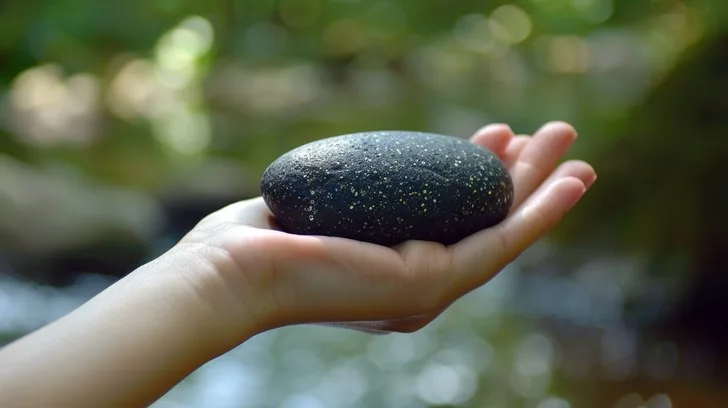
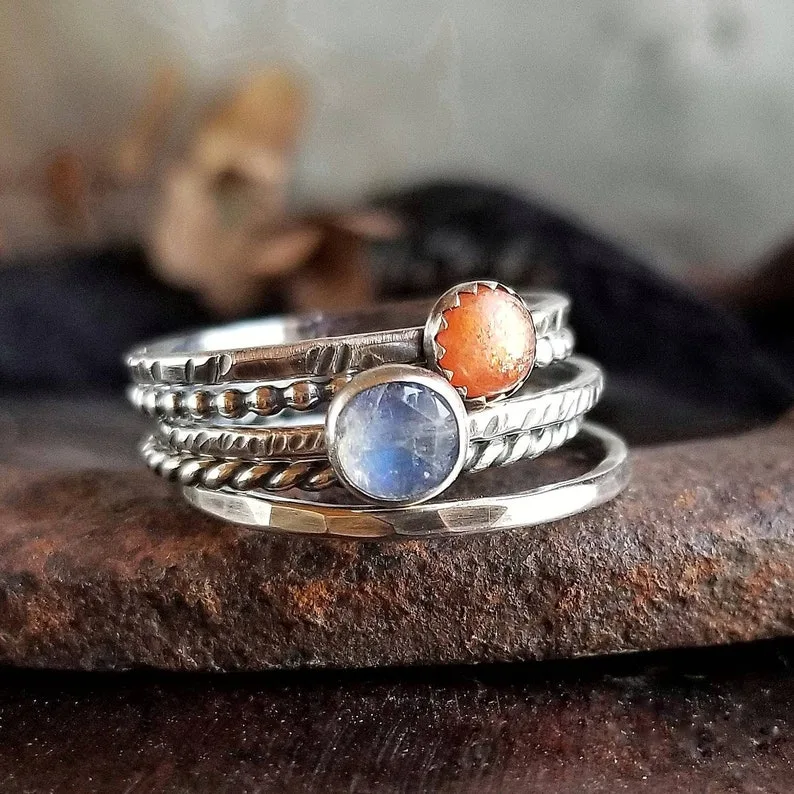
Image source: Web (Bing) / stockcake.com (Web image (fair-use with source credit))
Physical Compatibility: Handling Durability and Storage Risks
Hardness matters. Blue Lace Agate rates 6.5, 7 on the Mohs scale. Sodalite rates 5.5, 6.
This difference creates friction risk. If stored loosely together, the harder Agate will scratch the softer Sodalite. Over time, this dulls the Sodalite’s polish.
Protect them individually. Use separate fabric-lined compartments in a jewelry box. Or wrap each in a soft cloth before placing them in a shared pouch.
Never toss them loose into a bag with keys or coins. Metal objects scratch both stones easily.
Cleaning requires care. Ultrasonic cleaners can fracture Sodalite due to its granular structure. Steam cleaning damages the luster of both.
Hand wash only. Use a soft brush for crevices. Rinse well.
Air dry completely before storage. Moisture trapped in porous Sodalite can lead to mold or discoloration.
Sunlight affects color stability. Prolonged exposure fades some dyes in synthetic look-alikes. Natural Sodalite is generally stable but may lighten slightly.
Store them away from direct windows. Dark, cool places preserve appearance best. Check manufacturer specs for specific care instructions if purchased from reputable dealers.
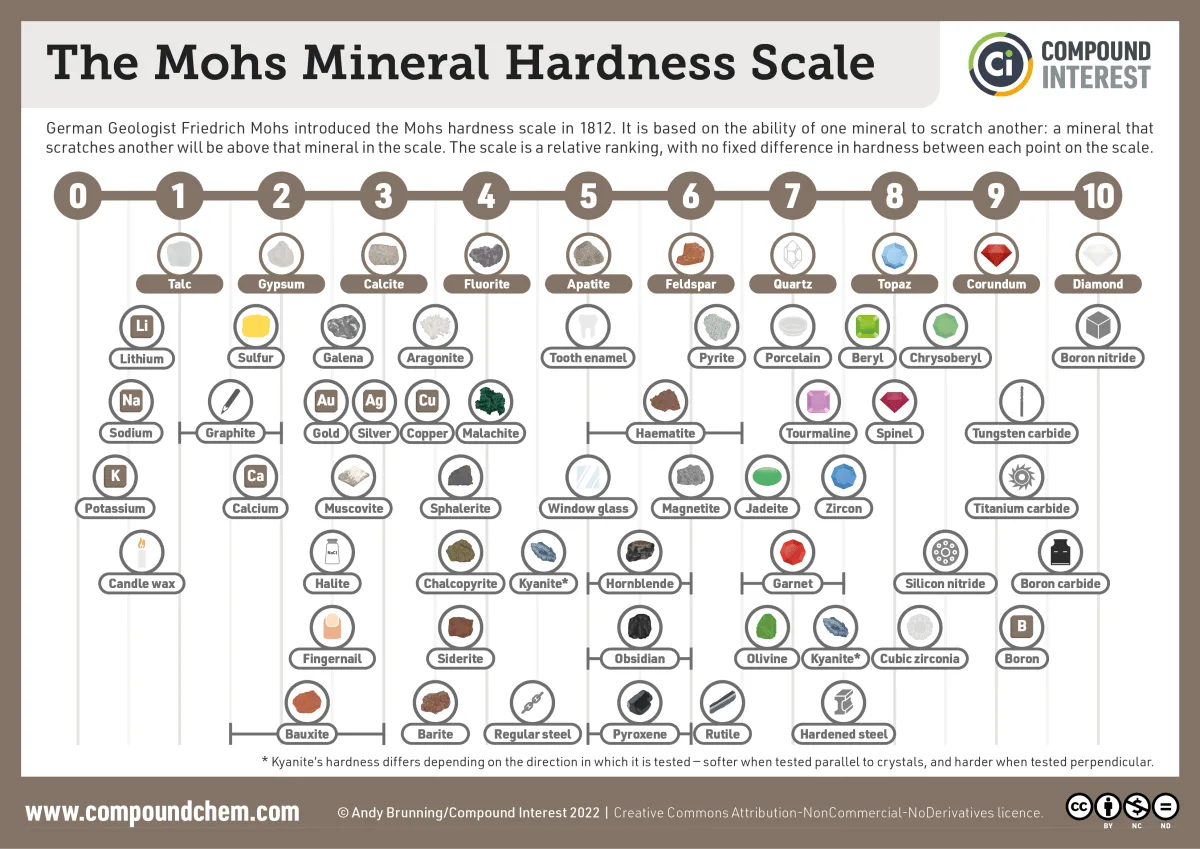
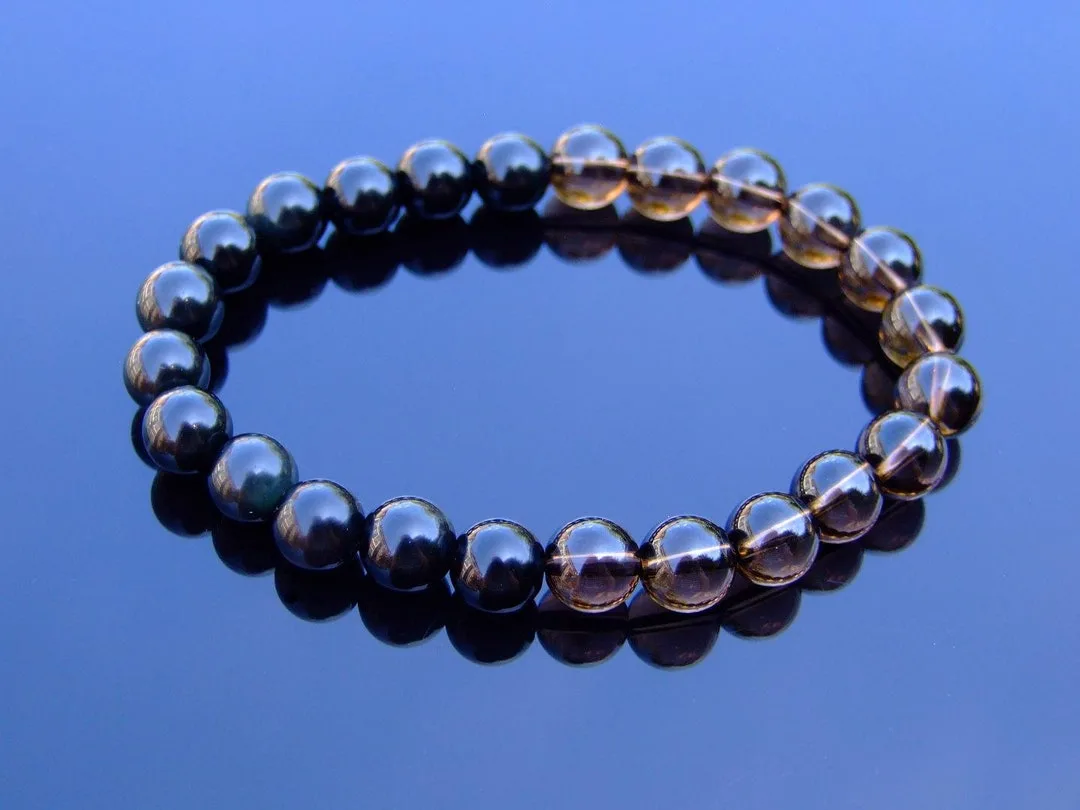
Image source: Bing (Web (fair-use with source credit))
Honest Pros and Cons: Comparing Stones to Evidence-Based Therapies
Stones offer immediate, low-cost accessibility. You can buy a pair for under twenty dollars. Therapy often costs hundreds per session.
Medication carries side effects like weight gain or insomnia. Crystals have none of those systemic risks. They are portable and discreet.
No one knows you’re holding them in your pocket during a meeting.
However, their efficacy is subjective and limited. There is no clinical data proving they reduce cortisol levels directly. CBT has decades of peer-reviewed success rates.
SSRIs have FDA-approved trials showing measurable symptom reduction. Relying solely on lithotherapy leaves severe cases untreated. This gap creates dangerous false security.
Consider the comparison table below for clarity. It highlights where each method fits in a treatment plan. Notice that stones excel at acute distress management.
Traditional therapies shine in long-term structural change.
| Feature | Crystal Pairing (Agate/Sodalite) | Cognitive Behavioral Therapy (CBT) | Prescription Medication |
|---|---|---|---|
| Primary Mechanism | Sensory grounding, placebo ritual | Cognitive restructuring, behavioral activation | Neurochemical regulation (serotonin/dopamine) |
| Cost Barrier | Very Low ($5–$20) | High ($100–$250/session) | Moderate (insurance dependent) |
| Time to Effect | Immediate (seconds/minutes) | Weeks to months | Days to weeks |
| Scientific Backing | Anecdotal/Psychological principles | Strong empirical evidence | Robust clinical trial data |
| Risk Profile | Minimal physical risk | Emotional discomfort during exposure | Side effects, dependency potential |
The verdict isn’t binary. It’s about integration. Use stones as a bridge between panic spikes.
Use therapy to dismantle the root causes. If you skip the latter, the former becomes a crutch. Aggregate reviews suggest users who combine both report higher satisfaction.
Those who choose only stones often face relapse. The tools serve different purposes in your mental health toolkit.
Frequently Asked Questions
Do I need to cleanse my stones before using them?
No scientific requirement exists for cleansing. However, many users find the ritual psychologically beneficial. Washing them with soap and water removes dirt and oils.
This act signals a fresh start. If you prefer metaphysical methods, moonlight or sage smoke works too. Choose what feels calming to you.
The intent matters more than the substance used.
Can I wear these stones as jewelry for all-day anxiety relief?
Yes, but durability varies. Sodalite scratches easily against metal clasps or other gems. Blue Lace Agate holds up better but still chips if dropped.
Wear them in protective settings like bezels. Avoid pendant styles that bang against tables. Pocket carry is safer for longevity.
Check clasp integrity monthly. Loose stones pose choking hazards for children or pets nearby.
Why does my anxiety return even after holding the stones?
Grounding interrupts symptoms; it doesn’t erase triggers. Your brain learns the calm state temporarily. Once stressors resume, old patterns reactivate.
This is normal. Think of it like taking painkillers for a broken bone. The drug hides pain but doesn’t heal the fracture.
You must address the underlying issue through therapy or lifestyle changes. Stones manage the wave, not the ocean.
Are there any toxic minerals in Blue Lace Agate or Sodalite?
Both are generally safe when polished and intact. Neither contains mercury, lead, or arsenic in significant amounts. Silica dust from breaking them poses inhalation risks.
Never grind or sand them without professional equipment. Skin contact with sealed surfaces is harmless. Ingestion remains a choking hazard, especially for small children.
Keep them away from mouths unless supervised by adults.

Similar Posts