Can Tanzanite and Iolite Boost Third Eye Vision?
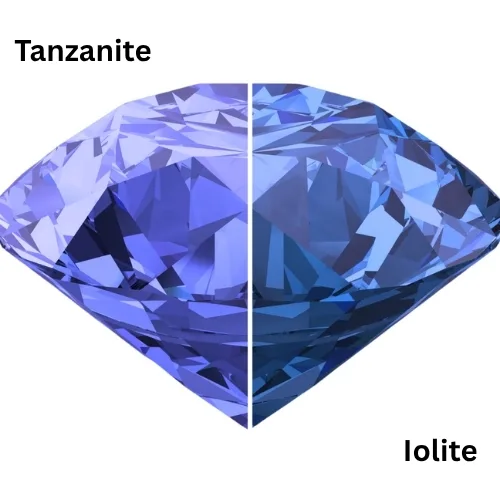
You’re asking if you can wear tanzanite and iolite together to unlock third eye vision. The short answer is no, not in any medical or optical sense. These stones are beautiful minerals, but they don’t alter how your eyes work.
Your brain processes light through biological tissue, not gemstones.
We’ve seen this question pop up often in wellness forums. People hope for a quick fix or a mystical shortcut. But as of 2026, there’s zero peer-reviewed evidence linking silicate minerals to enhanced visual acuity.
Let’s break down why this myth persists and what the science actually says about your eyes.
Why You’re Asking: The Gap Between Symbolism and Biology
The confusion starts with language. In yoga traditions, the "third eye" refers to the Ajna chakra. It’s a metaphorical center for intuition and insight.
It has nothing to do with physical sight. Yet, modern crystal healing mixes these ideas with literal biology.
Tanzanite and iolite are both blue-violet. This color matches the traditional representation of the Ajna chakra. So, sellers market them as tools for "opening" that energy center.
They imply a physiological change. That’s where the danger lies. Believing a rock can fix your vision distracts from real solutions.
Your actual vision depends on the cornea, lens, retina, and optic nerve. None of these interact with external jewelry. The gap between spiritual symbolism and anatomical reality is vast.
Bridging it with false claims harms people seeking genuine help. We need to respect the culture without misrepresenting the science.
What Tanzanite and Iolite Actually Are (And Aren’t)
Let’s look at the facts. Tanzanite is a variety of zoisite. It forms under specific heat and pressure conditions in Tanzania.
Its striking color comes from vanadium impurities. Iolite, known as cordierite, gets its hue from iron. Both are inert silicates.
They do not emit radiation. They do not produce electromagnetic fields strong enough to affect neurons. Their hardness ranges from 6 to 7.5 on the Mohs scale.
This means they scratch easily compared to diamond or sapphire.
| Stone | Mineral Family | Primary Color Cause | Mohs Hardness | Bio-Active? |
|---|---|---|---|---|
| Tanzanite | Zoisite | Vanadium | 6–7 | No |
| Iolite | Cordierite | Iron | 7–7.5 | No |
These stones are decorative. They hold value due to rarity and beauty. They have no chemical mechanism to enter your bloodstream or nervous system.
Wearing them won’t change your DNA or neural pathways. They are rocks, not medicines.
Image source: Bing (Web (fair-use with source credit))
The “Third Eye” Myth vs. Pineal Gland Reality
Many people confuse the pineal gland with the third eye. The pineal gland is a real organ. It sits deep in your brain.
Its main job is producing melatonin to regulate sleep cycles. It responds to light exposure, specifically darkness.
Spiritual communities often claim crystals "decalcify" the pineal gland. There is no scientific basis for this. Calcification is a natural aging process.
No gemstone can reverse it through skin contact. The idea stems from misinterpreted texts, not anatomy.
Your pineal gland doesn’t grant psychic vision. It helps you sleep. If you’re struggling with focus or clarity, check your sleep hygiene.
Don’t blame your lack of a violet stone. The distinction matters because treating a metaphor as a medical condition leads to poor health choices.
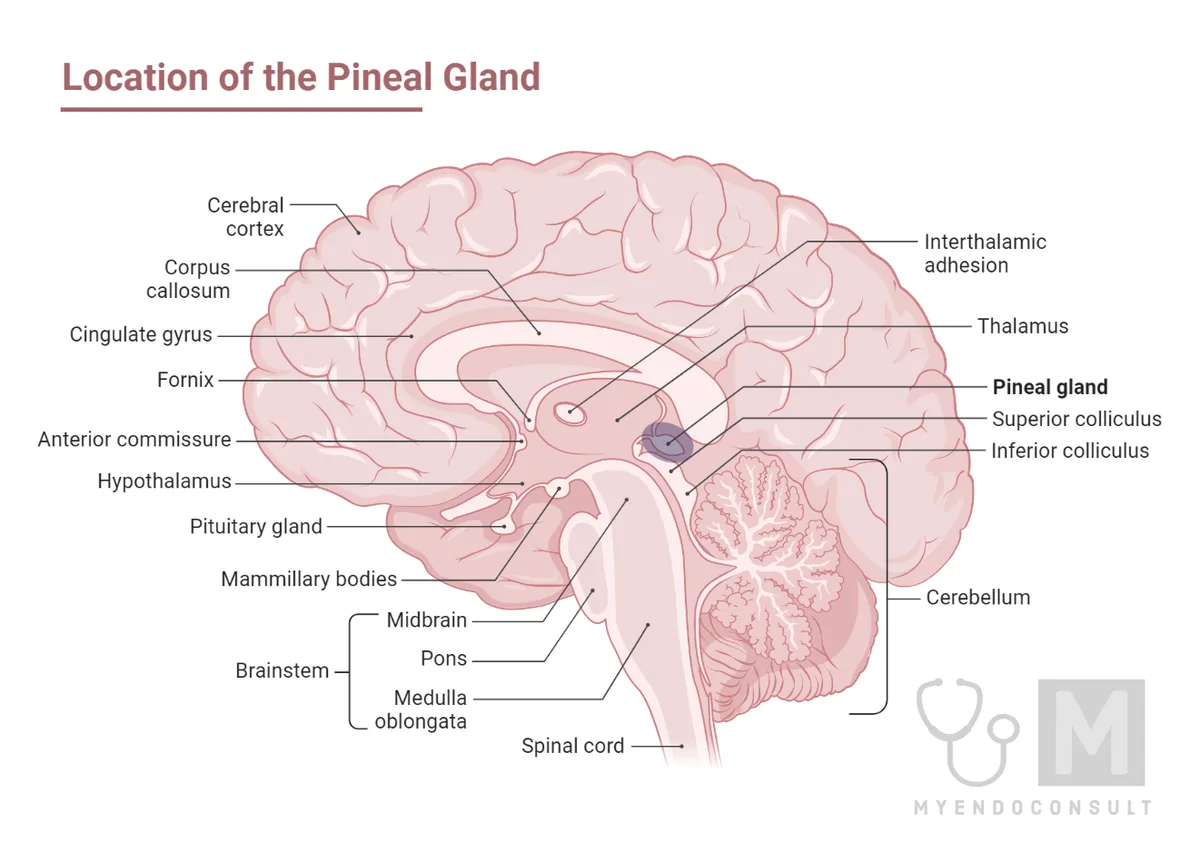
Image source: Bing (Web (fair-use with source credit))
Risks of Replacing Medical Care with Crystal Therapy
This is the critical part. Relying on gems for vision issues is dangerous. Glaucoma, cataracts, and macular degeneration are progressive.
They cause permanent blindness if untreated. Symptoms like blurred vision or halos around lights require immediate attention.
Delaying an ophthalmologist visit while waiting for a "spiritual shift" costs you precious time. Once retinal cells die, they don’t grow back. Insurance covers corrective lenses and surgeries.
It rarely covers "energy balancing." You lose money and health simultaneously.
Per American Academy of Ophthalmology guidelines, regular exams are vital for early detection. Ignoring clinical signs for metaphysical ones is a severe error. Please prioritize evidence-based medicine over anecdotal crystal stories.
Your sight is too valuable to gamble on geology.

Image source: Web (Bing) / oricon.co.jp (Web image (fair-use with source credit))
If You Still Want to Wear Them: Safe, Non-Medical Uses
Enjoy the aesthetics. Tanzanite and iolite are stunning. Wear them as fashion statements or personal talismans.
Many find comfort in rituals. If holding a stone helps you meditate, that’s fine. Just know the benefit comes from your mind, not the mineral.
Use them as anchors for mindfulness. Focus on your breath. Clear your mental clutter.
The stone is just a prop. It reminds you to pause. This psychological grounding is real.
It reduces stress. Lower stress improves overall well-being, including eye health indirectly.
But set boundaries. Do not expect physical changes. Do not skip doctor visits.
Treat these gems like art. Appreciate their color play. Respect their history.
Keep their purpose strictly symbolic. That way, you honor the tradition without risking your health.
Common Mistakes When Mixing Gems for “Vision” Claims
Don’t assume pairing stones amplifies their power. This is a classic logical fallacy in crystal healing circles. Combining tanzanite and iolite doesn’t create a synergistic biological effect.
It just creates a mixed-color piece of jewelry. You’re spending double the money for zero added optical benefit.
Another frequent error is ignoring physical durability. Tanzanite is softer than iolite. Wearing them together in rings or bracelets leads to uneven wear.
The tanzanite will scratch faster. Over time, your "vision-enhancing" combo looks dull and damaged. This isn’t bad luck; it’s basic geology.
People also confuse mental clarity with visual acuity. Yes, meditation helps focus. But that’s brain training, not eye repair.
Attributing improved concentration to the stones is misleading. It gives credit to the mineral instead of your practice. Be honest about what’s driving the change.
Stop blaming rocks for cognitive gains you earned through effort.
Finally, beware of unverified online sellers. Many claim "activated" crystals for third-eye opening. These are marketing gimmicks.
No lab can certify spiritual activation. Stick to reputable gemological sources if you buy for aesthetics. Avoid vendors making medical promises.
They exploit vulnerable seekers looking for quick fixes. Protect your wallet and your health by staying skeptical of miracle claims.
Frequently Asked Questions About Gemstones and Sight
Can wearing tanzanite improve night vision?
No. Night vision depends on rod cells in your retina. These cells respond to low light levels biologically.
External minerals cannot stimulate retinal receptors. Improving night sight requires proper nutrition, like vitamin A. Or it needs medical correction for conditions like cataracts.
Jewelry has no role here. Don’t delay seeing an optometrist if you struggle in dim light. Real solutions exist in medicine, not metaphysics.
Is it safe to combine tanzanite and iolite in one ring?
Physically, yes. Chemically, they won’t react. However, hardness differences matter.
Iolite (7-7.5) is harder than tanzanite (6-7). In a shared setting, the iolite may abrade the tanzanite. This causes premature clouding or scratching.
To minimize damage, set them separately. Use protective bezels. Ensure the design prevents direct stone-to-stone contact.
Regular professional cleaning helps maintain their luster. Treat them as delicate art pieces, not functional tools.
Does the color of these stones affect my mood?
Color psychology suggests blue-violet hues can induce calmness. This is subjective and varies by person. If you feel relaxed wearing them, that’s valid.
But this is a placebo or aesthetic response. It’s not a physiological change in your eyes. Enjoy the soothing visual effect.
Just don’t expect it to cure anxiety or vision problems. Mindfulness practices yield better long-term results. Let the stones be decorative anchors, not therapeutic agents.
Why do some healers say these stones open the third eye?
They reference the Ajna chakra tradition. In Hinduism, this energy center relates to intuition. Modern New Age interpretations blend this with literal sight.
Healers use stones as symbolic props. The claim relies on faith, not science. There is no anatomical "third eye" to open.
Your pineal gland regulates sleep, not psychic vision. Understand the cultural context. Separate spiritual symbolism from medical reality to avoid confusion.

Similar Posts