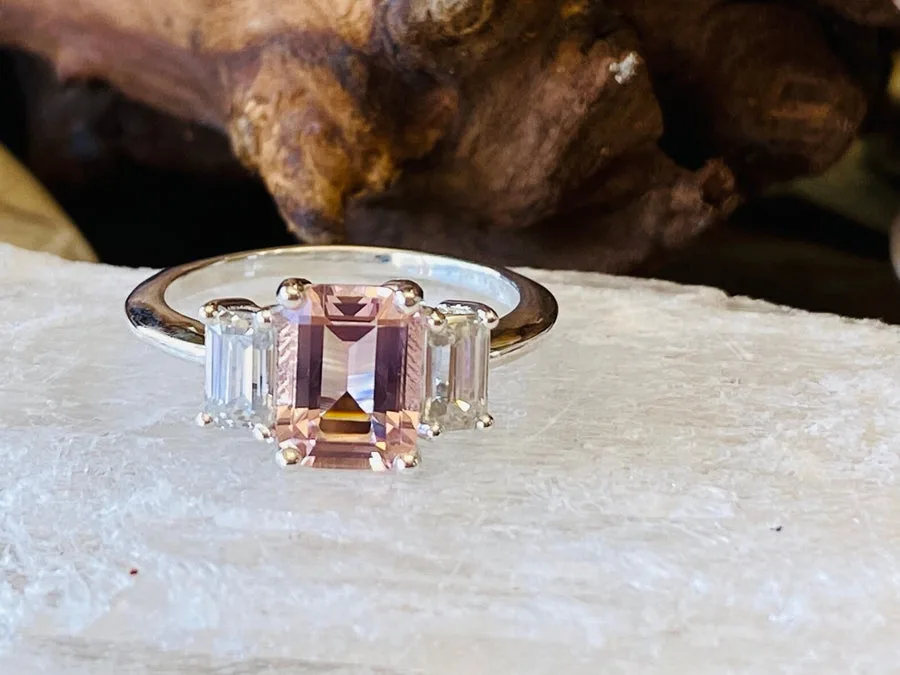
Can You Pair Ruby Kyanite Matrix with Clear Quartz?
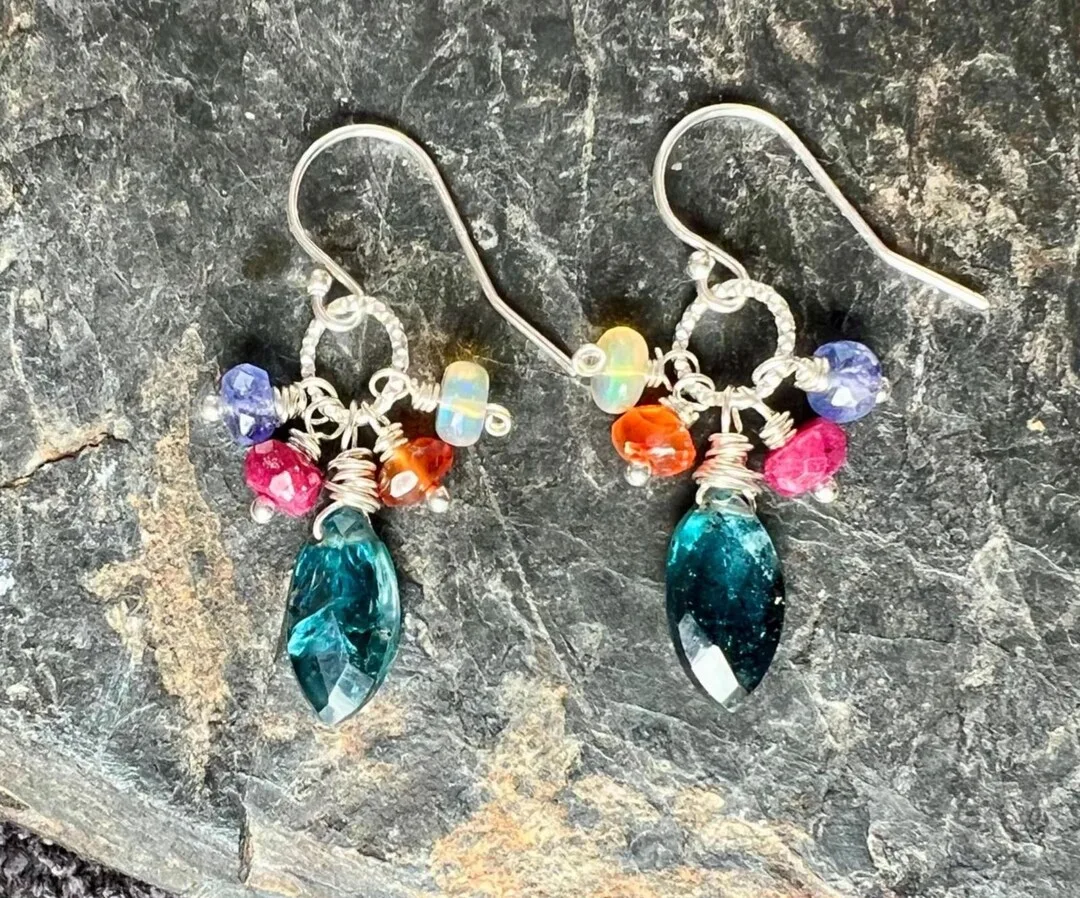
You’re wondering if ruby and kyanite matrix stone can be paired with clear quartz. The short answer is yes, but it depends entirely on how you wear them. Hardness differences create physical risks that aesthetics alone won’t fix.
Per the GIA mineral database, Kyanite has anisotropic hardness ranging from 4.5 to 7. This means it scratches easily in one direction but resists in another. Ruby sits at a solid 9 on the Mohs scale.
Clear Quartz is a 7. These numbers dictate your design choices. We’ll break down exactly when this trio works safely and when it spells disaster for your jewelry.
Image source: Bing (Web (fair-use with source credit))
Quick Answer
Yes, you can pair ruby, kyanite matrix, and clear quartz together. However, physical contact causes damage due to hardness variance. Kyanite’s soft cleavage planes scratch easily against harder stones.
Use spacers or separate settings to prevent abrasion. Avoid pairing them in rings or bracelets where friction occurs. Pendants are safer if stones don’t touch.
Always prioritize structural integrity over metaphysical alignment.
The Hardness Trap: Why Ruby, Kyanite, and Clear Quartz Don’t Belong in the Same Ring
Most people assume all gemstones play nicely together. They look good side by side, so they must work well physically. That’s a dangerous assumption in jewelry making.
The core issue here is the Mohs scale of mineral hardness. It measures resistance to scratching, not impact toughness.
Ruby is corundum, sitting at a 9. It’s incredibly hard and durable. Clear Quartz is silicon dioxide, rated at 7.
Kyanite is aluminum silicate, varying between 4.5 and 7 depending on the axis. When you put these three in a ring, physics takes over. Every time you move your hand, the stones rub slightly.
The hardest material always wins. Ruby will scratch both Quartz and Kyanite without effort. Even Quartz can scratch the softer parts of Kyanite.
Over time, this creates dull spots and micro-fractures. Your beautiful kyanite matrix turns cloudy and damaged. The vibrant red ruby remains pristine, acting as sandpaper to its neighbors.
This isn’t just about looks. Structural weakness develops along Kyanite’s cleavage planes. Once scratched, the surface tension drops.
A minor bump later can shatter the entire stone. You lose the piece completely. Designing for daily wear requires respecting these mechanical limits.
Never let high-hardness stones touch low-hardness ones directly in active zones.
Deciding Your Intent: Metaphysical Synergy vs. Physical Durability
Why do you want this combination? The reason dictates the method. If you’re driven by crystal healing beliefs, energy flow matters most.
If you’re driven by fashion, durability matters more. You need to pick a lane before designing anything.
In metaphysical circles, Clear Quartz is known as a master amplifier. It supposedly boosts the properties of adjacent stones. Ruby adds vitality and passion.
Kyanite brings clarity and transformation. Together, practitioners claim they create a powerful energetic triad. Many healers recommend wearing them close to the skin for maximum effect.
But "close to the skin" often means direct contact. That’s where the conflict arises. Spiritual intent clashes with geological reality.
You can honor the energetic theory without risking the physical object. The solution lies in separation. You keep the stones in the same grid or pendant cluster.
But you ensure they never actually touch each other.
If your goal is purely aesthetic, skip the metaphysical debate. Focus on color contrast. Deep red ruby pops against blue-grey kyanite.
Clear quartz acts as a neutral bridge. This visual harmony doesn’t require physical proximity. You can set them apart using metalwork.
Decide early if you’re protecting a vibe or a valuation. Both are valid, but they demand different construction techniques.
The Mohs Scale Reality Check: Analyzing Scratch Risks and Cleavage Weaknesses
Let’s look at the data. Understanding the specific vulnerabilities of each stone prevents costly mistakes. Kyanite is unique because its hardness changes based on direction.
This property is called anisotropy. Along the c-axis, it rates around 4.5. Perpendicular to it, it hits 7.
Most cuts expose the weaker plane.
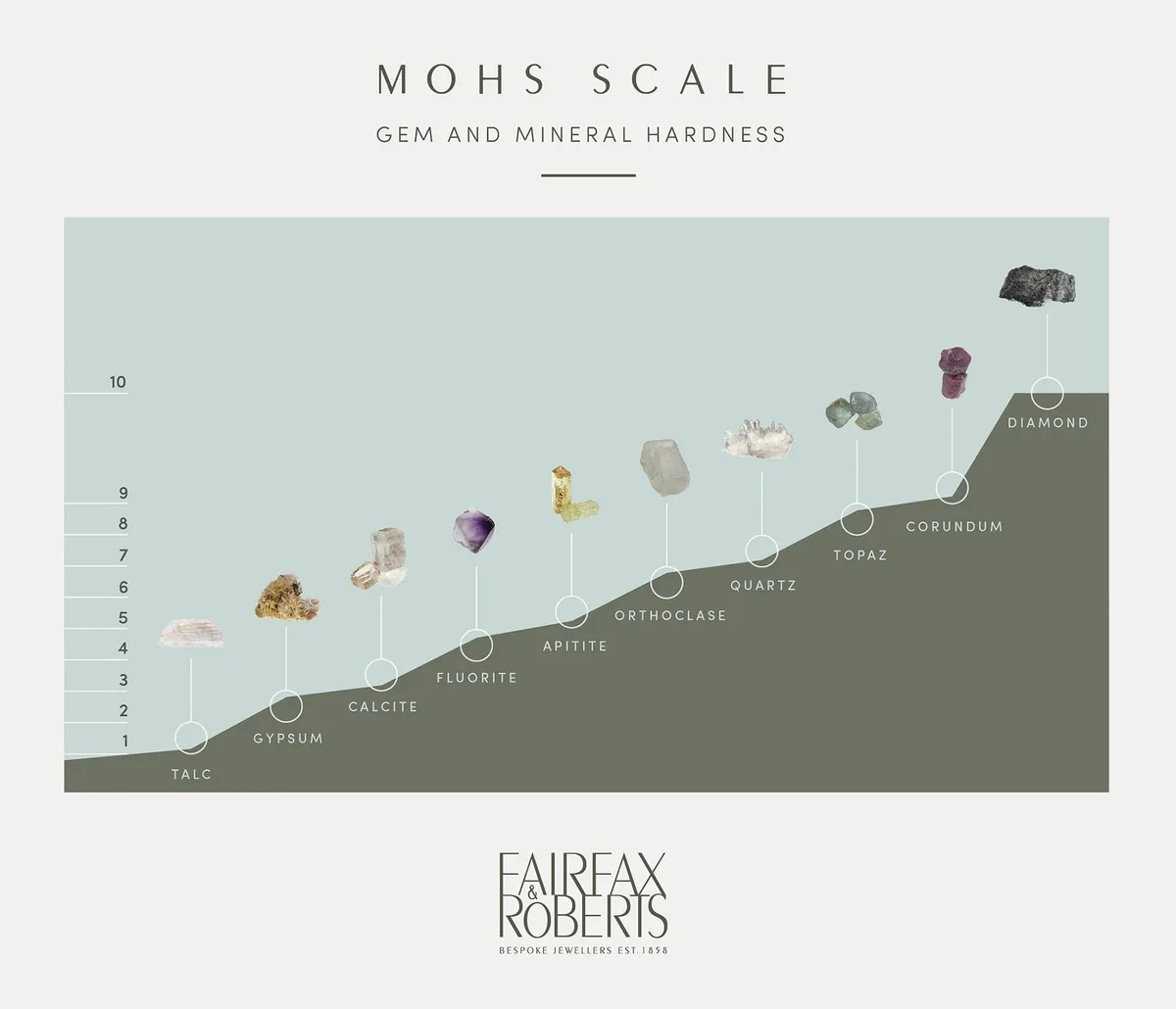
Image source: Web (Bing) / ar.inspiredpencil.com (Web image (fair-use with source credit))
Here is how the three stones interact mechanically:
| Stone | Mohs Hardness | Key Vulnerability | Interaction Risk |
|---|---|---|---|
| Ruby | 9 | None (extremely durable) | Scratches everything else |
| Clear Quartz | 7 | Brittle fracture | Scratches Kyanite; Scratched by Ruby |
| Kyanite Matrix | 4.5–7 | Perfect basal cleavage | Easily scratched; prone to splitting |
When Ruby touches Kyanite, the result is immediate abrasion. The ruby acts like a diamond file on the softer kyanite surface. Even if you think the stones aren't moving, microscopic vibrations cause friction.
Over weeks, this wears down the kyanite’s luster.
Clear Quartz presents a middle-ground threat. It shares the upper limit of Kyanite’s hardness range. But since Kyanite varies, there’s almost always a softer spot exposed.
Quartz will exploit that weak point. It leaves fine white scratches across the blue matrix. These marks are permanent and cannot be polished out without removing significant material.
Furthermore, Kyanite’s matrix nature involves host rock. Often, this includes mica or feldspar. These components are even softer than pure kyanite crystals.
They flake off easily under pressure. Pairing them with rigid quartz or ruby accelerates this degradation. The structural integrity of the whole piece fails faster than expected.
Safe Pairing Strategies: Spacers, Settings, and Wear Patterns That Prevent Damage
So, how do you make this work? You have to engineer isolation. Direct contact is forbidden.
Instead, use barriers to absorb movement and friction. This approach preserves both the aesthetic unity and the physical safety of the stones.
First, utilize spacer beads. Metal, wood, or leather separators work best. Place a small gold bead between the ruby and the kyanite.
Do the same between the kyanite and the quartz. This ensures no stone ever rubs against another. The spacers take the brunt of any accidental knocks.
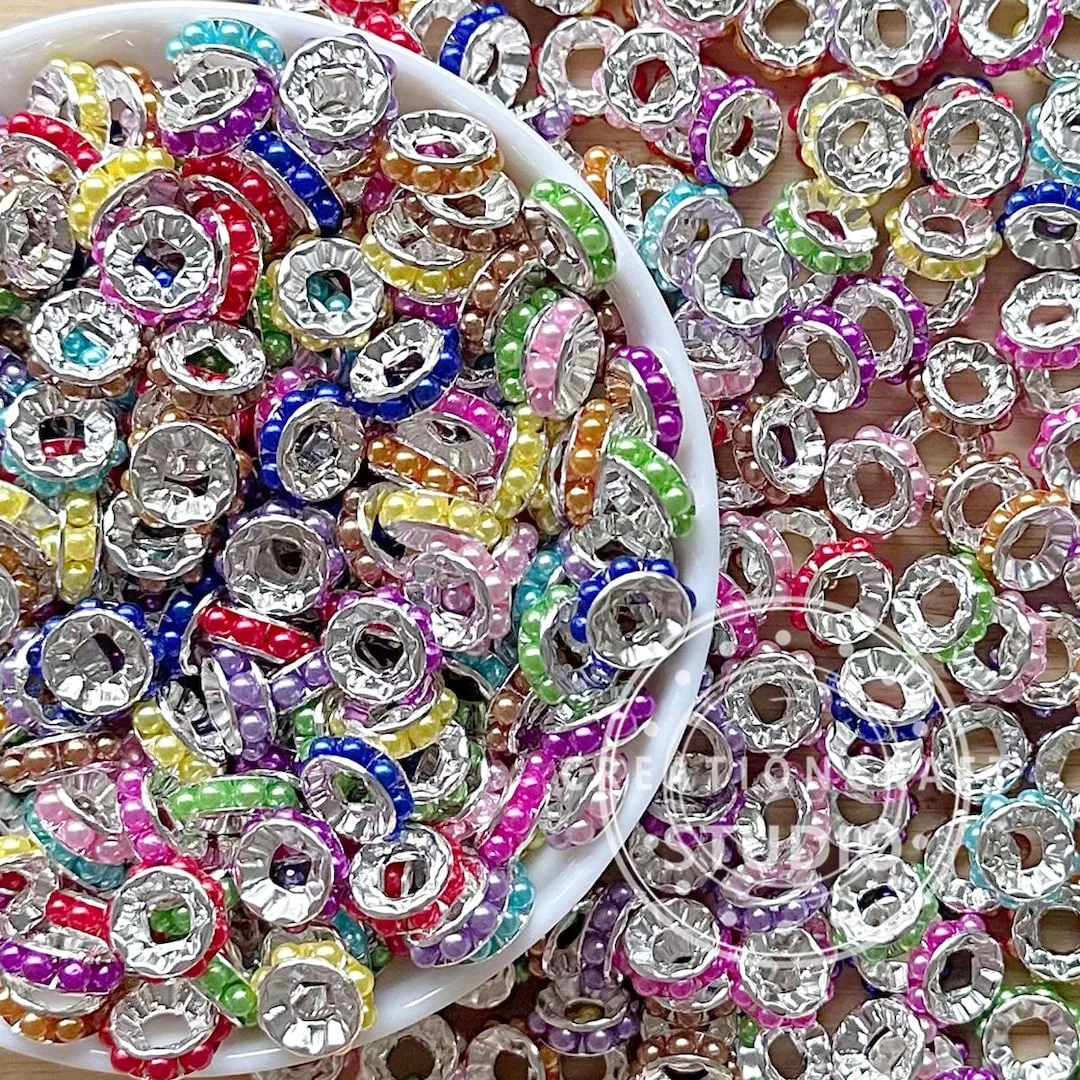
Image source: Web (Bing) / etsy.com (Web image (fair-use with source credit))
Second, choose the right setting style. Bezel settings encase the stone fully in metal. This protects edges from chipping.
Prong settings leave gaps where stones might shift. For mixed-hardness clusters, bezels are superior. They lock each stone in place individually.
No wobble means no internal scratching.
Third, consider the jewelry type carefully. Rings and bracelets experience constant friction. Hands knock against desks, doors, and pockets.
Avoid putting this trio in those items. Pendants hang freely with minimal movement. Earrings swing gently but rarely collide with hard surfaces.
Stick to static pieces for longevity.
If you must wear them together actively, rotate their positions. Don’t let the kyanite sit next to the ruby permanently. Swap them monthly to distribute wear evenly.
Better yet, accept that some compromise is inevitable. Prioritize the most expensive or sentimental stone. Protect the ruby first, then the quartz.
Let the kyanite matrix bear the cost of interaction if unavoidable.
Cleaning and Maintenance Protocols for Mixed-Hardness Stone Clusters
Cleaning seems simple until you mix minerals with different chemical sensitivities. What works for one ruins another. Unified cleaning methods fail here.
You need a segmented approach to maintain shine without causing erosion.
Start with dry dusting. Use a soft, anti-static brush. Gently sweep away debris from crevices.
This removes grit that could act as an abrasive during wet cleaning. Never skip this step. Trapped dust between stones grinds into surfaces when wiped.
Next, assess water tolerance. Clear Quartz and Ruby are generally safe with mild soap and lukewarm water. Kyanite, however, is sensitive.
Its cleavage planes allow water to seep inside. This can loosen the matrix bond or cause cloudiness. Avoid submerging kyanite-containing pieces.
Instead, use a damp cloth for the kyanite sections. Wipe only the surface. Dry immediately.
For the ruby and quartz parts, you can rinse briefly if they are set separately. If they are clustered, treat the whole piece as delicate. Spot clean only.
Harsh chemicals like ultrasonic cleaners are strictly prohibited. The vibration shatters brittle kyanite structures instantly.
Regular inspection is crucial. Check for loose prongs or shifting stones weekly. Tighten settings before damage spreads.
Apply a thin layer of microcrystalline wax to the kyanite occasionally. This seals the surface pores and repels moisture. Reapply every few months.
Store the jewelry wrapped in soft fabric, isolated from other harder gems. Never toss them loosely into a box together.
Common Mistakes That Ruin Delicate Matrix Stones
Many buyers ignore the directional weakness of Kyanite. They assume hardness is uniform across the entire crystal. This error leads to premature failure.
Always inspect the cleavage planes before setting. If you mount a stone with exposed soft faces against hard neighbors, damage is guaranteed within weeks.
Another frequent mistake is using ultrasonic cleaners on mixed clusters. People think it’s efficient for deep cleaning. It isn’t.
The high-frequency vibrations shatter brittle inclusions in matrix stones. Even if the main crystal holds, the host rock often flakes off. Stick to manual, gentle wiping.
Never submerge porous or fractured materials in liquid baths.
Resizing rings without checking stone stability is also risky. Jewelers may apply pressure to adjust metal bands. This force transfers directly to adjacent gems.
A tight band can crack a vulnerable Kyanite facet instantly. Always request loose settings for multi-stone designs. Ensure there’s room for thermal expansion and contraction too.
Temperature changes stress bonded minerals differently. Ignoring this causes micro-fractures that widen over time.
Decision Guide: When to Pair Them and When to Keep Them Separate
Use this logic flow to determine your next step. First, identify the jewelry type. Is it a ring or bracelet?
If yes, do not pair these stones directly. The friction risk is too high for daily wear. Choose separate pendants or earrings instead.
These items experience minimal impact.
Next, evaluate your intent. Are you prioritizing metaphysical synergy or physical longevity? If you want both, use spacers.
Metal beads or wire wraps create necessary distance. This allows energy proximity without mechanical contact. If you only care about aesthetics, group them visually but keep them physically apart.
Use clustered settings with individual bezels.
Finally, consider your maintenance capacity. Can you commit to careful handling? Mixed-hardness pieces require vigilant upkeep.
You must clean gently and store separately. If you prefer low-maintenance jewelry, avoid this combination entirely. Opt for single-material pieces like pure Quartz or Ruby sets.
Simplicity reduces risk. Complex pairings demand expertise and patience. Without both, you’ll likely regret the purchase quickly.
FAQs
Can I wear ruby and kyanite together in a necklace?
Yes, provided they don’t touch. Use a pendant design where stones are set in separate bezels. Alternatively, string them with metal spacer beads between each gem.
This prevents abrasion while keeping them close for energetic purposes. Avoid chains where stones slide against each other freely. Static placement is key for safety.
Does clear quartz amplify negative energies from kyanite?
No scientific evidence supports energy amplification claims. Metaphysically, practitioners believe Quartz boosts all nearby intentions. Some argue Kyanite clears stagnation, so pairing them balances flow.
Others worry Quartz might intensify emotional turbulence associated with Ruby. Personal belief dictates the outcome. Physically, the concern remains scratch resistance, not spiritual contamination.
How do I protect kyanite matrix from scratching?
Apply a thin coat of microcrystalline wax. This seals surface pores and adds slight cushioning. Store the piece in a soft pouch away from harder gems.
Never clean with abrasive cloths or brushes. Handle by the metal setting, not the stone face. Regular inspection helps catch early wear signs before major damage occurs.
Prevention beats repair every time.
Is kyanite matrix suitable for engagement rings?
Generally, no. Engagement rings endure constant daily abuse. Kyanite’s perfect cleavage makes it prone to splitting upon impact.
Even with protective settings, long-term durability is poor. Choose diamond, sapphire, or ruby for central stones. Use Kyanite only as an accent in protected areas.
Prioritize resilience for heirloom-quality pieces meant for decades of wear.

Similar Posts