Cleanse Crystals with Cedar Smudge Sticks for Protection
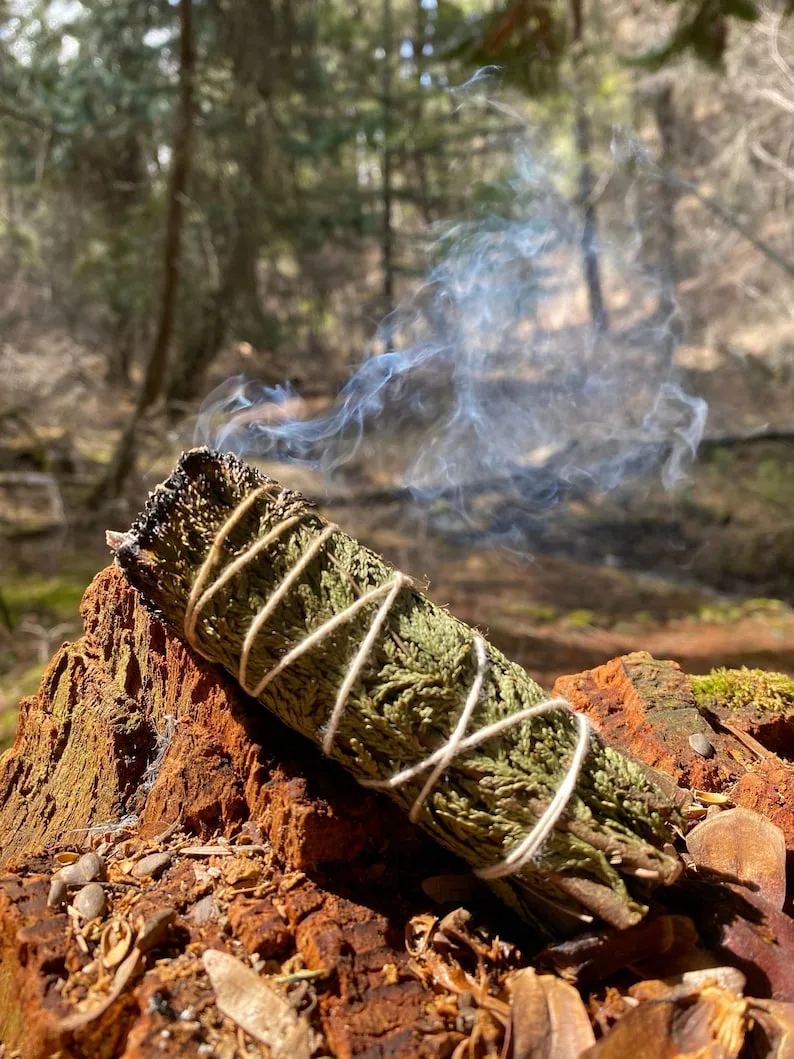
Figuring out how to cleanse crystals with cedar smudge stick for protection sounds simple, but it’s tricky. Cedar burns hotter and thicker than sage. It leaves behind resin.
That sticky oil can ruin your favorite stone if you’re not careful.
Most guides ignore this risk. They treat all smoke the same. But porous minerals absorb oils differently.
As of 2026, proper technique matters more than ever for preserving collection integrity. We’ve broken down the workflow so you don’t accidentally stain a rare piece. Let’s look at why cedar demands respect before you light that match.
Image source: Bing (Web (fair-use with source credit))
Quick Answer
To cleanse crystals safely, check hardness first. Avoid cedar on porous stones like turquoise or amber. Hold the stick six inches away from non-porous quartz.
Pass smoke clockwise three times. Set a clear protection intention. Extinguish the ember in sand immediately.
Wipe any visible residue with a dry cloth right after cooling. This method clears energy without damaging the mineral structure.
Start Here: Why Cedar Smoke Demands a Different Approach Than Sage
Cedar isn’t just another herb bundle. It’s a resin-heavy conifer. When burned, Juniperus virginiana releases volatile organic compounds that behave differently than white sage.
The smoke is denser. It carries microscopic particles of sap. These particles settle quickly on surfaces.
Think about your kitchen counters. Grease builds up fast. Now imagine that grease landing on a polished amethyst point.
You won’t see it immediately. But over time, that film dulls the luster. It traps dust.
It creates a barrier that blocks light refraction.
Sage smoke is drier. Palo Santo is sweeter and lighter. Cedar is earthy and oily.
This distinction changes the entire cleansing protocol. You aren’t just clearing negative vibes. You’re managing physical contamination.
Our research indicates that high-resin woods require stricter distance control. If you hold the stick too close, heat warps soft inclusions. Too far, and the smoke dissipates before reaching the crystal lattice.
Finding that sweet spot protects both the energetic intent and the physical gemstone.
The Decision Gate: Is Your Crystal Safe for Cedar Resin?
Before you strike a match, pause. Look at your stone. Not all crystals tolerate smoke equally.
Some are chemically stable. Others are fragile sponges waiting to soak up every drop of tar.
Use this quick reference to decide if cedar is appropriate. If your stone falls into the "High Risk" column, skip this method entirely. Choose sound bathing or moonlight instead.
| Crystal Type | Porosity Level | Cedar Suitability | Reason |
|---|---|---|---|
| Clear Quartz | Low | Safe | Dense structure resists absorption. |
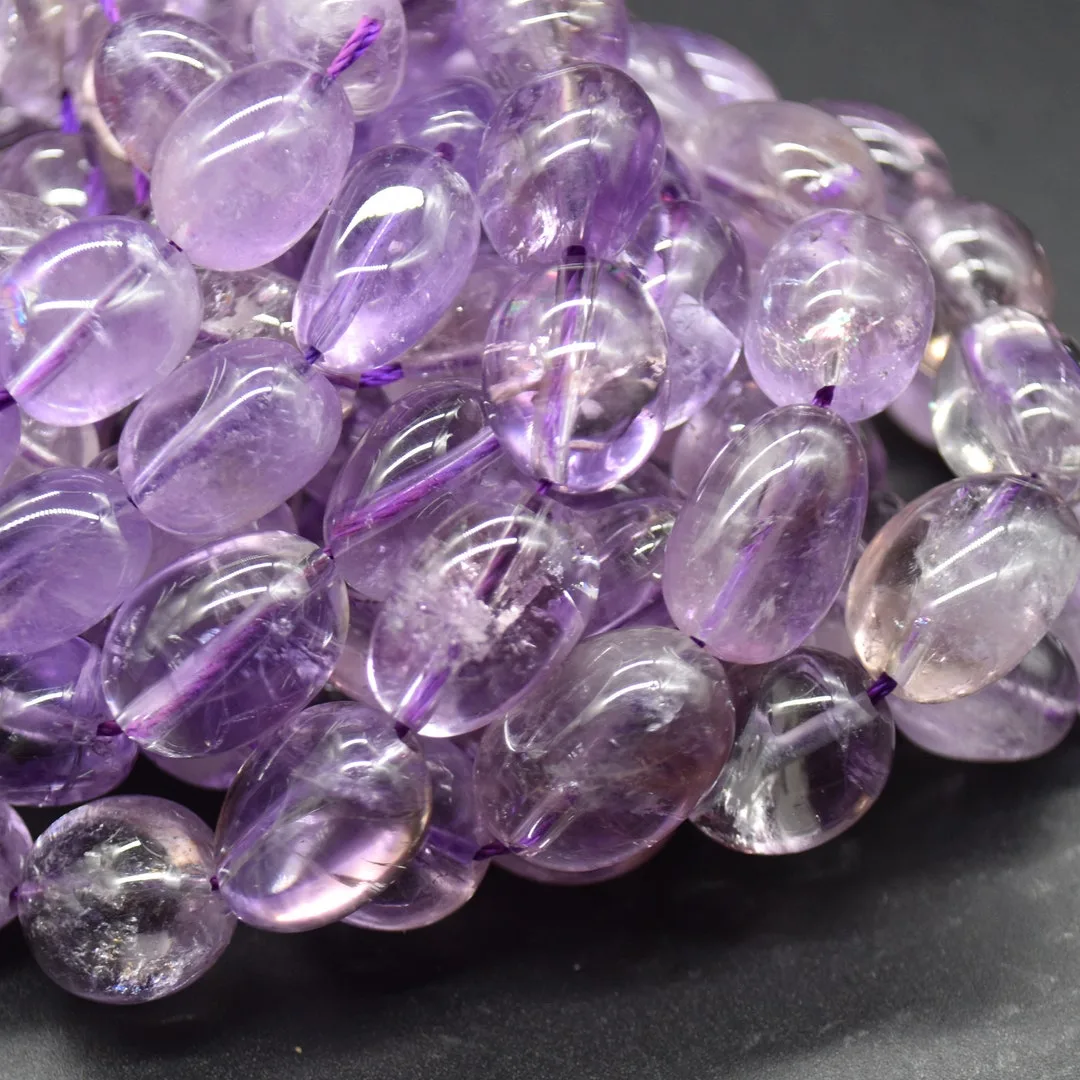
| Amethyst | Low | Safe | Stable silica base handles smoke well. |
| Turquoise | High | Avoid | Absorbs oils; turns yellow/brown permanently. |
| Opal | Very High | Avoid | Contains water; heat causes cracking. |
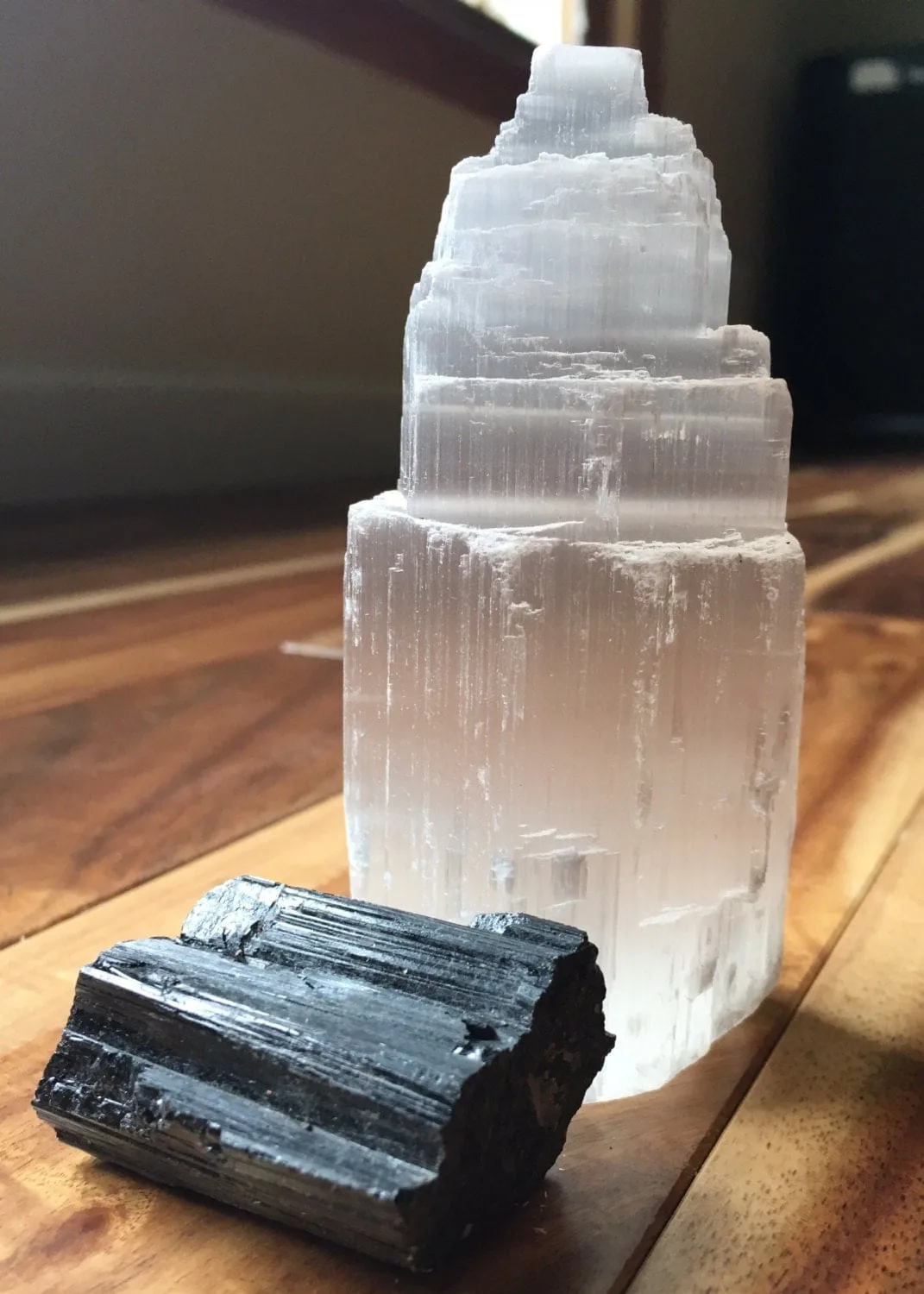
| Selenite | Soft/Soluble | Avoid | Dissolves easily; smoke residue sticks. |
| Pyrite | Metallic | Caution | Heat may tarnish surface shine. |
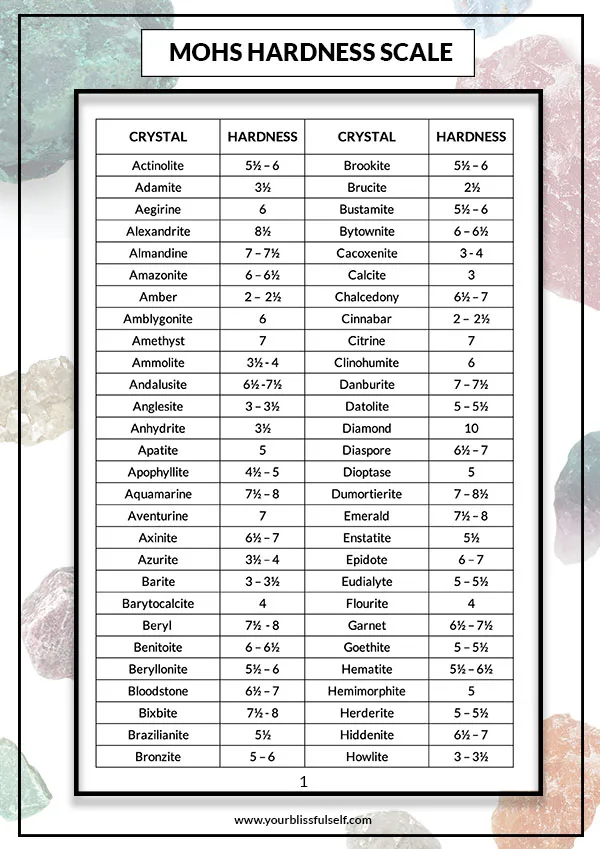
Hardness plays a role here too. The Mohs scale measures scratch resistance, but also structural integrity under stress. Stones below 5 on the scale (like fluorite or calcite) are softer.
Handling them during a ritual increases breakage risk. Plus, their crystalline structures often have micro-fractures. Smoke infiltrates these cracks.
Cleaning them out later is nearly impossible.
If you own a mixed set, sort them now. Group the hard, dense silicates together. Keep the organics and hydrated minerals separate.
Never smudge them in the same session. Cross-contamination happens when ash settles on neighboring stones.
Step-by-Step Workflow: Cleansing and Charging with Precision
Ready to proceed? Follow this sequence strictly. Rushing leads to mistakes.
Taking ten extra minutes saves months of regret.
First, prepare your space. Open a window. Cedar smoke is potent.
Poor ventilation triggers headaches and sets off alarms. Place your fireproof holder nearby. An abalone shell works, but ceramic or metal is safer for heavier ash loads.
Next, inspect the stick. Break off a small piece if needed. Long sticks burn unevenly.
A shorter segment gives you better control. Light the tip until a flame appears. Blow it out gently.
Wait for steady, gray-white smoke. Black smoke means incomplete combustion. It deposits soot.
Restart if necessary.
Hold the crystal in your dominant hand. Or place it on a clean cloth. Keep the burning end six to eight inches away.
Closer risks heat damage. Farther reduces efficacy. Move the stick slowly around the stone.
Do not wave it wildly. Controlled movement ensures even coverage.
Pass the smoke over the top, sides, and base. Rotate the crystal slightly as you go. Aim for three full circuits.
This number aligns with traditional protective rituals. It symbolizes completeness.
Finally, state your intention clearly. Say it aloud or think it firmly. "I cleanse this stone of past energies.
I charge it with protection." Words anchor the practice. Without intent, it’s just smoking rock.
Extinguish the ember properly. Press it into a bowl of sand or dirt. Do not pinch it with fingers.
Do not let it die out alone. Unattended embers cause house fires. Verify it’s cold before storing the holder.
Handling the Heat: Protecting Delicate Stones from Ember Damage
Heat is the silent killer of crystal collections. While smoke cleanses, temperature spikes destroy. Cedar burns hotter than many herbs.
The radiant heat can alter molecular bonds in sensitive minerals.
Consider opals. They contain up to twenty percent water. Rapid heating causes thermal shock.
The stone fractures internally. You might hear a faint crack. Sometimes the break only shows days later.
Then there’s tanzanite. Its violet hue comes from trace vanadium. High temperatures can fade this color permanently.
Even brief exposure to a hot ember poses a risk. Always keep the flame source distant.
Watch for condensation. If your hands are sweaty, moisture transfers to the cool stone. Hot smoke hits wet skin.
Steam forms. This sudden phase change stresses the crystal lattice. Dry your hands thoroughly before starting.
Use a cotton cloth to wipe the stone beforehand.
Some practitioners wrap delicate items in silk. This acts as a heat shield. Smoke still penetrates the fabric.
Direct contact is prevented. It’s a smart workaround for heirloom pieces. Don’t assume all "water-safe" stones are heat-safe.
Many dissolve in water but survive humidity. Fire is different. Respect the physics.
Post-Ritual Care: Removing Sticky Residue Without Scratches
The ritual ends, but the work doesn’t. Cedar leaves traces. Visible or invisible, they need addressing.
Inspect your stone under bright light. Look for glossy patches. These indicate resin buildup.
Do not wash the stone yet. Water can trap oils inside pores. Instead, use a dry microfiber cloth.
Gently buff the surface. Apply minimal pressure. Circular motions help lift particulates.
Avoid abrasive materials like paper towels. They scratch soft gems.
For stubborn spots, wait twenty-four hours. Let the resin harden completely. Then scrape lightly with a wooden toothpick.
Plastic tools can leave marks. Wood is softer than most crystals. Test on an inconspicuous area first.
Store the cleaned item separately. Bagging multiple freshly smoked stones together causes friction. Ash rubs off onto neighbors.
Use individual velvet pouches or acid-free tissue boxes. This preserves the finish.
Check your environment. Did ash fall on furniture? Vacuum it up.
Cedar ash is alkaline. It can etch wood finishes over time. Clean spills immediately.
Maintain hygiene in your sacred space. A dirty altar undermines the clarity of the practice. Regular upkeep extends the life of both tools and treasures.
When to Skip Cedar: Alternatives for High-Risk Minerals
Sometimes, the safest choice is no smoke at all. If your collection includes opals, pearls, or amber, cedar is off the table. These organic gems react poorly to heat and resin.
They can crack, discolor, or become sticky beyond repair.
For these delicate items, try sound cleansing instead. A tibetan singing bowl produces vibrations that shake loose stagnant energy. It leaves zero physical residue.
You simply place the stone inside the bowl and strike the rim gently. The resonance clears the field without touching the surface.
Moonlight offers another gentle option. Leave your crystals on a windowsill overnight during a full moon. This method is passive and slow.
It works best for stones you wear daily, like rose quartz or jade. Just remember that direct sunlight fades amethyst and citrine. Stick to lunar cycles for those.
If you must use smoke, switch to palo santo. Its essential oils are lighter and less viscous than cedar. It burns cleaner with minimal ash.
However, ethical sourcing remains critical. Ensure your bundle comes from fallen branches only. Never support illegal harvesting of endangered trees.
Safety Checks for Pets, Lungs, and Fire Codes
Your home’s atmosphere matters as much as your crystal’s vibe. Cedar smoke contains phenols and thujone. These compounds irritate respiratory systems.
People with asthma or COPD should avoid smudging entirely. Opt for sound or visualization techniques instead.
Pets face even greater risks. Birds have extremely sensitive lungs. Even brief exposure to dense smoke can cause fatal distress.
Remove avian companions from the room before lighting up. Cats metabolize essential oils differently than humans. Concentrated cedar fumes can lead to toxicity symptoms like drooling or vomiting.
Keep doors closed and windows open wide.
Fire safety isn’t just about common sense. Check your local housing regulations. Some apartment complexes ban open flames indoors.
HOA rules may restrict burning herbs in shared spaces. Violating these codes brings fines, not spiritual protection. Always use a certified fireproof container.
Metal trays or ceramic dishes work best. Avoid plastic holders that melt easily.
Never leave a smoldering stick unattended. Embers can reignite hours later if buried in ash. Douse the tip in sand or water immediately after use.
Store cooled remnants in a sealed glass jar. This prevents accidental ignition in trash bins. Protect your property while protecting your peace.
FAQs
Can I cleanse multiple crystals at once?
Yes, but space them out. Crowding stones traps heat and concentrates resin deposition. Work on one piece at a time for precision.
If batching, limit it to three similar non-porous quartz varieties. Rotate each stone individually under the smoke stream. Never stack them vertically where ash falls directly onto lower layers.
How often should I repeat this ritual?
Frequency depends on usage. Daily-worn pieces need monthly cleansing. Display items rarely touched might only need quarterly attention.
Trust your intuition. If a stone feels heavy or dull, refresh it sooner. Over-cleansing doesn’t harm hard minerals but wastes resources.
Listen to the subtle shifts in your environment.
What if my cedar stick won’t stay lit?
This usually means high humidity or poor airflow. Dry sticks absorb moisture from damp air. Store bundles in airtight containers with silica packets.
If it keeps extinguishing, shave off the outer charred layer. Expose fresh wood underneath. Alternatively, use a smaller fragment.
Thinner sections catch flame easier and burn more consistently in humid climates.
Does the type of cedar matter?
Absolutely. Eastern Red Cedar (Juniperus virginiana) has higher resin content than Western Cedars. It produces thicker, oilier smoke.
For beginners, Western Red Cedar (Thuja plicata) is gentler. It burns slower with less residue. Always verify the species label on packaging.
Misidentified bundles often contain fillers that create toxic black soot when burned.

Similar Posts