Fake Sodalite vs Real Lapis: The White Calcite Vein Test
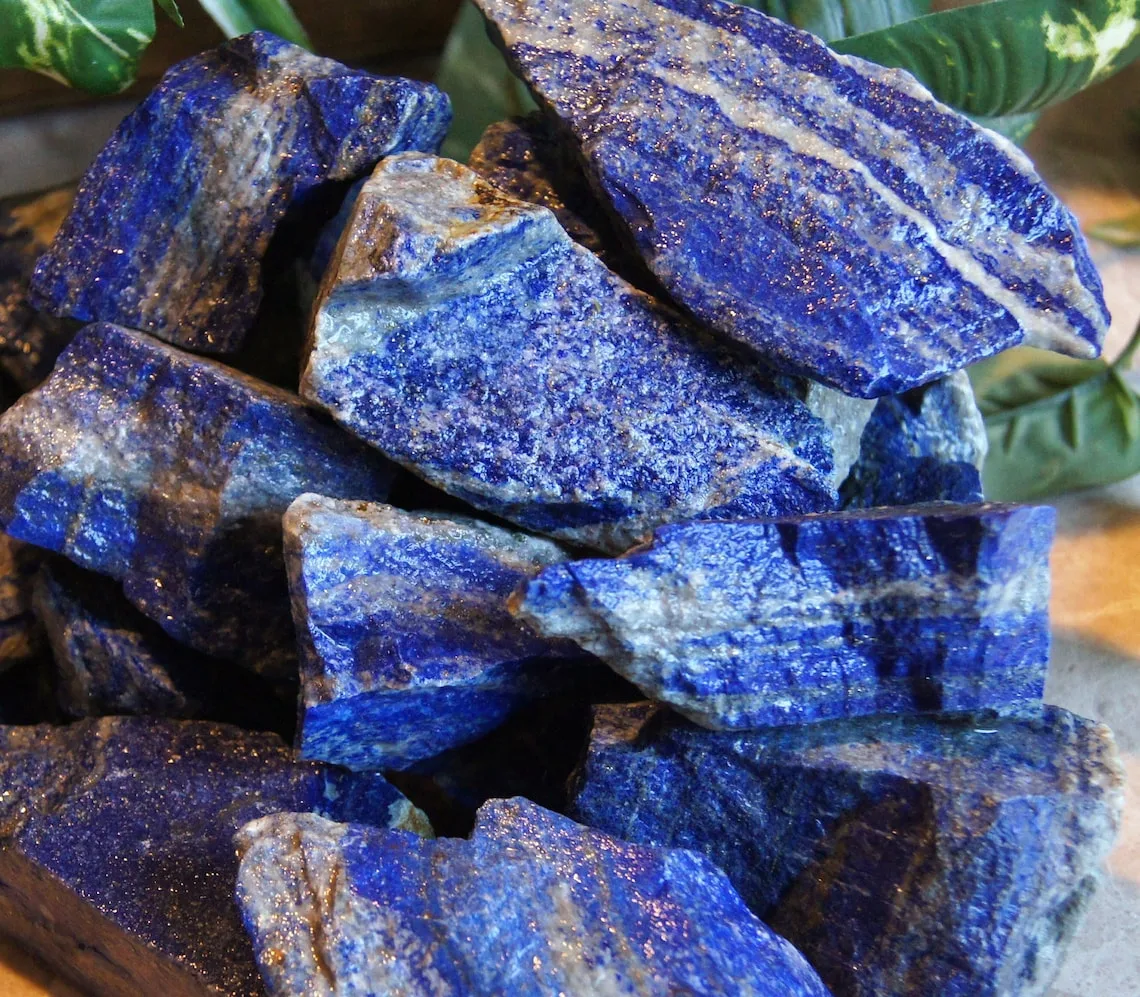
Spotting a fake sodalite passed off as real lapis lazuli is tricky. Most buyers rely on the white calcite vein test, but that’s just one piece of the puzzle. You need to know what natural inclusions look like versus artificial fillers.
Getting this wrong means overpaying for a cheaper stone.
We’ve analyzed gemological standards to clarify these distinctions. As of 2026, visual inspection remains the primary method for casual collectors. However, specific optical properties differ significantly between the two minerals.
Let’s break down exactly what you should be looking for under magnification.
Quick Answer
Real lapis lazuli contains irregular white calcite veins and golden pyrite flecks. Fake sodalite often lacks true pyrite or has black matrix instead. The white calcite vein test checks for natural, uneven seams.
Artificial fills appear uniform or bubbly. Always verify color tone and texture alongside vein structure. Use a 10x loupe for best results.
This combination confirms authenticity effectively.
Why Your Eyes Alone Can’t Tell Sodalite from Lapis
Human vision struggles with subtle blue variations. Sodalite and lapis lazuli share similar hues at first glance. Both belong to the feldspathoid group, which confuses many new collectors.
The naked eye misses critical textural differences that define each stone.
Sodalite typically displays a lighter, violet-blue shade. It often feels smoother and more glassy when polished. Real lapis lazuli offers a deeper, royal blue tone.
Its surface usually appears granular due to the mix of minerals. Without proper lighting, these nuances vanish completely.
You might think color alone is enough. But dyed howlite or treated sodalite can mimic lapis perfectly. Relying solely on hue leads to frequent misidentifications.
We see this error constantly in online marketplace disputes. Sellers exploit this visual ambiguity to charge premium prices.
This is why structured testing matters. You need objective criteria beyond subjective color perception. The following sections provide those exact steps.
They help you bypass marketing fluff and focus on geology. Trusting your eyes isn't always safe here. Data-driven observation is far more reliable for verification.
The White Calcite Vein Test: What You’re Actually Looking For
The "white calcite vein test" targets natural mineral formations. In genuine lapis lazuli, calcite creates irregular, web-like patterns. These veins follow the stone’s internal stress lines.
They never look painted on or artificially inserted.
Fake stones often feature resin-filled cracks. These fillers dry smooth and uniform. They lack the rough, crystalline edge of real calcite.
Look for sharp transitions between blue and white areas. Natural veins blend gradually into the surrounding lazurite.
Another key indicator is vein thickness variation. Real calcite seams widen and narrow unpredictably. Artificial lines tend to maintain consistent width throughout.
This regularity is a major red flag for forgery. Genuine geological processes don’t produce perfect straight lines.
You should also check for secondary minerals. True lapis rarely has pure white veins alone. It usually includes small specks of pyrite nearby.
If the white veins exist in isolation, suspect sodalite. Sodalite lacks the iron sulfide content found in lapis.
| Feature | Real Lapis Lazuli | Fake/Sodalite Imposter |
|---|---|---|
| Vein Shape | Irregular, branching | Uniform, linear, or bubbly |
| Edge Quality | Rough, crystalline | Smooth, resinous |
| Associated Minerals | Pyrite (gold flecks) | None or black manganese |
| Depth Perception | Translucent glow | Flat, opaque surface |
This table highlights the structural differences. Focus on the randomness of natural inclusions. Predictable patterns suggest human intervention.
Always compare multiple veins across the stone. Consistency in irregularity proves authenticity.
Step-by-Step Visual Inspection Under a Loupe
Start with a clean, dry stone. Dust obscures fine details during examination. Use a 10x jeweler’s loupe for optimal clarity.
Higher magnification may distort perspective unnecessarily. Good lighting is non-negotiable for this step.
Position the loupe close to your eye. Bring the stone toward the lens slowly. Scan the entire surface systematically.
Don’t rush through the inspection process. Patience reveals hidden flaws in counterfeit goods.
Look specifically at the intersection points of veins. Natural calcite meets lazurite with jagged edges. Fakes show rounded, melted-looking boundaries.
This occurs because resin fills gaps differently than crystals grow. Note any air bubbles trapped within white areas. Bubbles indicate synthetic filling agents.
Examine the background texture around the veins. Real lapis has a slightly grainy appearance. Sodalite often looks too smooth or waxy.
Compare the sheen of the blue matrix. It should reflect light diffusely, not sharply. Sharp reflections suggest glass or plastic composites.
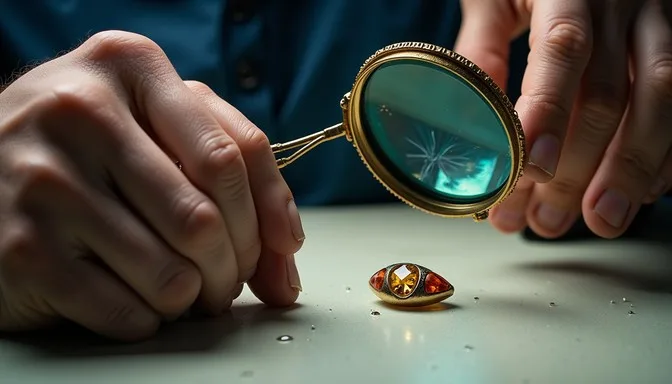
Record your observations mentally or physically. Take photos if possible for later review. Documenting findings helps track inconsistencies.
Repeat the scan on different facets. Authenticity should hold up from every angle. Any deviation warrants further investigation before purchase.
Beyond the Veins: Pyrite, Color Tone, and Texture Clues
Veins aren’t the only diagnostic tool. Pyrite presence is a strong positive indicator. Real lapis lazuli almost always contains golden metallic flecks.
These are iron sulfide crystals embedded naturally. Their distribution should feel random and organic.
Sodalite lacks pyrite entirely. Instead, it may show black or grey veining. This comes from manganese oxides, not gold.
If you see no yellow sparkles, doubt the label. Some high-end lapis pieces have minimal visible pyrite. But complete absence is suspicious for standard grades.
Color tone provides another layer of verification. Royal blue dominates authentic lapis specimens. Violet undertones characterize most sodalite varieties.
Hold the stone against a neutral white background. Compare the hue to known reference samples. Digital screens alter colors, so avoid phone comparisons.
Texture plays a crucial role in identification. Run your fingernail gently across the surface. Real lapis feels slightly abrasive due to hardness variance.
Sodalite feels uniformly slick and cool. This tactile difference stems from their distinct Mohs hardness levels. While both range from 5 to 6, the crystal structure differs.
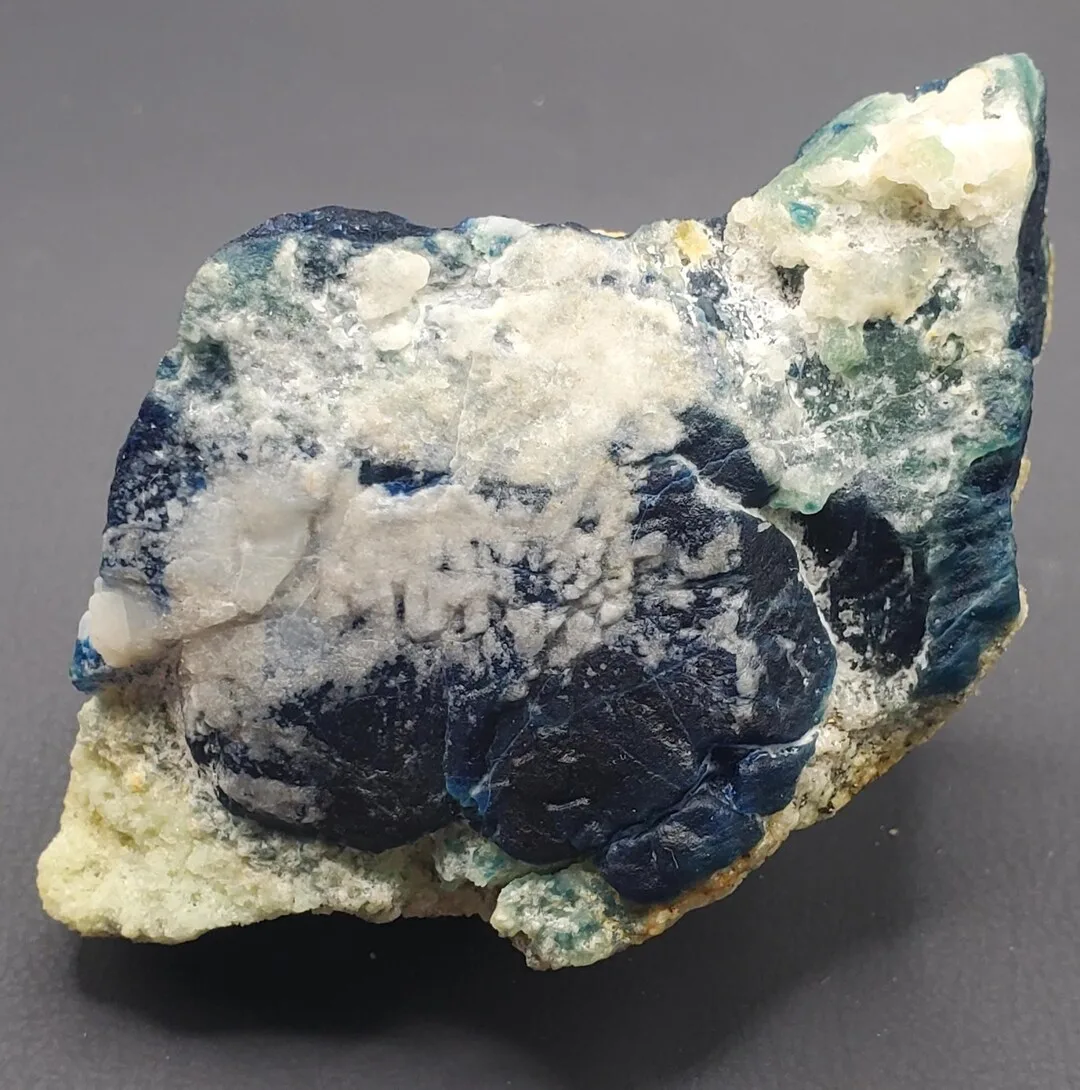
Check for fluorescence under UV light. Sodalite often glows bright orange-red. Lapis lazuli shows weak or no reaction.
This optical property separates them definitively. Carry a small SWUV flashlight for quick checks. It adds confidence to your visual assessment.
Combine all three clues for accurate judgment. Never rely on just one factor alone.
Common Visual Traps That Fool Even Experienced Buyers
Dyed howlite mimics lapis convincingly. It absorbs blue pigment deeply into its pores. The result looks vibrant but unnatural.
Scrub a hidden spot with acetone. Real lapis won’t bleed color. Howlite will release blue dye immediately.
This simple chemical test saves thousands in losses.
Resin-stabilized lapis passes basic visual tests. Manufacturers inject epoxy to strengthen fragile stones. This treatment hides cracks and enhances color.
It doesn’t make the stone fake, but it lowers value. Look for overly glossy surfaces. Natural lapis rarely shines like wet plastic.
Excessive luster suggests heavy stabilization.
Black matrix confusion affects many shoppers. Some sellers market dark sodalite as low-grade lapis. The black veins resemble burnt charcoal patterns.
True lapis matrix is usually white or gold. Dark grey or black streaks point to sodalite. Know the typical inclusion colors for each mineral.
Lighting tricks hide imperfections. Warm indoor lights enhance blue tones falsely. Inspect stones under daylight conditions whenever possible.
Sunlight reveals true saturation levels accurately. Shadows expose depth issues in carved beads. Poor lighting masks artificial enhancements effectively.
Always control your environment during evaluation.
Finally, beware of "natural" labeling loopholes. Terms like "treated" or "enhanced" vary by region. FTC guidelines require clear disclosure of permanent treatments.
Ask sellers for certification documents. Reputable dealers provide transparency without hesitation. Ambiguity often signals deceptive practices.
Protect yourself by demanding proof upfront.
Quick Reference Guide: Side-by-Side Feature Breakdown
You need a fast checklist when standing at a market stall. This table consolidates the visual and physical traits we’ve discussed. Use it to verify your initial impressions quickly.
It removes guesswork from the decision process.
| Trait | Real Lapis Lazuli | Fake Sodalite / Dyed Stone |
|---|---|---|
| Primary Color | Deep royal blue | Violet-blue or pale sky blue |
| Vein Appearance | Irregular white calcite | Uniform lines or black manganese |
| Metallic Flecks | Golden pyrite present | Absent or painted on |
| Surface Texture | Granular, matte finish | Smooth, glassy polish |
| UV Reaction | Weak or none | Strong orange-red fluorescence |
| Specific Gravity | 2.70–2.90 | 2.29–2.33 |
Notice how specific gravity stands out as a definitive metric. If you have access to a scale, weigh the stone in air. Then submerge it in water to find displacement volume.
Divide weight by volume to get density. Lapis sinks faster due to higher mass per unit.
Color consistency matters too. Natural lapis often shows slight tonal shifts. These variations prove geological origin.
Perfectly uniform blue suggests dye injection. Check the edges of drilled holes for color pooling. Dyes concentrate there, creating dark rings.
Use this guide alongside loupe inspection. No single trait guarantees authenticity alone. Combining three or more indicators builds confidence.
If two features contradict, assume the stone is fake. Better to reject a genuine piece than buy a counterfeit. Precision protects your investment effectively.
When to Stop Guessing and Get Professional Help
Sometimes visual tests leave room for doubt. High-value pieces warrant expert verification. Don’t risk thousands on uncertain observations.
Certified gemologists use advanced tools like spectrometers. They identify mineral composition instantly.
Seek help if the stone has unusual inclusions. Rare varieties might not fit standard profiles. A lab report provides legal proof of identity.
This documentation aids insurance claims and resale. It eliminates ambiguity for future buyers.
Consider professional appraisal for antique jewelry. Older cuts may hide treatments poorly. Modern stabilization techniques are sophisticated.
Experts detect resin fills under polarized light. They also check for heat treatment signs. DIY methods miss these subtle alterations.
Visit a local GIA-accredited laboratory. Or consult a university geology department. Many offer identification services for a fee.
The cost is negligible compared to potential loss. Always ask for a written certificate. Verbal opinions hold no legal weight.
Trust professionals when stakes are high. Your eyes can be deceived by skilled artisans. Technology reveals what nature hides.
Investing in expertise ensures long-term peace of mind. It validates your collection’s integrity permanently.
Frequently Asked Questions
Can I use a scratch test to distinguish sodalite from lapis?
No, avoid scratching either stone. Both share similar Mohs hardness ratings between 5 and 6. A successful scratch won’t differentiate them reliably.
Worse, you’ll damage the polished surface permanently. Stick to non-destructive visual and optical tests instead. Preserve the stone’s value and appearance.
Does all real lapis lazuli contain visible pyrite flecks?
Not necessarily. Some high-quality "sleeping beauty" lapis lacks prominent gold specks. However, complete absence of any metallic inclusion is rare.
Most commercial grades show at least minor pyrite traces. If the stone is pure blue with zero flecks, suspect dyed howlite or sodalite. Verify with UV light and vein structure checks.
How reliable is the acetone wipe test for dyed stones?
It works well for fresh dyes on porous materials like howlite. Acetone dissolves surface pigments easily. But modern resin-stabilized lapis resists solvent penetration.
The dye sits deep within the matrix. So, a negative result doesn’t guarantee authenticity. Use it only as one part of broader inspection.
Never rely on it exclusively for expensive gems.
Why does sodalite fluoresce under UV light while lapis does not?
Sodalite contains sulfur defects that emit orange-red light under short-wave UV. Lapis lazuli’s lazurite component reacts weakly or not at all. This difference stems from distinct crystal lattice structures.
Carry a small SWUV flashlight for quick screening. Bright fluorescence strongly indicates sodalite. Dim or absent glow supports lapis identification.
Combine with other visual cues for certainty.

Similar Posts