How to Test Prehnite for Real Epidote Inclusions
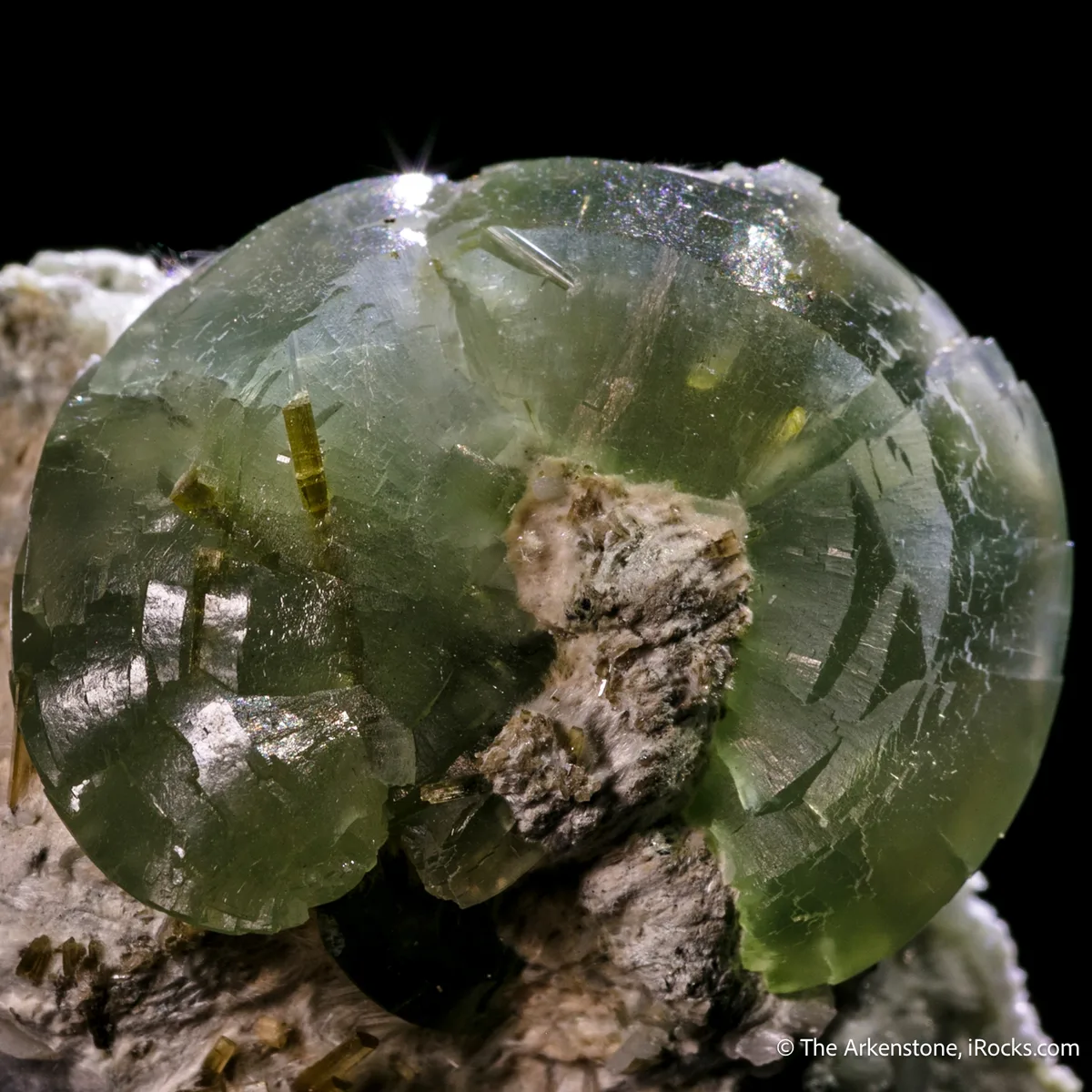
Figuring out how to test if prehnite is real epidote inclusions check often trips up new collectors. You might see green spots and assume they’re valuable epidote crystals. But those could just be color zoning or surface dirt.
Getting this right saves you from overpaying for a plain stone.
Visual identification is your best tool here. Unlike hardness tests, looking closely doesn’t damage the specimen. Epidote has a distinct pistachio-green hue and sharp crystal shape.
Prehnite usually forms in smooth, rounded masses. We’ll walk through exactly what to look for under different lighting conditions as of 2026.
Why Your Eyes Matter More Than Scratch Tests Here
Scratch testing is useless for internal inclusions. Both prehnite and epidote sit between 6 and 7 on the Mohs hardness scale. They are too similar to tell apart by scratching.
Trying to force a distinction damages the piece without giving answers.
Your eyes are far more reliable tools. Mineralogy relies heavily on optical properties like luster and habit. Prehnite typically shows a vitreous to pearly shine.
It often grows in botryoidal clusters that look like grapes. Epidote, however, loves to form long, prismatic crystals with vertical striations.
These structural differences are visible even to the naked eye if you know where to look. You don’t need lab equipment to spot the geometry. A simple hand lens works wonders.
Focus on the shape and texture rather than just the color. This approach preserves the value of your specimen while confirming its identity.
The Visual Signature: Distinguishing Epidote Crystals from Green Stains
Real epidote looks like tiny, dark green needles or blocks embedded in the rock. It isn’t painted on the surface. These inclusions have depth and dimension.
They catch light differently than the surrounding prehnite matrix.
Color zoning in pure prehnite can mimic inclusions. However, zoned color blends smoothly into the host material. There are no sharp boundaries.
Epidote creates hard edges. You’ll see a clear line where the green crystal meets the pale yellow-green prehnite.
Surface stains or moss can also confuse beginners. These sit on top of the rock. They wipe away easily with water.
True inclusions are locked inside the stone. They won’t budge no matter how much you scrub. Look for the three-dimensional quality of the green features.
If it looks flat, it’s likely not epidote.
Step-by-Step Lighting Protocol for Internal Inclusion Detection
Lighting makes or breaks your diagnosis. Flat overhead light hides depth. You need directional sources to reveal structure.
Start with natural daylight near a window. Rotate the specimen slowly. Watch how shadows fall across the surface.
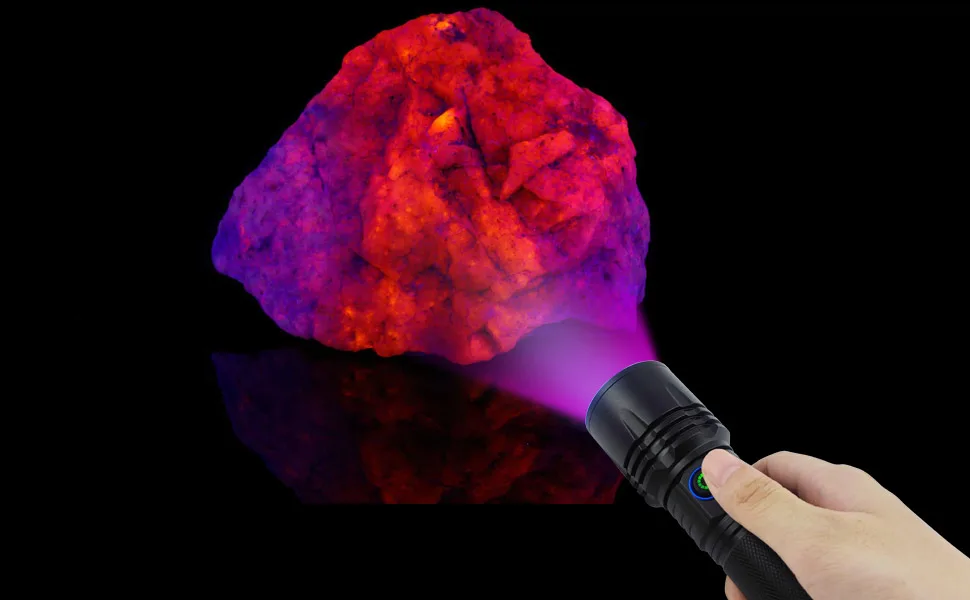
Next, use a strong LED flashlight. Shine it through the edge of the stone. This transmitted light method highlights internal fractures and crystal shapes.
Epidote crystals will cast distinct shadows inside the translucent prehnite. You might see them floating within the matrix.
Reflected light helps identify surface texture. Angle the beam to catch glints off crystal faces. Prehnite tends to reflect softly due to its pearly luster.
Epidote reflects sharply because of its vitreous to resinous luster. Compare these reflections side by side.
| Light Type | Purpose | What to Look For |
|---|---|---|
| Natural Daylight | General Color Check | Sharp vs. Blended Boundaries |
| Transmitted LED | Internal Structure | Shadow Casting, Depth |
| Angled Reflected | Surface Texture | Glint Intensity, Luster Difference |
Magnification Checklist: Spotting Striations and Crystal Faces
A 10x jeweler’s loupe is essential for this step. Naked eyes miss fine details. Bring the loupe close to your eye.
Hold the stone steady against the lens. Scan the green areas specifically.
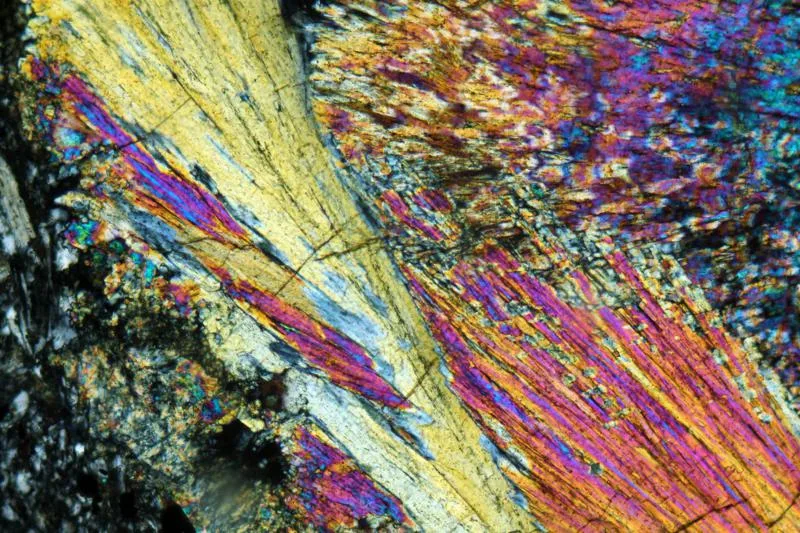
Look for vertical striations on the crystal faces. Epidote belongs to the orthorhombic system. Its crystals often show parallel lines running along their length.
Prehnite lacks these linear markings. It appears smoother or granular under magnification.
Check the termination points of the green structures. Real epidote crystals end in flat planes or pyramidal tips. Fake inclusions or dye concentrations look amorphous and blob-like.
Sharp geometric endings signal genuine mineral growth.
Also, observe the contact zone. Does the green inclusion interrupt the prehnite lattice? Or does it sit superficially?
Genuine inclusions displace the host material. They push the prehnite aside during formation. This creates a visible boundary layer.
Common Lookalikes That Fool Even Experienced Collectors
Chlorite is the biggest impostor. It shares a bright green color with epidote. But chlorite is soft and flaky.
Under magnification, it looks like stacked leaves. Epidote is hard and blocky. If the green stuff peels off, it’s chlorite.
Actinolite sometimes appears in prehnite veins. It has a fibrous, needle-like habit. While similar in shape to some epidote varieties, actinolite is often paler.
It also feels slicker to the touch. Epidote feels dry and gritty.
Green mica (fuchsite) is another candidate. Mica shines with a metallic glitter. It splits into thin sheets easily.
Epidote does not sheet. It fractures irregularly. Check for flexibility.
Bendable green flakes mean mica. Rigid green crystals point to epidote.
Finally, beware of dyed quartz. Sellers sometimes inject green dye into cracks. This dye pools in fissures.
It doesn’t form discrete crystals. Instead, it outlines fracture networks. Real epidote stands alone as independent geometric bodies.
Dyed material follows the path of least resistance. Always verify the source Mindat.org for reference images before purchasing high-value specimens.
Quick Reference Table: Prehnite Matrix vs. Epidote Inclusions
Confusion often stems from mixing up the host rock with the guest mineral. A side-by-side comparison clears this up instantly. You need to know exactly what defines each component visually and physically.
This table summarizes the key differentiators that matter most during inspection.
| Feature | Prehnite (Host) | Epidote (Inclusion) |
|---|---|---|
| Color | Pale yellow-green, apple green | Pistachio, dark olive, or brownish green |
| Crystal System | Orthorhombic (rarely visible) | Monoclinic (prismatic, elongated) |
| Luster | Vitreous to pearly | Vitreous to resinous |
| Habit | Massive, botryoidal, reniform | Prismatic, acicular, granular |
| Surface Texture | Smooth, rounded bumps | Sharp edges, vertical striations |
| Transparency | Translucent to transparent | Translucent to opaque |
Notice the habit difference first. Prehnite rarely shows clear crystal faces unless it’s a rare specimen. It usually looks like a solid mass.
Epidote almost always reveals its geometry through sharp lines and flat planes. If the green parts look like blobs without structure, they aren’t epidote.
Striations are another dead giveaway. Run your fingernail gently over the surface if safe. Epidote crystals often have fine parallel ridges running lengthwise.
Prehnite surfaces remain smooth or slightly undulating. These tactile cues support your visual findings. Don’t rely on color alone since both minerals share similar hues.
Structure is the true identifier here.
FAQs on Identifying Genuine Epidote-In-Prehnite Specimens
Can I use acid to test for epidote?
No, you shouldn’t use acid on either mineral. Both prehnite and epidote are silicates. They do not react vigorously to dilute hydrochloric acid like carbonates such as calcite would.
Using acid risks etching the surface of the prehnite matrix. This ruins the polish and value of your specimen permanently. Stick to non-destructive visual methods described earlier.
Acid tests provide no useful data for distinguishing these two specific minerals in a composite sample.
Why does my prehnite look uniformly green?
Uniform color usually indicates pure prehnite rather than an inclusion scenario. Prehnite gets its green tint from iron impurities within its own crystal lattice. This is called chromophore substitution.
It differs from having separate epidote crystals embedded inside. If there are no distinct shapes or boundaries, you likely have plain green prehnite. Check for any variations in shade or texture under magnification.
Lack of geometric features confirms the absence of epidote inclusions.
Is epidote in prehnite rare or valuable?
Epidote-in-prehnite combinations are moderately common in certain localities like India and New Jersey. Value depends heavily on aesthetics. Clean, sharp epidote crystals contrasting against translucent prehnite command higher prices.
Messy or obscured inclusions add little value. Collectors prize specimens where the crystal forms are distinct and unbroken. Rarity isn’t the main driver here; presentation is.
A well-displayed piece with clear visual separation sells better than a chaotic mix of minerals.
How do I clean dirt off without damaging inclusions?
Use lukewarm water and a soft toothbrush. Avoid harsh chemicals or ultrasonic cleaners which can loosen fragile crystals. Gently scrub the surface to remove mud or organic matter.
Rinse thoroughly and pat dry with a lint-free cloth. Never pick at debris with metal tools. This scratches the softer prehnite matrix.
Proper cleaning reveals the true nature of the inclusions beneath. Dirt often mimics dark epidote, so removal is critical before final assessment.

Similar Posts