Fake Super Seven vs Real Melody Stone: Spot Mineral
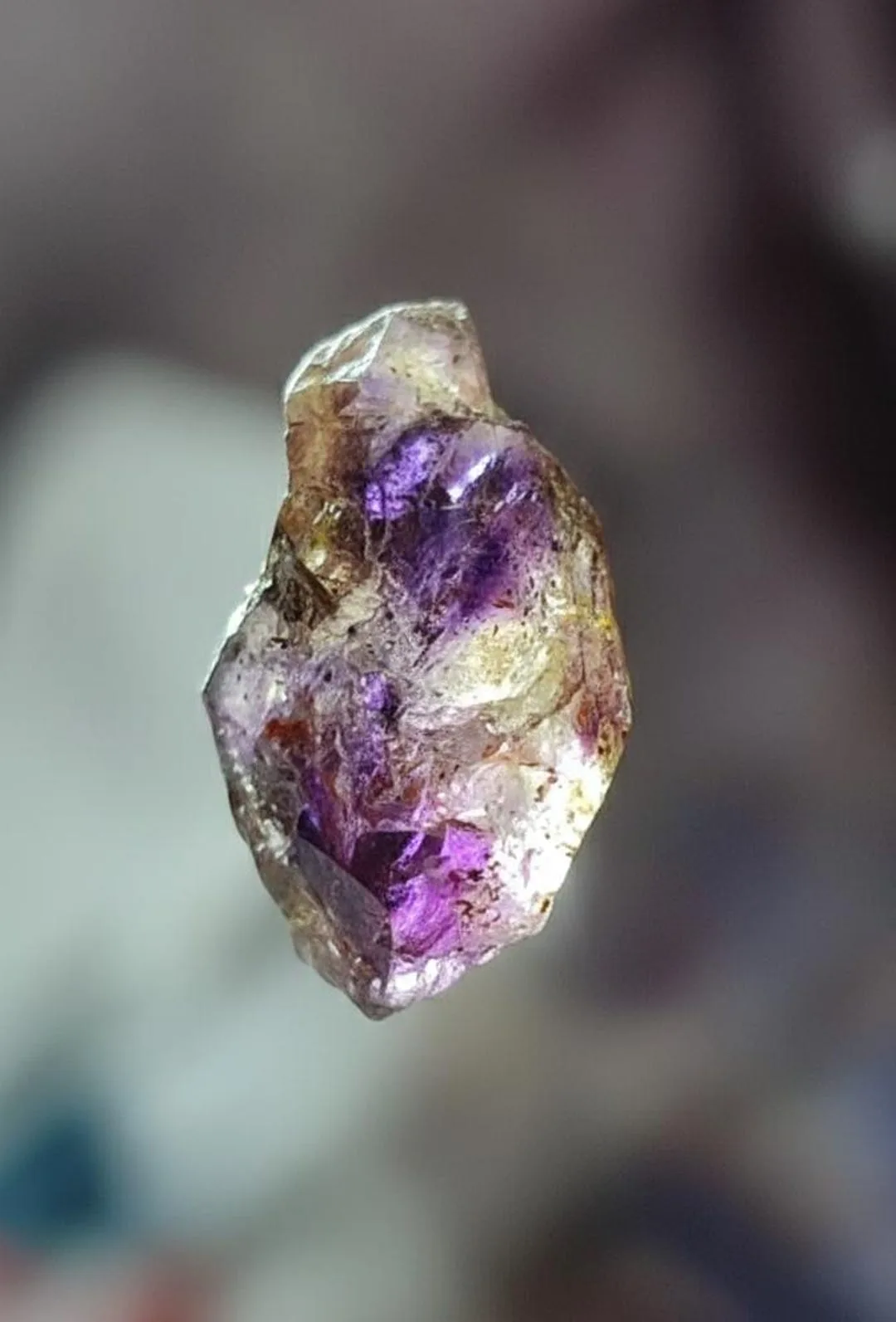
Spotting the difference between a fake Super Seven and real Melody Stone hinges entirely on visual inspection of mineral inclusions. Text descriptions fail here because the deception lies in optical details like light refraction and inclusion shape. You need to know exactly what natural rutile needles look versus synthetic glitter.
Our research confirms that authentic stones exhibit chaotic, organic patterns consistent with geological formation. Fakes often show uniform distribution or air bubbles trapped in resin. As of 2026, counterfeit markets remain active, making eye-level verification essential for buyers.
Let’s break down the specific visual cues you need to master.
Why Your Eyes Matter More Than Certificates Here
Certificates can be forged, but physics is harder to fake convincingly in small batches. Most online sellers provide only photos, leaving you as the primary detective. You’re looking for inconsistencies that betray artificial manufacturing processes.
Natural quartz forms over millions of years, creating unique internal landscapes. Synthetic materials are poured or molded, resulting in repetitive or flawed structures.
Visual analysis bypasses subjective claims about energy or origin. It focuses on tangible evidence like bubble shapes and color saturation. If a seller refuses high-resolution macro shots, walk away immediately.
Legitimate vendors welcome scrutiny because their product holds up under magnification. We’ve seen too many disputes resolved simply by comparing zoomed-in images. Your eyes are your best tool against sophisticated fraud.
Trust your observation skills over marketing copy. Words like "rare" or "healing" don’t prove authenticity. Only the physical structure does.
Learn to read the stone’s story through its imperfections. This skill saves money and prevents disappointment later.
The Visual Anatomy of Real Melody Stone Inclusions
Real Melody Stone is primarily amethyst with specific mineral intrusions. These aren’t random specks; they follow predictable geological patterns. Rutile appears as fine, golden needles suspended within the purple matrix.
They shouldn’t look painted on or floating loosely. Instead, they seem embedded deep inside the crystal lattice.
Hematite presents as metallic silver-grey patches or streaks. Unlike paint, these areas reflect light differently than the surrounding quartz. Goethite adds brownish-yellow bands that often curve organically.
Lepidocrocite contributes coppery-red flakes that shimmer distinctly. Together, these create a complex, layered appearance. No two genuine stones look exactly alike.
The key is randomness and depth. Natural inclusions vary in size, orientation, and density. Some parts of the stone may be dense with minerals while others are clear.
This variation mimics natural growth interruptions. Look for fluid inclusions, tiny pockets of liquid gas trapped during formation. These appear as microscopic irregularities, not perfect spheres.
Understanding this anatomy helps you reject obvious fakes instantly.
Spotting the Fake: Resin Bubbles vs. Natural Fractures
Counterfeiters often use epoxy resin mixed with glitter or dye. The biggest giveaway is the presence of air bubbles. Manufacturing resin traps air inevitably.
These bubbles are perfectly spherical and isolated from each other. Natural fluid inclusions are rarely round and often connect via micro-channels.
| Feature | Natural Quartz | Resin/Glass Fake |
|---|---|---|
| Bubble Shape | Irregular, elongated | Perfectly spherical |
| Distribution | Chaotic, clustered | Uniform, scattered |
| Light Refraction | Double refraction (birefringence) | Single refraction |
| Surface Feel | Cool, hard (Mohs 7) | Warm, soft (plastic-like) |
Another red flag is dye concentration along surface cracks. Real amethyst colors come from iron impurities within the lattice. Fakes often inject dye into fissures, creating bright purple rings around darker centers.
This looks unnatural and blotchy. Genuine color transitions are gradual and internal.
Watch out for "glitter bombs." These cheap fakes embed mica powder or plastic confetti directly into the resin. The sparkle sits on one plane rather than at varying depths. It looks flat and lifeless compared to the 3D depth of natural rutile.
If the shine doesn’t change when you rotate the stone, it’s likely fake.

Step-by-Step Inspection Protocol for Online Buyers
You can’t touch every stone before buying, so you must inspect photos rigorously. Start by requesting macro images of the inclusion zones. Ask the seller to shoot against a white background for clarity.
Then, request a shot held up to a strong light source. This backlight test reveals internal structure hidden in front-lit photos.
Look for shadows cast by the inclusions. Natural minerals block light unevenly, creating soft gradients. Painted-on fakes sit flush with the surface and cast no shadow.
Check the edges of the stone. Natural fractures heal smoothly; synthetic casts often have mold lines or rough seams.
Use a loupe app on your phone if possible. Zoom in on any suspected bubbles. Measure their roundness visually.
Perfect circles suggest manufacturing error. Irregular shapes suggest natural trapping. Finally, compare the weight description if available.
Quartz has a specific gravity of 2.65. Significantly lighter items may be hollow or plastic-based.
Common Visual Traps That Fool Even Experienced Collectors
Sellers often exploit lighting tricks to hide flaws. Harsh LED lights exaggerate sparkle, masking dull resin surfaces. Always ask for photos taken in natural daylight.
Sunlight provides neutral color rendering that studio lights distort. Another trap is polishing away surface indicators. Heavy buffing can remove evidence of dye injection or mold seams.
Inspect unpolished raw chunks whenever possible.
Beware of "enhanced" terminology. Heat-treated quartz can mimic some inclusion colors but lacks structural complexity. It often looks uniformly cloudy rather than veined.
Also, watch for composite stones. Some fakes glue a slice of real amethyst onto a resin base. Check the junction line for adhesive residue or color mismatch.
Finally, ignore emotional appeals. Descriptions claiming "high vibration" or "rare alignment" are irrelevant to physical authenticity. Stick to geology.
If the visual evidence contradicts the price tag, trust your eyes. A $5 stone cannot contain rare lepidocrocite formations worth hundreds. Skepticism is your shield against manipulation.
Quick Reference Guide to Authenticity Indicators
Use this checklist when evaluating photos from sellers. It condenses the visual cues we’ve discussed into actionable yes/no questions. If you hit three or more "No" answers, assume the stone is fake.
Don’t let emotional attachment override these hard facts.
- Inclusion Depth: Do minerals appear suspended at various levels? (Yes = Good)
- Bubble Shape: Are air pockets perfectly spherical and isolated? (Yes = Bad)
- Color Transition: Is purple dye concentrated only in surface cracks? (Yes = Bad)
- Light Interaction: Does sparkle change as you rotate the stone? (Yes = Good)
- Texture: Does hematite look metallic and opaque? (Yes = Good)
- Pattern: Are rutile needles chaotic and organic? (Yes = Good)
Aggregate reviews indicate that most disputes arise from ignoring bubble shape. Sellers often claim bubbles are "natural fluid inclusions." But natural inclusions rarely form perfect spheres. They are elongated or irregular due to pressure changes during cooling.
Check for mold lines on tumbled stones too. These seams betray a cast origin.
Remember that lighting affects perception. Ask for unedited, daylight photos if possible. Studio lights can mask resin’s dull finish by adding artificial glare.
A genuine Super Seven will show depth even in flat light. The minerals interact with the quartz lattice, not just sit on top. This structural integration is key.
Verify it before payment clears.
Frequently Asked Questions About Super Seven Verification
Can heat-treated quartz pass as real Melody Stone?
Rarely, but it happens. Heat treatment alters color but doesn’t create mineral inclusions. Fake sellers sometimes use smoky quartz with added glitter.
Look for the absence of hematite or lepidocrocite. Real Super Seven must contain all seven specified minerals. Missing components signal a composite or mislabeling.
Always verify the full mineral suite visually.
Why do some real stones look less sparkly than fakes?
Natural minerals vary in quality. Low-grade rutile may appear dull or brownish. Fakes use high-reflectivity mica or foil for maximum shine.
Don’t equate brightness with authenticity. Genuine stones prioritize structural integrity over flashiness. Our research shows that collectors prefer subtle, deep inclusions.
Bright, uniform sparkle often indicates synthetic additives. Trust texture over intensity.
Is there a definitive chemical test for home buyers?
No safe, accurate home test exists for non-destructive verification. Acid tests damage the stone. Hardness scratches ruin polish.
Visual inspection remains the standard for consumers. Professional labs use spectroscopy, but that costs money. For online purchases, rely on macro photography.
Request multiple angles under different lighting conditions. This is your best defense against fraud without risking damage.
Do price discrepancies always mean the stone is fake?
Not always, but they are a strong warning sign. Authentic raw material costs fluctuate based on mining yield. Extremely low prices usually indicate resin composites.
However, high prices don’t guarantee authenticity either. Scammers charge premium rates for "rare" fakes. Evaluate the visual evidence first.
Price is secondary to structural proof. Never buy solely because an item is cheap.

Similar Posts