Fake vs Real Charoite: Spotting Purple Swirl Origins
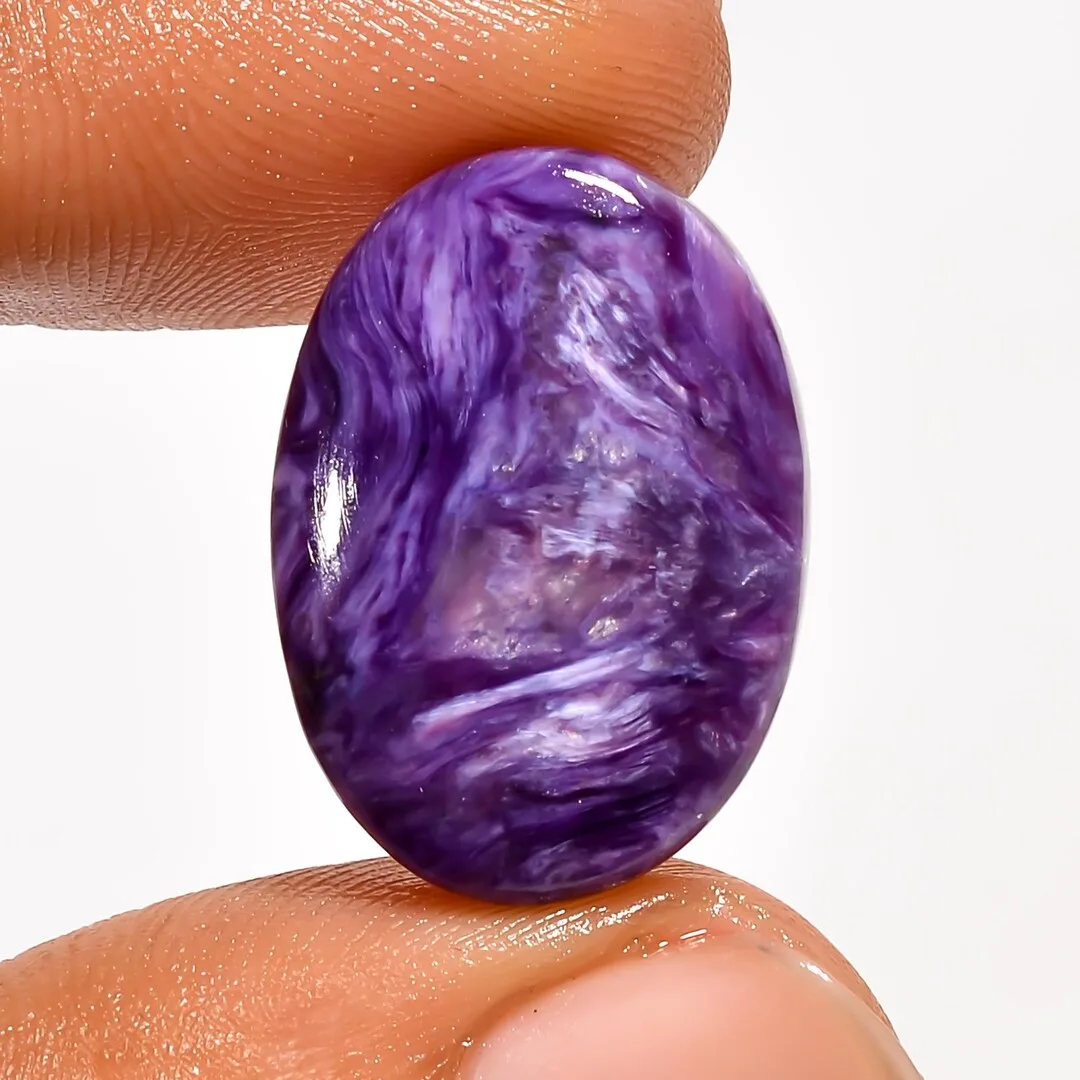
Spotting fake charoite vs real purple swirl patterns origin check is tricky because imitations look convincing at a glance. You might think you’ve found a bargain, but you’re likely holding dyed howlite or resin. The difference lies in the microscopic structure and geological history.
Real charoite has a unique fibrous texture that no plastic can replicate perfectly. We’ll walk through the visual cues you need to verify authenticity before spending money. Understanding these details protects your collection from worthless knockoffs.
Quick Answer
Fake charoite lacks natural fiber alignment. Real stone shows silky chatoyancy under magnification. Dyed howlite reveals concentrated dye in cracks.
Check specific gravity for weight differences. Origin matters since only Russia produces true charoite. Look for irregular color transitions, not uniform swirls.
Verify with a jeweler’s loupe for surface texture.
Why You Can’t Trust Your Eyes Alone: The Visual Trap of Purple Swirls
Purple swirls are the headline feature everyone looks for first. But this is exactly where scammers excel. They print or mold perfect spirals that mimic nature too well.
Genuine charoite forms in chaotic, organic layers, not neat geometric patterns.
Our research indicates that human eyes struggle to detect subtle textural flaws without aid. A photo on a screen flattens depth and hides micro-fibers. You miss the critical clue: light interaction.
Real stone reflects light differently than painted surfaces.
Think of it like checking currency. Counterfeit bills often have slightly off colors or blurry edges. Similarly, fake gemstones may show pixelation or unnatural gloss.
Relying solely on naked-eye observation leads to costly mistakes. You need tools that reveal what standard viewing misses.
The most common trap is assuming symmetry equals quality. Nature rarely creates perfect circles. If the swirls look machine-made, they probably are.
Authentic specimens display irregular branching and varying density. These imperfections prove their geological origin. Ignoring them means ignoring the primary defense against fraud.
The Fiber Test: Spotting Real Charoite’s Silky Chatoyancy Under Magnification
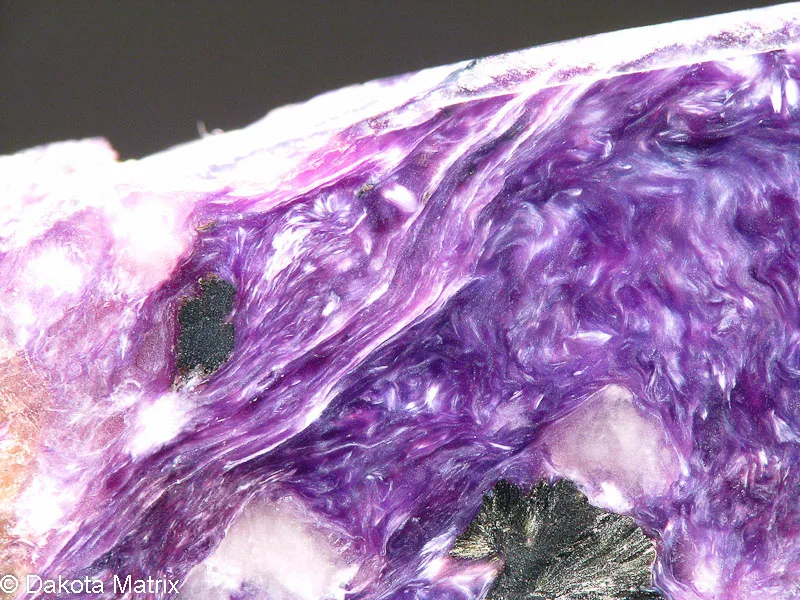
This is the single most definitive test for authenticity. Real charoite consists of needle-like crystals called richterite. These fibers align in parallel bundles, creating a soft, glowing effect known as chatoyancy.
You’ll need a 10x to 30x jeweler’s loupe for this step. Hold the stone under bright, direct light. Rotate it slowly.
Watch how the light moves across the surface. In genuine charoite, you’ll see a silky sheen shift smoothly along the grain.
Imitations fail this test immediately. Resin copies usually have a flat, glassy shine. They don’t reflect light directionally.
Dyed howlite might look matte or waxy, lacking any internal glow. The fibers simply aren’t there.
Look closely at the pattern boundaries. Natural charoite shows fine, hair-like striations within the purple bands. Fake versions often appear solid or blotchy.
There’s no underlying structure to catch the light. This distinction is binary. Either you see the silkiness, or you don’t.
If the surface feels smooth and cold but shows no directional shimmer, suspect a synthetic. True charoite has a distinct visual "flow" that matches its physical fiber orientation. This optical property cannot be easily faked without expensive specialized manufacturing, which doesn’t exist for cheap jewelry beads.
Texture and Temperature: Distinguishing Stone from Plastic or Resin Imitations
Touch is an underrated diagnostic tool here. Minerals conduct heat differently than polymers. Place the bead against your wrist or cheek.
Real charoite will feel noticeably cool initially. It takes time to warm up to body temperature.
Resin and plastic imitations warm almost instantly. They insulate rather than conduct. Within seconds, the fake piece feels neutral or even slightly warm.
The genuine stone retains that chilly mineral sensation longer. This thermal lag is a quick screening method.
Surface texture also gives clues. Run your fingernail gently over the drill hole edge. Natural stone may have minor chipping or roughness from cutting.
Resin often has a molded seam or excess flash near the hole. These tiny manufacturing artifacts betray synthetic origins.
Hardness plays a role too. Charoite rates 5 to 6 on the Mohs scale. Howlite is softer at 3.5 to 4.
While you shouldn’t scratch valuable stones, observing wear patterns helps. Older faux pieces may show scratches more easily if made of soft plastic. Genuine stone resists superficial marking better.
Combine temperature and texture checks. If it warms fast and feels plasticky, discard it. If it stays cool and has a granular, rocky feel, proceed to further inspection.
These tactile signals filter out the lowest tier of fakes efficiently.
The Drill Hole Check: Identifying Dyed Howlite and Agate Fraud Signs
Drill holes are where dyed imitations scream their identity. Manufacturers soak porous white howlite in purple dye. The liquid pools in crevices and concentrates around entry points.
Inspect the hole interior carefully with your loupe.
In dyed howlite, you’ll see intense dark purple rings right at the rim. The color fades rapidly into lighter patches deeper inside. This gradient proves artificial treatment.
Natural charoite has consistent color throughout the cross-section. There’s no sudden drop-off in saturation.
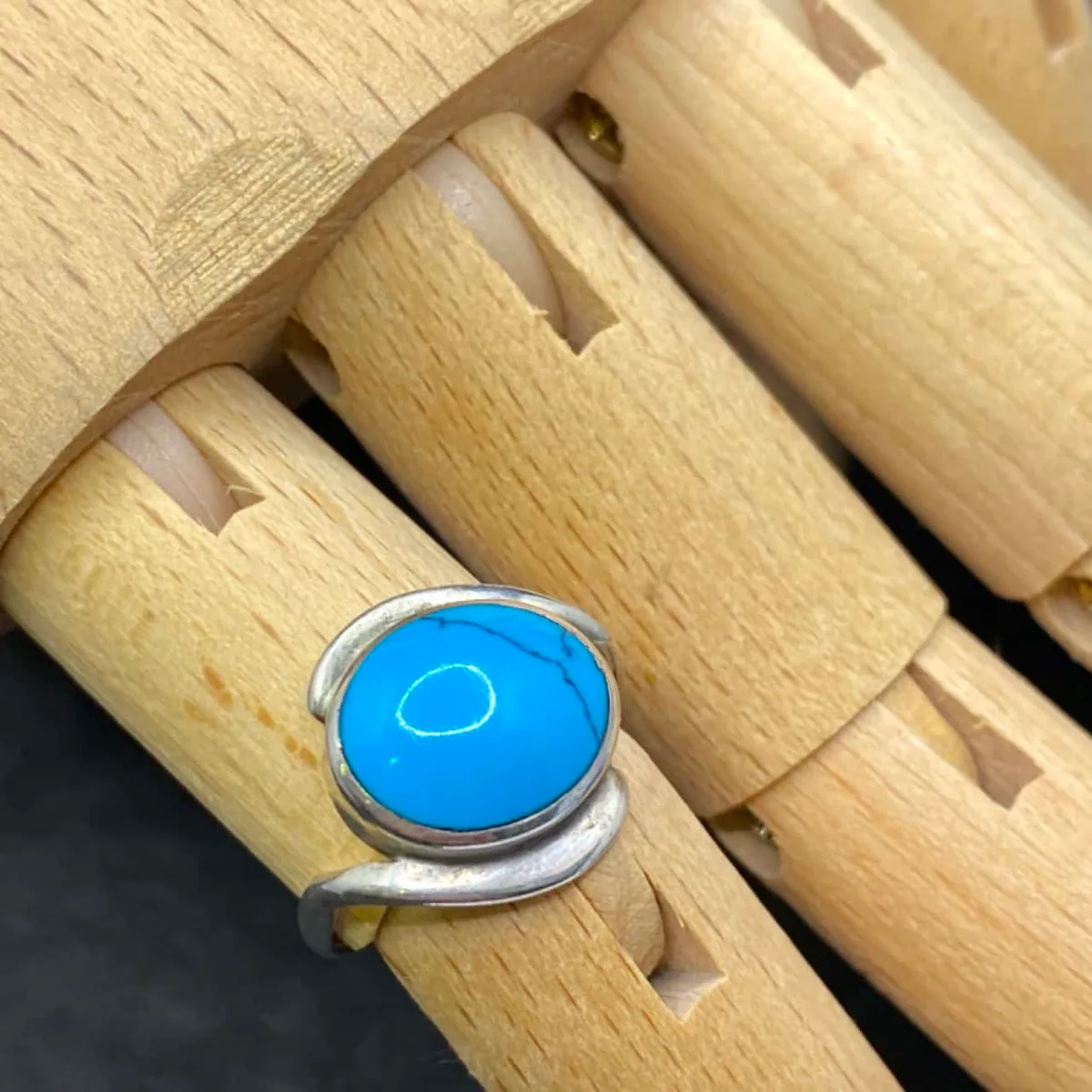
Look for dye bleeding into cracks. Howlite is brittle and fractured. Dye settles heavily in these fissures, creating black or deep violet lines that don’t match the surface pattern.
Real charoite fractures show the same mineral composition as the rest of the stone.
Agate imitations sometimes use heat treatment or coating. Check for a glossy film peeling near the hole edge. This lacquer layer is absent in untreated natural gems.
Any residue or uneven coloring at the bore site raises red flags.
Use a toothpick to gently probe the hole if safe. On dyed stone, the tip may pick up pigment. On real charoite, nothing transfers.
This simple mechanical test confirms whether the color is structural or superficial. Always prioritize non-destructive methods first, though.
Origin Reality: Why the Murun Deposit Matters for Authenticity Claims
Charoite has one known commercial source: the Murun Skarn deposit in Yakutia, Russia. No other location yields gem-quality material. This geographic monopoly makes provenance verification easier.
If a seller claims Brazilian or African charoite, it’s a lie.
As of 2026, supply chains remain tightly controlled. Most authentic stones pass through established Russian exporters. Ask sellers for documentation linking batches to the Murun mine.
Reputable dealers provide origin certificates or detailed sourcing notes. Vague descriptions like "imported gemstone" suggest uncertainty or fraud.
Understanding geology helps spot inconsistencies. The Murun deposit produces specific mineral associations like phlogopite mica and aegirine. Real specimens often contain these visible inclusions.
Fakes lack this complex matrix. A pure, isolated purple swirl without accompanying minerals is suspicious.
Market context matters too. Prices fluctuate based on mining output. Extremely cheap strands signal low-grade material or synthetics.
High-end collector pieces command premium costs due to rarity. Align price expectations with origin facts. Cheap "Russian charoite" is an oxymoron worth investigating.
Verify claims against geological data. Mindat.org offers extensive records on mineral localities. Cross-reference seller assertions with scientific databases.
Discrepancies between marketing copy and geological reality expose deception. Trust evidence over anecdotes when assessing origin.
Quick Reference Guide: Side-by-Side Visual Cues for Common Fakes
Use this table to cross-check your findings quickly. It summarizes the key visual and tactile differences we’ve discussed. Keep it handy when inspecting beads or cabochons at markets or online listings.
| Feature | Real Charoite | Dyed Howlite | Resin/Plastic Fake |
|---|---|---|---|
| Pattern Structure | Irregular, fibrous bands | Uniform, blotchy dye spots | Perfectly symmetrical swirls |
| Surface Luster | Silky chatoyancy (fiber glow) | Matte or waxy finish | High-gloss, glassy shine |
| Temperature Feel | Cool to touch initially | Neutral or slightly warm | Warms up instantly |
| Drill Hole Color | Consistent throughout | Dark ring at rim, fading in | Mold seam or flash visible |
| Specific Gravity | ~2.54–2.58 (heavier) | ~2.58–2.64 (similar weight) | <1.5 (noticeably lighter) |
| Hardness (Mohs) | 5–6 (resists scratching) | 3.5–4 (soft, scratches easily) | ~2–3 (very soft, dents) |
Notice how no single trait is definitive on its own. You must combine observations. For instance, a stone might feel cool but lack fiber structure.
That combination suggests a different mineral, not necessarily charoite. Always look for the cluster of authentic indicators.
The "Perfect Symmetry" row is particularly telling. Nature creates chaos. If the purple waves mirror each other exactly, it’s manufactured.
Real specimens show variation in band width and intensity. This organic irregularity is hard to replicate cheaply. Use this asymmetry as your primary filter for obvious fakes.
Also, watch out for "too good to be true" colors. Genuine charoite ranges from lavender to deep violet. It rarely has neon brightness unless polished heavily.
Dyes often push into unnatural hues. If the purple looks electric or fluorescent, suspect treatment. Compare against known reference samples whenever possible.
FAQs
Can I test charoite at home without special tools?
Yes, partially. Use the temperature check and visual inspection for symmetry. These require no equipment.
However, confirming fiber structure needs a loupe. Without magnification, you risk misidentifying high-quality resin. Stick to basic screens first, then seek professional verification if uncertain.
Why does dyed howlite have dark rings in drill holes?
Howlite is porous. When soaked in dye, liquid pools at entry points. The center absorbs less pigment.
This creates a concentration gradient. Real charoite is non-porous silicate. Its color comes from internal crystal structure, not surface absorption.
So, hole interiors remain consistent in genuine stones.
Is all purple stone with swirls fake?
No. Amethyst and purple agate are natural. But they look different.
Amethyst shows crystal facets or zoning. Agate displays parallel bands. Charoite specifically has fibrous, silky layers.
Don’t assume every purple swirl is a fake. Identify the specific texture type before judging authenticity. Context matters greatly here.
Does origin really affect value that much?
Absolutely. Since only Russia produces gem-quality charoite, scarcity drives price. Verified Murun deposit stones command premiums.
Unverified sources raise fraud risks. Collectors pay more for documented provenance. Without it, resale value drops significantly.
Origin isn’t just trivia; it’s financial security for your collection.

Similar Posts