Fake vs Real Lepidolite: Spotting Purple Mica Flakes

Spotting fake lepidolite vs real purple mica flaky sheet texture is tricky because sellers often use dyed muscovite or painted quartz to mimic the look. You can’t rely on color alone since natural stones vary wildly in hue. Instead, you need to examine how light hits the surface and how the layers separate.
Our research shows that genuine lepidolite has a distinct pearly luster and flexible cleavage planes. Imitations usually feel rigid or show uneven dye concentration at the edges. As of 2026, visual inspection remains the most accessible method for buyers without lab equipment.
Here’s what your eyes should actually be looking for when evaluating these specimens.
Quick Answer
Real lepidolite features natural color zoning and flexible sheets. Fake versions show uniform dye saturation and brittle textures. Look for pearly luster on authentic mica flakes.
Check if edges bleed color when wetted. Genuine stones peel in thin, transparent layers. Imitations crack or chip instead of peeling cleanly.
Always inspect high-resolution photos for surface irregularities. Trust seller disclosures about treatments or dyes. Verify matrix rock presence for added authenticity clues.
Avoid pieces with perfect, unnatural geometric shapes.
Why Your Eyes Are the Best Tool for Spotting Fake Lepidolite
Text descriptions rarely capture the subtle optical properties of minerals. A photo tells you more than any paragraph ever could. This is especially true for lepidolite, where lighting changes everything.
We focus on visual cues because they are immediate and universal. You don’t need a spectrometer to see bad dye jobs. Your brain recognizes patterns faster than it processes technical specs.
Natural lepidolite forms in pegmatites alongside quartz and tourmaline. These associations create specific visual signatures. Fakes lack this geological context entirely.
When you hold a piece up to the light, real mica glows softly. It transmits light through its thin layers. Painted rocks block light or reflect it harshly.
This difference in transparency is hard to fake convincingly. Even skilled artisans struggle with layered translucency. They might coat a surface, but they can’t replicate internal glow.
Your eyes catch inconsistencies that cameras miss. Macro shots hide brush strokes or air bubbles. Live viewing reveals them instantly.
That’s why we prioritize visual literacy over chemical tests. Most buyers won’t run acid drops on their jewelry. But everyone can look closely at a stone.
Learning to "see" mineralogy saves money and disappointment. It builds confidence in online purchases too. You start trusting your instincts over marketing copy.
The Visual Blueprint: What Real Purple Mica Actually Looks Like
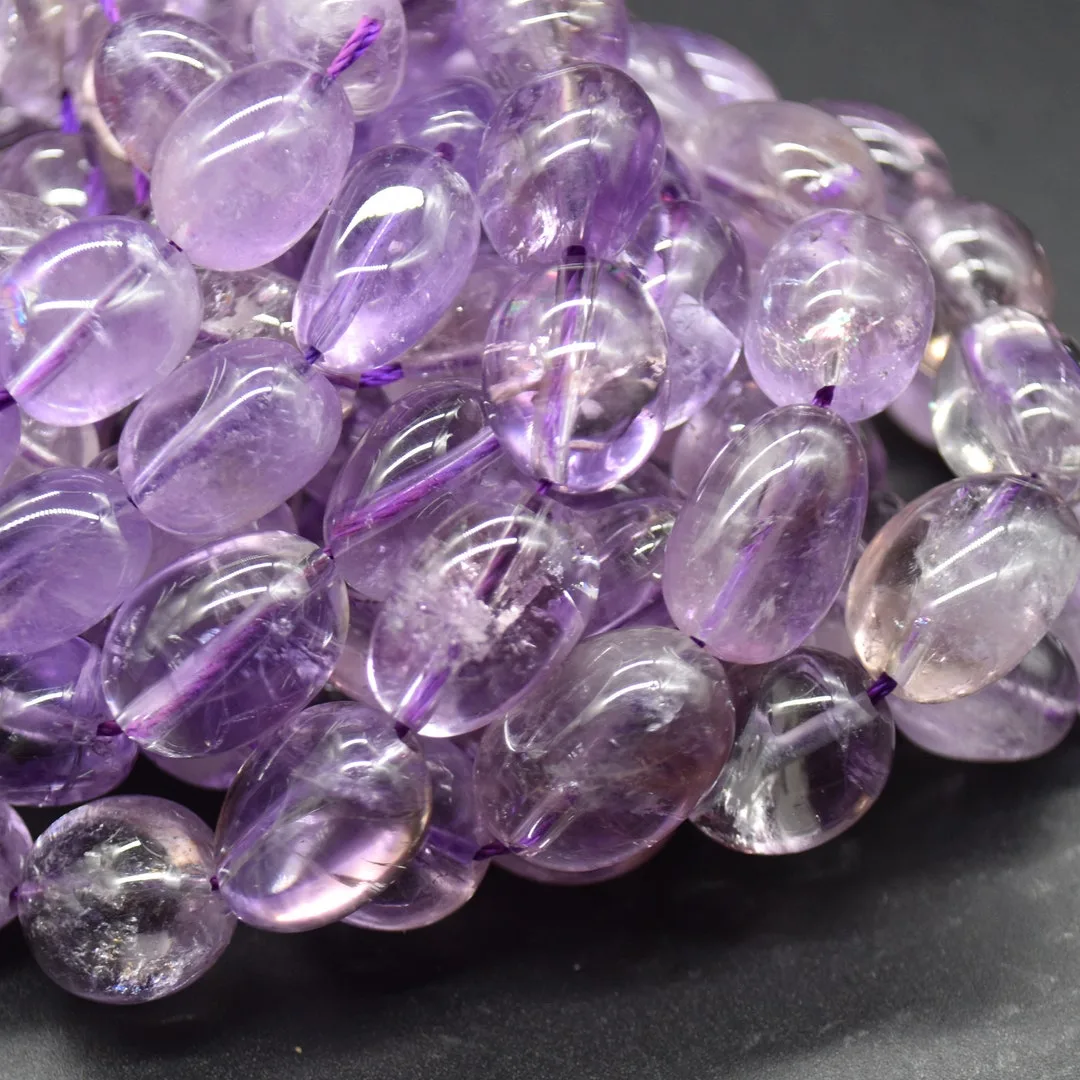
Authentic lepidolite isn’t just one shade of purple. It displays complex color variations across its surface. We call this natural zoning.
Look for gradients from pale lilac to deep mauve. These shifts happen gradually, not abruptly. Dye tends to sit uniformly everywhere.
The texture should resemble stacked books. Individual flakes peel away easily from the main mass. This flexibility is key to identifying true mica.
Real sheets are incredibly thin, often less than 0.1mm. They bend without snapping immediately. Brittle behavior suggests a different material altogether.
Surface luster matters significantly here. Genuine lepidolite has a pearly to vitreous shine. It reflects light softly, not like a mirror.
Check for inclusions within the crystal structure. Tiny specks of quartz or black tourmaline are common. Perfect clarity often indicates synthetic production.
The edges of natural flakes are irregular. They follow the crystal’s cleavage planes precisely. Machine-cut imitations have straight, uniform borders.
Color depth varies with thickness. Thicker areas appear darker purple. Thin sections look almost translucent white or pink.
These optical properties stem from manganese content. Higher manganese creates deeper violet hues. Lower amounts yield pastel pinks.
No two natural specimens look exactly alike. Repetition in appearance signals mass-produced fakes. Uniqueness is a hallmark of geology.
Image source: Web (Bing) / foresight.group (Web image (fair-use with source credit))
Step-by-Step Inspection: How to Check Texture, Luster, and Cleavage
Start by examining the overall shape. Natural crystals grow in hexagonal plates. Irregular masses suggest processing or breaking.
Next, look at the layer separation. Try gently lifting a corner with a fingernail. Real mica separates into clean, flat pages.
If the material crumbles or powders, it’s likely fake. True lepidolite holds together firmly until peeled. Weak cohesion points to resin binders.
Assess the luster under direct sunlight. Rotate the stone slowly to watch reflections. Pearly sheen moves smoothly across the surface.
Harsh, static glare indicates plastic or glass coatings. Natural minerals interact dynamically with light sources. Watch for rainbow effects in thin flakes.
Inspect the edges for dye concentration. Darker rims often mean artificial coloring. Natural pigment distributes evenly throughout the volume.
Use a magnifying glass if available. Look for tiny bubbles trapped inside. Resin casts always contain voids from mixing.
Brush marks on the surface reveal painting. Acrylic coats leave visible stroke patterns. Crystals form atomically smooth faces naturally.
Test flexibility carefully on loose flakes. Bend a thin piece slightly. It should spring back or fold without cracking.
Snap-prone materials are probably dyed glass or stone. Mica’s atomic structure allows elastic deformation. This physical trait is difficult to counterfeit.
Finally, check for matrix attachment. Raw specimens often retain host rock. Cleaned-up pieces may hide treatment evidence.
| Feature | Real Lepidolite | Fake/Dyed Imitation |
|---|---|---|
| Color Distribution | Gradual zoning, varying shades | Uniform, flat saturation |
| Edge Appearance | Irregular cleavage lines | Sharp, cut, or bleeding dye |
| Flexibility | Bends without breaking | Snaps or chips easily |
| Luster | Soft pearly glow | Harsh reflective gloss |
| Inclusions | Quartz, tourmaline specks | Air bubbles, brush strokes |
Red Flags in Photos: Identifying Dyed Muscovite and Painted Quartz
Online listings rely heavily on photography. Sellers manipulate angles and lighting to enhance appeal. You must read between the pixels.
Watch out for overly saturated colors. Digital filters boost vibrancy unrealistically. Natural lepidolite rarely looks neon purple.
Dyed muscovite is a common substitute. Clear silver mica gets stained purple. The dye settles into cracks disproportionately.
Look for dark veins running through the stone. These indicate capillary action of liquid color. Natural formation doesn’t work this way.
Painted quartz presents different challenges. Coatings sit on top of the substrate. Scratches reveal the white base underneath.
Check reflection highlights carefully. Painted surfaces show specular reflections. Natural mica diffuses light more softly.
Macro images can hide flaws. Zoom out to see the whole specimen. Uniformity across large areas is suspicious.
Shadows tell truth about texture. Flat lighting erases depth perception. Ask for side-lit photos if possible.
Seller disclaimers matter immensely. Terms like "treated," "enhanced," or "dyed" are crucial. Absence of disclosure raises red flags.
Compare multiple angles if provided. Consistency in appearance validates authenticity. Drastic changes suggest digital manipulation.
Background clutter distracts viewers. Focus solely on the mineral itself. Ignore staging props or decorative elements.
Price discrepancies hint at fraud. Genuine gem-grade lepidolite costs more. Bargain bins often hold treated goods.
Trust your gut feeling about visuals. Something feels off? It probably is.
Verification beats assumption every time.
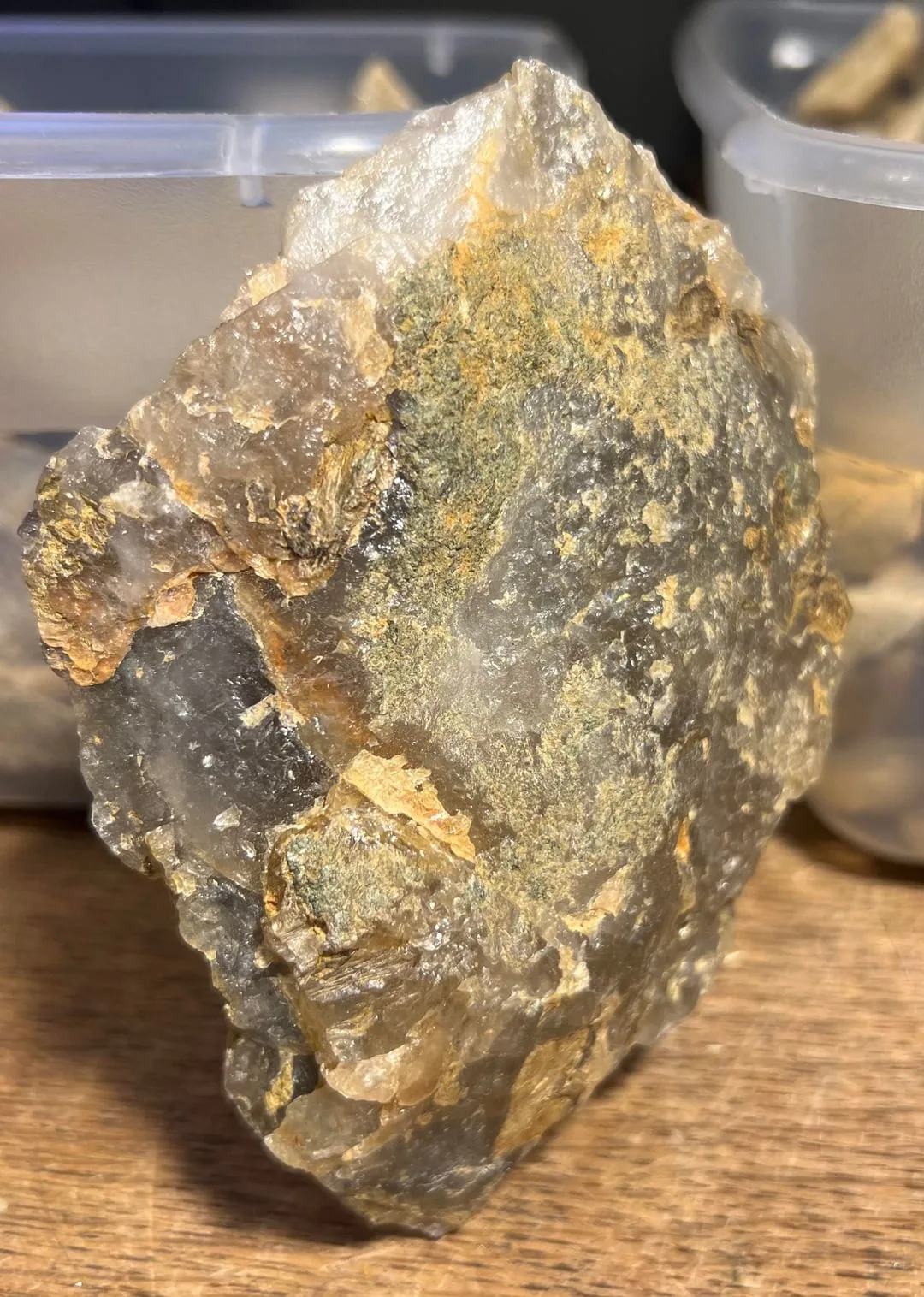
Image source: Web (Bing) / reddit.com (Web image (fair-use with source credit))
Common Visual Traps That Fool Even Experienced Collectors
Lighting tricks play a major role here. Backlighting makes opaque stones seem translucent. Always request front-lit views too.
Wet surfaces enhance color depth temporarily. Dry the sample mentally before judging. Water fills micro-cracks artificially.
Angle deception hides structural weaknesses. Photographers tilt stones to mask brittleness. Request top-down perspectives as well.
Scale confusion occurs without reference objects. Include a coin or ruler in shots. Size affects perceived quality and price.
Selection bias favors best-looking pieces. Sellers showcase prime examples only. General inventory may differ significantly.
Post-processing edits alter reality drastically. Contrast boosts exaggerate natural features. Saturation adjustments create false hues.
Reflections obscure surface details. Glare spots hide paint imperfections. Matte finishes reduce this issue visibly.
Composite images stitch multiple photos together. Seamless joints don’t exist in nature. Look for mismatched shadow directions.
Staging with other minerals misleads buyers. Associated quartz implies natural occurrence. Verify provenance documents independently.
Time-of-day lighting changes appearances. Noon sun differs from evening lamp. Standardize comparison conditions whenever possible.
Memory errors distort expectation recall. Past experiences influence current judgment. Approach each new item objectively.
Confirmation bias seeks validating evidence. Ignore contradictory visual data initially. Actively hunt for disproving signs instead.

Image source: Web (Bing) / pinterest.com (Web image (fair-use with source credit))
Practical Verification Tests You Can Do Without Special Equipment
You don’t need a lab to verify authenticity. Simple household items reveal much about mineral composition. Start with the water drop test on raw surfaces.
Place a single drop of water on an unpolished area. Watch how it behaves for thirty seconds. Genuine lepidolite is hydrophobic, so the bead stays round.
Dyed muscovite often absorbs moisture quickly. The color may bleed into the droplet or spread along cracks. This indicates artificial pigment sitting on the surface rather than within the crystal lattice.
Next, try the acetone swab method carefully. Dip a cotton bud in nail polish remover containing acetone. Rub it gently on an inconspicuous spot of painted quartz.
If purple residue appears on the cotton, you’ve found paint. Natural minerals do not dissolve or smear under mild solvents. This test exposes acrylic or epoxy coatings instantly.
Consider the heat sensitivity check for resin casts. Hold the stone near a warm light source for a minute. Plastic composites may emit a faint chemical odor when heated.
Real mica remains odorless and stable at room temperatures. Any synthetic smell suggests polymer binding agents used in fake sheets. Trust your nose as a secondary detector here.
Finally, inspect the fracture pattern if damage exists. Breakage in true lepidolite follows cleavage planes. It splits into flat, shiny surfaces.
Conchoidal fractures indicate glass or hardened resin. These curved break lines lack the geometric precision of natural crystals. Document any such findings before making purchase decisions.
When to Walk Away: Pricing and Seller Behavior Clues
Price serves as a strong initial filter for quality. Wholesale rates for gem-grade lepidolite hover around $15 to $40 per pound as of 2026.
Listings priced below $5 per pound usually signal dyed substitutes. Low-cost suppliers bulk-process cheap muscovite to meet demand. Expect significant visual compromises at these tiers.
Analyze seller transparency regarding treatments. Reputable dealers explicitly state "dyed" or "enhanced" in titles. Vague descriptions like "natural purple stone" raise suspicion.
Ask direct questions about origin and processing. If responses are delayed or evasive, proceed with caution. Honest vendors provide photos of matrix rock and untreated edges upon request.
Review return policies closely before buying online. Strict no-return rules often accompany questionable inventory. Flexible refund options suggest confidence in product accuracy.
Check feedback history for mentions of fading colors. Multiple complaints about dye washing off indicate systemic issues. One-off negatives might be shipping errors, but patterns matter.
Look for professional photography standards. Blurry or heavily filtered images hide defects. Clear, well-lit shots allow proper visual assessment without guesswork.
Avoid sellers who refuse to show underside views. Coatings often cover only visible faces. Inspecting the back reveals base material truthfully.
Trust established platforms with buyer protection programs. Third-party escrow services add security for high-value transactions. Personal transfers offer zero recourse against misrepresentation.
FAQ: Quick Answers on Handling, Cleaning, and Authenticity Doubts
How do I clean real lepidolite safely?
Use lukewarm water and a soft brush only. Avoid ultrasonic cleaners or steam jets. Mica’s perfect basal cleavage means vibrations can split layers unintentionally.
Pat dry immediately to prevent water spotting on polished surfaces. Never use harsh chemicals or abrasives that strip natural luster.
Does lepidolite fade in sunlight?
Natural lepidolite does not fade significantly over time. However, dyed imitations often lose vibrancy quickly. UV exposure breaks down organic pigments used in staining.
Store suspect pieces in dark boxes if preservation matters. Genuine manganese-induced color remains stable indefinitely under normal conditions.
Can I wear lepidolite jewelry daily?
Yes, but protect it from impacts. With a Mohs hardness of 2.5 to 3, it scratches easily. Remove rings during manual labor or exercise.
Silver settings help cushion the stone slightly. Regular inspection ensures prongs remain tight against brittle flakes. Consider pendant designs over bracelets for better durability.
Why does my lepidolite look different in photos?
Lighting angles drastically alter perceived color intensity. Direct flash creates harsh glare masking texture. Diffused natural light shows true zoning best.
Camera sensors also saturate purples differently than eyes. Always compare multiple lighting scenarios before judging hue consistency. Request video clips for dynamic perspective checks.

Similar Posts