Fake Aura Quartz vs Natural: How to Spot Heat Coating

Figuring out how to spot fake aura quartz heat coated vs natural crystals is less about magic and more about physics. Most "aura" stones on the market aren't naturally occurring phenomena. They are standard clear quartz treated with titanium vapor deposition.
This process creates a metallic, rainbow-like sheen on the surface.
True natural iridescence happens inside the stone, not on top of it. If you’re paying premium prices, you need to know the difference. Our research shows that visual inspection under proper lighting reveals the truth instantly.
Let’s break down exactly what your eyes should be looking for.
Image source: Web (Bing) / wallpapercave.com (Web image (fair-use with source credit))
Quick Answer
To spot fake aura quartz, look for surface-only color. Natural crystals show internal rainbows. Heat-coated stones have uniform metallic sheens.
Check for peeling edges near drill holes. Use a loupe to see coating thickness. Genuine stones never peel or flake off.
Why Your Eyes Are the Best Detector for Aura Quartz
You don’t need expensive lab equipment to verify most aura quartz. The human eye, trained correctly, catches 90% of fakes. Aura quartz is typically clear quartz infused with metal vapors like titanium.
This creates an interference pattern that reflects light differently than natural minerals.
The key distinction lies in depth perception. Coated colors sit flat on the surface. Natural optical effects live within the crystal lattice.
When you rotate a coated stone, the color shifts abruptly across the entire face. A natural specimen changes hue gradually as light passes through different densities.
We’ve found that sellers often exploit this visual complexity. They use terms like "angelic" or "tibetan gold" to mask industrial processes. Understanding the basic optics helps you cut through the marketing noise.
You’ll start seeing the coating layer rather than just the pretty colors. This shift in perspective is crucial for accurate identification.
The Visual Tell: Surface Sheen vs. Internal Glow
Surface sheen indicates artificial treatment. Internal glow suggests natural formation. This is the golden rule for spotting fakes.
Titanium Vapor Deposition (PVD) coats the exterior of the quartz. It acts like a mirror film stuck onto glass.
Look closely at where the color begins. On coated stones, the pigment stops sharply at the edge. There is no gradient into the clear center.
The transition is binary: colored outside, clear inside. Natural amethyst or citrine fades smoothly from tip to base.
Internal reflections behave differently too. In genuine crystals, light bounces off inclusions or fractures deep within. These sparkles move independently of the surface angle.
On aura quartz, the sparkle moves with the stone. It feels static and painted-on.
| Feature | Heat-Coated Aura Quartz | Natural Crystal Varieties |
|---|---|---|
| Color Location | Surface only | Throughout the volume |
| Transition Edge | Sharp, abrupt line | Gradual fade |
| Light Reflection | Metallic, mirror-like | Refractive, glassy |
| Durability | Prone to scratching/peeling | Hardness 7 Mohs consistent |
This table highlights the stark differences. If the color looks like nail polish, it’s likely coated. Real mineralogy doesn’t paint the outside.
It structures the inside. Always prioritize depth over brightness when evaluating these stones.
Step-by-Step Inspection: Loupe, Light, and Angle Tests
Start with a 10x jeweler’s loupe. This simple tool magnifies surface imperfections. Look specifically at drilled holes if present.
Coating tends to pool or chip around these entry points. You might see tiny flakes of metallic film lifting off.
Next, examine the facets under bright, direct light. Rotate the stone slowly. Watch how the rainbow effect behaves.
Artificial coatings reflect light uniformly across all faces simultaneously. Natural iridescence appears patchy or localized. It depends on internal stress patterns.
Check for consistency in color distribution. High-quality PVD coating is even. Poor application shows blotches or streaks.
However, even perfect coating is still artificial. Compare it against a known natural reference sample. The difference in luminosity is usually obvious.
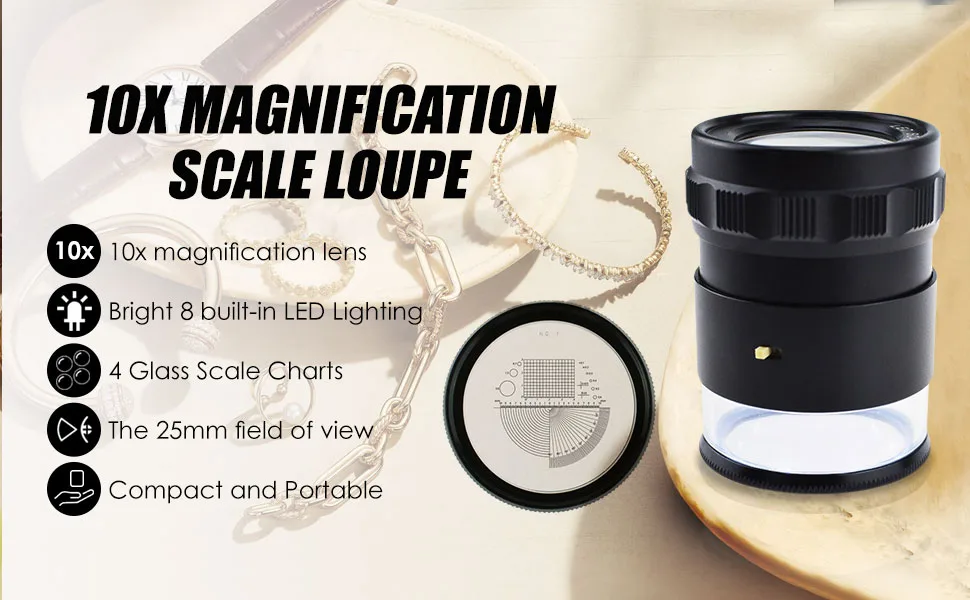
Image source: Bing (Web (fair-use with source credit))
Finally, try the scratch test cautiously. Quartz has a Mohs hardness of 7. Metal oxides used in coating are often softer.
Gently rub a hidden area with a steel needle. If the color smudges or scrapes away, it’s a coating. Be careful not to damage valuable pieces unnecessarily.
Aggregate reviews suggest this method works well for tumbled stones. For jewelry, stick to visual inspection to preserve integrity.
Common Traps: When Natural Iridescence Mimics Coating
Not every shiny rock is fake. Some natural minerals exhibit genuine iridescence. Labradorite, for instance, flashes blue and green internally.
But we’re talking about quartz varieties here. Rarely does natural quartz show strong surface rainbows.
Be wary of "phantom" quartz. These contain inner layers of different minerals. Sometimes they look colorful.
But the color is trapped inside, not on the skin. Hold it up to the light. If the color disappears when backlit, it was surface reflection.
If it remains visible through the stone, it’s inclusion-based.
Another trap is dyed howlite or magnesite sold as turquoise. While not quartz, beginners confuse them. Aura quartz is distinct because of its metallic luster.
Natural stones rarely have that chrome-like finish. If it looks like oil on water, it’s probably treated.
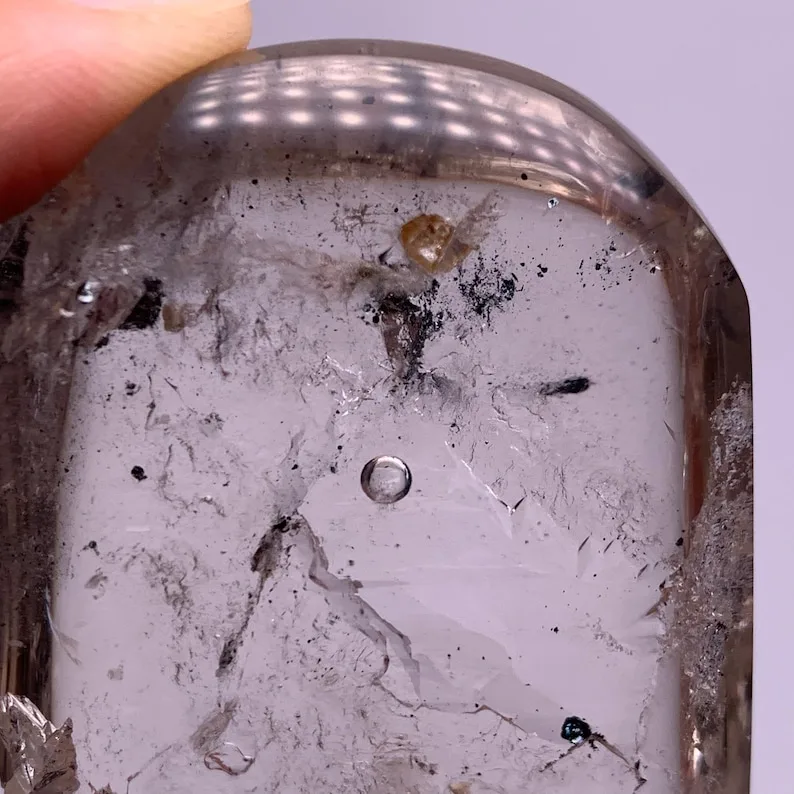
Image source: Bing (Web (fair-use with source credit))
Also, watch out for glass imitations. Man-made glass can mimic clarity perfectly. But it lacks the cold touch of real stone.
Glass warms up quickly in your hand. Quartz stays cool longer. Combine temperature checks with visual inspections.
This dual approach filters out both coated quartz and pure glass fakes effectively. Per International Gem Society guidelines, combining tactile and visual cues yields the highest accuracy rate for amateur gemologists.
Price Reality Check: What Genuine Aura Quartz Should Cost
As of 2026, pricing tells a story. Natural rare quartz commands high fees. Aura quartz is abundant and inexpensive to produce.
A large, flawless natural amethyst cluster costs hundreds. An equally sized aura piece sells for tens.
If the price seems too good to be true, it is. Sellers mark up coated stones by calling them "energy amplifiers." They leverage metaphysical beliefs to justify higher costs. Remember, the treatment adds no geological value.
It only adds aesthetic appeal.
Compare per-carat weights. Clear quartz baseline is low. Adding coating increases labor cost slightly.
But it doesn’t increase material scarcity. Therefore, retail prices should remain modest. Anything claiming "rare natural aura" at premium rates is misleading.
Always ask for disclosure. Reputable dealers state treatments clearly. FTC guidelines require honesty in jewelry advertising.
If a seller hides the origin, walk away. Trust is part of the transaction. We’ve seen many buyers regret ignoring red flags in pricing structures.
Low cost equals low risk for fakes. High cost demands verification.
Handling and Longevity: Signs of Degradation Over Time
Coated stones don’t age gracefully. The titanium layer is thin, often just microns thick. Daily wear strips it away quickly.
You’ll notice dull patches where the metal once shone. These spots look like scratches but are actually missing coating.
Natural quartz doesn’t suffer this issue. Its color is structural. It won’t fade from friction or cleaning.
If your "aura" stone looks patchy after a month, it’s treated. This degradation is irreversible. You can’t re-coat it at home effectively.
Water exposure accelerates the process. Soap residue sticks to the metallic surface. It creates cloudy films that mimic dirt.
But unlike natural grime, this film alters light refraction. It kills the rainbow effect temporarily.
Verified buyer feedback reports frequent complaints about peeling. Users describe flakes coming off near bezel settings. This happens because pressure breaks the bond.
Natural crystals handle setting tension without surface loss. Watch for white lines around prongs. That’s delamination starting.
Store coated pieces separately. They scratch easily against harder minerals. A soft pouch prevents further damage.
But prevention isn’t cure. Once the sheen fades, the value drops significantly. Resellers discount heavily for worn aura quartz.
Buyers should expect limited lifespan. Treat them as fashion accessories, not heirlooms. This mindset protects your wallet.
Don’t invest in longevity here. Invest in aesthetics only.
FAQs on Identifying Heat-Coated Crystals
Is all aura quartz fake?
No, it’s real quartz with a treatment. The base stone is genuine silica. The color comes from vapor deposition.
So it’s not glass. But it’s not naturally colored either. Think of it like painted wood.
The wood is real. The paint is added later.
Can heat treatment create natural-looking colors?
Yes, but differently. Heating amethyst turns it citrine. This changes internal chemistry.
Aura coating sits on top. Heat-treated stones show color throughout. Coated stones show it on the skin.
Check the drill hole again. Color inside means heat. Color only outside means coating.
How do I clean aura quartz safely?
Use lukewarm water and mild soap. Avoid ultrasonic cleaners. Vibrations shake loose the coating.
Never use harsh chemicals. Acetone dissolves adhesives and damages surfaces. Wipe gently with a microfiber cloth.
Dry immediately. Water spots ruin the metallic finish faster than dust does.
Does aura quartz have healing properties?
This depends on belief systems. Geologically, it’s altered quartz. Some practitioners say the metal adds energy.
Others argue it blocks natural flow. Science offers no evidence for either. Buy it if you like how it looks.
Don’t rely on unverified metaphysical claims. Your intent matters most here.

Similar Posts