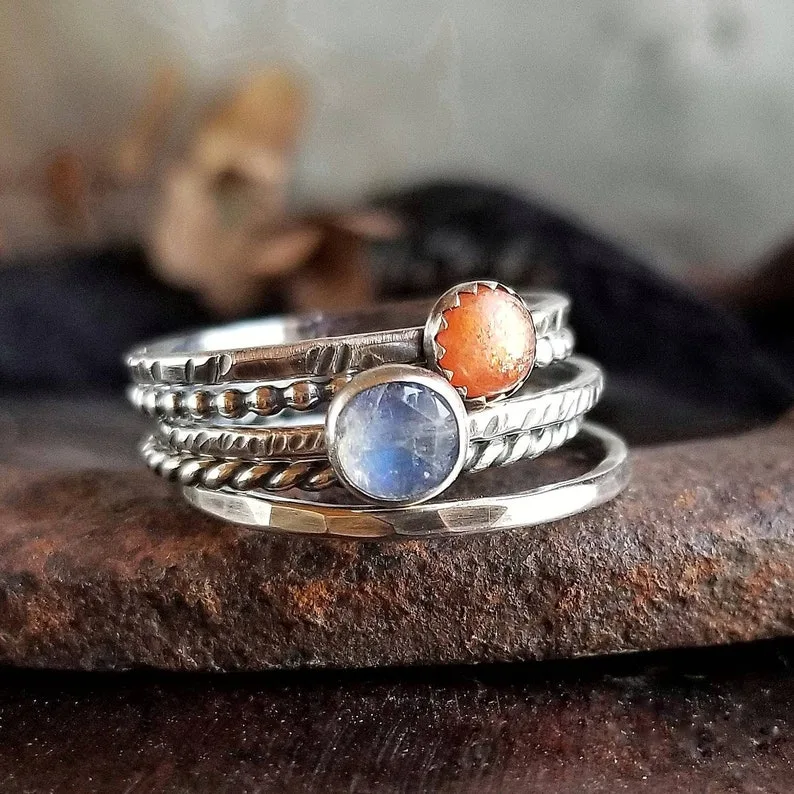
Fake vs Real Labradorite: Check the Schiller Effect
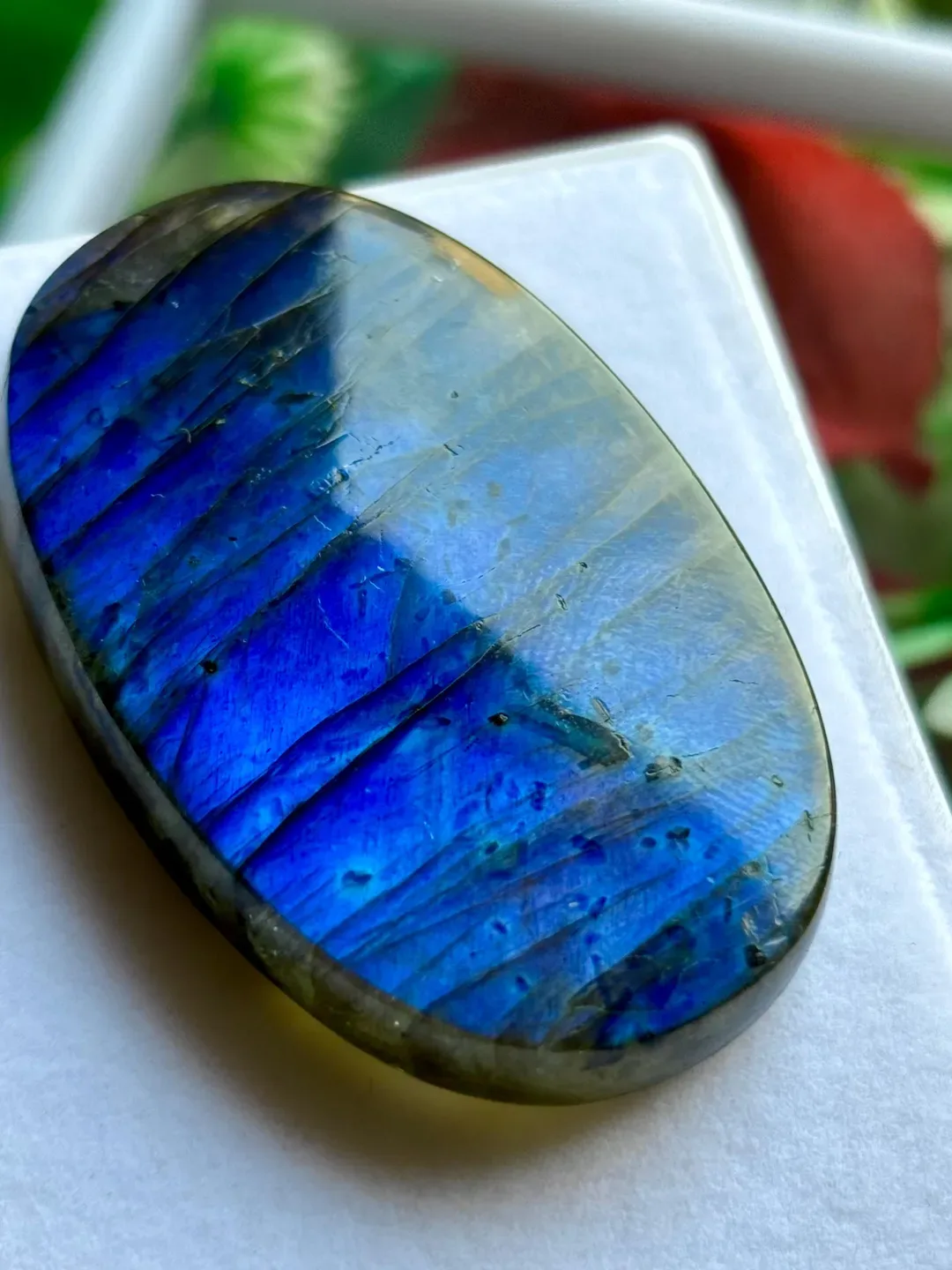
Spotting a fake labradorite vs real schiller effect labradorescence check starts with understanding light behavior. Genuine stones display dynamic color shifts as you rotate them. Fakes often look static or painted on the surface.
Real labradorite is a plagioclase feldspar mineral known for its iridescence. This optical phenomenon arises from internal layer structures, not surface coatings. As of 2026, synthetic imitations remain prevalent in tourist markets and online bulk sellers.
We’ll break down exactly what your eyes need to catch.
Why Your Eyes Are Lying to You About Labradorescence
Our brains expect shiny objects to reflect light uniformly. Labradorite breaks this rule completely. The stone doesn’t just reflect light; it scatters specific wavelengths through interference patterns inside the crystal lattice.
This creates the signature blue, green, or gold flash.
When you see a "perfect" rainbow sheen that stays fixed regardless of angle, your brain flags it as attractive. But geologically, that stability is suspicious. Natural exsolution lamellae (microscopic layers) interact with light dynamically.
They require a specific angle of incidence to reveal their colors.
Fake materials mimic the color but fail the physics. Glass or resin casts might have glitter mixed in. Dyed howlite absorbs pigment into pores.
Neither replicates the thin-film interference mechanism. So, when you tilt a real stone, the flash moves across the surface like liquid metal. A fake usually glows evenly or shows no movement at all.
Trust the motion, not just the hue.
The Physics of the Flash: Real vs. Painted-on Illusions
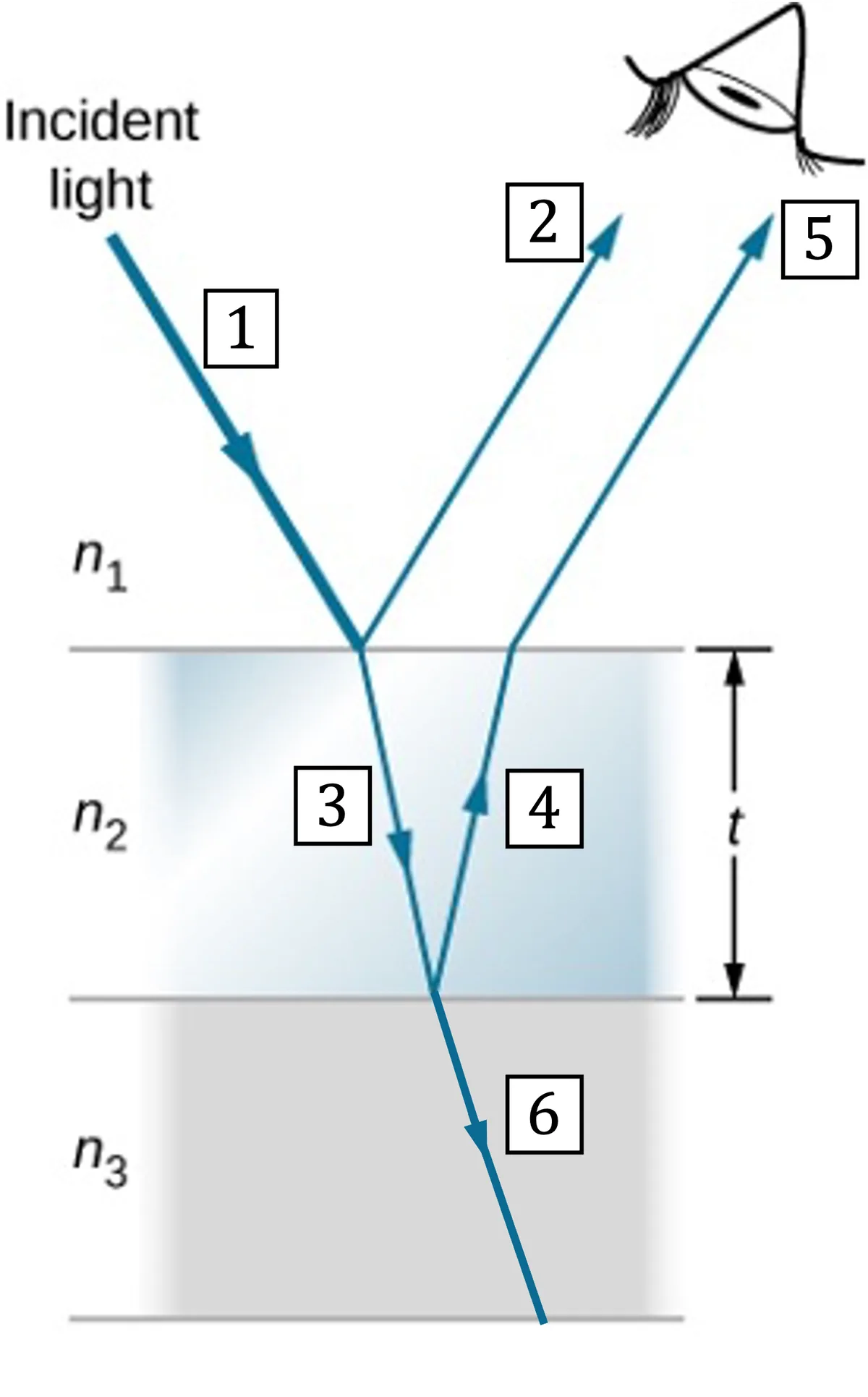
Labradorescence occurs due to thin-film interference within parallel layers of sodium-rich and calcium-rich feldspar. These layers form during cooling when the mineral separates into distinct phases. Light waves reflecting off these microscopic interfaces interfere constructively or destructively.
This selects specific wavelengths (colors) to bounce back to your eye.
The spacing between these layers determines the color. Wider gaps produce reds and yellows. Narrower gaps yield blues and greens.
Since natural cooling rates vary, the layer thickness isn't uniform across a single stone. This causes the flash to shift dramatically as the viewing angle changes.
Imitations lack this internal architecture. Surface coatings sit on top of the substrate. They don’t interact with light via interference.
Instead, they rely on pigments or metallic flakes. Pigments absorb certain wavelengths and reflect others statically. Metallic flakes scatter light diffusely.
Neither method creates the coherent wave interaction needed for true labradorescence. Consequently, fakes appear flat under diffuse lighting. They only "pop" under direct, harsh spots, mimicking reflection rather than refraction.
Step-by-Step Visual Inspection Protocol
You don’t need expensive gemological tools to spot most fakes. A strong flashlight and a steady hand suffice. Follow this sequence to verify authenticity quickly.
Check 1: The Rotation Test for Dynamic Movement
Hold the stone under a focused beam of white light. Slowly rotate it along its vertical axis. Watch the flash closely.
In genuine labradorite, the colored band will slide across the surface. It might disappear entirely at certain angles before reappearing. This movement proves the light is interacting with internal planes.
If the color remains stationary while you turn the stone, it’s likely a surface treatment. If the entire stone glows uniformly without a distinct moving band, suspect glass or plastic. Real labradorescence is directional.
It lives in specific zones, not everywhere.
Check 2: Angle Dependency and Light Source Quality
Change your light source. Move from direct sunlight to indoor ambient lighting. Natural labradorite looks dull grey or black under low light.
The flash vanishes almost completely. This is normal. It means the interference condition isn’t met.
Fakes often retain some visibility under poor light because pigments don’t require precise angles. If your "labradorite" still shows vibrant rainbows in dim rooms, be wary. True schiller is elusive.
It hides until caught by the right ray.
Check 3: Surface Texture and Depth Perception
Use a loupe (10x magnification) to examine the polished surface. Look for tiny bubbles or swirl marks. These indicate cast glass or resin.
Natural stone may have minor scratches or etching from polishing, but never spherical air pockets.
Also, assess depth. Real flash appears to come from inside the stone. It feels three-dimensional.
Coatings sit on the surface. They look two-dimensional, like paint on canvas. Tilt the stone to see if the color seems to float above the base material.
That separation is a major red flag.
Spotting the Fakes: Glass, Resin, and Dyed Howlite
Three main counterfeit types dominate the market. Each fails different physical tests. Knowing their signatures helps you rule them out fast.
Glass imitations are heavy and cold to the touch. They often contain visible flow lines or bubbles. Under UV light, some glasses fluoresce brightly, unlike natural feldspar.
However, high-quality glass can mimic transparency well. Always check for the rotation test failure mentioned earlier.
Resin or plastic casts feel lighter and warmer. They scratch easily with a steel needle (test on an inconspicuous area). Resins sometimes yellow over time.
They lack the brittle fracture pattern of minerals. Instead, they dent or chip softly.
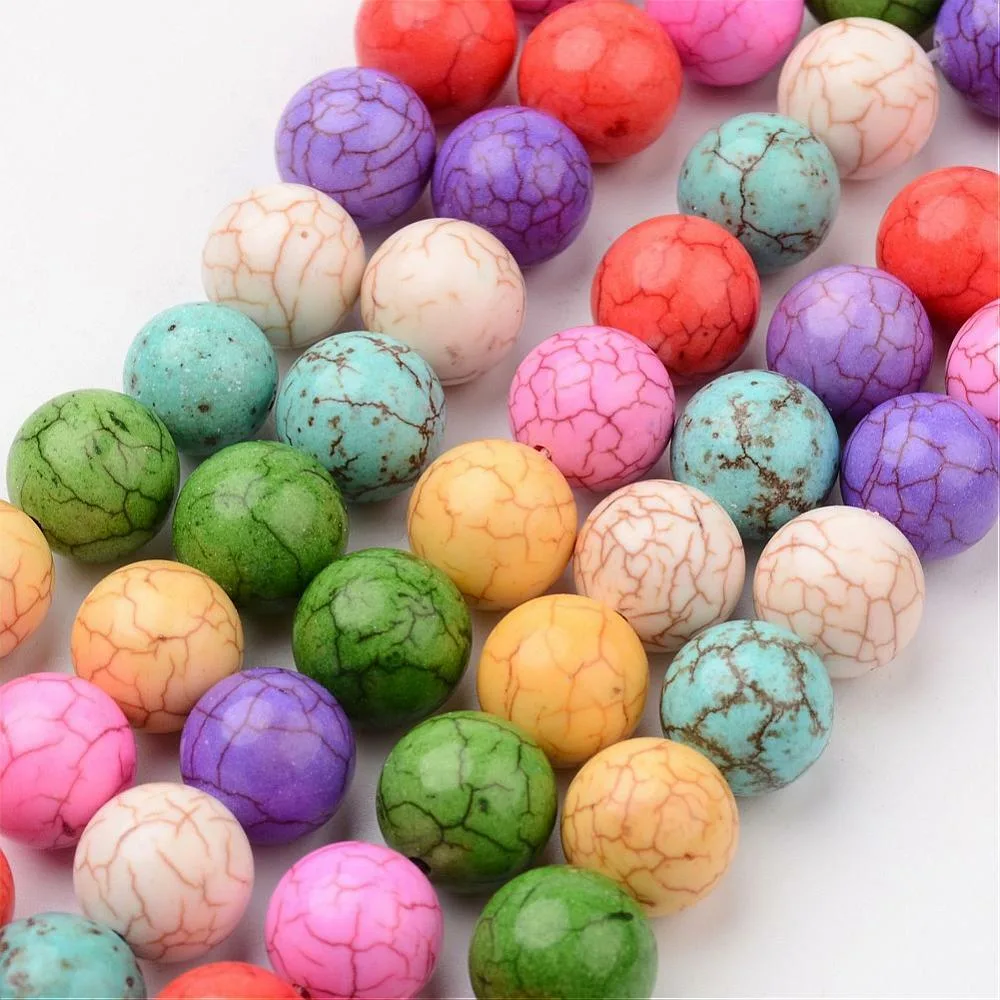
Dyed howlite is the trickiest. Howlite is a porous white mineral. Sellers soak it in blue or purple dye to mimic labradorite.
The color concentrates in cracks and veins. Use a cotton swab with acetone or alcohol. Rub gently on a hidden spot.
If dye transfers to the swab, it’s fake. Real labradorite won’t bleed color because the hue comes from structure, not pigment.
Common Visual Traps That Fool Even Experienced Buyers
Buyers often confuse spectrolite with regular labradorite. Spectrolite is a premium variety from Finland. It displays intense reds, violets, and oranges alongside blues.
Because the colors are so vivid, people assume any bright stone must be fake. But genuine spectrolite passes the rotation test perfectly. Don’t dismiss high-color stones automatically.
Verify the movement first.
Another trap is "rainbow labradorite" sold cheaply online. Many vendors label dyed magnesite or howlite as rainbow labradorite. The term itself isn’t protected.
Always demand video evidence of the stone rotating under light. Static photos hide the lack of dynamic flash. If a seller refuses video, walk away.
Finally, beware of polished slabs with artificial backing. Some dealers glue thin slices of low-grade labradorite onto fiberglass or resin boards. The front face is real, but the structural integrity is compromised.
Tap the slab. A hollow sound suggests lamination. Solid stone rings with a clearer, denser tone.
This matters for jewelry durability. Glued pieces delaminate with sweat or heat.
| Feature | Genuine Labradorite | Glass/Resin Fake | Dyed Howlite/Magnesite |
|---|---|---|---|
| Flash Movement | Slides across surface when rotated | Static or uniform glow | Static pigment saturation |
| Light Interaction | Vanishes in diffuse light | Visible under all lights | Visible under all lights |
| Surface Feel | Cool, hard, vitreous luster | Warm (plastic) or very cold (glass) | Chalky or waxy |
| UV Reaction | Usually inert or weak | Often fluorescent | May show dye fluorescence |
| Solvent Test | No reaction | No reaction | Dye bleeds on swab |
Quick Reference Guide: Genuine Traits vs. Counterfeit Signs
You’ve got the physics down. Now let’s simplify it into a cheat sheet for your next purchase. This table cuts through the noise so you can decide in seconds, not minutes.
| Indicator | Real Labradorite | Fake / Treated Stone |
|---|---|---|
| Flash Behavior | Moves smoothly when tilted | Stays static or flickers unnaturally |
| Color Depth | Appears inside the stone | Sits on the surface like paint |
| Temperature | Feels cool to the touch | Plastic feels warm; glass feels cold but heavy |
| Hardness Test | Scratches glass (Mohs 6–6.5) | Glass scratches steel; resin dents easily |
| Inclusions | Natural fractures, mineral veins | Air bubbles, swirl marks, dye pooling |
Remember that genuine labradorescence relies on internal layering. If the color looks glued on, it probably is. Aggregate reviews from major gemstone forums highlight that price is often the biggest giveaway.
Real stones with strong blue flash rarely sell for under $10 per carat in loose bead form.
Be wary of "perfect" symmetry. Nature is messy. A stone with identical rainbow bands on every facet suggests machine manufacturing or coating.
Look for slight variations in intensity and direction. These imperfections are fingerprints of geological formation. They prove the stone wasn’t poured into a mold.
Also, check the backing if you’re buying jewelry. Setting adhesive can sometimes mask poor quality. A skilled jeweler will set high-grade material securely.
Cheap settings often hide low-grade or fake stones behind prongs. Inspect the underside whenever possible. You want to see solid mineral, not a hollow shell.
This guide works best when combined with the rotation test we discussed earlier. Use the visual cues here to confirm what your eyes saw during movement. Trust your instincts.
If something feels off, it usually is. Don’t let marketing terms like "premium grade" override basic physical checks.
Frequently Asked Questions
Can I damage real labradorite by cleaning it?
Yes, if you use harsh chemicals. Labradorite is a feldspar, which can react to acids. Stick to mild soap and lukewarm water.
Avoid ultrasonic cleaners, as vibrations can widen existing fractures. Steam cleaning is also risky because rapid temperature changes cause thermal shock. Gentle wiping with a soft cloth is safest.
Never soak porous matrix stones for long periods.
Why does my labradorite look grey without light?
That’s normal behavior for this mineral. The schiller effect depends entirely on thin-film interference. Without a direct light source hitting specific angles, the internal layers don’t reflect visible colors.
The base mineral is typically dark grey or black. This doesn’t mean the stone is fake. It just means the optical conditions aren’t met yet.
Move it into sunlight to see the true flash.
Is spectrolite just a branded version of labradorite?
No, it’s a distinct variety. Spectrolite comes specifically from Finland. It contains higher iron content, producing rare red and violet flashes alongside blue.
While chemically similar, its rarity commands a much higher price. Not all colorful labradorite is spectrolite. Be skeptical of sellers labeling generic Indian or Madagascan stones as "spectrolite." True spectrolite has provenance documentation.
How do I tell moonstone from labradorite?
Look at the light effect. Moonstone shows adularescence, a floating white or blue glow beneath the surface. It looks like fog rolling over a hill.
Labradorite shows sharp, metallic streaks of color that move distinctly. Moonstone is usually translucent to transparent. Labradorite is opaque to semi-translucent.
The flash style is the key differentiator. One glows softly; the other shines sharply.

Similar Posts