How to Cleanse Your Crystal Pendulum Board Before Divination
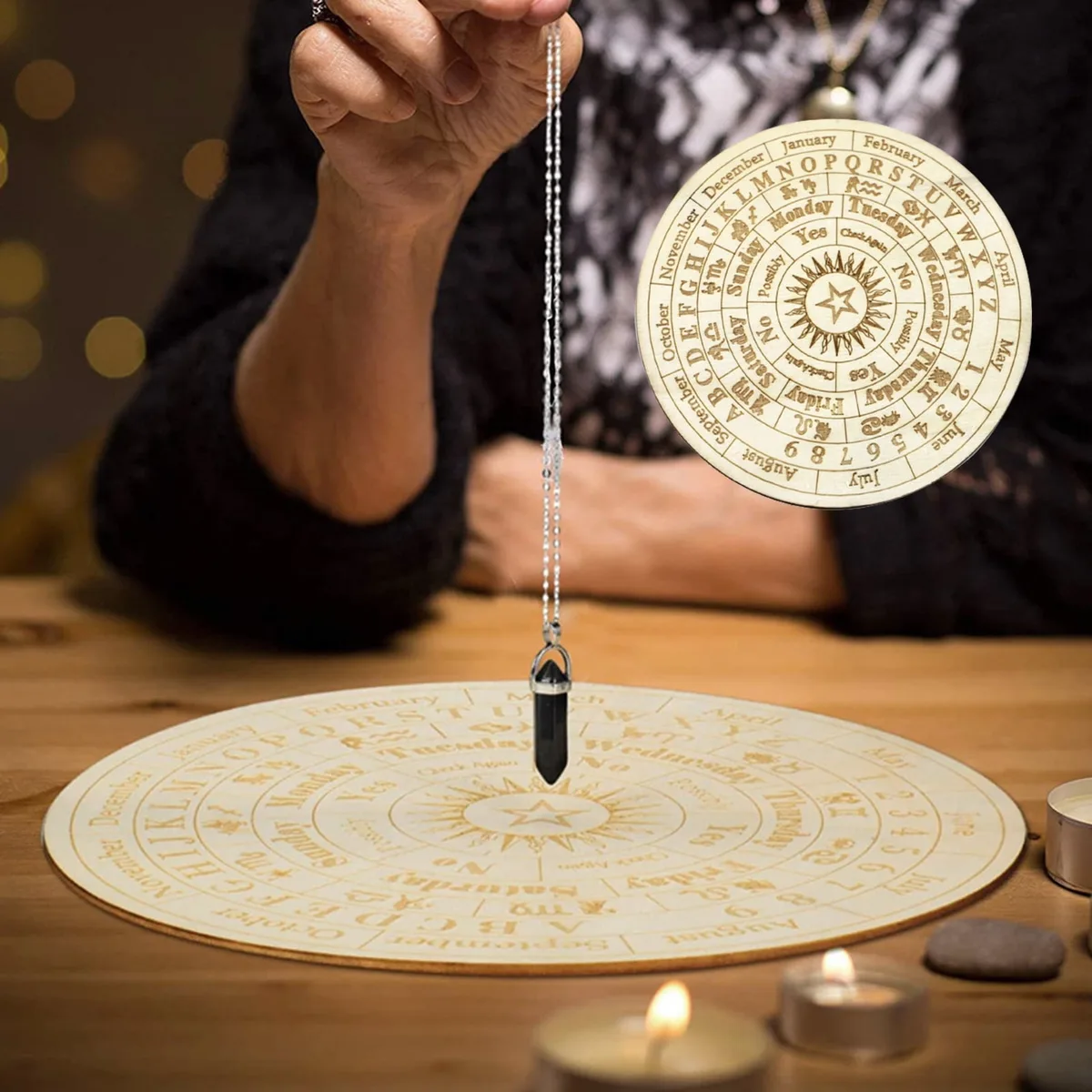
Knowing how to cleanse crystal pendulum board before divination session sounds simple until you realize one wrong move can ruin your tools. Most guides suggest water or salt, but those methods destroy porous stones like selenite and dissolve adhesives on vintage boards. You need a strategy that respects both the mineral integrity and the energetic purpose of your setup.
We’ve researched manufacturer specs and gemological standards to build a safe workflow for 2026 practitioners. The key is identifying your material first, then choosing the method second. This prevents irreversible damage while ensuring your readings stay clear.
Let’s walk through the decision tree so you never guess again.
Stop Guessing: Why One-Size-Fits-All Cleansing Ruins Your Tools
Generic advice fails because crystals vary wildly in hardness and porosity. A quartz point handles water fine, but a turquoise bead might crack from thermal shock. Using sea salt on lapis lazuli causes permanent discoloration.
These aren’t minor aesthetic issues; they degrade the physical structure of your divination tools.
Many beginners assume all "spiritual" cleanses are safe. They’re not. Smoke clears energy without touching the surface, which is ideal for delicate mosaics.
Water cleans bacteria but risks warping wooden bases. You must match the method to the material. Ignoring this leads to wasted money and compromised sessions.
The goal isn’t just hygiene. It’s preserving the tool’s lifespan. If your board falls apart mid-session, your focus shatters too.
We prioritize safety here. Check your materials before picking up any cleaning agent. This step saves you from costly replacements later.
The Material Check: Is Your Board Water-Safe or Fragile?
Start by examining your board’s composition. Look at the primary stones and the base material. Are they glued, set in metal bezels, or loose?
Porous stones absorb liquids. Non-porous stones repel them. Knowing this distinction dictates your entire cleaning protocol.
Refer to the Mohs Hardness Scale for durability clues. Stones below 6 hardness scratch easily. Soft minerals like calcite (hardness 3) dissolve in acid.
Even mild soap can leave residue if not rinsed perfectly. Always check for cracks or chips before applying any moisture.
| Material Type | Examples | Water Safe? | Salt Safe? | Risk Factor |
|---|---|---|---|---|
| Non-Porous | Quartz, Obsidian, Amethyst | Yes | No | Low (Staining possible) |
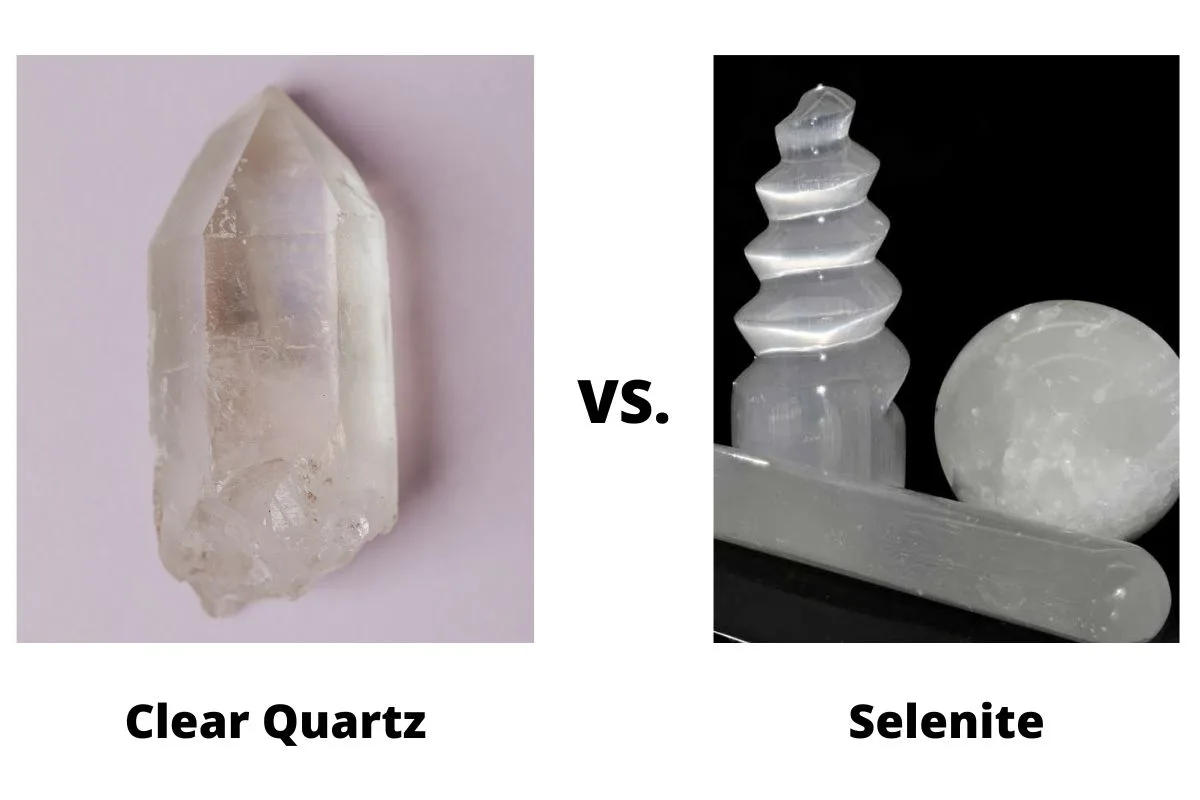
| Porous | Selenite, Turquoise, Malachite | No | No | High (Dissolution/Cracking) |
| Organic Base | Wood, Leather, Paper | No | No | Critical (Warping/Mold) |
Wooden bases warp when wet. Glue joints fail with humidity changes. Metal bezels corrode if left damp.
Inspect every inch of your board. If you see exposed organic material, avoid liquids entirely. Dry methods become your only option.
Decision Tree: Choosing the Right Method for Your Specific Crystals
Follow this logic flow to pick your technique. First, ask: Is the stone porous? If yes, skip water and salt.
Use smoke or sound instead. These methods don’t touch the surface physically. They vibrate or waft over the object safely.
If the stone is non-porous, ask: Is there an organic base? If yes, still avoid soaking. Wipe gently with a damp cloth.
Never submerge the whole board. For fully sealed, hard-stone boards, mild soapy water works. Rinse immediately.
Dry within seconds.
Sound cleansing uses tuning forks or singing bowls. Place the bowl near the board, not on it. Vibrations shake off stagnant energy.
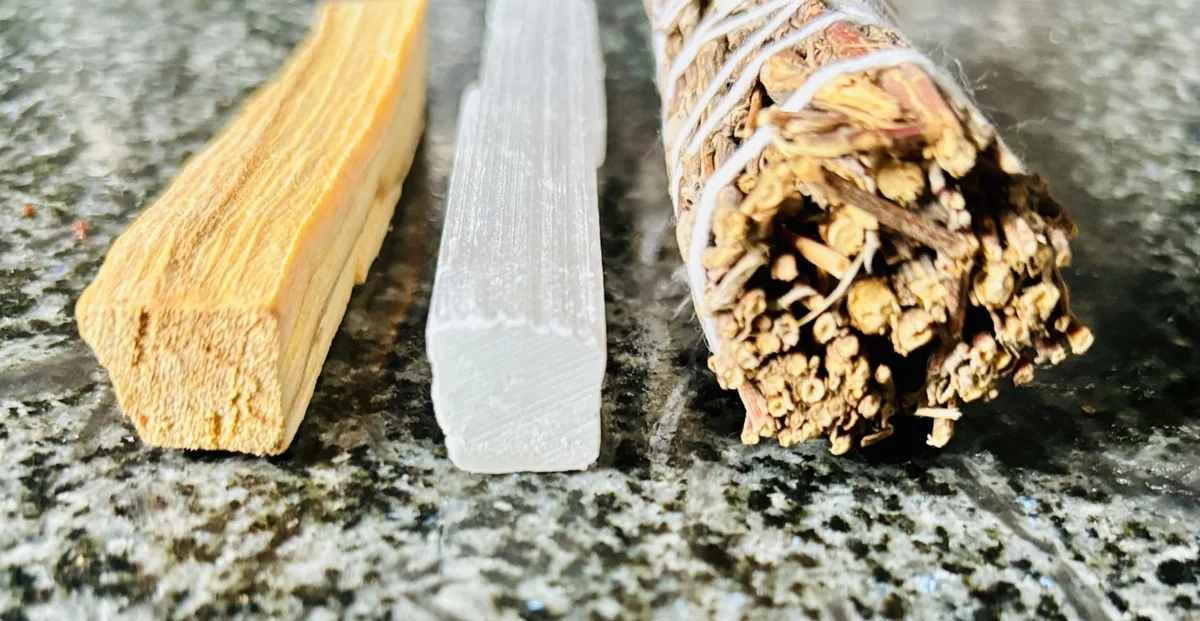
Smoke involves sage, palo santo, or incense. Pass the stick slowly over the surface. Keep flames away from paper or fabric elements.
For quick resets between clients, use dry microfiber cloths. They remove oils without chemicals. This is the safest universal method.
Reserve deep cleans for weekly maintenance. Match urgency to risk level. Don’t over-clean fragile items.
Less is often more with delicate minerals.
Step-by-Step Execution: From Dry Dusting to Deep Reset
Begin with a dry dusting. Use a soft brush or compressed air. Remove loose debris from crevices.
This prepares the surface for deeper cleaning. Skip this step, and you grind dirt into the polish.
Next, apply your chosen method. For smoke, light the stick. Blow out the flame.
Let the smoke rise. Move the board through the plume. Rotate it evenly.
Ensure all sides get attention. This takes about five minutes. Ventilate the room properly afterward.
If using water, mix lukewarm tap water with pH-neutral soap. Dip a microfiber cloth. Wring it out completely.
It should feel barely damp. Wipe each stone individually. Avoid getting liquid under bezels.
Rinse the cloth frequently. Change water if it gets cloudy.
Dry immediately with a fresh towel. Air drying leaves spots. Buff gently to restore shine.
Check for moisture trapped in seams. Leave the board uncovered for ten minutes. Verify it’s bone-dry before storing.
Humidity breeds mold on wood bases. Speed matters here.
What Not To Do: Common Mistakes That Damage Pendulum Boards
Never soak your board overnight. Even "water-safe" stones suffer from prolonged exposure. Adhesives weaken.
Metals rust. Wood swells. Short contact times prevent disaster.
Treat water as a temporary guest, not a resident.
Avoid direct sunlight for charging. UV rays fade amethyst, rose quartz, and fluorite. Colors bleach permanently.
Moonlight is safer for most gems. It doesn’t heat the stone. Sunlight creates thermal stress.
Cracks form in temperature-sensitive minerals like opal.
Don’t use harsh chemicals. Bleach strips color. Vinegar eats calcium carbonate.
Alcohol dissolves glue. Stick to gentle, natural options. Manufacturer guidelines usually specify safe cleaners.
Ignore them at your peril. Test a hidden spot first if unsure.
Skip ultrasonic cleaners. Their vibrations shatter fractured stones. Internal flaws expand rapidly.
Hand-washing gives you control. Machines offer none. Listen to your tools.
If a stone feels cold or brittle, handle it with extreme care. Rushing leads to breakage. Take your time during cleansing.
Pro Tips for Maintaining Clarity Between Sessions
You don’t need a full ritual every time you pick up the board. Quick resets keep energy neutral without wearing down materials. Use a dry microfiber cloth after each reading.
This removes skin oils and dust instantly. It takes thirty seconds max.
Store your pendulum separately from the board if possible. Contact causes scratches on softer stones like calcite or selenite. Wrap the chain in silk or cotton.
Place the board flat in a dedicated box. Avoid stacking heavy items on top of it.
Consider keeping a small bag of uncooked rice nearby. Rice absorbs ambient moisture effectively. If you live in a humid climate, this prevents mold on wooden bases.
Change the rice monthly. It’s cheap insurance against warping. Never bury crystals directly in salt for storage.
Salt is corrosive to metal fittings over time.
Set a clear intention when you put tools away. Say “reset” or “neutral.” This psychological cue helps separate work from personal life. Aggregate reviews indicate practitioners feel less empathic fatigue with this boundary.
Your mind needs closure too. The tools reflect that state. Keep your cleansing kit organized and accessible.
Friction leads to skipped maintenance. Consistency beats intensity here. Small habits preserve big investments.
Check for loose bezels quarterly. Tighten them gently with appropriate tools. Loose settings rattle during use.
That noise disrupts concentration. Fix it early to avoid loss.
FAQs: Quick Answers on Frequency, Storage, and Special Cases
How often should I cleanse my crystal pendulum board?
Cleanse after every session if you handle difficult topics. For general use, once a week suffices. Porous stones need less frequent deep cleaning.
Dry dusting can happen daily. Listen to your intuition. If answers feel muddled, reset immediately.
Regularity prevents buildup. Don’t wait for obvious signs of contamination. Prevention is easier than correction.
Track your usage patterns. High-frequency readers need stricter schedules. Hobbyists can relax slightly.
Match effort to exposure.
Can I use distilled water instead of tap water?
Yes, distilled water is safer for sensitive stones. It lacks minerals that leave white spots. Tap water contains chlorine and lime.
These react with certain metals. Always dry thoroughly after using distilled water. Residual moisture damages wood bases quickly.
Warm distilled water helps dissolve grime. Cold water may stiffen adhesives. Check manufacturer specs for temperature limits.
Most prefer lukewarm ranges. Never freeze crystals. Expansion cracks internal structures.
Distilled water reduces risk but doesn’t eliminate it. Handle with care regardless.
What if my board has mixed materials?
Treat the most fragile component as the rule. If one stone is porous, skip water entirely. Smoke or sound works for everything.
Test a hidden area first. Some glues dissolve even with mild soap. Metal accents might tarnish with humidity.
Isolate problematic zones during cleaning. Wipe hard stones separately. Protect organic parts with barriers.
Complexity demands caution. Uniform methods fail on hybrid boards. Customize your approach per section.
Patience saves your toolset. Document what works for future reference.
Is moonlight better than sunlight for charging?
Moonlight is universally safer for colored crystals. Sunlight fades amethyst, rose quartz, and fluorite. UV radiation breaks chemical bonds.
Colors return dull and grey. Moonlight preserves vibrancy. It also cools heated stones.
Leave the board out overnight. Bring it in before dawn. Direct sun heats metal components.
Burns occur easily. Indirect light is acceptable briefly. But darkness avoids all risks.
Trust lunar cycles for consistency. They align with natural rhythms. Solar exposure adds unnecessary danger.
Choose safety over speed.

Similar Posts