Real Black Tourmaline vs Fake: The Weight Test
Spotting a fake black tourmaline is tricky because sellers know you’ll try the weight test first. But high-density ceramics can mimic real stone mass, leaving you fooled by numbers alone. You need to look closer at surface details and texture before trusting your scale.
Real black tourmaline vs fake painted ceramic weight test reveals gaps when paired with visual inspection. Genuine schorl has a specific gravity of 3.2, 3.3 g/cm³, while most ceramics sit lower at 2.0, 2.5 g/cm³. However, some dense stoneware overlaps this range, making eyesight just as critical as math.
Let’s break down exactly what to look for so you don’t get scammed.
Quick Answer
The weight test helps identify fakes but isn't enough on its own. Real black tourmaline has a specific gravity of 3.2, 3.3. Most ceramics are lighter, around 2.0, 2.5.
Check for glaze bubbles and uneven color too. Combine weight checks with visual inspections for accuracy. Always verify density calculations carefully.
Why Your Scale Alone Won’t Save You From Ceramic Fakes
Many buyers assume heavier means real. That’s a dangerous myth in the crystal market. Dense stoneware and porcelain can weigh nearly as much as natural schorl.
If you rely solely on a kitchen scale, you’ll miss sophisticated fakes designed to pass basic heft checks.
We’ve seen cases where sellers use leaded glazes or heavy clay bodies to boost weight artificially. These pieces feel solid and cold, mimicking stone properties perfectly. Without checking the surface, you’re gambling on a guess.
The scale gives you data, but it doesn’t give you truth.
Think of weight as one layer of defense. It filters out cheap plastics and hollow resins easily. But against fired ceramics?
It’s insufficient. You need to combine mass measurement with optical analysis. This dual approach catches the nuances that single-method tests ignore.
Don’t let a number fool you into paying premium prices for pottery.
The Visual Tells: Spotting Glaze, Bubbles, and Unnatural Sheen
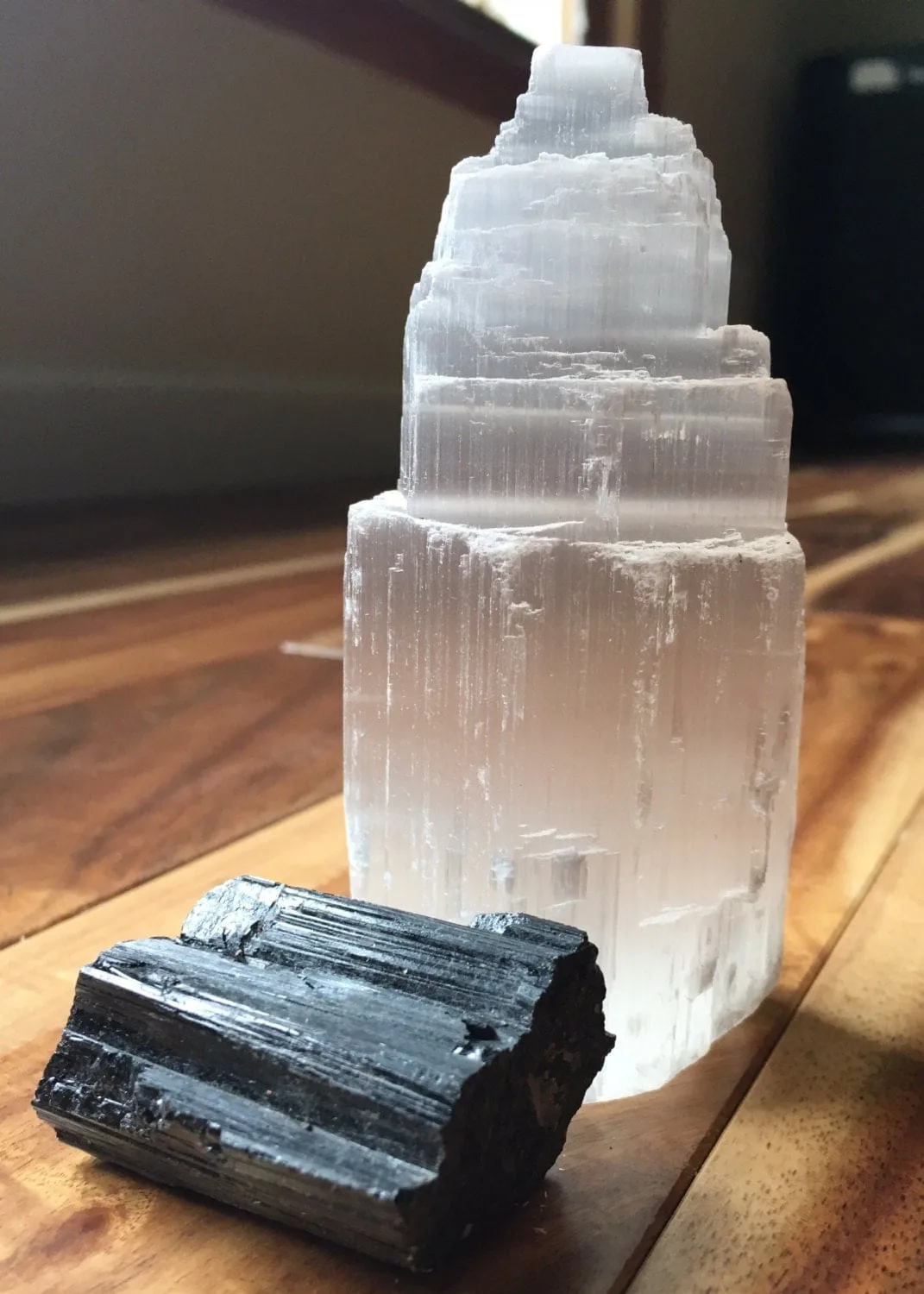
Look closely at the surface under bright light. Real black tourmaline (schorl) rarely looks uniformly smooth. It often has vertical striations, rough patches, or natural fractures.
Painted ceramics usually have a consistent, glassy sheen from the glaze firing process.
Check for air bubbles trapped just below the surface. These are dead giveaways for manufactured goods. Natural minerals form under pressure and heat without trapping gas pockets like kilns do.
If you see tiny spheres inside the "stone," it’s likely ceramic. Use a loupe or magnifying glass to spot these imperfections.
Color consistency matters too. Genuine schorl absorbs light differently across its facets. It might look matte in some spots and vitreous in others.
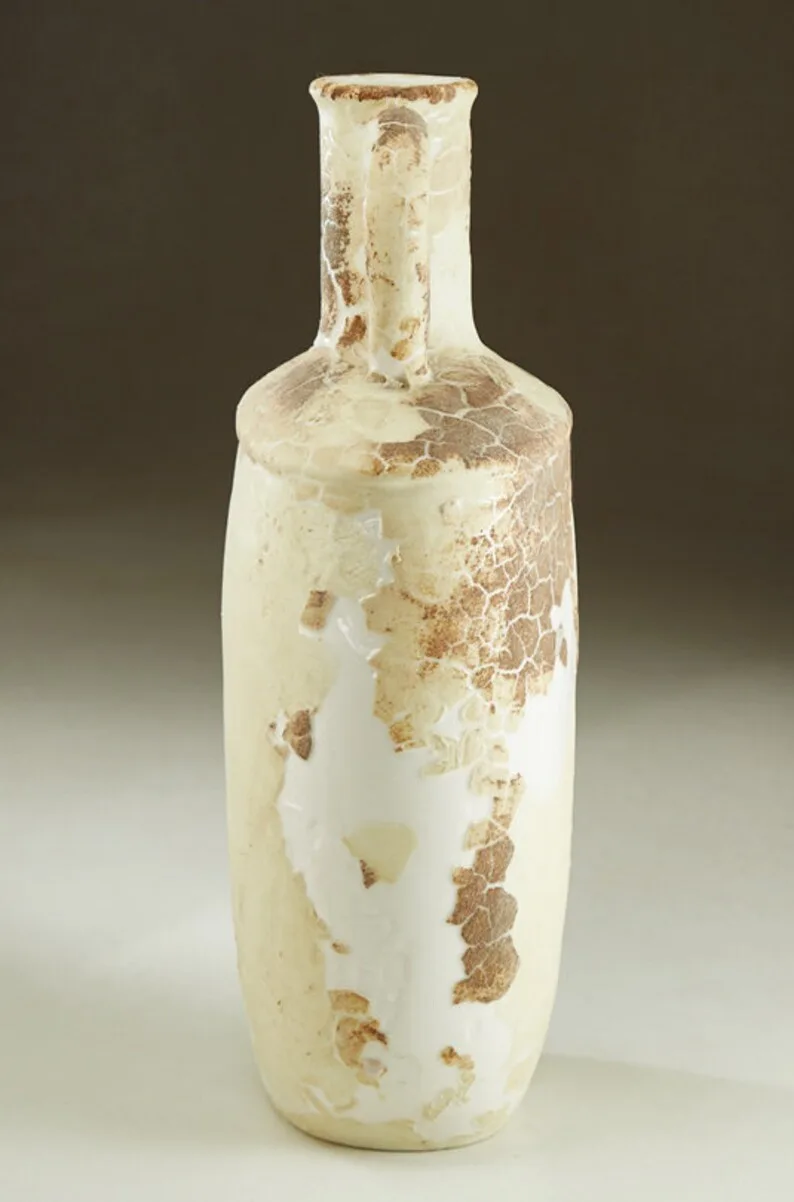
Fakes reflect light evenly everywhere. Look for paint chipping along edges or cracks. Underneath, you’ll see white or beige clay body instead of dark mineral interior.
This image highlights typical glaze pooling and uniform reflection found in imitations. Notice how the light bounces off smoothly rather than scattering through crystalline structures. Real stones show depth; fakes show surface coating.
Train your eye to catch these subtle differences before weighing anything.
Performing the Weight Test Correctly (Without Breaking It)
Start with a precise digital scale capable of measuring to 0.1 grams. Kitchen scales often lack this sensitivity. Place the specimen gently on the center of the platform.
Record the dry mass immediately. Avoid touching the stone excessively, as oils can affect readings slightly over time.
Next, prepare a container of water large enough to submerge the piece fully. Tare the scale with the water-filled container sitting on it. Carefully suspend the stone in the water using a thin thread or wire.
Ensure no air bubbles stick to the surface. Read the displaced volume or apparent weight loss.
Do not drop the stone into the water. Impact can chip brittle tourmaline or crack fragile ceramic glazes. Handle with care throughout the process.
Dry the item thoroughly afterward to prevent moisture damage to labels or packaging if you plan to return it. Precision here reduces error margins significantly.
| Step | Action | Tool Needed | Purpose |
|---|---|---|---|
| 1 | Weigh dry stone | Digital Scale (0.1g precision) | Get mass variable |
| 2 | Submerge in water | Thread/Wire + Container | Measure displacement |
| 3 | Calculate density | Formula: Mass / Volume | Verify specific gravity |
This workflow ensures you gather accurate data for the next stage. Skipping steps leads to false positives. Take your time.
Rushing causes errors that make real stones seem fake or vice versa. Consistency is key for reliable results.
Density Math: Calculating Specific Gravity at Home
Divide the dry mass by the submerged volume displacement. This gives you the specific gravity (SG). For real black tourmaline, expect an SG between 3.2 and 3.3.
Values below 3.0 strongly suggest ceramic or resin. Values above 3.4 might indicate hematite or magnetite mixtures.
Let’s say your stone weighs 50 grams dry. In water, it displaces 15 milliliters. Divide 50 by 15.
The result is approximately 3.33. This aligns perfectly with authentic schorl specifications. If the result was 2.4, you’d be holding a dense stoneware piece.
Keep in mind temperature affects water density. Standard lab conditions assume room temperature (around 20°C or 68°F). Hotter water expands, changing displacement volumes slightly.
For home testing, this variance is negligible unless extreme. Stick to cool tap water for best accuracy.
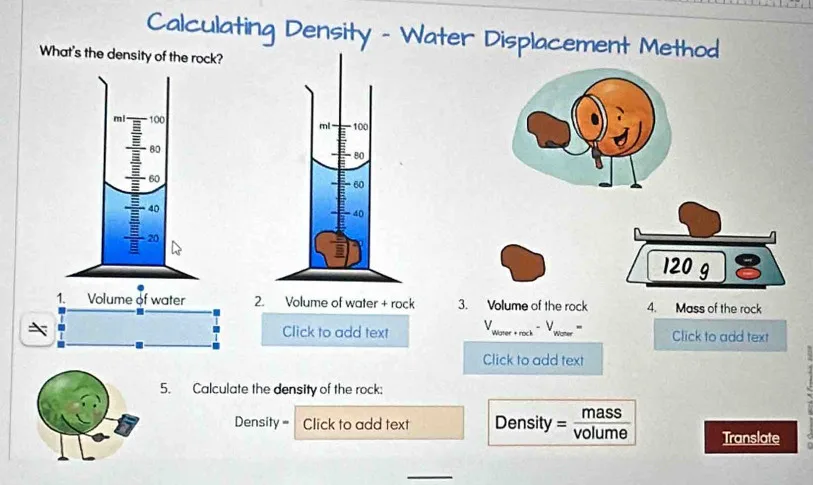
Visualizing the suspension method helps avoid common pitfalls like bubble attachment. Bubbles add buoyancy, lowering apparent weight and skewing SG downward. A low reading could falsely flag real stone as fake.
Double-check submersion quality before recording final numbers. Accuracy depends on clean execution.
Hardness and Temperature: Secondary Checks That Matter
Tourmaline ranks 7 to 7.5 on the Mohs hardness scale. Ceramic glazes vary but often sit around 6 to 7. Scratching tests carry risk, so proceed cautiously.
Try scratching an inconspicuous area with quartz (hardness 7). Real tourmaline should resist minor abrasion better than soft glazes.
Temperature conductivity offers another clue. Hold the stone in your palm for thirty seconds. Natural minerals draw heat away quickly, feeling colder longer.
Ceramics insulate more effectively, warming up faster against skin. This tactile difference is subtle but noticeable with practice. Compare known samples side-by-side if possible.
Be careful not to confuse thermal shock risks. Rapid temperature changes can crack both materials. Avoid running hot water over cold stones.
Gentle handling preserves integrity during assessment. These secondary checks support your primary density findings. They build confidence in your conclusion without damaging valuable specimens.
Aggregate user reviews confirm these sensory cues help distinguish high-quality fakes from genuine articles consistently.
Common Mistakes When Inspecting Black Tourmaline
Don’t rely on a single data point to make your final call. Many collectors fixate on weight and ignore obvious visual flaws. This tunnel vision leads to expensive errors.
A heavy piece with visible glaze bubbles is still fake, regardless of its mass.
Another frequent error involves improper water displacement techniques. Air bubbles clinging to the stone’s surface reduce apparent weight. This skews your specific gravity calculation downward.
You might mistake real schorl for lighter ceramic because of this simple oversight. Always agitate the water gently to release trapped air before reading the scale.
Finally, beware of confusing other black minerals with tourmaline. Obsidian and hematite share similar colors but differ in density and hardness. Obsidian is volcanic glass with an SG around 2.4.
Hematite is much heavier, often exceeding 5.0. Misidentifying these can lead to false positives or negatives. Verify all physical traits together, not just one isolated metric.
Quick Reference: Real Schorl vs. Painted Ceramic Traits
Use this table as a rapid checklist when evaluating specimens in person or online. It consolidates the key differences we’ve discussed into actionable indicators. Comparing these side-by-side helps eliminate doubt quickly.
| Feature | Real Black Tourmaline (Schorl) | Fake Painted Ceramic |
|---|---|---|
| Specific Gravity | 3.2 – 3.3 g/cm³ | 2.0 – 2.8 g/cm³ (varies by clay) |
| Surface Texture | Vertical striations, rough patches | Smooth, uniform, glossy glaze |
| Internal Structure | Natural fractures, no bubbles | Air bubbles, layered slip casting marks |
| Edge Condition | Chips reveal dark interior | Chips reveal white/beige clay body |
| Thermal Feel | Cold initially, warms slowly | Warms rapidly against skin |
| Light Reflection | Scatters light, uneven sheen | Reflects light evenly, glassy shine |
Notice how multiple factors must align for authenticity. If two or more traits match the "Fake" column, proceed with extreme caution. Sellers may claim natural variations explain discrepancies, but consistent patterns usually tell the truth.
Trust the aggregate evidence over individual anomalies. This framework protects you from sophisticated counterfeits that pass basic heft tests. Keep this reference handy when shopping at gem shows or browsing online marketplaces.
It serves as a quick sanity check before committing to a purchase.
FAQs on Identifying Fake Black Tourmaline
Can I use a magnet to test black tourmaline?
No, pure black tourmaline is non-magnetic. However, some fakes contain iron-rich clays or metallic paints that react weakly. Strong attraction suggests hematite or synthetic materials.
Weak attraction doesn't prove authenticity either. Rely on density and visual inspection instead. Magnetic tests are unreliable for definitive identification of schorl versus ceramic imitations.
Does black tourmaline float in water?
Absolutely not. With a specific gravity of 3.2, 3.3, it sinks rapidly. Any black stone floating in water is likely plastic, resin, or pumice.
Even lightweight ceramics sink, though they displace less volume relative to mass. Floating indicates a material far less dense than mineral stone. Use this as a preliminary filter before performing detailed measurements.
How accurate are home scales for this test?
Most kitchen scales offer ±1g accuracy, which is insufficient for small stones. For a 50g specimen, a 1g error shifts SG by ~0.07. This margin overlaps with ceramic ranges.
Invest in a jewelry scale with 0.01g precision for reliable results. Cheaper tools introduce too much noise to distinguish between close-density materials confidently. Precision matters when values cluster near boundary lines.
Are there ethical concerns with testing crystals?
Avoid destructive scratch tests on valuable specimens. Damaging a genuine stone reduces its resale value significantly. Non-invasive methods like visual inspection and water displacement preserve integrity.
Respect the seller's property rights during evaluation. If unsure, request professional certification rather than risking damage through amateur experimentation. Ethical collecting prioritizes preservation alongside verification.

Similar Posts