Clear Quartz vs Glass: The Simple Scratch Test
Figuring out how to test if clear quartz is real or glass scratch test methods can leave you with permanent damage. Most people reach for a knife too quickly. You risk ruining a beautiful stone just to prove it’s hard.
There are safer, smarter ways to spot the difference before you pick up any tool.
Clear quartz sits at 7 on the Mohs hardness scale. Standard window glass usually scores around 5.5. That gap matters.
But visual clues often tell the truth faster than physics. Let’s look at what your eyes should catch first.
Why Visual Cues Beat Scratch Tests for Quartz vs. Glass
Scratch tests are destructive. Once you mark the surface, you can’t undo it. For collectibles or jewelry, that’s unacceptable.
Experts recommend starting with non-invasive checks. You’ll save time and preserve value.
Visual inspection relies on optical properties. Quartz bends light differently than glass. It also forms in nature, not factories.
These origins leave distinct fingerprints. Look for irregularities. Perfect symmetry often screams "manufactured."
Natural stones have character. They show growth patterns. Glass shows flow lines.
Understanding these differences helps you decide if you even need to scratch. Often, you won’t. Your loupe will give you the answer.
The Loupe Check: Spotting Inclusions, Bubbles, and Fractures
Grab a 10x jeweler’s loupe. Hold it close to your eye. Bring the stone up to meet it.
Scan the interior slowly. This step reveals the most critical evidence.
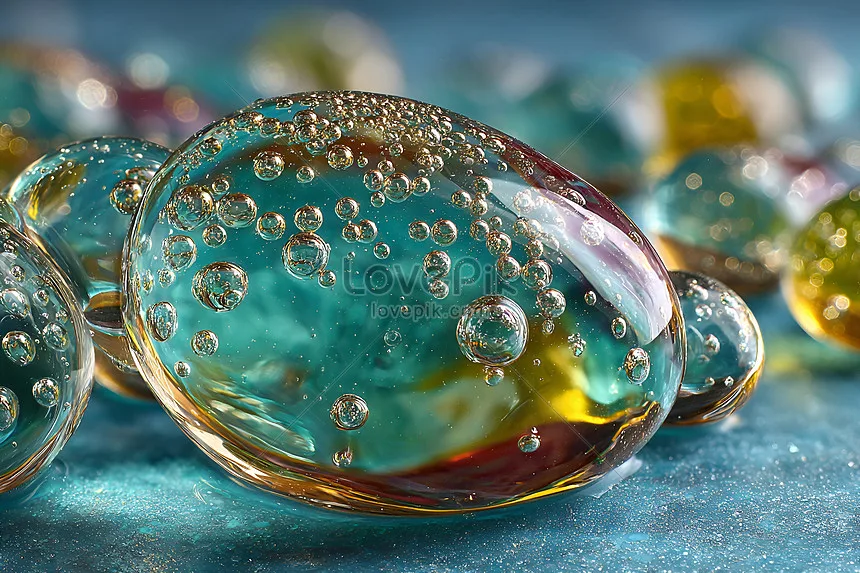
Look for air bubbles. Round, perfect spheres indicate glass. Manufacturers trap air during cooling.
Quartz rarely contains spherical bubbles. It might have fluid inclusions, but they look messy. They aren’t neat circles.
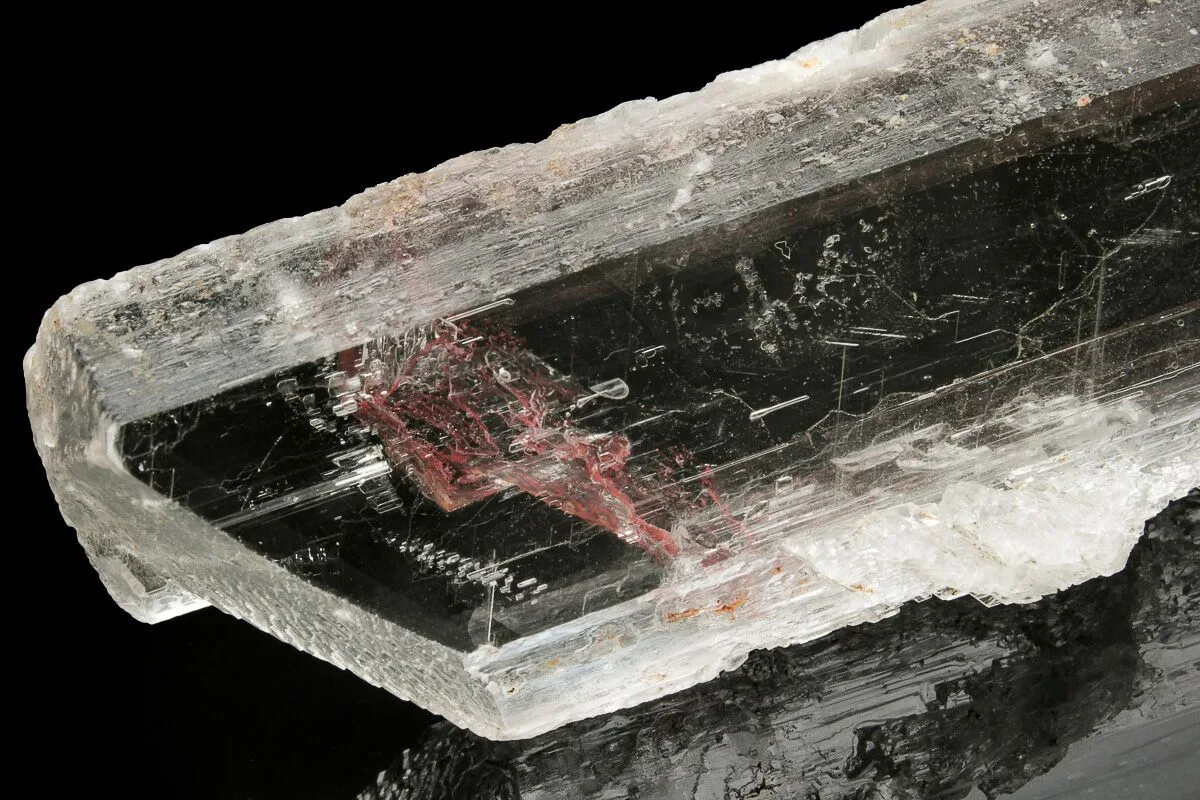
Next, check for internal fractures. Quartz often has feather-like cracks called plumes. These follow natural stress lines.
Glass tends to have swirl marks. These come from stirring molten material. Swirls look like smoke rings inside the stone.
Image source: Bing (Web (fair-use with source credit))
Also, examine the color distribution. Natural quartz may have zoning. One part looks slightly cloudy while another is clear.
Glass is usually uniform. If the clarity is identical throughout, suspect synthetic production.
Finally, look at the surface reflection. Quartz has a vitreous luster. It shines like wet glass.
However, high-quality glass mimics this well. Don’t rely on shine alone. Combine it with inclusion data.
Bubbles plus swirls equal fake. Plumes plus minor imperfections equal real.
Temperature and Weight: Non-Destructive Sensory Clues
Your hands are sensitive tools. Use them wisely. Hold the stone in your palm.
Close your fingers gently. Wait ten seconds. Feel the temperature change.
Quartz feels cold initially. It stays cool longer than glass. This happens because quartz conducts heat poorly.
Glass warms up almost instantly. It matches your body heat quickly. If the stone feels lukewarm after five seconds, it’s likely glass.
Now consider weight. Quartz has a specific gravity of about 2.65. Typical soda-lime glass ranges from 2.4 to 2.8.
The difference is subtle. You need a reference piece to compare.
Hold two similar-sized objects. One known quartz. One suspect item.
Does the suspect feel lighter? Or heavier? Significant deviations suggest different materials.
Lead crystal glass weighs more. Plastic resin weighs less. Pure quartz falls in the middle.
These sensory tests work best together. Cold touch plus average weight points to quartz. Warm touch plus light weight suggests plastic.
Warm touch plus heavy weight hints at leaded glass. Trust your instincts here. They’re backed by physics.
When to Use the Scratch Test (And How to Do It Safely)
Sometimes visuals aren’t enough. Maybe the stone is flawless synthetic quartz. Or perhaps it’s high-end borosilicate glass.
Then you need hardness data. Proceed with extreme caution.
Never scratch visible surfaces. Choose an inconspicuous spot. The bottom of a pendant works.
A rough patch on a raw specimen is ideal. Hide the test area whenever possible.
You need a tool harder than glass but softer than quartz. A steel nail fits perfectly. Steel rates around 6.5 on the Mohs scale.
Glass scratches easily. Quartz resists it.
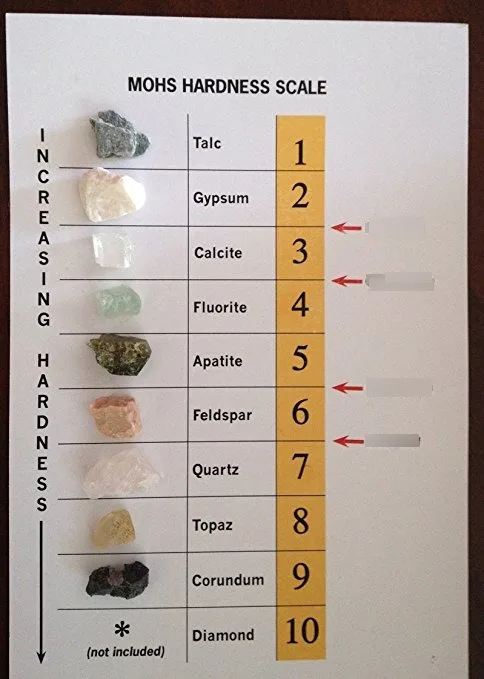
Image source: Bing (Web (fair-use with source credit))
Press firmly. Drag the nail across the chosen spot. Listen for sound.
Grinding noise means glass. Silence means quartz. Inspect immediately.
Visible white powder confirms glass. No mark confirms quartz hardness.
Do not use diamonds. Diamonds rate 10. They scratch everything.
You gain no information. You only cause damage. Stick to household items.
Coins don’t work. Copper pennies are too soft. Aluminum foil is useless.
Steel is your friend.
Remember that some treated quartz coatings exist. Scratch tests fail there. Coatings mimic hardness.
Always combine scratch results with visual checks. Never rely on one method alone. Context saves collections.
Common Visual Traps That Fool Even Experienced Buyers
Deception evolves. Sellers know what buyers look for. They engineer fakes to bypass basic tests.
Stay alert to modern tricks.
High-quality synthetic quartz exists. It lacks bubbles. It has no swirls.
It passes visual inspection. Only lab equipment distinguishes it. Home tests fail here.
Accept that limitation.
Resin imitations pose another threat. Resin feels warm. It’s very light.
It scratches easily with a fingernail. But polished resin looks stunning. It mimics clarity perfectly.
Check for stickiness. Resin sometimes leaves a tacky film. Glass doesn’t.
Doublets trick the eye. These stack thin quartz slices on glass backing. From the front, it looks solid.
Flip it over. The back reveals glue layers. Always inspect both sides.
Glue lines betray the composite structure.
UV fluorescence offers clues. Some quartz glows faintly blue under long-wave UV. Glass often stays inert.
Or it glows bright green due to additives. Use a blacklight. Dim the room.
Watch the reaction closely. Differences highlight authenticity gaps.
Don’t ignore price signals. Real quartz costs money. Dirt-cheap "crystals" are red flags.
Market logic supports physical evidence. Cheap implies compromise. Compromise implies fake.
Trust the economics alongside the optics.
Reference Guide: Natural Quartz vs. Glass Characteristics
Confusion often stems from overlapping traits. Both materials are transparent. Both break with conchoidal fractures.
The devil is in the details. We’ve compiled a quick-reference table to streamline your assessment. Use this as a final checklist before buying or selling.
| Feature | Natural Clear Quartz | Typical Glass Imitation |
|---|---|---|
| Internal Flaws | Irregular veils, feathers, fluid pockets | Perfect spheres (bubbles), swirl marks |
| Temperature Feel | Stays cool for 10+ seconds | Warms rapidly to body temp |
| Hardness (Mohs) | 7 (Resists steel files) | 5.5 (Scratched by steel files) |
| Light Interaction | Double refraction (birefringence) | Single refraction only |
| Surface Texture | Microscopic ridges under magnification | Uniformly smooth, sometimes pitted |
Birefringence is a key differentiator. It means quartz splits light into two rays. You can test this simply.
Place the stone over a printed line of text. Look through the top face. If you see two distinct lines, it’s quartz.
Glass shows only one. This optical trick works even on small tumbled stones.
Weight matters too, but context is king. A large glass bead might feel heavier than a tiny quartz chip. Always compare similar volumes.
Specific gravity differences are subtle. Don’t rely on heft alone if you lack a reference piece. Combine weight checks with thermal tests.
Two sensory clues align better than one isolated data point.
Remember that synthetic quartz exists. It mimics natural properties closely. It lacks bubbles.
It has correct hardness. But it often shows "seed plates" inside. These are flat, mirror-like reflections.
They indicate lab growth. Natural quartz rarely has these perfect internal mirrors. Spot them, and you’ve identified man-made material.
Frequently Asked Questions
Can I use a diamond tip to scratch test quartz?
No. Diamond rates 10 on the Mohs scale. It scratches everything, including quartz.
You gain no comparative data. You only create permanent damage. Stick to steel tools rated around 6.5.
They offer a clear pass/fail result against glass without destroying the specimen.
Why does my quartz feel warm after holding it briefly?
Body heat transfers quickly to any surface. Ten seconds isn’t enough to judge accurately. Hold it for thirty seconds.
Compare it to a metal spoon in the same hand. Quartz retains cold longer than glass. If it matches the spoon’s warmth speed, suspect glass.
Patience improves accuracy here.
Do all real crystals have visible inclusions?
Not necessarily. High-grade gem-quality quartz can look pristine. Lack of flaws doesn’t prove fakeness.
It just raises suspicion. Check for birefringence instead. Splitting light confirms crystalline structure.
Glass cannot do this. Optical physics trumps visual perfection every time.
Is the scratch test safe for jewelry settings?
Absolutely not. Settings hide base metals. Scratching may loosen prongs.
It damages plating. Never test mounted pieces at home. Remove the stone first if possible.
Otherwise, consult a professional gemologist. Risking setting integrity outweighs curiosity. Preserve value by avoiding destructive methods on finished goods.
How accurate is the temperature test in hot climates?
Less reliable. Ambient heat reduces contrast. Quartz won’t feel as cold initially.
Move indoors to an air-conditioned room. Let the stone acclimate for five minutes. Then perform the touch test.
Controlled environments yield consistent results. Outdoor humidity and heat skew sensory perception significantly.

Similar Posts