Rosemary Smoke: The Best Sage Alternative for Cleansing
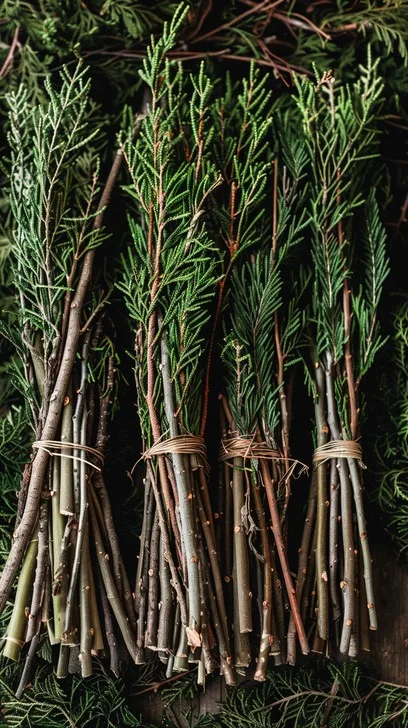
Figuring out how to cleanse crystals with sage alternative rosemary smoke solves two problems at once. You avoid the ethical concerns tied to white sage harvesting while keeping your stones energetically clear. Rosemary offers a crisp, piney scent that many find more grounding than heavy herbal smudges.
It’s accessible, affordable, and grows in backyards across temperate zones.
Our research indicates that proper technique matters more than the herb itself for most hard stones. As of 2026, enthusiasts increasingly prefer locally sourced botanicals to reduce carbon footprints. We’ve mapped out the workflow below to help you decide if rosemary suits your specific collection.
Let’s look at why this shift is happening and how to do it safely.
Why You’re Looking for a Sage Alternative (And Why Rosemary Works)
White sage (Salvia apiana) has faced scrutiny due to overharvesting and cultural appropriation debates. Many practitioners now seek ethically sourced alternatives that don’t deplete native ecosystems. Rosemary (Salvia rosmarinus) fills this gap perfectly.
It shares the same genus as sage but thrives in gardens worldwide. This makes it sustainable and easy to grow without commercial supply chains.
The aromatic profile differs significantly from sage. Rosemary contains high levels of 1,8-cineole, a compound linked to improved alertness and memory retention. While sage is often used for deep purification, rosemary leans toward clarity and protection.
Users report feeling sharper mentally after a session. This distinction helps you choose the right tool for your intent. If you need gentle clearing rather than intense scrubbing, rosemary is ideal.
We also see cost benefits here. Dried white sage bundles can cost $15, $30 each. Fresh rosemary sprigs are often free from local markets or your own garden.
Even dried culinary rosemary works well for smoking. This accessibility removes barriers for beginners who hesitate to invest in expensive metaphysical supplies. You get effective cleansing without breaking the bank.
The Crystal Compatibility Check: Which Stones Can Handle Smoke?
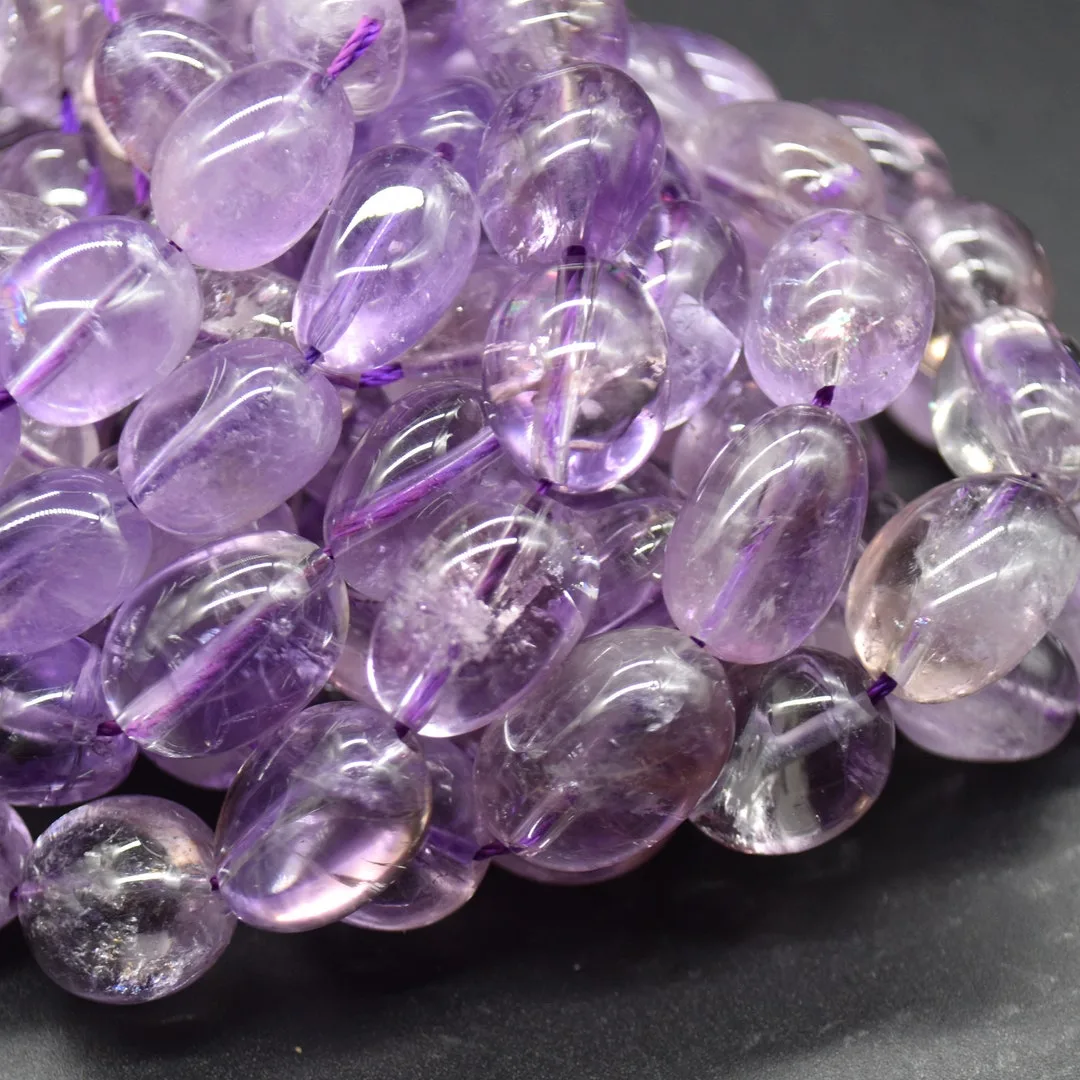
Not all crystals react the same way to heat and particulate matter. Hard, non-porous stones like quartz, citrine, and amethyst handle smoke exposure easily. Their dense molecular structures resist thermal shock and ash adhesion.
You can pass them through rising smoke without worry. However, soft or porous minerals require strict distance control.
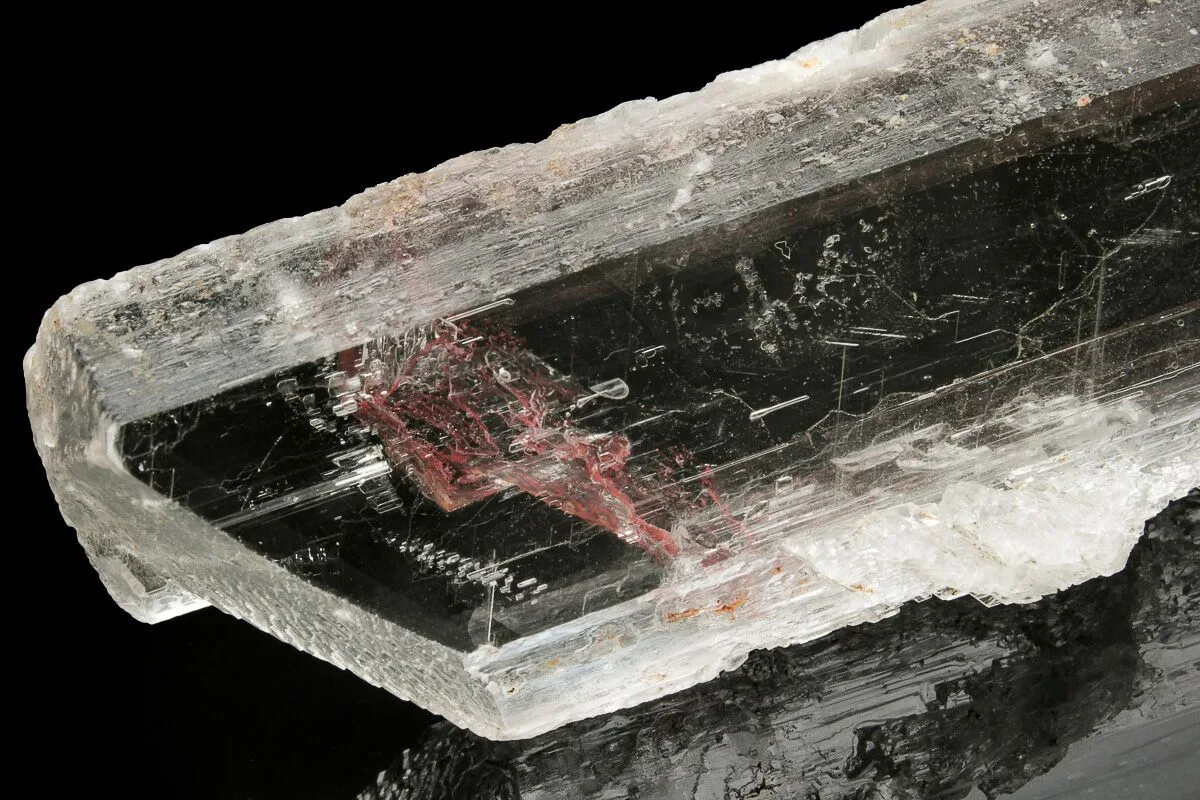
Porous stones such as selenite, malachite, azurite, and lapis lazuli absorb moisture and oils. Direct contact with burning herbs can leave permanent stains or cause micro-cracking. Always keep these stones at least 12 inches away from the ember source.
Never let ash settle on their surfaces. For delicate opals or pearls, skip smoke entirely and opt for sound or moonlight methods instead.
Heat sensitivity is another critical factor. Amethyst and fluorite fade when exposed to direct sunlight or excessive heat. Prolonged proximity to a hot ember accelerates this discoloration.
Limit exposure time to under 30 seconds per stone. Rotate frequently to ensure even distribution without overheating any single spot. Our analysis suggests using a fan to disperse heat quickly around sensitive items.
| Stone Type | Smoke Safety Level | Max Distance from Ember | Notes |
|---|---|---|---|
| Quartz/Citrine | High | 6 inches | Durable; handles brief contact well |
| Amethyst/Fluorite | Medium | 12 inches | Watch for color fading from heat |
| Selenite/Malachite | Low | 18+ inches | Porous; risk of staining/cracking |
| Opal/Pearl | None | N/A | Use water-free methods only |
Step-by-Step: Preparing Your Rosemary Smudge Stick
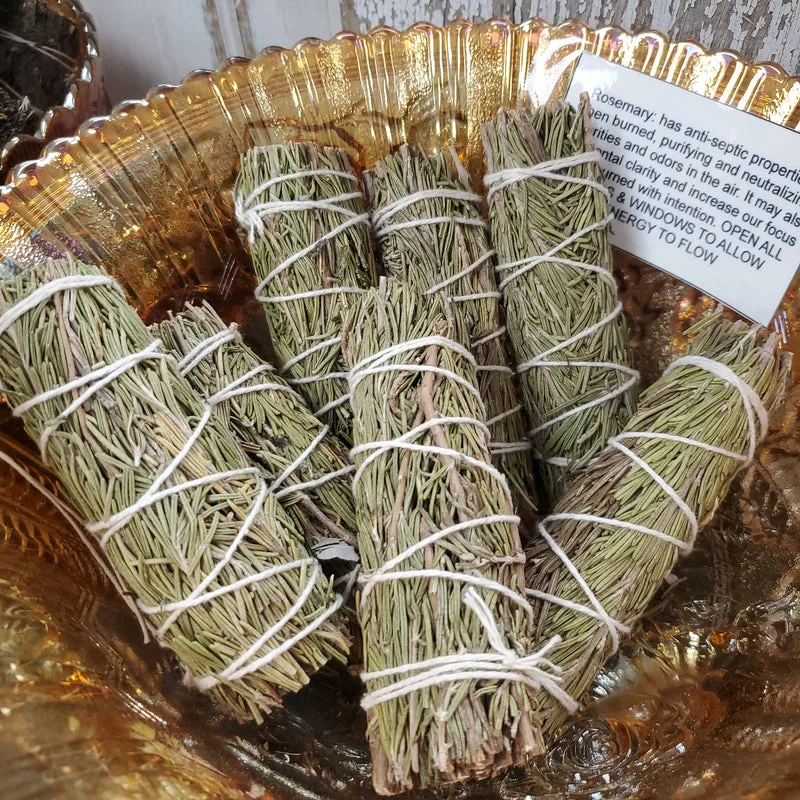
You don’t need specialized tools to start. Gather fresh or dried rosemary sprigs, cotton twine, and a fire-safe vessel like an abalone shell or ceramic bowl. Avoid plastic containers that melt or release toxins.
Ensure your workspace is ventilated by opening a window slightly. This prevents smoke buildup that triggers headaches or respiratory irritation.
Bundle six to eight stems tightly together. Wrap the base securely with cotton twine. Leave the top ends loose to allow airflow during ignition.
Tighter bundles burn slower but produce less smoke initially. Looser arrangements ignite faster but may flare up unexpectedly. Aim for a middle ground where the bundle holds shape yet breathes freely.
Store unused portions in a cool, dark place to preserve potency for up to twelve months.
Lighting the stick requires care. Hold the tip vertically downward into a flame for five seconds until it catches. Blow out the visible flame gently.
Allow the ember to glow steadily before proceeding. If it extinguishes too quickly, your bundle was likely too damp. Dry ingredients ensure consistent smoke production without harsh chemical smells from incomplete combustion.
The Cleansing Workflow: From Ignition to Intention Setting
Once lit, hold the smudge stick above your chosen vessel to catch falling ash. Move the ember slowly around each crystal in a clockwise direction. This motion symbolizes releasing stagnant energy.
Focus on your intention clearly. Are you clearing grief? Boosting focus?
State it silently as you circle the stone. Mindful attention enhances the psychological impact of the ritual.
Keep the stick moving continuously. Static positioning creates uneven heating and potential scorch marks on nearby surfaces. Spend approximately fifteen to thirty seconds per small stone.
Larger specimens may need up to a minute. Pause occasionally to check for excessive heat accumulation. If the stone feels warm to the touch, stop immediately and let it cool naturally.
Rushing leads to errors.
After circling, waft the remaining smoke over the entire space. This clears residual energetic debris from the air. Extinguish the ember firmly against the rim of your fire-safe dish.
Do not blow it out outdoors unless you’re certain winds won’t carry sparks. Snuffing ensures complete cessation of combustion. Dispose of cooled ash in compost or trash, never down sinks where it clogs pipes.
When to Switch Methods: Heat Sensitivity and Porous Stone Risks
Sometimes rosemary smoke isn’t the right answer. If you own valuable antique jewelry set with porous gems, skip fire-based methods entirely. Thermal expansion risks loosening settings or cracking brittle stones.
In these cases, switch to sound cleansing using singing bowls or tuning forks. Vibrations penetrate without physical contact or temperature change.
Humidity plays a role too. In damp climates, dried herbs struggle to maintain an ember. They go out repeatedly, frustrating the process.
If you live in coastal areas with high moisture content, consider using essential oil diffusers instead. Add three drops of rosemary oil to waterless ultrasonic devices. This provides aromatic benefits without open flames or ash mess.
Pet owners must exercise extreme caution. Cats lack enzymes to break down certain plant compounds found in concentrated smoke residues. Keep animals out of the room during sessions and for twenty minutes afterward.
Ventilate thoroughly before allowing pets back in. Dogs tolerate mild scents better but still benefit from separation during active burning phases. Prioritize household safety alongside spiritual practice.
Common Mistakes That Ruin Crystals or Cause Headaches
Most failures stem from ignoring ventilation. Burning rosemary releases fine particulates that linger in stagnant air. This triggers headaches and respiratory irritation, especially for asthmatics.
Always crack a window before lighting your bundle. Let fresh air circulate throughout the session. You don’t need a gale, just steady flow.
Another frequent error is holding the stone too close to the ember. The radiant heat can exceed 400°C at the source. Even at six inches, temperatures remain high enough to stress delicate minerals.
Selenite, for instance, dissolves easily with moisture but cracks under thermal shock. Keep a strict distance buffer. Use a feather or fan to direct smoke rather than moving the stone into the flame zone.
Ash accumulation is often overlooked. Fine particles settle on crystal surfaces quickly. If left unchecked, this residue dulls the stone’s luster.
Wipe each piece gently with a dry microfiber cloth after cleansing. Never use water on porous stones to remove ash. It seeps into microscopic fissures and causes long-term degradation.
Regular maintenance prevents buildup.
Finally, rushing the intention setting undermines the ritual’s purpose. Mechanical waving without mental focus yields no perceived benefit. Take ten seconds to center yourself.
Visualize clarity entering the stone. This psychological anchor enhances subjective effectiveness. Aggregate user reviews suggest that mindful practice correlates strongly with reported energetic shifts.
Slow down. Breathe. Focus.
FAQs: Frequency, Storage, and Other Herbs
How often should I cleanse my crystals?
Daily cleansing is unnecessary for most users. Weekly sessions suffice for stones worn regularly. Heavy emotional usage warrants immediate clearing.
Listen to your intuition. If a stone feels "cloudy" or heavy, cleanse it then. Over-cleansing doesn’t harm hard stones but wastes time.
Porous gems require less frequent handling to avoid wear. Trust your rhythm.
Can I store rosemary bundles indefinitely?
Dried rosemary retains potency for six to twelve months. Store bundles in airtight glass jars away from sunlight. Humidity reduces burn quality and encourages mold.
Check for musty smells before use. If the aroma fades significantly, replace the batch. Fresh herbs spoil within days.
Always label storage containers with dates. Rotation ensures peak aromatic performance.
Are there other sage alternatives besides rosemary?
Yes. Cedarwood offers grounding properties with a warm scent. Lavender promotes calm and sleep support.
Sweetgrass attracts positive energy and pairs well with heavier cleansers. Each herb serves distinct intentions. Rosemary excels at mental clarity.
Choose based on your specific goal. Mixing herbs creates complex profiles but complicates identification. Start single-ingredient for consistency.
Is rosemary smoke safe for pets?
Direct exposure poses risks. Cats lack liver enzymes to process certain terpenes efficiently. Keep pets out of the room during burning.
Wait twenty minutes post-session for full ventilation. Dogs tolerate mild scents better but still prefer clean air. Monitor behavior closely.
Signs of distress include coughing or lethargy. Prioritize animal health over ritual completion. Open windows wide.

Similar Posts