Real Bloodstone vs Dyed Jasper: Spot the Difference
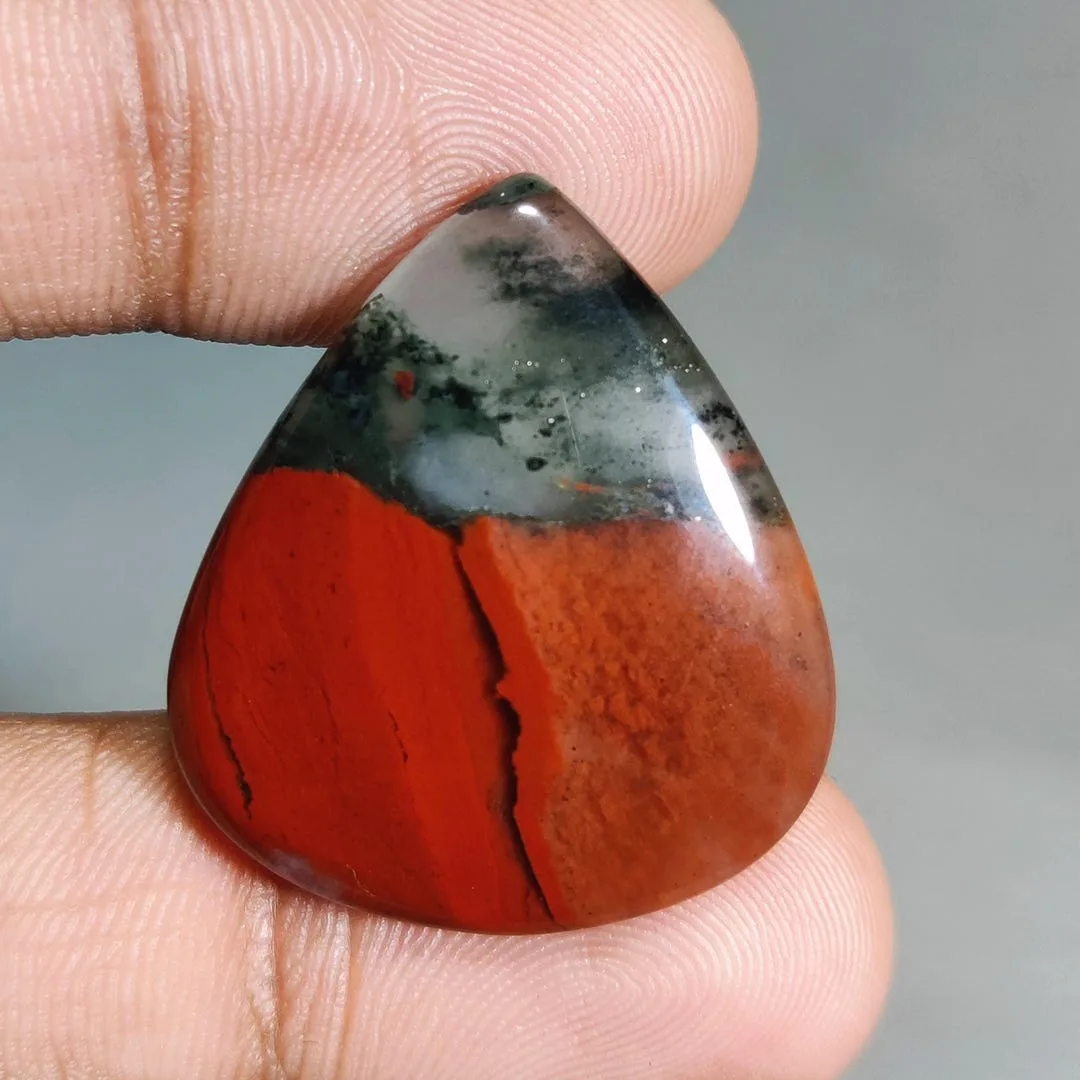
Figuring out how to tell if bloodstone is genuine or dyed green jasper starts with looking closely at the red spots. Natural bloodstone features irregular, rust-colored inclusions that sit deep within the stone. Dyed versions often show color concentrated along surface cracks or unnatural uniformity.
We rely on visual diagnostics because chemical tests can damage valuable pieces. The Gemological Institute of America notes that treatment disclosure is critical for fair market value. As of 2026, many online sellers still omit this info.
Let’s break down exactly what your eyes need to catch before you buy.
Quick Answer
To identify genuine bloodstone, examine the red spots under magnification. Authentic stones have irregular hematite inclusions that penetrate the green matrix. Dyed green jasper shows dye pooling in fractures or surface-level coloration.
Genuine bloodstone maintains consistent density and hardness around 7 on the Mohs scale. Always check for unnatural brightness or uniform green tones indicating artificial enhancement.
Why Your Eyes Are the Best Tool for Spotting Fake Bloodstone
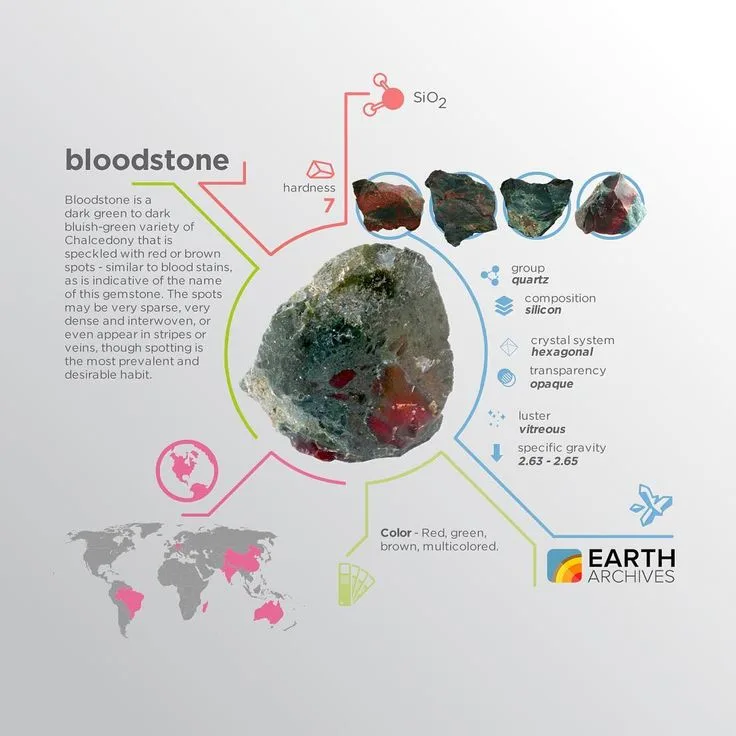
You don’t need expensive lab equipment to spot most fakes. Your naked eye, aided by a simple loupe, catches 90% of deceptions. Bloodstone is a variety of chalcedony, specifically quartz.
It gets its name from the red iron oxide spots that look like dried blood.
Dyers target green jasper because it shares the same base mineral structure. They add chromium or organic dyes to mimic the deep forest green of high-quality heliotrope. The trick isn’t just color.
It’s texture and depth.
Natural bloodstone feels cool and dense. Dyed jasper often feels slightly lighter due to porosity changes during treatment. We focus on visual cues because they are non-destructive.
You can inspect a piece in a shop window without leaving marks. This preserves resale value.
If a seller refuses close inspection, walk away. Legitimate dealers encourage scrutiny. They know their stock is authentic.
Counterfeiters hide flaws under glare or poor lighting. Learn to trust your sight over marketing claims.
The Red Spot Test: Examining Hematite Inclusions Under Magnification
Start with the most obvious feature: the red spots. Use a 10x jeweler’s loupe. Look at the boundary between the red inclusion and the green matrix.
In genuine bloodstone, the transition is gradual. The red pigment bleeds slightly into the surrounding quartz.
Fake spots often look painted on. They sit flat against the surface. There’s no depth.
You might see sharp, defined edges where the red meets the green. This suggests applied dye rather than natural formation.
Check the shape of the inclusions. Natural hematite forms irregular, jagged patterns. It rarely creates perfect circles or uniform dots.
If you see evenly spaced, round red blobs, suspect a synthetic imitation or heavy treatment.
Also, observe the color tone. Real bloodstone spots range from rusty brown to deep brick red. Dyed versions sometimes use bright scarlet or orange pigments that don’t occur naturally in iron oxides.
Compare multiple spots across the stone. Consistency in natural variation is key. Randomness proves authenticity.
Uniformity raises alarms.
| Feature | Genuine Bloodstone | Dyed Green Jasper |
|---|---|---|
| Spot Shape | Irregular, jagged | Round, uniform |
| Edge Definition | Blended, gradual | Sharp, distinct |
| Color Tone | Rusty brown to brick red | Bright scarlet or orange |
| Depth | Penetrates matrix | Surface level |
Color Depth and Distribution: Distinguishing Natural Green from Dyed Jasper
Look at the green background. Natural bloodstone varies in shade. You’ll see patches of lighter olive mixed with dark forest green.
This zoning happens during geological formation. Minerals settle unevenly.
Dyed jasper often displays flat, uniform color. The entire stone looks the same shade everywhere. This lacks the organic complexity of real minerals.
Hold the stone up to a light source. Genuine bloodstone is translucent. Light passes through the edges, revealing internal structures.
Most dyed jasper is opaque. Light doesn’t penetrate deeply. If the stone blocks all light, it’s likely heavily treated or low-quality quartz.
Check for color concentration near drill holes or facets. Dye tends to pool in these areas. You’ll see darker rings around beads or intense color in crevices.
Natural stones distribute color evenly throughout the volume. Artificial enhancements sit on the surface or seep only shallowly. Rotate the stone slowly.
Watch how light interacts with the interior. Real gems glow from within. Fakes reflect from the outside.
This distinction matters for value. A uniformly colored stone is cheaper. Variations indicate natural origin.
Don’t mistake dullness for authenticity. Some natural bloodstones are darker. But they always retain some translucency and textural nuance.
Fracture Analysis: Where Dye Hides in Cracks and Micro-Fissures
Inspect any visible cracks or chips. These are weak points in the crystal structure. During dyeing processes, liquid penetrates these fissures easily.
The result is concentrated color along fracture lines.

Use your loupe again. Look for veins of intense red or green running through clear or pale areas. This capillary action pulls dye deeper than the surface.
Natural bloodstone doesn’t behave this way. Iron oxide deposits form independently of later fractures.
If you see bright red streaks following a crack, it’s a major red flag. Genuine hematite inclusions are solid masses, not linear stains. Also, check for residue.
Sometimes excess dye remains in surface pits. Wipe the stone with a white cloth. If color transfers, it’s poorly fixed or fresh dye.
Micro-fissures are invisible to the naked eye but show up under magnification. Dye accumulates there, creating a network of dark lines. This pattern looks like a spiderweb of color.
Natural stones may have internal stress marks, but they won’t be stained.
Be cautious with tumbled stones. Polishing removes surface layers. It might hide some dye evidence.
However, deep fractures remain. Examine both polished faces and rough edges if available. Rough edges reveal true composition better than smooth surfaces.
Non-Destructive Field Tests: Light Transmission and Surface Tension Checks
Perform simple physical checks without tools. First, the water drop test. Place a small droplet of water on the surface.
On natural bloodstone, the bead holds its shape due to low porosity. It sits high.
On dyed jasper, the stone may absorb moisture faster. The drop flattens quickly. This indicates higher porosity from treatment chemicals altering the surface structure.
Note that this test works best on unpolished or lightly polished areas. High gloss repels water regardless of material.
Next, try the light transmission method. Shine a strong flashlight behind the stone. Genuine bloodstone allows some light passage.
You’ll see a soft glow. The red spots will appear as dark silhouettes against the illuminated green.
Dyed jasper usually blocks light entirely. It appears black or very dim. Exceptions exist for thin slices, but thick cabochons should resist full transparency.
If light passes through too easily, suspect glass imitations. Glass has different refractive properties.
Combine these observations. No single test is definitive. But together, they build a strong case.
Document your findings mentally. Trust the convergence of evidence. If three signs point to fake, believe them.
Common Visual Traps That Fool Even Experienced Collectors
Lighting plays tricks on your eyes. Warm indoor bulbs make green jasper look richer and more natural. This hides the flat, uniform color typical of dyed stones.
Always inspect under neutral daylight or a cool-white LED source. You’ll see the true saturation levels immediately.
Another trap is size bias. Small beads often hide imperfections better than large cabochons. A ten-millimeter bead might pass a quick glance but fail close scrutiny.
Don’t assume small means less likely to be treated. In fact, smaller items are frequently dyed because they’re cheaper to produce in bulk.
Watch out for "natural" marketing language. Sellers use terms like "enhanced" or "stabilized" vaguely. These can mask dye processes without explicit disclosure.
If a listing doesn’t specify treatment status, assume it’s untreated until proven otherwise. Ask direct questions about chemical enhancements. Vague answers usually signal deception.
Finally, ignore price alone as an indicator. Cheap bloodstone isn’t always fake. High-end synthetic glass can cost more than low-grade natural stone.
Combine visual checks with market knowledge. Know the baseline value for genuine specimens. Deviations from that norm warrant deeper investigation.
When to Walk Away: Pricing Signals and Seller Disclosure Red Flags
Price discrepancies offer strong clues. Genuine bloodstone varies widely based on quality. However, extremely low prices for large, vibrant pieces are suspicious.
Natural hematite distribution costs money to mine and cut. If a deal seems too good, it probably involves treatment.
Check seller policies on returns and authentication. Reputable dealers provide certificates or allow independent verification. They stand behind their inventory.
Avoid platforms where sellers refuse third-party appraisal. This restriction protects fraudulent stock, not you. Transparency builds trust; secrecy breeds doubt.
Look for consistent product photography across listings. Professional sellers maintain uniform lighting and angles. Amateur scammers often use filtered or edited images.
Compare multiple photos of the same item. Inconsistencies in color or spot placement suggest manipulation. Real stones don’t change appearance between shots unless lighting shifts dramatically.
Consider the origin story provided. Specific mining locations add credibility. Generic descriptions like "imported gemstone" raise flags.
India produces most commercial bloodstone. Australia offers higher-quality variants. Knowing the source helps verify authenticity claims.
Missing details imply hidden treatments.
| Signal | Green Flag | Red Flag |
|---|---|---|
| Price | Market-aligned for grade | Suspiciously low for size/color |
| Disclosure | Explicit treatment statement | Vague or missing info |
| Photos | Consistent, unedited | Filtered, varying colors |
| Returns | Accepts independent auth | No refunds or inspections |
Frequently Asked Questions
Can acetone remove dye from bloodstone?
Yes, if the stone is dyed. Soak a cotton swab in pure acetone. Rub it gently on an inconspicuous area.
If blue or green residue appears, the stone is treated. Genuine bloodstone will not release pigment. Test this before buying loose stones.
It’s a definitive non-destructive check for surface dyes.
Is all red-spotted green stone bloodstone?
No. Many minerals mimic this appearance. Aventurine quartz has mica inclusions, not hematite.
Chrysoprase contains nickel, creating apple-green hues without red spots. True bloodstone requires iron oxide (hematite) inclusions within chalcedony. Verify the mineral composition through hardness tests or professional grading.
Visual similarity does not equal identity.
Does heat treatment affect bloodstone value?
Heat treatment can alter color intensity. It may darken the green matrix or fade red spots. Untreated stones generally hold higher resale value.
Collectors prefer natural specimens. Always ask about thermal processing history. Disclosed treatments reduce price expectations.
Undisclosed heat damages trust and market standing significantly.
How do I store genuine bloodstone safely?
Keep it away from harsh chemicals. Store in a soft pouch to prevent scratches. Avoid prolonged exposure to direct sunlight.
UV rays can fade certain mineral pigments over time. Clean with mild soap and water only. Never use ultrasonic cleaners.
Gentle care preserves luster and structural integrity for decades.

Similar Posts