What is October Manifesto: Revolution’s Turning Point
Have you ever wondered what the October Manifesto really means and why it matters? Understanding this important moment in history can change the way you see how governments respond to pressure and demands for change.
If you want to grasp the key ideas behind the October Manifesto and how it shaped the world, keep reading. This article will break it down clearly and show you why it’s still relevant today. Don’t miss out on learning something that could give you a fresh perspective on history and power.

Credit: en.wikipedia.org
Background Of The 1905 Revolution
The 1905 Revolution was a turning point in Russian history, setting the stage for major changes in the empire. It erupted from deep dissatisfaction among various social groups, who felt unheard and oppressed under the autocratic rule of Tsar Nicholas II. Understanding the background helps you see why the October Manifesto became a crucial response to widespread unrest.
Social And Political Climate
Russia was a nation divided. Millions of peasants worked hard but lived in poverty, while industrial workers faced harsh conditions and low wages. You can imagine the frustration brewing among these groups, especially when their voices were silenced by strict government control.
Politically, the Tsar held absolute power, refusing to share it with any representative body. This lack of political freedom made people feel powerless. You might wonder how long such a system could hold before people demanded change.
Key Events Leading Up To The Manifesto
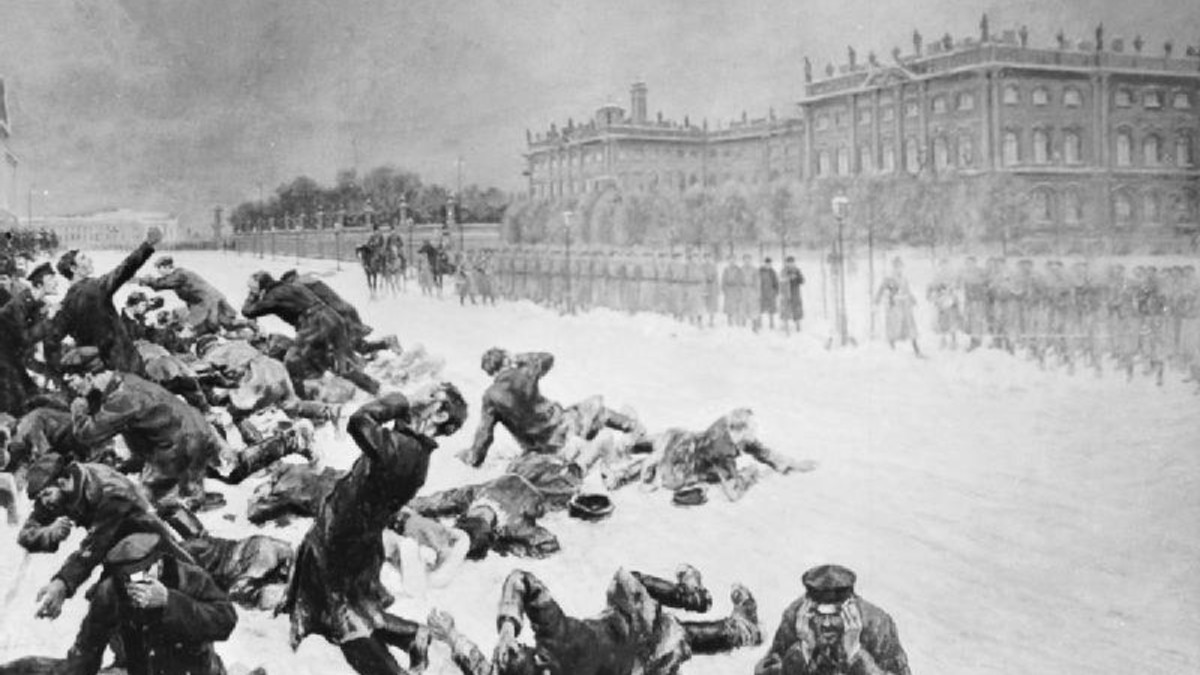
The revolution didn’t happen overnight. Strikes and protests grew across cities, fueled by anger over poor working conditions and political repression. One event that shocked many was Bloody Sunday, when peaceful protestors were shot by the Tsar’s troops, turning public opinion sharply against the regime.
As unrest spread, the government faced increasing pressure to act. The October Manifesto came as a direct response to this crisis, promising reforms like a parliament and civil liberties. Think about how quickly governments might need to respond when they lose the trust of their people.
Causes Behind The October Manifesto
The October Manifesto did not appear out of thin air. It was the result of mounting pressures and complex social dynamics in early 20th-century Russia. Understanding the causes behind it helps you see why Tsar Nicholas II felt compelled to promise reforms.
Pressure From Workers And Peasants
Workers and peasants faced harsh conditions—long hours, low wages, and little political power. Strikes and protests became frequent, disrupting industries and agriculture. This unrest made it clear that the government could no longer ignore their demands.
Imagine trying to run a country while large parts of the population refuse to work or openly rebel. That’s exactly what the Russian leadership faced. The pressure from these groups was a direct challenge to the existing autocracy.
Role Of The Military And Nobility
The military and nobility traditionally supported the Tsar, but by 1905, cracks were showing. Some military leaders hesitated to suppress uprisings harshly, fearing it would worsen the situation. Meanwhile, parts of the nobility worried about the empire’s stability and pushed for reforms to avoid total collapse.
This internal division weakened the Tsar’s position. If those closest to him started doubting his methods, how could he maintain absolute control? The October Manifesto was, in part, an attempt to placate these influential groups.
Influence Of Revolutionary Movements
Revolutionary groups like the Social Democrats and Social Revolutionaries gained momentum by promoting radical change. Their growing presence alarmed the government and the elite. The fear of a full-scale revolution made the Tsar consider limited reforms to avoid losing everything.
Think about how fear of losing power can push leaders to act unexpectedly. The October Manifesto was a strategic move to divide opposition and keep control. It showed that even the most rigid rulers may bend when faced with organized, persistent demands.
Main Provisions Of The October Manifesto
The October Manifesto, issued in 1905, marked a turning point in Russian history by responding to widespread social unrest and demands for political reform. It laid out several key provisions aimed at reshaping the empire’s governance. Understanding these main provisions helps you grasp how the Manifesto attempted to balance power and grant new rights to the people.
Civil Liberties Granted
The Manifesto promised basic civil liberties that were unprecedented in Russia at the time. It granted freedom of speech, assembly, and association, allowing people to express their opinions openly and organize without fear of immediate repression.
Imagine living in a society where your voice suddenly matters and you can meet others to discuss ideas freely. This shift gave hope to many citizens who had been silenced for years. However, these freedoms were not absolute and often faced limitations in practice.
Creation Of The Duma
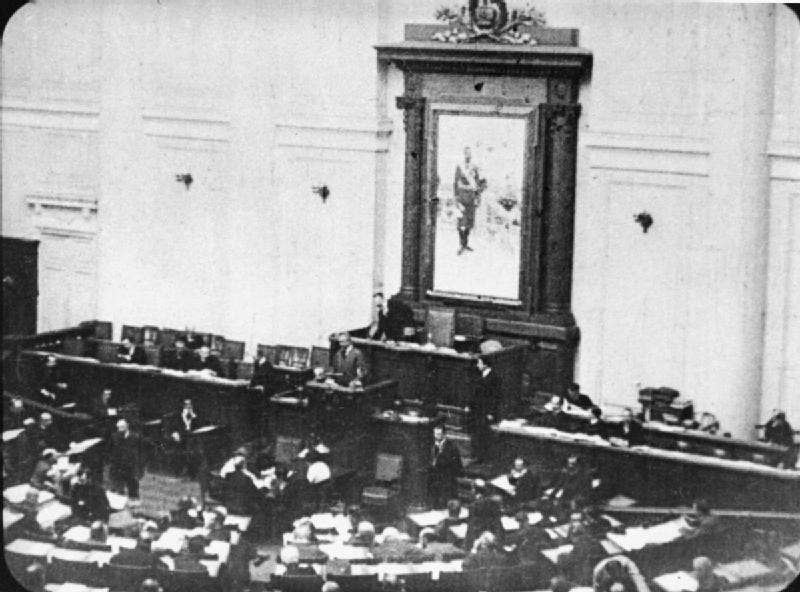
One of the most significant changes was the establishment of the Duma, a legislative assembly meant to represent the people. The Duma was designed to advise the Tsar and participate in lawmaking, introducing a new form of political dialogue.
Think about how having a parliamentary body might influence decisions in your country. The Duma was Russia’s first step toward a constitutional government, yet the Tsar retained considerable control over its powers. This raised questions about how much real influence the Duma could exercise.
Limits On Autocratic Power
The October Manifesto also aimed to limit the Tsar’s absolute authority by requiring that laws receive approval from the Duma before enactment. This was a radical departure from the previous system where the Tsar’s word was final.
Yet, the Manifesto left the Tsar with emergency powers and control over the military. This duality created tension: how do you balance strong leadership with the need for accountability? The attempt to restrict autocracy sparked debates about the future of Russian governance and the true extent of reform.

Credit: www.thedailystar.net
Immediate Impact On Russian Society
The October Manifesto had a swift and strong effect on Russian society. It marked a shift in the political landscape and changed the lives of many citizens. People hoped for new freedoms and reforms, but reactions varied across different groups. The government’s actions, political parties’ responses, and public feelings all shaped the immediate aftermath.
Reaction Of The Tsar And Government
Tsar Nicholas II reluctantly agreed to the manifesto. He saw it as a way to calm the unrest and avoid more violence. The government promised to create a Duma, a parliamentary body, to share power. Yet, the Tsar kept many powers and did not fully trust the reforms. Officials worked to control the new political space cautiously.
Response From Political Parties
Political parties had mixed feelings about the manifesto. Some liberals welcomed the chance for change and took part in the Duma. Radical groups, like the socialists, doubted the Tsar’s sincerity and kept pushing for more. Others stayed skeptical, believing the reforms were shallow. The manifesto divided political forces and spurred debates on Russia’s future.
Effect On Public Sentiment
The public greeted the manifesto with hope and uncertainty. Many workers and peasants felt it promised better rights and justice. Strikes and protests decreased for a time as people waited to see real changes. Still, some remained wary, fearing the government might not follow through. The manifesto sparked cautious optimism across cities and villages alike.
Long-term Consequences
The October Manifesto, issued in 1905, marked a pivotal moment in Russian history. Its long-term consequences shaped not only the immediate political landscape but also set the stage for future upheavals. Understanding these effects helps you grasp why this document remains significant today.
Changes In Russian Governance
The manifesto promised a constitutional monarchy and created the Duma, Russia’s first elected parliament. However, many of its promises were only partially fulfilled or ignored over time. This led to a fragile system where real power stayed with the Tsar, causing frustration among the public and politicians alike.
You might wonder why a reform that seemed progressive failed to bring lasting change. The answer lies in the gap between the manifesto’s promises and the government’s actions, which eroded trust and fueled dissent.
Prelude To The 1917 Revolutions
The October Manifesto did not solve Russia’s deep social and economic problems. Instead, it exposed weaknesses in the autocracy and increased political tensions. Many saw the Duma as ineffective, which pushed radical groups to demand more drastic changes.
Think about how partial reforms can sometimes backfire. By raising hopes and then failing to deliver, the manifesto contributed to the revolutionary mood that exploded in 1917.
Legacy In Modern Russian History
The manifesto’s legacy is complex. It’s remembered as an early attempt to modernize Russia’s government but also as a missed opportunity that led to more turmoil. Modern Russian leaders and historians often debate its impact on political reforms and state control.
Reflect on your own experiences with promises and change. How do unfulfilled commitments affect your trust in leadership? This question remains relevant when looking at Russia’s past and present.
Credit: owlcation.com
Frequently Asked Questions
What Is The October Manifesto In Russian History?
The October Manifesto was a 1905 document by Tsar Nicholas II. It promised civil liberties and a legislative assembly, aiming to calm unrest.
Why Was The October Manifesto Issued By The Tsar?
It was issued to address the 1905 Revolution. The Tsar wanted to prevent further protests and political chaos.
What Rights Did The October Manifesto Guarantee?
It granted freedom of speech, assembly, and association. It also established the Duma, a parliamentary body.
How Did The October Manifesto Impact Russia’s Political System?
The manifesto introduced limited constitutional monarchy features. It marked a shift from absolute to constitutional rule.
Conclusion
The October Manifesto changed Russia’s political path forever. It gave people new rights and started more freedoms. This document marked a shift toward democracy, even if limited. Many hoped it would bring peace and fairness. Understanding this manifesto helps us see Russia’s history clearly.
It shows how leaders tried to balance power and people’s demands. The October Manifesto remains a key moment in world history. It reminds us that change often begins with brave steps forward.

Similar Posts