Was the Manifest Destiny Justified: Unveiling Historical Truths
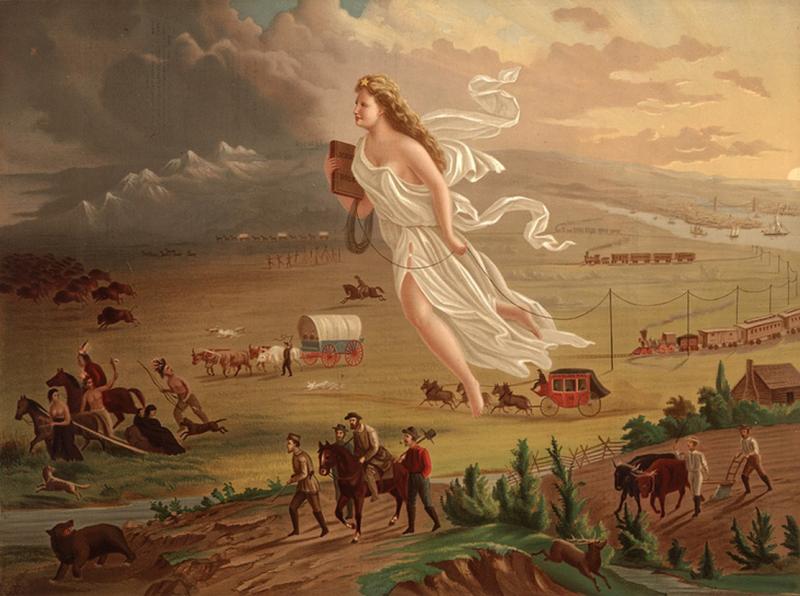
Have you ever wondered if Manifest Destiny was truly justified? This bold idea shaped a huge part of American history, driving the country to expand its borders across the continent.
But was this expansion fair, or did it come at too high a cost? As you read on, you’ll discover surprising facts and powerful arguments that challenge what you might think about Manifest Destiny. Get ready to see this moment in history from a fresh perspective that could change how you understand America’s past.

Credit: music.apple.com
Roots Of Manifest Destiny
The roots of Manifest Destiny run deep into the political, economic, and cultural soil of 19th-century America. Understanding these roots helps you see why so many Americans believed expansion was not just desirable, but inevitable. But was this belief truly justified? Let’s break down what fueled this powerful idea.
Political Motivations
Political leaders saw expansion as a way to strengthen the young nation. Adding new territories meant more power in Congress and a stronger presence on the global stage. Think about how politicians pushed for the annexation of Texas and the Oregon Territory to secure America’s borders and influence.
Did you know that some leaders believed expanding west would spread democracy? They argued that new states would carry American political values further, but was this always the case? The political drive often masked deeper interests.
Economic Drivers
Economic opportunity was a major pull factor. Land was cheap and fertile, promising a fresh start for farmers and entrepreneurs. The Gold Rush and the lure of natural resources added to the rush westward, creating a boom in trade and industry.
Imagine the appeal if you were living in crowded eastern cities with few chances to own land. The promise of wealth and independence pushed many to risk everything. But did this economic push justify displacing native populations?
Cultural Beliefs
Many Americans believed it was their cultural duty to expand. This idea wasn’t just about land—it was about spreading a way of life. The belief in American exceptionalism made people think their culture and government were superior and should be shared.
Have you considered how this belief affected attitudes toward Native Americans and Mexicans? It often led to justifying actions that today seem harsh or unfair. Recognizing this helps you question whether Manifest Destiny was truly a noble mission or something more complicated.
Impact On Indigenous Peoples
The impact of Manifest Destiny on Indigenous peoples was profound and often devastating. As settlers pushed westward, Native American communities faced immense challenges that reshaped their lives and cultures. Understanding these effects helps you see the human cost behind this historical movement.
Displacement And Conflict
Indigenous peoples were forced from their ancestral lands to make way for settlers. This displacement was not just physical but also emotional, severing deep ties to the land.
Violent conflicts erupted as tribes resisted losing their territories. The resulting wars caused loss of life and further instability.
Have you ever considered how losing your home affects your sense of identity and security?
Cultural Erasure
Along with land, Indigenous cultures faced systematic attempts to erase their traditions. Boarding schools and government policies aimed to strip away languages and customs.
Many Native Americans were pressured to adopt European-American ways, leading to a loss of cultural heritage. This erasure created long-lasting scars on communities.
Think about what it means when your language and stories are taken away—how would that impact your connection to your heritage?
Resistance Movements
Despite overwhelming odds, many Indigenous groups organized to defend their rights and cultures. Leaders like Sitting Bull and Geronimo became symbols of resilience.
These resistance efforts showed incredible courage and a refusal to give up their identity. They remind you that even in hardship, the fight for justice continues.
What lessons can you draw from these movements about standing up for your values in difficult times?
Territorial Expansion And Its Consequences
The idea of Manifest Destiny pushed the United States to grow rapidly, but this growth came with complex results. As the country expanded its borders, the effects rippled across social, political, and environmental landscapes. Understanding these consequences helps you see why the question of justification remains so debated today.
Acquisition Of New Lands
The U.S. gained vast territories through purchases, wars, and treaties. The Louisiana Purchase doubled the country’s size, and the Mexican-American War added huge swaths of the Southwest. These acquisitions opened new opportunities but also sparked conflicts over control and governance.
Imagine standing on land that once belonged to Native tribes, Mexico, or France—each with their own history and claims. How would you feel if your home was suddenly under a new flag? This perspective challenges the idea that expansion was simply progress.
Effects On Slavery Debate
New territories forced the nation to confront whether slavery would expand westward. Each new state’s status as free or slave-holding threatened to upset the delicate political balance. This tension pushed the country closer to civil war.
You might wonder if the leaders at the time considered the human cost behind these political moves. The fight over slavery wasn’t just about land; it was about freedom, rights, and the future of millions of people.
Environmental Changes
Territorial expansion also transformed the natural environment dramatically. Forests were cleared, rivers redirected, and wildlife displaced to make way for farms, towns, and railroads. These changes had long-lasting effects on ecosystems and indigenous ways of life.
Think about the land you live on—how would you feel if it was drastically changed in a short time? The impact of Manifest Destiny goes beyond politics; it altered the very earth beneath people’s feet.
Moral And Ethical Perspectives
The moral and ethical perspectives on Manifest Destiny reveal deep divisions in 19th-century America. This idea shaped the nation’s growth but raised serious questions about justice and human rights. Supporters saw it as a noble mission. Opponents viewed it as a form of aggression and injustice. The long-term effects still influence debates today.
Justifications By Supporters
Supporters believed Manifest Destiny was a divine right. They felt the United States had a duty to spread democracy and civilization. Many thought expansion would bring progress and opportunity. They argued it was a way to fulfill America’s potential.
Some common justifications included:
- Belief in racial and cultural superiority
- Spreading Christianity to new lands
- Economic growth through new territories
- Securing national security by controlling the continent
Criticism From Opponents
Opponents condemned Manifest Destiny as unjust and harmful. They highlighted the suffering of Native Americans and Mexicans. Many saw it as a tool for imperialism and land theft. Critics questioned the morality of displacing people for land.
Key criticisms were:
- Violation of indigenous rights and sovereignty
- Promotion of slavery in new territories
- Destruction of cultures and communities
- Encouraging war and violence
Long-term Legacy
The legacy of Manifest Destiny remains complex and mixed. It helped create the modern United States but caused lasting harm. Native populations lost lands and lives. The expansion intensified conflicts over slavery, leading to civil war.
The moral debate continues about:
- The ethics of expansionism
- How history remembers the affected peoples
- Lessons for modern foreign policy and human rights
Comparisons With Other Expansionist Movements
Comparing Manifest Destiny with other expansionist movements reveals common themes and stark differences. Expansion often involved claiming lands, displacing native people, and spreading influence. Each movement reflected unique goals, methods, and impacts on the regions involved.
European Colonialism
European colonialism spanned centuries and continents. Countries like Britain, France, and Spain seized territories in Africa, Asia, and the Americas. Their goal was to extract resources and spread culture. Often, they used force and imposed new governments.
Manifest Destiny shared some traits with European colonialism. Both justified expansion by claiming a right to civilize and develop new lands. Native populations were frequently ignored or harmed. Yet, Manifest Destiny focused on continental growth within North America, not global conquest.
Other American Expansion Efforts
The United States expanded beyond Manifest Destiny in other ways. The Louisiana Purchase doubled the country’s size peacefully. Later, the Alaska Purchase added vast lands through negotiation. Each effort changed the nation’s borders and power.
Compared to Manifest Destiny, these expansions were less about ideology and more about strategy. They involved buying land rather than war or forced removal. Still, Native Americans faced displacement and cultural loss during all expansions.

Credit: www.reddit.com

Credit: www.bibleodyssey.org
Frequently Asked Questions
What Was The Main Goal Of Manifest Destiny?
Manifest Destiny aimed to expand the U. S. territory across North America. It promoted westward migration and economic growth during the 19th century. Supporters believed it was the nation’s destiny and duty to spread democracy and civilization.
Was Manifest Destiny Morally Justified?
Manifest Destiny is controversial morally. Supporters saw it as progress and national destiny. Critics highlight the displacement of Native Americans and war with Mexico as unjust. The moral justification depends on perspective and values regarding expansion and human rights.
How Did Manifest Destiny Impact Native Americans?
Manifest Destiny led to forced removal and suffering for Native Americans. Their lands were seized, and many faced violence and displacement. The expansion disrupted their cultures, livelihoods, and population through broken treaties and conflicts.
Did Manifest Destiny Contribute To The Civil War?
Yes, it intensified sectional tensions over slavery. New territories raised debates on whether they would allow slavery. These conflicts deepened divisions between North and South, contributing to the outbreak of the Civil War.
Conclusion
Manifest Destiny shaped America’s growth and challenges deeply. It brought new land and opportunities for many settlers. Yet, it also caused pain and loss for Native peoples. The idea mixed hope with harsh realities and conflict. History shows both progress and serious costs.
Understanding this helps us learn from the past. It reminds us to value fairness and respect for all. The debate about Manifest Destiny’s justice continues today. It asks us to think about how we grow and treat others. A complex story with lessons still clear.

Similar Posts